
Helmand Province
The second-largest province of Afghanistan, known for its ancient Helmand culture and as a major opium-producing region.

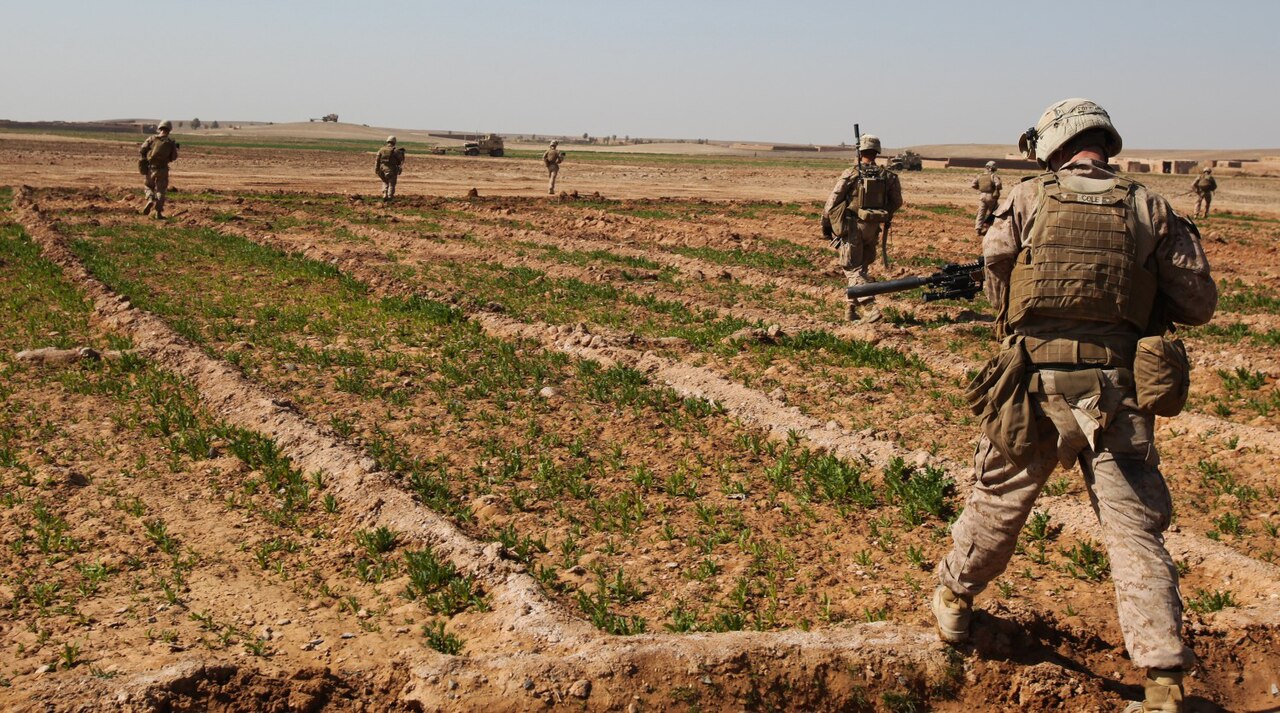
James Purschwitz, U.S. Marine Corps · Public domain
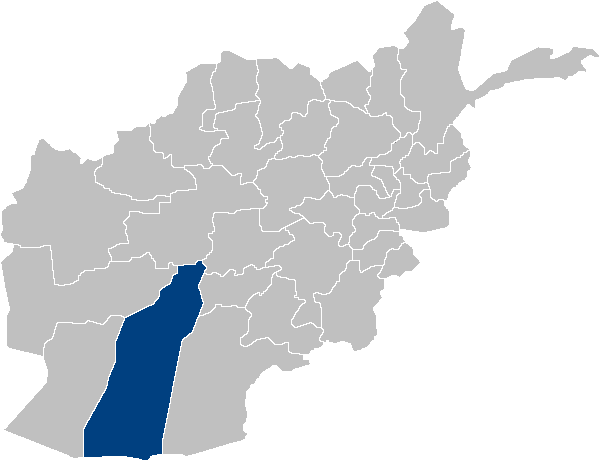
Helmand (Pashto and Dari: ), known in ancient times as Hermand, Hirmand, and Hethumand, is one of the 34 provinces of Afghanistan, in the south of the country. It is the second-largest province by area, covering 58,584 km². The province contains 18 districts, encompassing over 1,000 villages, and roughly 1,446,230 settled people. Lashkargah serves as the provincial capital. Helmand was part of the Greater Kandahar region until made into a separate province by the Afghan government in the 20th century. It is largely populated by Pashtuns.
Lore & Background
Helmand culture of western Afghanistan was a Bronze Age culture of the 3rd millennium BC. It is exemplified by such major sites as Shahr-i Sokhta, Mundigak, and Bampur. The term 'Helmand civilization' was proposed by M. Tosi. This civilization flourished between 2500 BC and 1900 BC and may have coincided with the great flourishing of the Indus Valley Civilisation. Helmand was inhabited by ancient peoples and governed by the Medes before falling to the Achaemenids. Later, the area was part of the ancient Arachosia polity. The Helmand river valley is mentioned by name in the Avesta as Haetumant. It was invaded in 330 BC by Alexander the Great and became part of the Seleucid Empire. Later, it came under the rule of the Mauryan emperor Ashoka. The territory was referred to as part of Zabulistan and ruled by the Zunbils before the Muslim Arabs arrived in the 7th century. It later fell to the Saffarids of Zaranj. Mahmud of Ghazni made it part of the Ghaznavids in the 10th century, who were replaced by the Ghurids. After the destructions caused by Genghis Khan and his Mongol army in the 13th century, the Timurids established rule. From about 1383 until his death in 1407, it was governed by Pir Muhammad. By the early 16th century, it fell to Babur. The area was often contested by the Shia Safavids and Sunni Mughals until the rise of Mir Wais Hotak in 1709. The Hotakis ruled it until 1738 when the Afsharids defeated Shah Hussain Hotaki. When Ahmad Shah Durrani came to power in 1747, the area of what is now Helmand province was part of Kandahar Province and was known as Pusht-e Rud. During the Anglo-Afghan Wars, the leader of a rebellion was Aktur Khan.
Reader's Guide
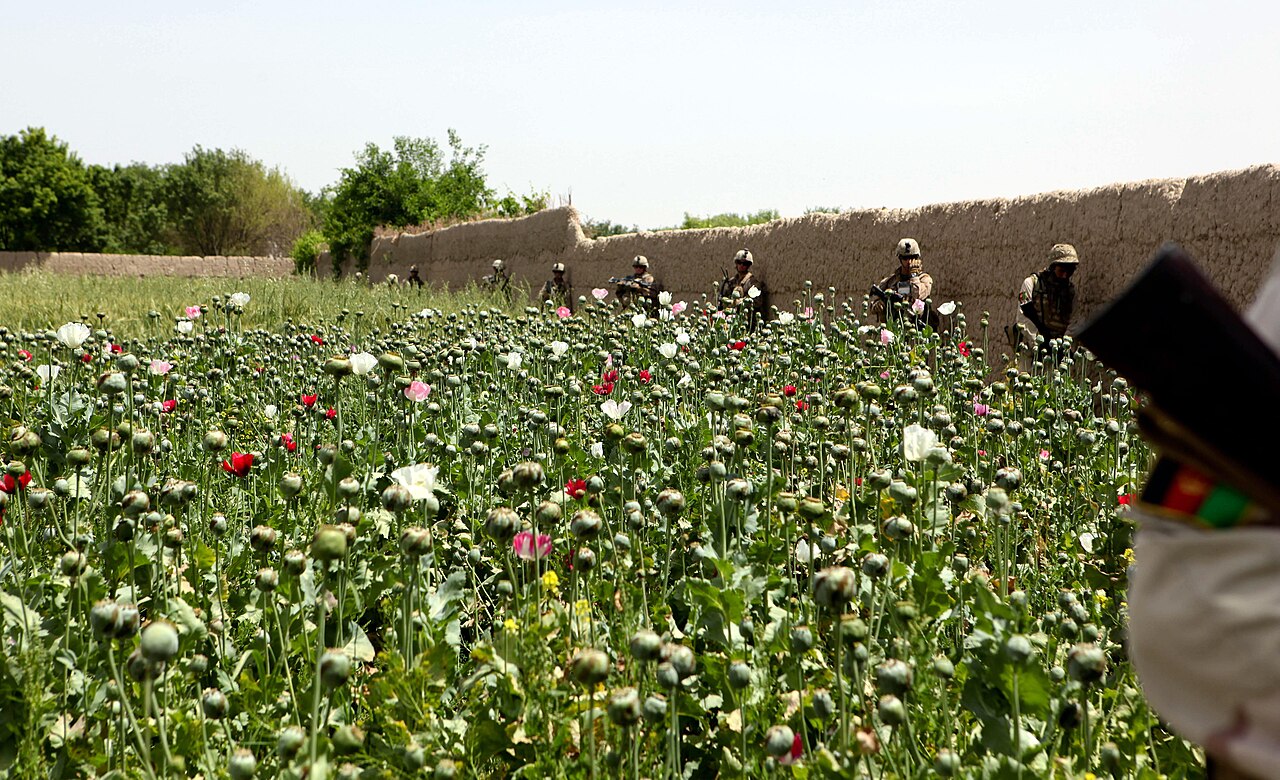
Helmand is believed to be one of the world's largest opium producing regions, responsible for around 42% of the world's total production. The region also produces tobacco, sugar beets, cotton, sesame, wheat, mung beans, maize, nuts, sunflowers, onions, potato, tomato, cauliflower, peanut, apricot, grape, and melon. The province has a domestic airport (Bost Airport), in the city of Lashkargah that was heavily used by NATO-led forces. The former British Camp Bastion and the U.S. Camp Leatherneck is a short distance southwest of Lashkargah. Throughout the 2001–2021 war in Afghanistan, Helmand was a hotbed of insurgent activities and was often considered at the time to be Afghanistan's 'most dangerous' province. The province also witnessed some of the heaviest fighting during the war, where at its peak hundreds of civilians were being killed monthly. Additionally, Helmand is considered to be one of Afghanistan's most socially conservative areas.
Did You Know?
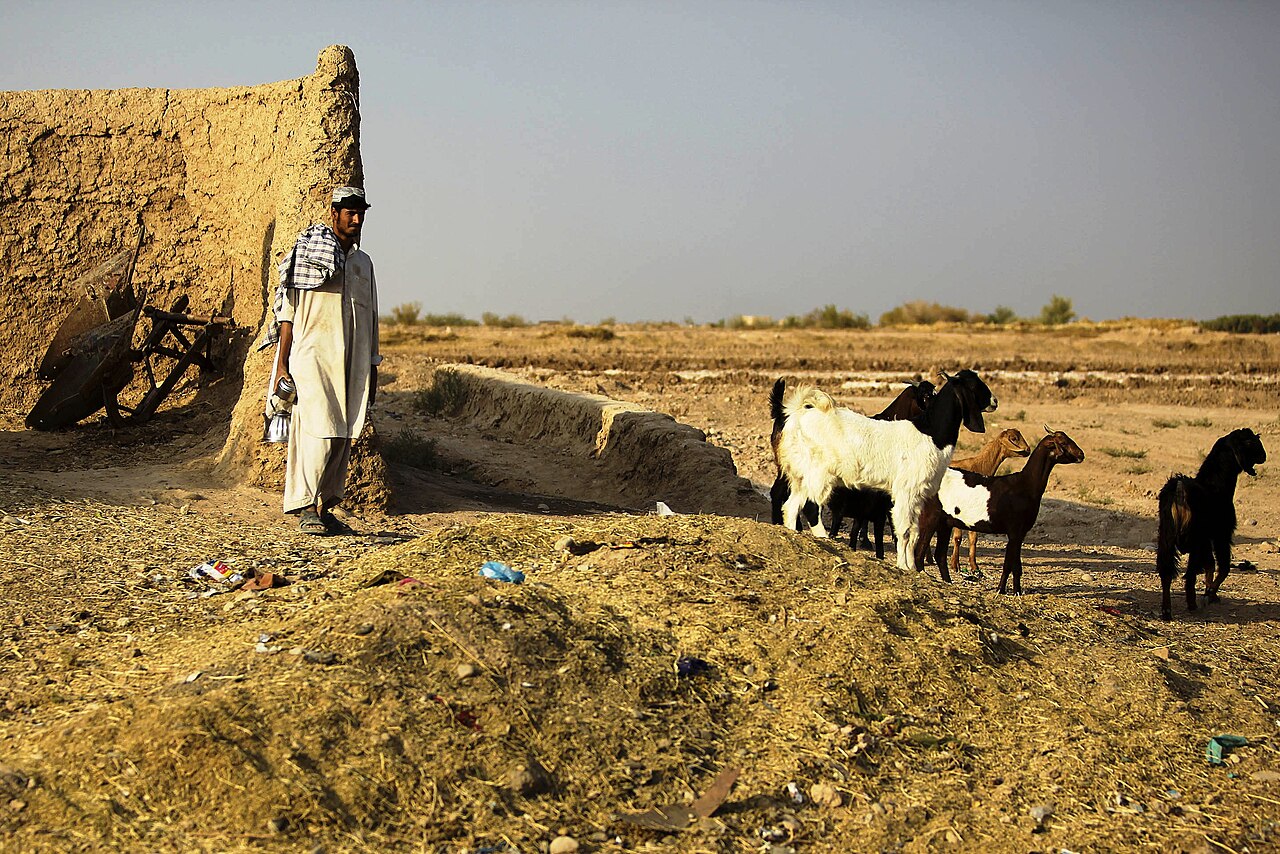
- The Helmand River flows through the mainly desert region of the province, providing water used for irrigation.
- The Kajaki Dam, which is one of Afghanistan's major reservoirs, is located in the Kajaki district.
- The Helmand river valley is mentioned by name in the Avesta as Haetumant, one of the early centers of the Zoroastrian faith.
The Naming Honor
In January 2025, a significant milestone was reached for naval history when the Secretary of the Navy officially announced that a new Arleigh Burke-class Flight III guided-missile destroyer would bear the name USS Kyle Carpenter. This designation marks the vessel as the planned 98th ship in its prestigious class, representing a continuation of a legacy dedicated to American heroes. The decision underscores the high regard held for Marine Kyle Carpenter, who was recognized as the youngest living recipient of the Medal of Honor at the time this honor was bestowed. By assigning his name to such a formidable warship, the United States Navy ensures that his valor remains permanently etched into the nation's maritime identity. This naming ceremony is not merely administrative but serves as a powerful tribute to individual sacrifice and courage within the broader context of modern naval operations.
The Marjah Heroism
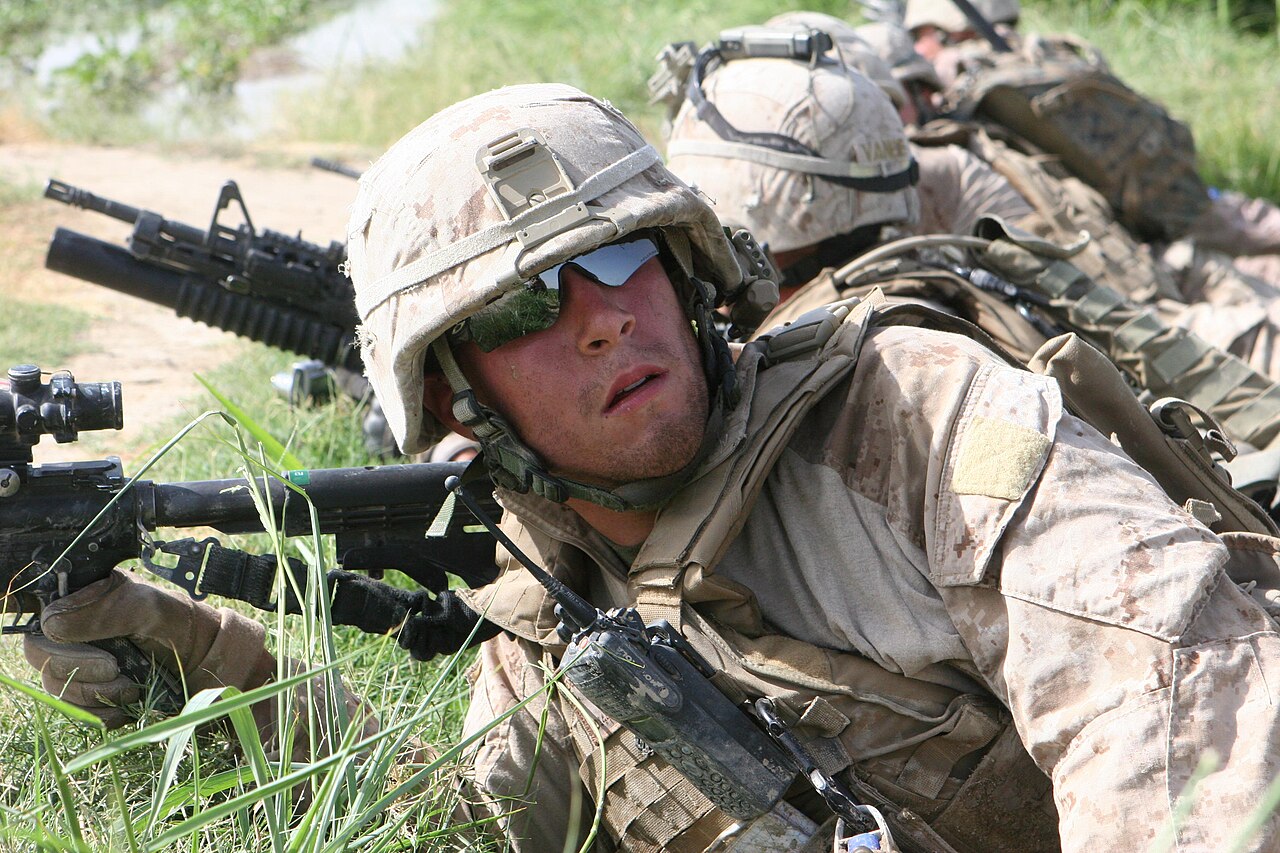
The foundation for this naval honor lies in the extraordinary actions taken by Marine Kyle Carpenter during combat operations in Marjah, located within Helmand Province, Afghanistan. In 2010, amidst intense conflict in that region, Carpenter displayed a level of bravery that ultimately earned him the Medal of Honor. His specific deeds on the battlefield were so profound that they distinguished him as the youngest living holder of this nation's highest military decoration when the ship was named. The events in Helmand Province serve as the critical historical anchor for the vessel's identity, linking a modern destroyer directly to ground combat heroism. While the ship operates at sea, its name constantly recalls the fierce reality of urban warfare and the personal sacrifices made by Marines on foreign soil to secure freedom and safety.
Engineering and Construction
The physical realization of this tribute is entrusted to General Dynamics Bath Iron Works, a premier shipyard tasked with constructing the vessel. As a Flight III variant of the Arleigh Burke class, the USS Kyle Carpenter will incorporate advanced Aegis combat systems designed for next-generation naval warfare. The announcement in early 2025 set in motion the complex engineering processes required to build this massive guided-missile destroyer. Being the 98th ship in its lineage, it represents a significant addition to the United States Navy's surface fleet capabilities. The construction efforts at Bath Iron Works will focus on integrating cutting-edge technology while maintaining the robust design standards that have defined the Arleigh Burke class for decades, ensuring the ship is ready to protect American interests globally.
Legacy of Flight III
As the planned 98th entry in the Arleigh Burke series, this destroyer signifies an important evolution in naval power projection. The designation as a Flight III model indicates that it will possess enhanced radar and missile capabilities compared to earlier iterations, reflecting the Navy's commitment to technological superiority. By naming this specific high-tech vessel after Kyle Carpenter, the Navy bridges the gap between past ground combat heroism and future maritime dominance. The ship stands as a symbol of continuity, honoring a Marine from Helmand Province while projecting strength across the world's oceans. This dual legacy ensures that the spirit of the 2010 actions in Afghanistan continues to inspire current and future generations of sailors serving aboard this state-of-the-art warship.
Gallery
More in Theaters & Locations
Elsewhere in Medal of Honor
Spotted an error? Know more?
Reader corrections go straight into our review queue. Suggest an edit · How this site is sourced