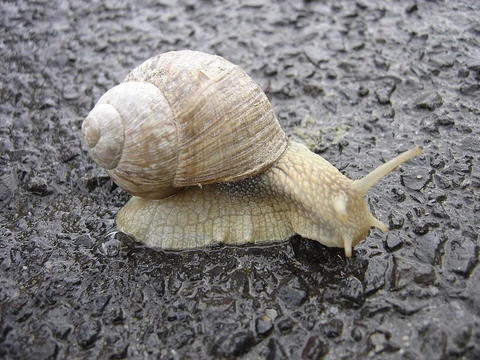
Alcyna kingensis
Endemic Bass Strait kelp-dwelling trochid snail, 5–7 mm.

Alcyna kingensis, called the King Island kelp shell, is a marine gastropod mollusk belonging to the Trochidae family, the top snails. This sea snail is endemic to Australia and is found only in the Bass Strait region, especially around King Island and northern Tasmania. It lives in shallow subtidal kelp beds at depths between 2 and 15 meters. The shell is globose-conical in shape with a complex spiral sculpture, and it reaches about 5 to 7 mm in diameter. Like other trochids, it feeds by grazing on microalgae and detritus, which helps shape coastal ecosystem dynamics. The species was first described by Petterd in 1879, using specimens collected from the eastern coast of King Island.
Quick Facts
- Taxon
- Alcyna kingensis
Facts from the source article.
Lore & Background
Alcyna kingensis was first described by Petterd in 1879 based on specimens collected from King Island's eastern coast. The shell attains a diameter of 5–7 mm and is characterized by its globose-conical shape with intricate spiral sculpture. This marine species is endemic to Australia and occurs off Tasmania, found exclusively in the Bass Strait region, particularly around King Island and northern Tasmania. It inhabits shallow subtidal kelp beds at depths of 2–15 meters. Like other trochids, A. kingensis grazes on microalgae and detritus, playing an important role in coastal ecosystem dynamics.
Reader's Guide
Alcyna kingensis, as an endemic Australian species restricted to the Bass Strait region, represents a localized component of the marine gastropod fauna. Its exclusive occurrence in shallow subtidal kelp beds around King Island and northern Tasmania highlights its specialized habitat requirements. The species' grazing on microalgae and detritus contributes to the ecological functioning of coastal kelp ecosystems. First described by Petterd in 1879 from specimens collected on King Island's eastern coast, the species has been documented in references such as Gabriel (1956) and Wilson (1993). Its small size (5–7 mm) and distinctive globose-conical shell with intricate spiral sculpture aid in identification. As a trochid, it shares the family's typical grazing behavior, underscoring its role in nutrient cycling within its limited range.
Did You Know?
- Alcyna kingensis is endemic to Australia and occurs only off Tasmania.
- Like other trochids, it grazes on microalgae and detritus.
Taxonomy & Morphology
Alcyna kingensis, widely known by its common name the King Island kelp shell, belongs to the family Trochidae, a group commonly referred to as top snails. As a marine gastropod mollusk, it occupies a well-defined place within the broader classification of sea snails. The shell itself is remarkably small, reaching only five to seven millimeters in diameter, yet it displays a distinctive globose-conical form. What sets this species apart visually is the intricate spiral sculpture that adorns its surface, giving the tiny shell a textured, almost ornamental quality despite its modest size. These morphological traits align it with other members of Trochidae while the specific combination of shape, size, and sculptural detail distinguishes it from its relatives. The species is strictly Australian in its range, making it an endemic element of the country's marine biodiversity.
Habitat & Distribution
The King Island kelp shell is restricted entirely to Australian waters, with its range centered on the Bass Strait region. Its core habitat lies around King Island and the northern coastline of Tasmania, areas where the cold, nutrient-rich waters of the strait create conditions favorable to dense kelp forests. Within these environments, A. kingensis occupies the shallow subtidal zone, typically found at depths between two and fifteen meters below the surface. It is specifically associated with kelp beds, where the complex three-dimensional structure of the seaweed provides both shelter and a rich substrate for the microorganisms the snail feeds upon. This narrow geographic and ecological niche underscores the species' endemic status; it does not occur outside this particular stretch of southern Australian coastline, making the health of these kelp habitats directly tied to the survival of the species.
Ecological Role
Within the shallow kelp communities of the Bass Strait, Alcyna kingensis fulfills a meaningful ecological function as a grazer. Like other members of the top snail family, it feeds on microalgae and detrital organic matter that accumulates on the surfaces of kelp fronds and the surrounding substrate. By consuming these microscopic algal films and particulate organic debris, the snail helps regulate the growth of biofilms and contributes to the cycling of nutrients through the benthic food web. Its activity, though small in individual scale, is part of the broader community of invertebrates that maintain the balance of coastal ecosystem dynamics in these kelp beds. The species thus represents a link between primary production in the form of microalgae and the larger trophic structure of the subtidal environment, illustrating how even a five-millimeter mollusk can play a role in the functioning of a marine habitat.
Discovery & Scientific Record
The scientific recognition of Alcyna kingensis dates back to 1879, when the malacologist Petterd formally described the species based on specimens gathered from the eastern coast of King Island. This initial description established the species in the taxonomic literature and anchored its identity to a specific locality within the Bass Strait. Subsequent research continued to document the molluscan fauna of the region; notably, Gabriel's 1956 study on molluscs collected from the southeast of King Island further contributed to understanding the diversity of marine invertebrates in this part of the strait. More recently, Wilson's 1993 comprehensive volume on Australian prosobranch gastropods included the species within a broader treatment of the group, helping to consolidate its place in the Australian marine shell record. Today, the species remains catalogued in global databases such as the World Register of Marine Species, ensuring its continued presence in the international scientific record.
Frequently Asked Questions
What is Alcyna kingensis?
Alcyna kingensis, commonly called the King Island kelp shell, is a small marine gastropod mollusk placed within the top snail family Trochidae. It is a species found exclusively in Australian waters.
Where can you find Alcyna kingensis in the wild?
This snail is endemic to the Bass Strait region of Australia, with its core range centered on King Island and the northern coast of Tasmania. It inhabits shallow subtidal kelp beds at depths of roughly 2 to 15 meters.
How large is Alcyna kingensis and what does its shell look like?
The shell measures approximately 5 to 7 millimeters in diameter and has a globose-conical profile. Its surface is marked by a detailed spiral sculpture pattern that distinguishes it from smoother-shelled relatives.
What does Alcyna kingensis feed on?
Like other trochids, it grazes on microalgae and organic detritus in its kelp-bed habitat. This grazing activity contributes modestly to the nutrient cycling and structural dynamics of coastal kelp ecosystems.
Who first described Alcyna kingensis and where was the type specimen collected?
The species was originally described by Petterd in 1879. The type locality for the name is the eastern coast of King Island in the Bass Strait.
More in Marine Snails, Part 2 1-24
Spotted an error? Know more?
Reader corrections go straight into our review queue. Suggest an edit · How this site is sourced