Altamaha-ha
A legendary creature from Muscogee tradition, said to haunt Georgia's coastal waters.

Bubba73 (Jud McCranie) · CC BY-SA 4.0
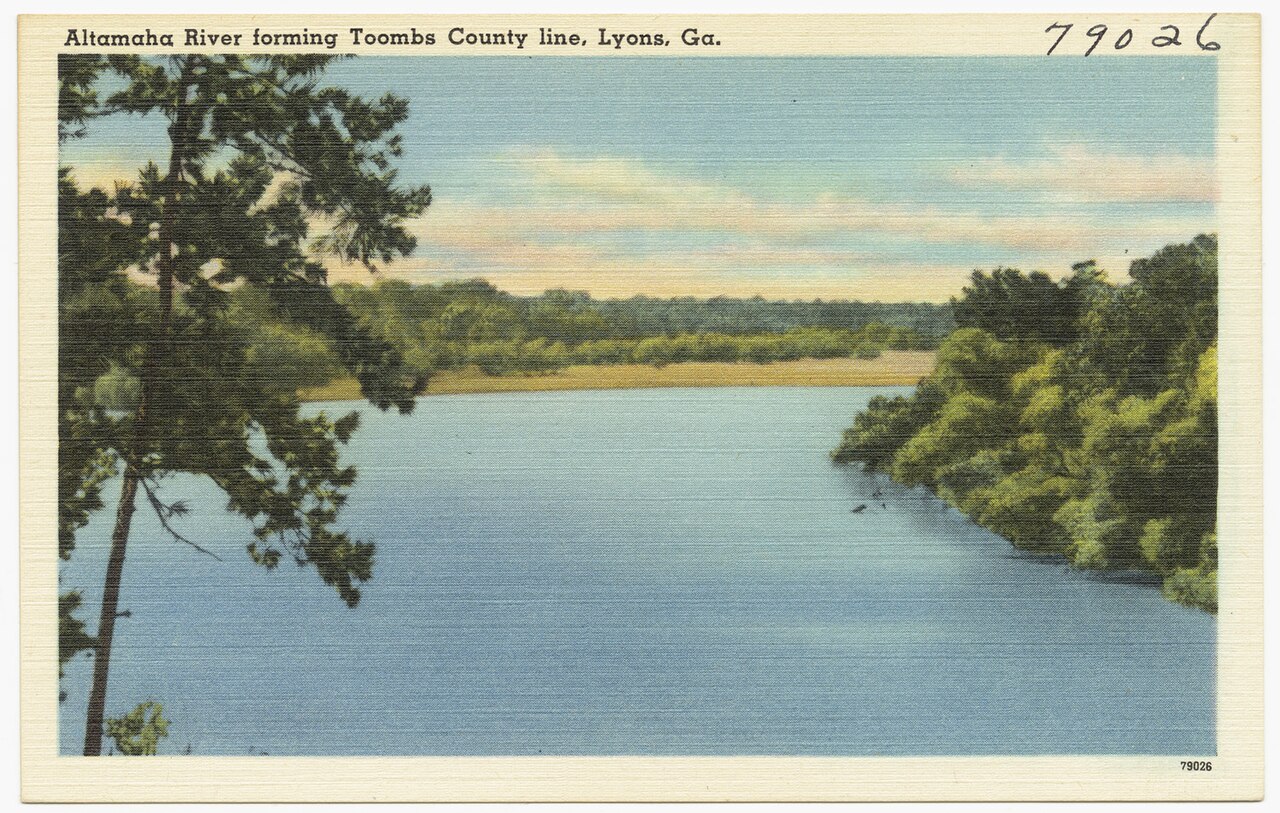
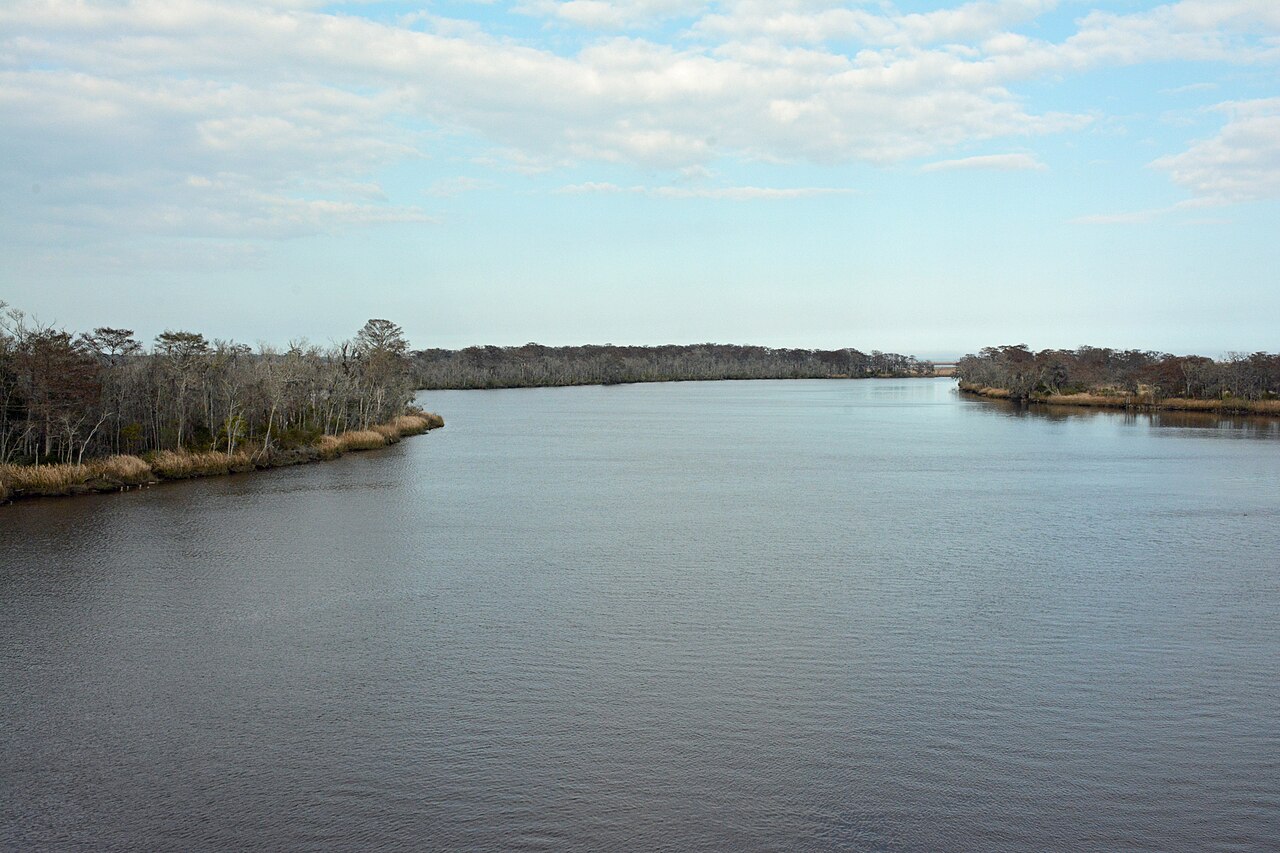
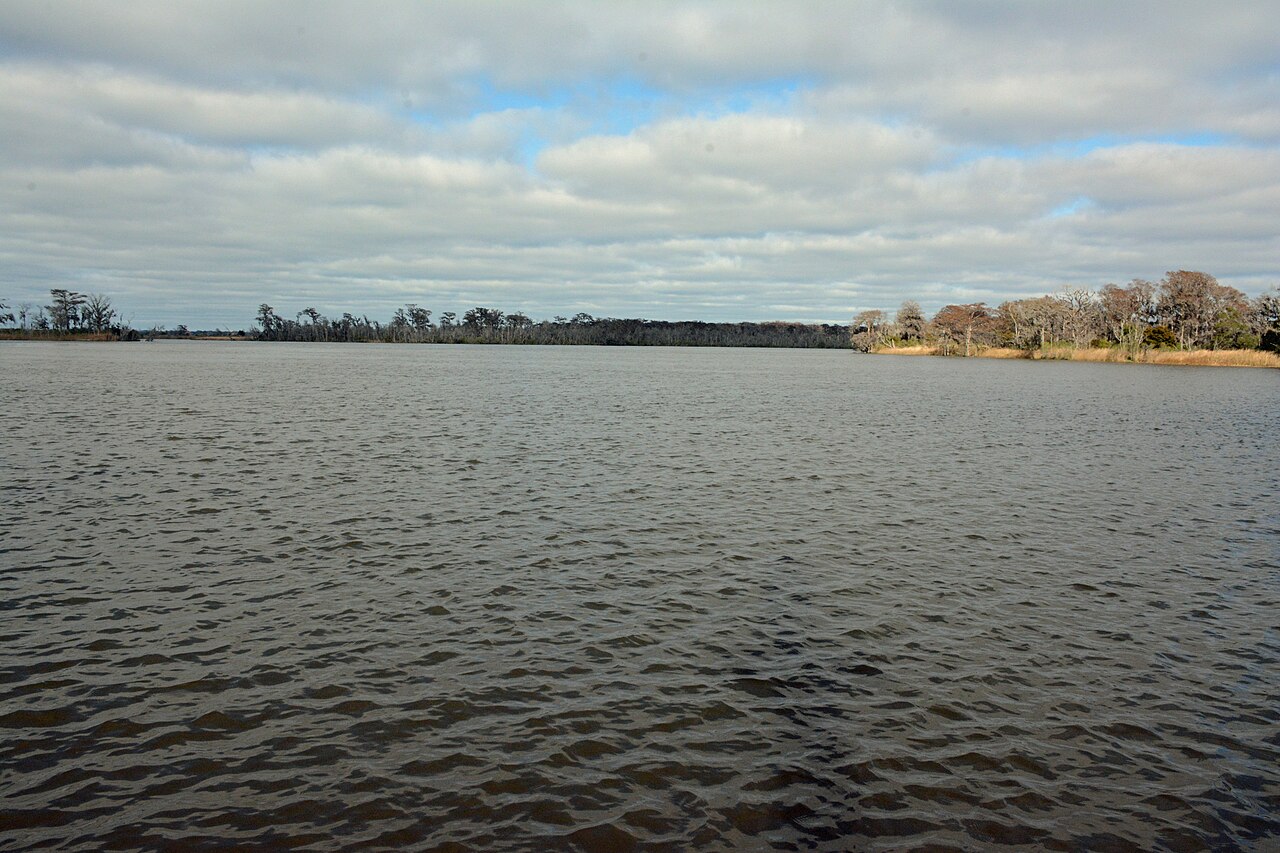
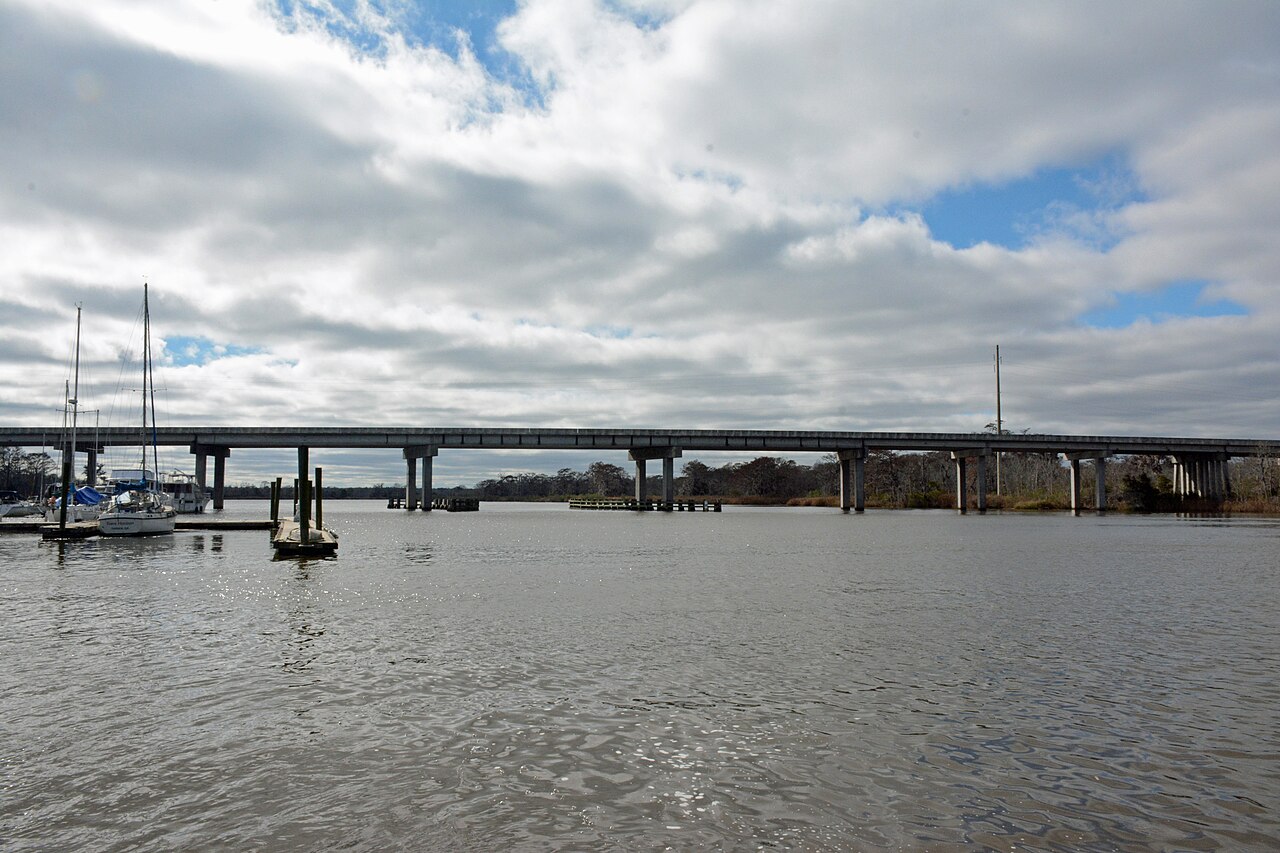
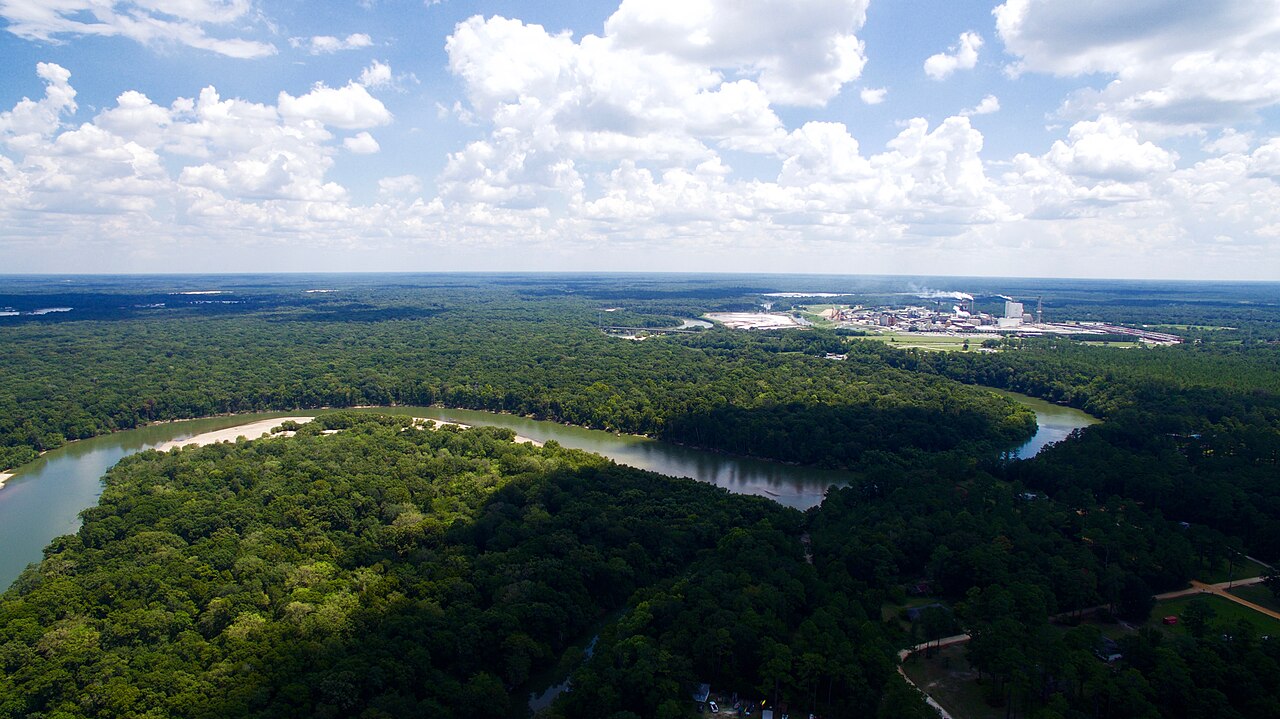
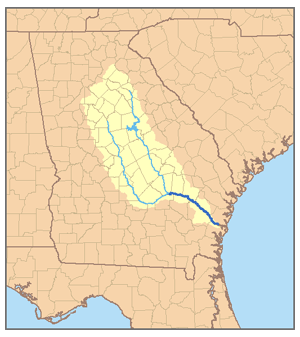
The Altamaha-ha (or Altie) is a legendary creature from Georgia folklore, said to inhabit the small streams and abandoned rice fields near the mouth of the Altamaha River in southeastern Georgia. Sightings are particularly reported around Darien and elsewhere in McIntosh County. The legend has its roots in Muscogee tradition, according to The Brunswick News.
Quick Facts
- Grouping
- River monster
- Aka
- Altie
- Similar Entities
- Loch Ness Monster, Ogopogo, Champ, Nahuelito
- Country
- United States
- Region
- Georgia
- Details
- Aquatic
Facts from the source article.
Lore & Background
The Altamaha-ha is a legendary creature alleged to inhabit the myriad small streams and abandoned rice fields near the mouth of the Altamaha River in southeastern Georgia. Sightings are particularly reported around Darien and elsewhere in McIntosh County. According to The Brunswick News, the legend has its roots in Muscogee tradition. An alligator gar has been proposed as a possible identity for recent sightings attributed to the creature.
In 2018, decomposing remains found on a beach in the Wolf Island National Wildlife Refuge caused speculation that they might be the body of an Altamaha-ha. Performance artist Zardulu later claimed responsibility for the remains, which were created out of a stuffed shark and papier-mâché. Paleoartist Rick Spears created a sculpture of Altamaha-ha, which is on display at the Darien-McIntosh County Visitor Center in Darien, Georgia.
In the videogame South of Midnight, Altamaha-ha is featured as a boss that Hazel encounters in a dark swamp. It is depicted as a large feminine siren-like creature. In her backstory, Altamaha-ha was once a slave woman named Ayotunde who worked at a paddle boat and mothered a baby named Honey. Eventually she jumped out of the boat with her child and escaped from her captors by hiding in the swamp, but in the process lost her baby. Ayotunde searched endlessly for Honey until the magic of the swamp transformed her into a fish-like monster, where she killed the paddle boat's crew and continued searching for her baby. Meanwhile, Honey also became a monster when Ayotunde hides him in an old tree, turning into a gentle golem that Hazel befriended and helped him reunite with his mother.
Reader's Guide
The Altamaha-ha is notable as a regional cryptid rooted in Muscogee tradition, with sightings concentrated around Darien and McIntosh County, Georgia. Its legend persists through local folklore and has been the subject of speculation, including the proposal that an alligator gar might account for recent sightings. A 2018 incident involving decomposing remains on Wolf Island National Wildlife Refuge initially sparked speculation that the body could be an Altamaha-ha, but performance artist Zardulu later claimed the remains were a hoax made from a stuffed shark and papier-mâché. The creature's cultural footprint extends to a sculpture by paleoartist Rick Spears, displayed at the Darien-McIntosh County Visitor Center. Additionally, the Altamaha-ha appears in the videogame South of Midnight, where it is reimagined as a siren-like monster with a tragic backstory involving a slave woman and her lost child. This adaptation demonstrates how the legend has been incorporated into modern popular culture, though the original folklore remains tied to the Muscogee tradition and the coastal environment of southeastern Georgia.
Did You Know?
- The Altamaha-ha is named after the Altamaha River in southeastern Georgia.
- In 2018, performance artist Zardulu claimed responsibility for remains thought to be the creature, which were made from a stuffed shark and papier-mâché.
- A sculpture of the Altamaha-ha by paleoartist Rick Spears is on display at the Darien-McIntosh County Visitor Center.
Geographic Roots & Folkloric Origins
The Altamaha-ha, sometimes shortened to Altie, is a creature of southeastern Georgia's waterways. It is said to dwell in the countless small streams and long-abandoned rice paddies clustered near where the Altamaha River meets the sea, and the beast takes its name directly from that river. Sightings concentrate heavily around the town of Darien and the broader McIntosh County area, giving the legend a remarkably localized, almost neighborhood-scale geography. According to The Brunswick News, the story traces back to Muscogee (Creek) oral tradition, suggesting the creature predates European settlement in the region. As for what the beast might actually be, one theory circulating in local cryptozoology circles identifies it as an alligator gar, a large prehistoric-looking fish that does inhabit Georgia waters. That explanation would account for the elongated, armored appearance described in some accounts while keeping the creature firmly within the realm of known biology rather than pure myth.
The 2018 Wolf Island Discovery
In 2018, a wave of speculation swept across the Georgia coast when decomposing remains washed up on a beach within the Wolf Island National Wildlife Refuge. Locals and online communities quickly seized on the discovery, with many suggesting the body could belong to an Altamaha-ha. The timing and location made for a compelling narrative: a mysterious creature from the region's folklore, seemingly confirmed in physical form. However, the story took a sharp turn when performance artist Zardulu stepped forward and claimed full responsibility for the remains. The artist explained that the so-called corpse was a constructed piece, fashioned from a stuffed shark combined with papier-mâché. The incident became a fascinating intersection of art, folklore, and public curiosity, demonstrating how readily a community will project its legends onto an unexplained object. Whether the stunt was intended as commentary on the Altamaha-ha myth itself or simply as a provocative art piece, it undeniably kept the creature in the public imagination for months afterward.
Sculpture & Local Cultural Identity
The Altamaha-ha has moved beyond whispered campfire stories into the realm of public art and local tourism. Paleoartist Rick Spears crafted a physical sculpture of the creature, which now stands on display at the Darien-McIntosh County Visitor Center in Darien, Georgia. This placement is significant: it anchors the legend in a specific, accessible location where visitors can see, touch, and photograph a representation of the beast. The choice of a paleoartist—someone whose work typically bridges prehistoric biology and imaginative reconstruction—adds a layer of scientific playfulness to the project, suggesting the creature occupies a space between the known and the unknown, much like the alligator gar hypothesis favored by some locals. For McIntosh County, the sculpture functions as a cultural landmark, a way to package and share a piece of regional identity that is distinctly local, tied to the rice fields, the tidal streams, and the particular light of the Georgia coast.
The South of Midnight Narrative
The most elaborate modern retelling of the Altamaha-ha appears in the video game South of Midnight, where the creature serves as a boss encounter in a dark, swampy environment. Here, the monster is reimagined as a large, feminine, siren-like being with a deeply human backstory. In the game's narrative, the creature was once Ayotunde, an enslaved woman who worked aboard a paddle boat and mothered an infant named Honey. When she leapt from the boat with her child to escape her captors, she lost Honey in the chaos. Her desperate, endless search was ultimately consumed by the swamp's magic, transforming her into a fish-like monster who killed the paddle boat's crew while continuing her futile quest. Meanwhile, Honey, hidden in an old tree, was himself transformed into a gentle golem. The game's protagonist, Hazel, befriends this golem and helps reunite the separated mother and child, layering themes of slavery, maternal grief, and supernatural transformation onto the original Georgia folklore.
Gallery
Frequently Asked Questions
What is the Altamaha-ha?
The Altamaha-ha, often shortened to "Altie," is a legendary water creature from Georgia coastal folklore. It is said to prowl the small streams and old rice paddies near where the Altamaha River empties into the sea.
Where is the Altamaha-ha said to live?
Local stories and reported sightings cluster around Darien and the wider McIntosh County area in southeastern Georgia. The creature is specifically tied to the river's mouth and the abandoned rice fields along that stretch of coastline.
What does the Altamaha-ha look like?
Tradition paints it as a large, elongated, fish-like being lurking in shallow coastal waters. Some local naturalists have proposed that modern sightings may actually be alligator gar, a real prehistoric-looking freshwater fish still found in Georgia's rivers.
What is the cultural origin of the Altamaha-ha legend?
The tale traces back to Muscogee (Creek) oral tradition, giving it one of the deepest indigenous roots among Georgia's coastal creature stories. The Brunswick News has highlighted this Muscogee lineage as the legend's primary cultural source.
Where can I see the Altamaha-ha represented in art or media?
A sculpture by paleoartist Rick Spears depicting the creature is on display at the Darien-McIntosh County Visitor Center in Darien, Georgia. The Altamaha-ha also appears as a boss encounter in the video game South of Midnight.
More in Legendary Creatures of the Indigenous Peoples of North America 1-24
Spotted an error? Know more?
Reader corrections go straight into our review queue. Suggest an edit · How this site is sourced