
Resolution (law)
A formal motion adopted by a deliberative body.
Last updated

Theoa · CC BY-SA 4.0
A resolution, also called a resolve, is a formal motion, typically in writing, that has been adopted by a deliberative body, such as a corporation's board of directors or a house of a legislature. In the corporate context, written resolutions are particularly important for authorizing significant transactions like the purchase or sale of real estate. When such a resolution is certified by the corporation’s secretary, it provides assurance to the other party that the action was properly approved. Other common corporate uses include resolutions to open bank accounts or to authorize the issuance of shares.
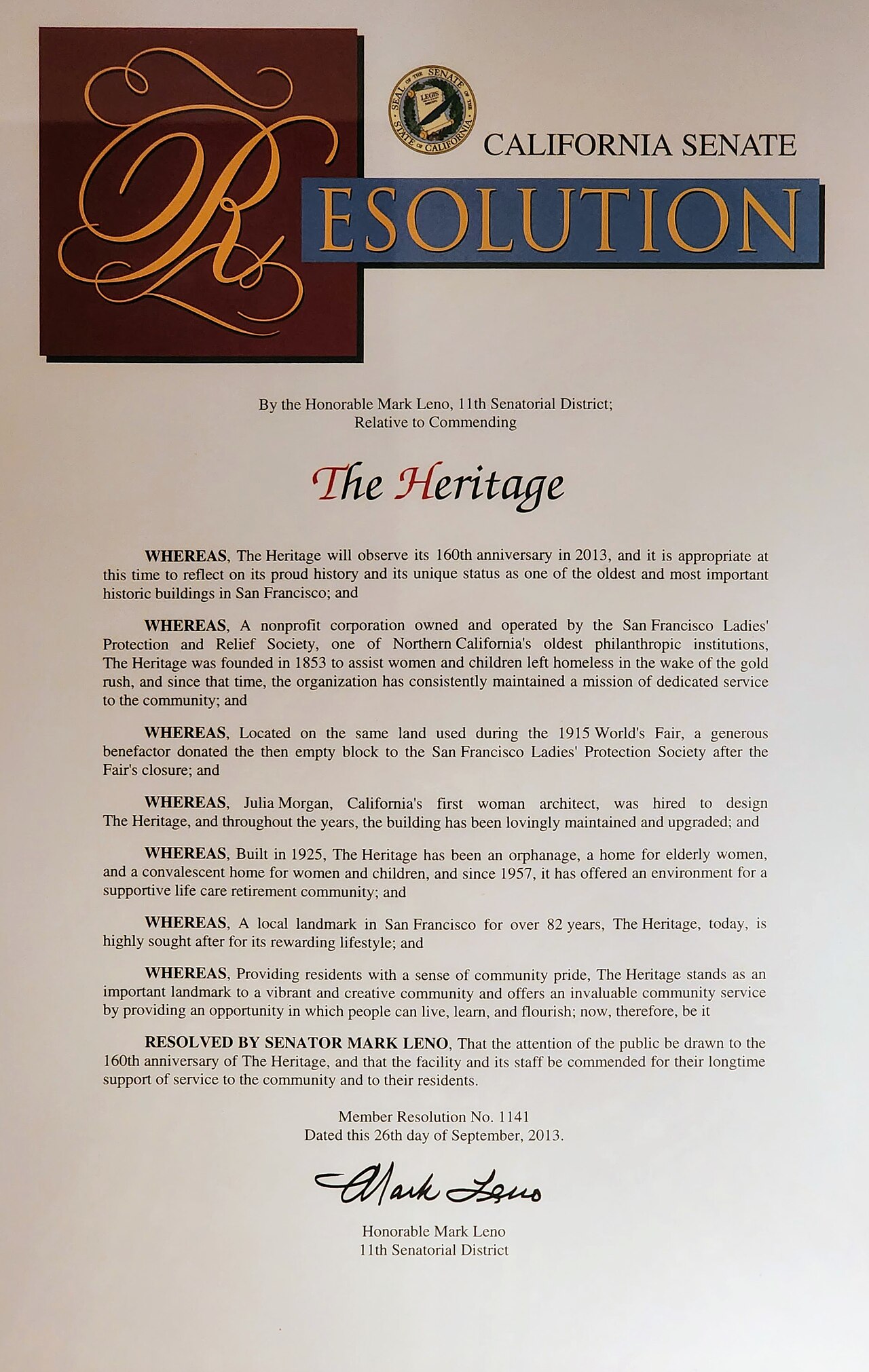
In legislative bodies, the term “resolution” generally refers to a motion that has been approved. In the United States, a resolution is a written proposal, whereas a motion is made verbally. Many resolutions adopted by a legislature are non-binding, meaning they do not carry the force of law.

These are often used to express the body’s approval or disapproval of matters outside its direct jurisdiction, such as a resolution supporting troops in battle, which provides moral support without legal weight. However, legislatures also use resolutions to exercise binding powers that are not lawmaking functions. For example, the United States Congress declares war or proposes constitutional amendments through a joint resolution. A single house may also use a resolution for its specific powers, such as the British House of Commons electing its Speaker or the U.S. House of Representatives impeaching a government officer.

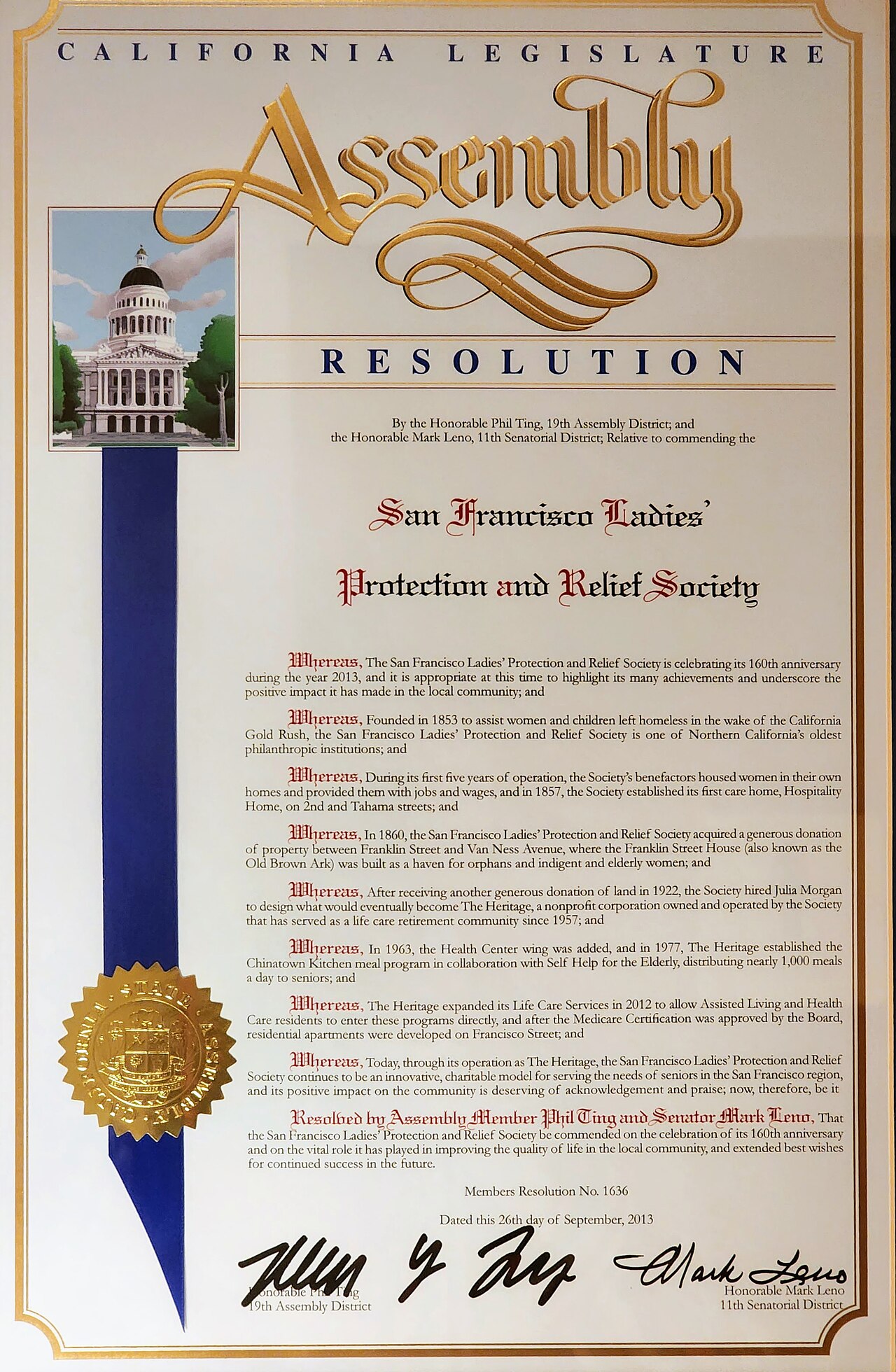
Resolutions are frequently preceded by “Whereas…” clauses that state the reasons or justifications for the action. They can be categorized as substantive, dealing with essential legal principles, or procedural, concerning the methods of making and administering those principles. Notable historical examples include the Gulf of Tonkin Resolution, the Kentucky and Virginia Resolutions, and various United Nations General Assembly and Security Council resolutions.
Quick Facts
- Field
- Law
- Types
- Non-binding
- substantive
- procedural
Facts from the source article.
Lore & Background
In corporations, a written resolution is especially useful for a board of directors when consenting to real estate purchases or sales. Such a resolution, certified by the corporation's secretary, provides assurance to the other side of the transaction that the sale was properly authorized. Other examples include resolutions approving the opening of bank accounts or authorizing the issuance of shares. In many legislative bodies, the term resolution describes a motion that has been approved.

In the United States, resolution means a proposal made in writing, while motion means a proposal made verbally. Houses of a legislature often adopt non-binding resolutions, but a legislature also uses resolutions to exercise binding powers that are not lawmaking powers, such as the United States Congress declaring war or proposing constitutional amendments by adopting a joint resolution. A house can also use a resolution to exercise its specific powers, as the British House of Commons does to elect its Speaker or as the United States House of Representatives does to impeach an officer of the government.

Reader's Guide
The concept of a resolution is fundamental to the operation of both corporate and legislative bodies. In corporations, written resolutions provide a clear record of board authorization for significant transactions, protecting the corporation and third parties. In legislatures, resolutions serve a dual purpose: they allow a body to express an opinion on matters outside its direct legislative power through non-binding resolutions, and they enable the exercise of specific constitutional powers, such as declaring war or impeaching officials.
The distinction between substantive and procedural resolutions mirrors the broader legal distinction between substantive and procedural law. Historical examples, such as the Gulf of Tonkin Resolution and the War Powers Resolution, illustrate the significant political and legal consequences that can flow from the adoption of a resolution. The term's flexibility—from a simple corporate consent to a congressional declaration of war—underscores its importance as a tool for collective decision-making.
Also in the Codexery
More in Law Enforcement & Legal Procedures
Sources
Compiled from Wikipedia and the sources listed below. Text from Wikipedia is available under CC BY-SA 4.0; this entry is adapted from it.
- Wikipedia: Resolution (law) (CC BY-SA 4.0).
Spotted an error? Know more?
Reader corrections go straight into our review queue. Suggest an edit · How this site is sourced