
Rehabilitation (penology)
Rehabilitation aims to prevent recidivism by addressing root causes of crime.
Last updated

Brainshedrach · CC BY-SA 4.0
Rehabilitation in penology is the process of re-educating criminal offenders and preparing them to re-enter society, with the goal of addressing the underlying root causes of crime to prevent recidivism. It generally involves psychological approaches targeting cognitive distortions, as well as general education like reading skills and career training.
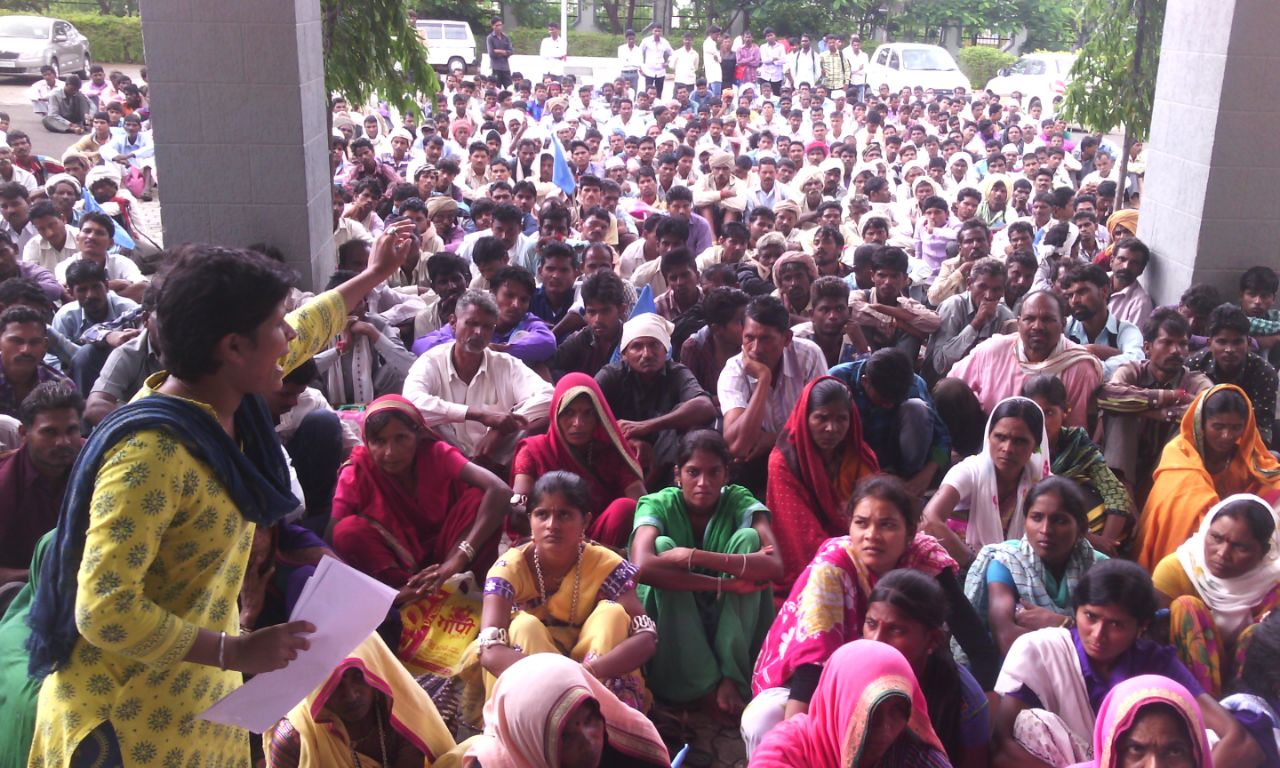
Successful rehabilitation is supported when prisoners are not held in health-threatening conditions, have access to medical care, and are protected from serious ill-treatment. Maintaining ties to the outside world, learning new job skills, and having clear legal safeguards regarding criminal records also aid the process. In some cases, chemical treatment is used, and longer prison sentences may be part of the approach.

Norway
Different regions emphasize rehabilitation to varying degrees. Norway’s system, for example, is built on normalization and moves away from retribution. Inmates have amenities like private bathrooms and flat-screen TVs, and they share kitchens and living areas to foster a sense of family.

The prison structure includes a unit for those needing psychiatric or medical care. Halden fengsel, known as the world’s most humane maximum-security prison, helps inmates secure housing and employment before release. Staff undergo three years of training.

Europe
Norway’s recidivism rates are notably low, with a reimprisonment rate of 18% after two years. In India, Vipassana meditation courses, first taught in prisons in 1975, aim to reduce anger and aggression. European penal policy, as stated by the Council of Europe and the European Court of Human Rights, emphasizes rehabilitation, particularly toward the end of long sentences, and requires a review system to ensure detention remains justified. Germany’s constitution protects personal freedom and dignity, while Italy’s constitution mandates that punishment aim at rehabilitating the condemned.

United States
The UK’s Rehabilitation of Offenders Act allows some convictions to be ignored after a period. In the United States, federal law notes that imprisonment is not an appropriate means of promoting correction and rehabilitation. Recent bipartisan reform efforts have focused on improving rehabilitation and workforce opportunities, as less than 1% of the $74 billion spent on incarceration goes to prevention and treatment.

Lore & Background
Rehabilitation methods include ensuring prisoners are not placed in health-threatening conditions, have access to medical care, maintain ties to the outside world, learn new skills, and have clear statutory regulations. In some cases, chemical treatment is used. Norway's prison system, based on the guiding principle of normalization, provides amenities like mini fridges, flat-screen TVs, private bathrooms, and outdoor access, along with shared kitchens and living areas. Halden fengsel, considered the world's most humane maximum-security prison, aids inmates with housing and employment before release.
Reader's Guide
Rehabilitation (penology) represents a shift from retribution to reintegration, as seen in Norway's low recidivism rates. The European Court of Human Rights emphasizes that punishment remains an aim, but rehabilitation is central, especially toward the end of long sentences. In the United States, less than 1% of $74 billion spent on incarceration goes to prevention and treatment. Inmate education, such as earning a GED, reduces recidivism by 14% for those under 21 and 5% for those over 21.
Substance abuse treatment programs, along with post-release support, are effective. However, psychopathy is highly correlated with recidivism, and traditional therapeutic approaches may make psychopaths more adept at manipulation. Criticisms include that rehabilitation can authorize lengthy restrictions of liberty and broaden penal control, and some programs have been found ineffective.
Did You Know?
- 18 U.S.C. § 3582(a) addresses sentence modification, but the U.S. Code does not categorically state that imprisonment is never appropriate for rehabilitation.
- There is no established peer-reviewed finding that psychopathic prisoners have a precise 2.5 times higher probability of release than undiagnosed ones.
Also in the Codexery
More in Law Enforcement & Legal Procedures
Sources
Compiled from Wikipedia and the sources listed below. Text from Wikipedia is available under CC BY-SA 4.0; this entry is adapted from it.
- Wikipedia: Rehabilitation (penology) (CC BY-SA 4.0).
Spotted an error? Know more?
Reader corrections go straight into our review queue. Suggest an edit · How this site is sourced