
Public inquiry
Official review of events or actions ordered by a government body.
Last updated

Yu Chu Chin · CC BY-SA 4.0
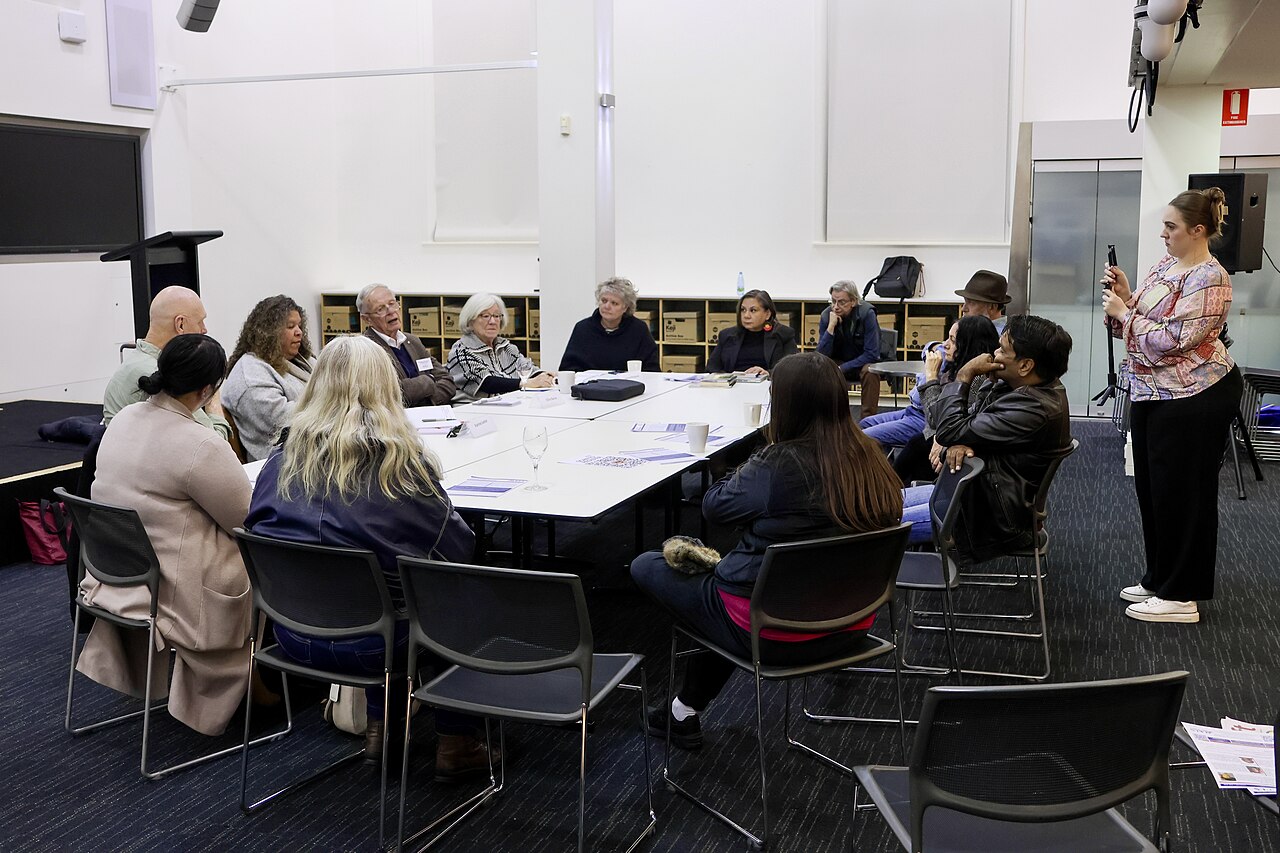
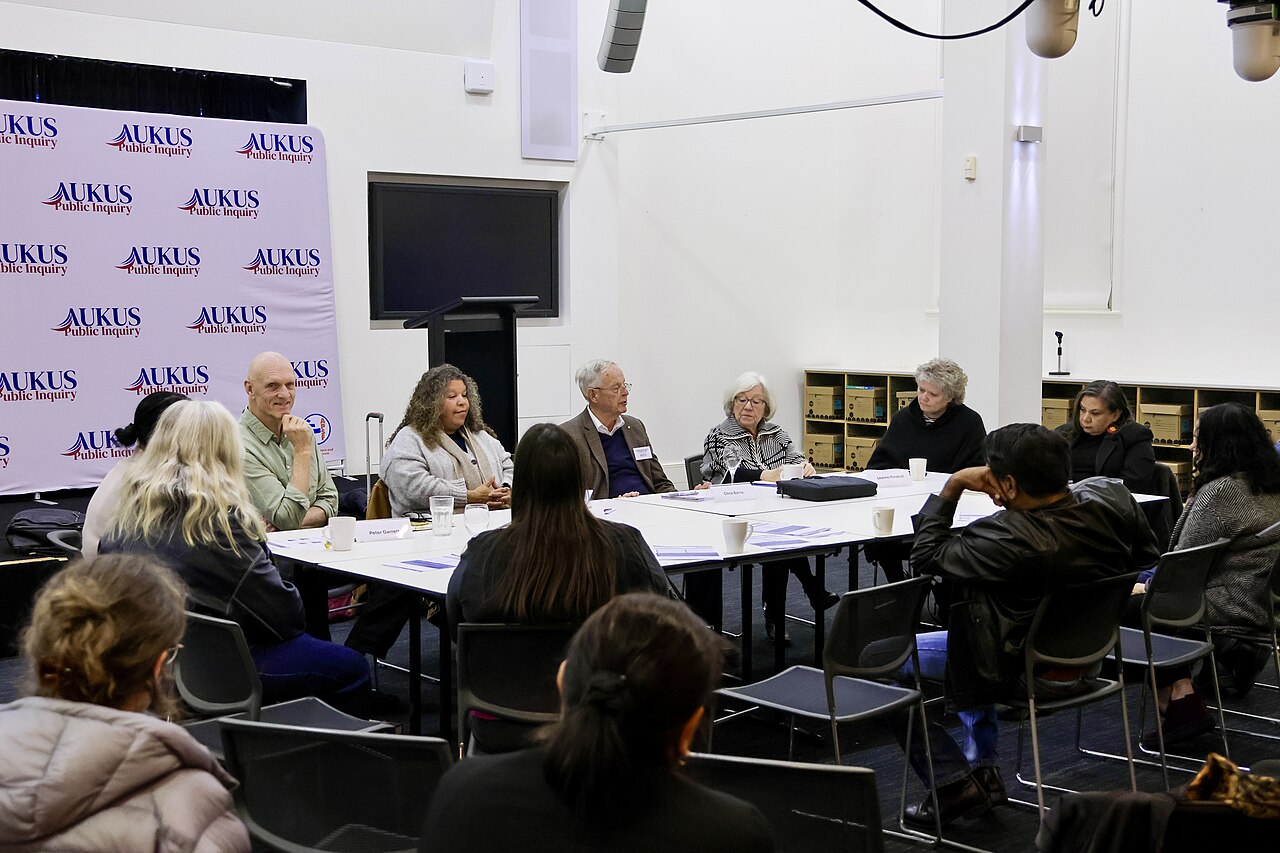
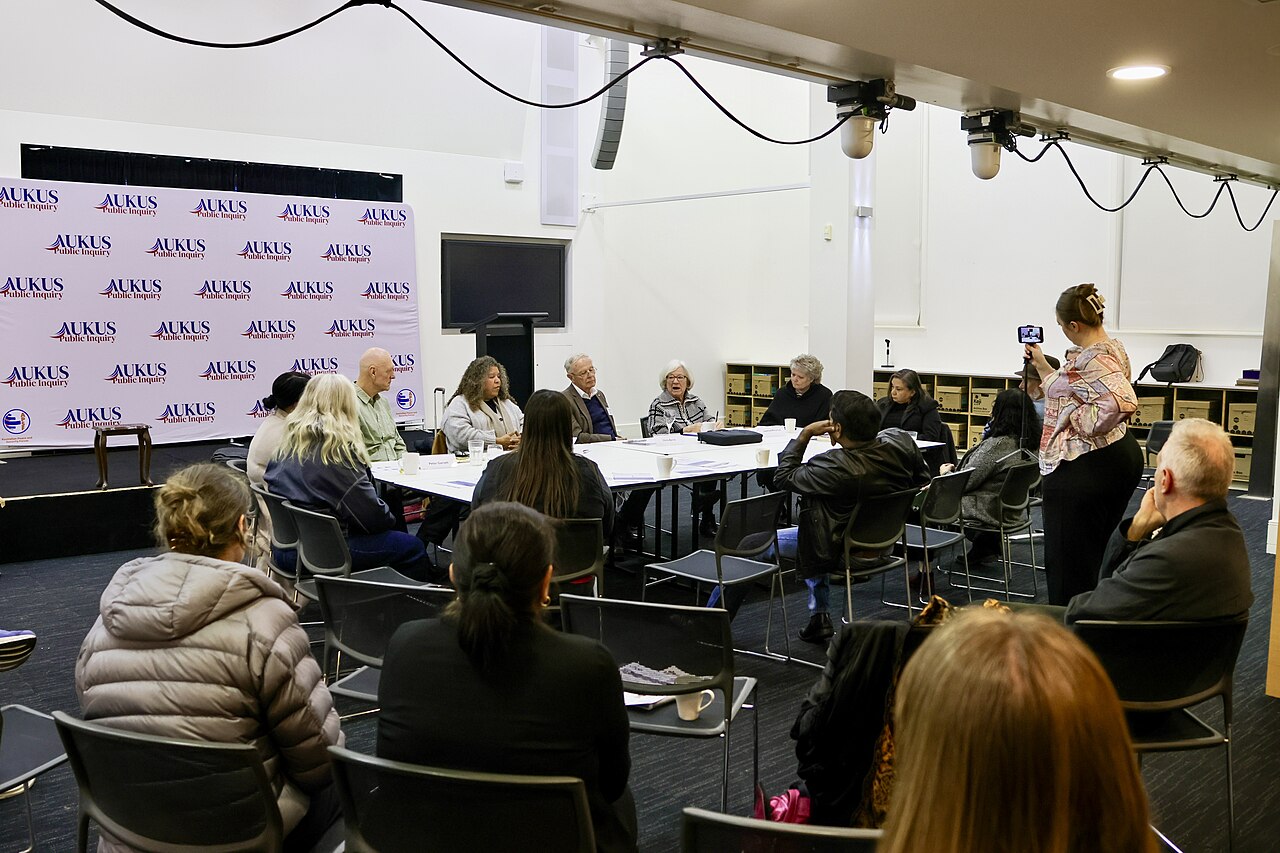
A public inquiry, also known as a tribunal of inquiry, government inquiry, or simply inquiry, is an official review of events or actions ordered by a government body, often by a parliamentary inquiry committee. In many common law countries, such as the United Kingdom, Ireland, Australia, and Canada, this type of inquiry differs from a royal commission primarily in its public nature: it accepts evidence and conducts hearings in a more open forum, focusing on a specific occurrence rather than broad policy. Interested members of the public and organisations may submit written evidence, and they can also listen to oral testimony given by other parties.
General description
Typical events that trigger a public inquiry are those causing multiple deaths, such as public transport crashes or mass murders. Advocacy groups and opposition parties frequently request inquiries on various issues, but governments typically grant only a fraction of these requests. The decision to appoint an inquiry depends on several factors: the extent of media coverage (events with more media interest are more likely to be investigated), the involvement of government ministers (allegations of ministerial blame reduce the likelihood of an inquiry), and the cost and duration of the process, which are generally higher due to its public nature.
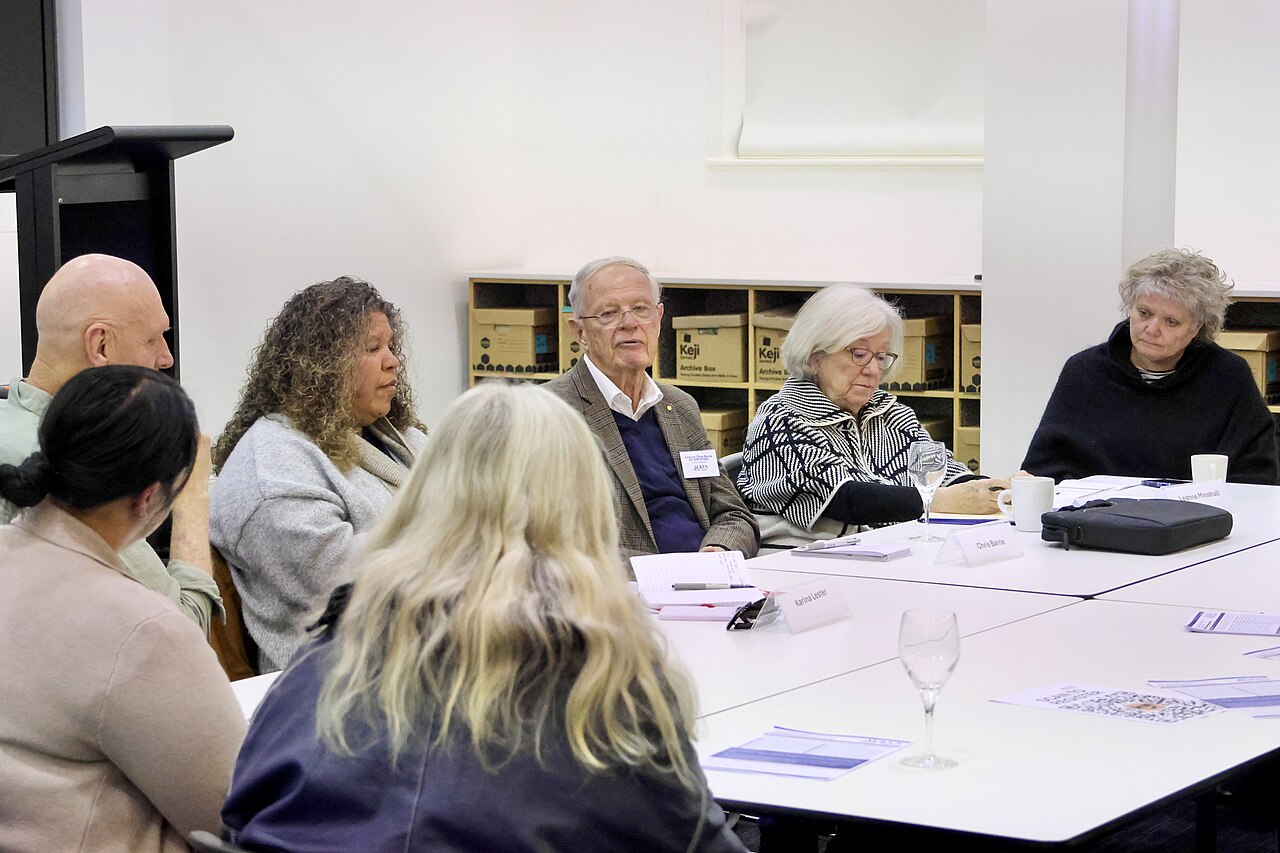
When a government refuses an inquiry, it usually cites one of these grounds. The inquiry’s conclusions are delivered as a written report, first to the government and soon made public. Reports typically recommend improvements to government or public management. However, a study found that such reports are not effective in changing public opinion about the event, nor do they reduce media attention.
South Africa
Public trust in a report tends to be high only when it is critical of the government, while reports that find no government fault often lose credibility. In France, major projects requiring compulsory acquisition of private property must undergo a public inquiry, usually led by the regional prefect, before receiving a formal declaration of public utility. In South Africa, several historically important public inquiries have been held since 1994, examining events such as systematic human rights abuses during apartheid or widespread corruption.

Quick Facts
- Known for
- Official review of events causing multiple deaths or public concern
- Typical events
- Public transport crashes, mass murders
- Output
- Written report with recommendations
- Common law countries
- United Kingdom
- Ireland
- Australia
- Canada
Facts from the source article.
Lore & Background
In many common law countries, such as the United Kingdom, Ireland, Australia, and Canada, a public inquiry differs from a royal commission in that it accepts evidence and conducts hearings in a more public forum and focuses on a more specific occurrence. Interested members of the public and organisations may make written evidential submissions and listen to oral evidence. Typical events for a public inquiry are those that cause multiple deaths, such as public transport crashes or mass murders. The political decision to appoint a public inquiry depends on the extent of media coverage, allegations of blame on the part of the relevant minister, and cost.

In France, any major project requiring compulsory acquisition of private property must be subject to a public inquiry before approval. In South Africa, historically important public inquiries have looked into national-scale events such as systematic human rights abuses during apartheid or wide scale corruption. In Hong Kong, the Commissions of Inquiry Ordinance was enacted for establishing such commissions.
Reader's Guide
The conclusions of a public inquiry are delivered in a written report, given first to the government and soon after made public. Reports usually make recommendations to improve the quality of government or management of public organisations.
A 2016 study found that reports of public inquiries are not effective in changing public opinion regarding the event in question. Empirical studies do not find support for the claim that appointing a public inquiry leads to a decline in media attention. Public inquiry reports appear to enjoy public trust only when they are critical of a government, and tend to lose credibility when they find no fault on the part of the government.
Also in the Codexery
More in Law Enforcement & Legal Procedures
Sources
Compiled from Wikipedia and the sources listed below. Text from Wikipedia is available under CC BY-SA 4.0; this entry is adapted from it.
- Wikipedia: Public inquiry (CC BY-SA 4.0).
Spotted an error? Know more?
Reader corrections go straight into our review queue. Suggest an edit · How this site is sourced