
House of Commons of the United Kingdom
Elected lower house of the UK Parliament, holding government to account.

©UK Parliament/Jessica Taylor · CC BY 3.0
The House of Commons is the lower house of the Parliament of the United Kingdom, meeting in the Palace of Westminster in London, England. It is an elected body of 650 members known as Members of Parliament (MPs), who represent constituencies under the first-past-the-post system and hold their seats until Parliament is dissolved. The government is solely responsible to the House of Commons, and the prime minister remains in office only as long as they retain the confidence of a majority of the Commons.
Quick Facts
- Background Color
- House of Commons
- Legislature
- 59th Parliament of the United Kingdom
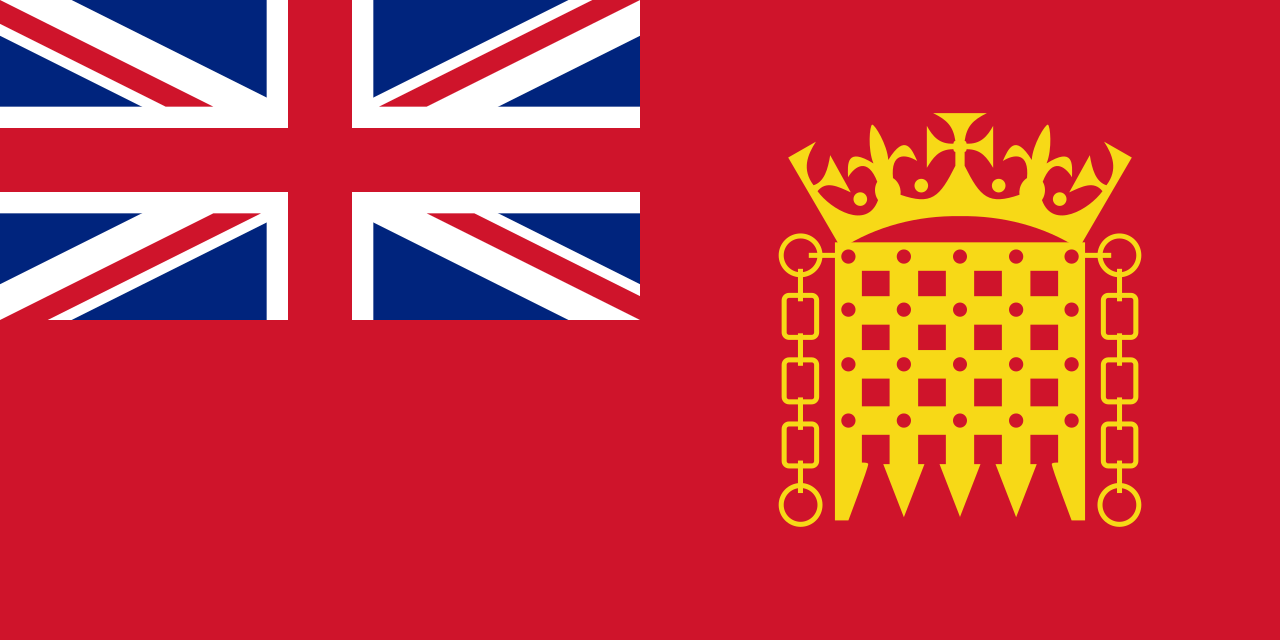
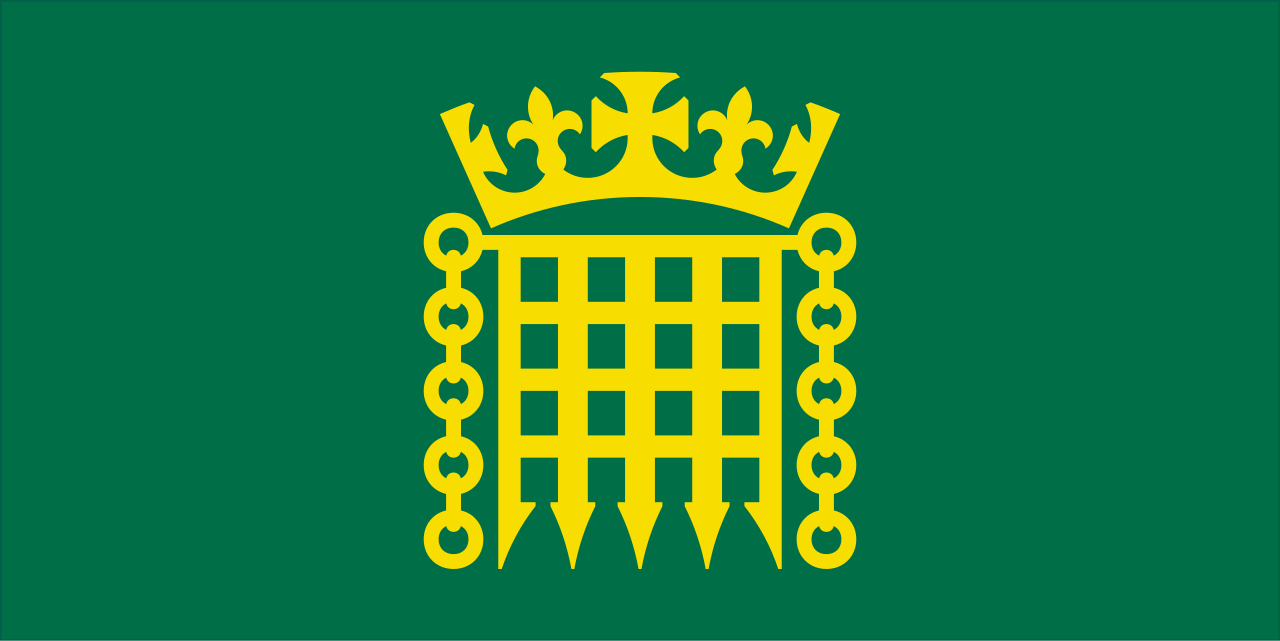
- Coa Caption
- Logo of the House of Commons
- House Type
- Lower house
Facts from the source article.
Lore & Background
By convention, ministers are members of either the House of Commons or the House of Lords. Since 1902, all but one prime minister have been members of the Commons at time of appointment; the sole exception was Alec Douglas-Home in 1963, who disclaimed his peerage three days after becoming prime minister and then won a by-election. Since 1990, almost all cabinet ministers, save for three whose offices are intrinsic to the House of Lords, have belonged to the Commons. The House formally scrutinises the government through committees and Prime Minister's Questions, which occur weekly for half an hour each Wednesday.
Reader's Guide
The House of Commons is central to the United Kingdom's constitutional framework as the elected chamber that holds the government accountable and determines the prime minister's tenure. Its legislative supremacy over the House of Lords, established by the Parliament Acts 1911 and 1949, ensures that money bills cannot be delayed by the Lords beyond one month and that other bills can ultimately become law without Lords' consent. The first-past-the-post electoral system often produces a single-party majority government, which can reduce the incentive for compromise but also enables decisive governance. The House's power to force a prime minister's resignation through no-confidence motions has been exercised only three times since 1900, but the threat of backbench rebellions can compel concessions. The scrutiny provided by select committees is considered more serious than floor debates. The House also retains the unused power of impeachment, last employed in 1806. Overall, the House of Commons remains the primary arena for democratic representation and executive accountability in the UK.
Did You Know?
- The House of Commons has 650 members, each elected by the first-past-the-post system.
- Since 1902, only one prime minister (Alec Douglas-Home in 1963) was a member of the House of Lords at the time of appointment.
- The government has lost confidence motions only twice since 1900: once in 1924 and once in 1979.
- The last impeachment by the House of Commons was that of Henry Dundas, 1st Viscount Melville, in 1805.
Historical Evolution and Constitutional Identity
The House of Commons traces its origins to the political assemblies that took shape during the 13th and 14th centuries in England. Over the centuries, its jurisdiction expanded in tandem with the political unions that reshaped the British state. In 1707, the union with Scotland transformed it into the House of Commons of Great Britain, and the 1801 union with Ireland extended its remit further. The independence of the Irish Free State in 1922 gave the body its current formal title, tied to the United Kingdom of Great Britain and Northern Ireland. A pivotal constitutional shift came through the Parliament Acts of 1911 and 1949, which stripped the House of Lords of its absolute veto and reduced its legislative role to a mere delaying mechanism. This cemented the Commons as the dominant chamber in the parliamentary system, with 650 elected members representing constituencies through the first-past-the-post method, holding their seats until dissolution.
Confidence, Accountability, and the Premiership
The House of Commons holds a uniquely powerful position over the executive branch. Although the monarch formally appoints the prime minister, the real authority rests with the chamber: the PM must retain the support of a majority of MPs or face removal. This principle is enforced through explicit confidence and no-confidence motions, where the House votes on whether it trusts the sitting government. The annual Budget has long been treated as a confidence matter, meaning a government that loses that vote must either resign or call a general election. The leader of the second-largest party automatically becomes the Opposition leader, ensuring a structured alternative. Since the Dissolution and Calling of Parliament Act 2022, Parliament sits for up to five years, though the PM may still seek earlier dissolution with the monarch's permission. As of mid-2024, only five of the last twelve prime ministers entered office directly through a general election; the rest assumed the role after their own party's leader stepped down.
Ministerial Composition and the Commons–Lords Divide
A long-standing convention dictates that cabinet ministers must sit in either the Commons or the Lords, though a small number have been appointed from outside Parliament entirely, typically entering through a by-election or receiving a peerage. Since 1902, every prime minister has been a member of the Commons at the moment of appointment, with one notable exception: in 1963, Alec Douglas-Home, the 14th Earl of Home, briefly held the premiership as a peer before disclaiming his title and winning a by-election in Scotland. Since 1990, the overwhelming majority of cabinet ministers have been Commoners, with only three positions—Lord Privy Seal, Lord Chancellor, and Leader of the House of Lords—traditionally reserved for peers. Notable peer ministers in recent decades include David Cameron as Foreign Secretary (2023–2024), Peter Mandelson as Business Secretary (2008–2010), and Baroness Morgan of Cotes as Culture Secretary (2019–2020). The elected, accountable nature of Commoners is seen as reinforcing ministerial responsibility and transparency.
Scrutiny Mechanisms and Parliamentary Term
The Commons exercises its oversight function primarily through standing committees and the weekly session of Prime Minister's Questions, during which MPs direct pointed inquiries at the head of government. Additional opportunities exist for members to question other cabinet ministers, creating a regular rhythm of accountability. The chamber's structural power is reinforced by its elected character: 650 MPs are chosen by constituents under the first-past-the-post system and serve until Parliament is dissolved, giving them a direct democratic mandate that the unelected Lords lack. The 2022 Act restored the PM's ability to dissolve Parliament before the five-year maximum, reversing the Fixed-term Parliaments Act of 2011 and returning to a more flexible, historically rooted system. This combination of elected representation, structured questioning, and the power to withdraw confidence makes the Commons the central engine of British democratic governance, meeting alongside the Lords in the Palace of Westminster in London.
Gallery
Frequently Asked Questions
What is the House of Commons of the United Kingdom?
It is the elected lower chamber of the UK Parliament, made up of 650 Members of Parliament who each represent a single constituency. It has existed in some form since the 13th or 14th century and currently operates in the shape established in 1922.
How does the House of Commons hold the government to account?
The government is answerable solely to the Commons, and the prime minister stays in office only while retaining the confidence of a majority of its members. If that confidence is lost, the government must fall or call a new election.
How are the 650 MPs in the House of Commons elected?
Each MP is chosen through the first-past-the-post system, in which the candidate who polls the most votes in a given constituency wins the seat. Once elected, an MP holds that seat until Parliament is dissolved.
What legislative powers does the House of Commons hold over the House of Lords?
Under the Parliament Acts of 1911 and 1949, the Commons can enact legislation even when the Lords withhold their approval, making it the supreme legislative chamber. This gives it decisive authority over the upper house in lawmaking.
Where does the House of Commons meet?
It convenes in the Palace of Westminster, the Gothic Revival building in the City of Westminster, London, that is popularly known as the Houses of Parliament. This has been its meeting place for centuries.
More in Governments And Political Systems 1-23
Spotted an error? Know more?
Reader corrections go straight into our review queue. Suggest an edit · How this site is sourced