
Hormigueros, Puerto Rico
Town and municipality in western Puerto Rico, known for its basilica.

Yarfpr · CC BY-SA 4.0
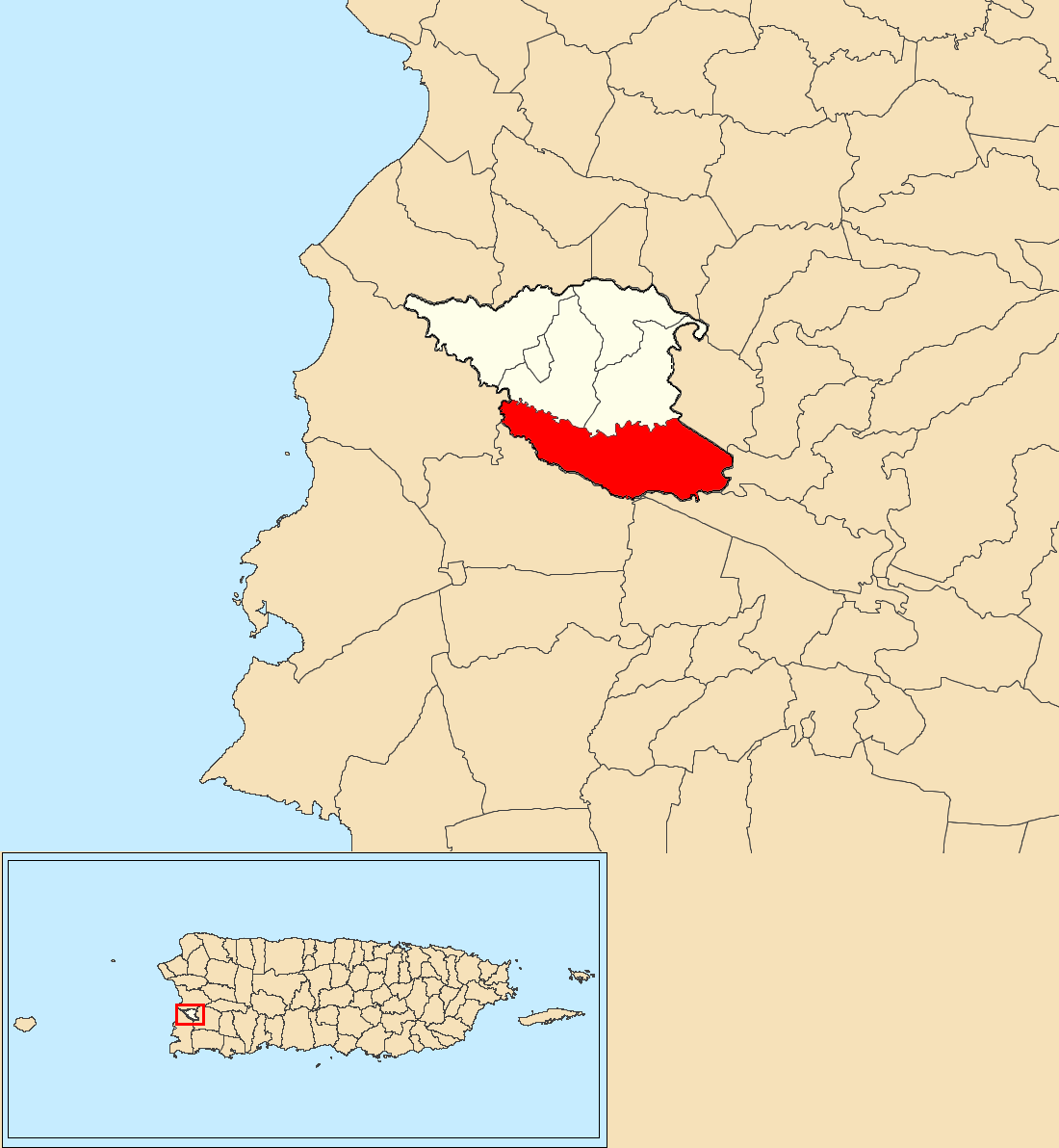
Hormigueros is a town and municipality in western Puerto Rico, situated northeast of Cabo Rojo, northwest of San Germán, and south of Mayagüez. It belongs to the Mayagüez Metropolitan Statistical Area and is divided into five barrios plus Hormigueros Pueblo, the downtown and administrative center.
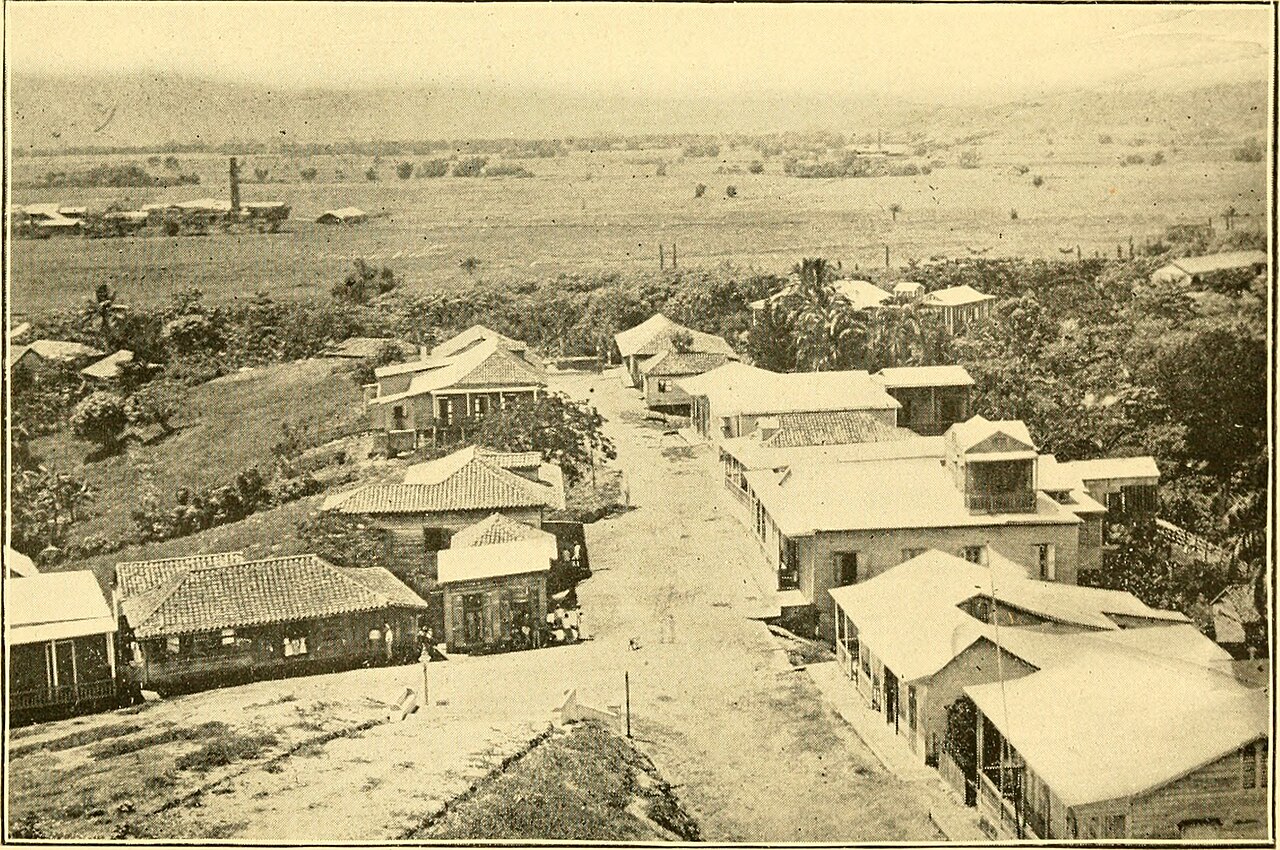
The area was originally part of the Guaynia region in the island’s southwest. Archaeological evidence shows tribes lived there as early as 820 BC. Spanish colonizers arrived in the early 1500s, and a coffin found beneath the basilica dates to the late 16th or early 17th century. The Horomico River was a source of water and resources during that era. In 1692, the settlement was first established as a village of San Germán, founded by Giraldo González de la Renta. After repeated petitions from 1863 to 1873, Hormigueros became an independent municipality on April 1, 1874, with Narciso Oller Serra as its first mayor.
Following the Spanish-American War, Puerto Rico was ceded to the United States in 1898. A U.S. War Department census that year recorded Hormigueros’s population at 3,215. After the American invasion, the town was annexed to Mayagüez by order of Guy V. Henry, though historian Adolfo de Hostos noted it was a local petition. Hormigueros regained its independence in 1914, despite further annexation attempts in 1928–29. On September 20, 2017, Hurricane Maria struck, affecting 651 residences and causing landslides.
Local folklore explains the importance of the Basílica Menor de la Virgen de Monserrate. The story goes that the founder’s eight-year-old daughter, with blue eyes, disappeared. After 15 days, she was found unharmed, not hungry, and unafraid, saying a black woman had helped her. Geraldo and the townspeople believed this was the Virgin of Montserrat, and he vowed she would be venerated forever. Pilgrimages to the site began as early as the 17th century. Another miracle involved a bull that, when Geraldo prayed, either bent its knees and bowed its head or had its legs break, preventing an attack. Since then, some Catholics perform penance by walking the church steps on their knees.
Geographically, Hormigueros has three zones: a northern mountainous area covering a quarter of the town, a semi-mountainous region running east to west through downtown, and a southern flat valley spanning 5.6 square miles.
Quick Facts
- Native Name
- es · Municipio Autónomo de Hormigueros
- Settlement Type
- Town and Municipality
- Flag Alt
- Flag of Hormigueros
- Nicknames
- "El Pueblo de Nuestra Señora de la Monserrate", "El Pueblo del Milagro", "Los Peregrinos", "Corazón del Oeste"
- Anthem
- "Sobre un verde valle de mi linda Borinquén"
- Established Title
- Indigenous settlement
- Established Date
- 820 BC
Facts from the source article.
Lore & Background
The region of Hormigueros belonged to the Guaynia area, with tribes present around 820 BC. During Spanish colonization in the early 16th century, European settlers arrived, and the Horomico River provided water and resources. In 1692, Giraldo González de la Renta founded the settlement as a village of San Germán. After petitions from 1863 to 1873, Hormigueros became an independent municipality on April 1, 1874, with Narciso Oller Serra as first mayor. Following the Spanish–American War, Puerto Rico was ceded to the United States in 1898. In 1899, the U.S. Department of War census recorded a population of 3,215. After the American invasion, Hormigueros was annexed to Mayagüez by order of Guy V. Henry, but regained independence in 1914.
Reader's Guide
Hormigueros is significant for its long history of settlement, its role in the gold rush era, and its repeated struggles for municipal independence. The town's folklore centers on the Basílica Menor de la Virgen de Monserrate, which became a pilgrimage site after two miracles attributed to Giraldo González de la Renta: a bull bowing its head instead of attacking him, and the safe return of his lost daughter, who said a black woman helped her, interpreted as the Virgin of Montserrat. The basilica remains a key cultural and religious landmark. Economically, Hormigueros saw development from Allergan, Inc. in the 1980s and 90s, but after its departure no other private industry opened. The municipality is one of the least populated, with a population that more than doubled since the 1950s. Hurricane Maria in 2017 affected 651 residences and triggered landslides. The town's flag and coat of arms incorporate symbols of the Virgin of Montserrat.
Did You Know?
- The name Hormigueros means 'anthill' in English.
- A coffin found underground the basilica was dated prior to 1600.
- The town was annexed to Mayagüez after the American invasion of 1898, then regained independence in 1912.
- Hurricane Maria struck on September 20, 2017, affecting 651 residences and triggering landslides.
Founding & the Long Road to Independence
The region that would become Hormigueros has deep roots, with archaeological evidence showing tribal settlement dating back to approximately 820 BC in what was known as the Guaynia region. European colonizers arrived in the early 16th century, and a coffin discovered beneath the basilica has been dated to before 1600. The Horomico River was noted by historians as a significant source of gold during the colonial era. In 1692, Giraldo González de la Renta established the settlement as a village under San Germán. For over eight decades, residents lived under San Germán's municipal authority until they finally won independence on April 1, 1874, with Narciso Oller Serra serving as the first mayor. The political landscape shifted again after the 1898 Spanish-American War, when the United States took control. Under Guy V. Henry's administration, Hormigueros was annexed to Mayagüez, though residents regained their separate municipal status in 1912, despite further annexation attempts in the late 1920s.
The Legend of the Virgin of Montserrat
The spiritual heart of Hormigueros is inseparable from a legend tied to its founder. According to local tradition, Giraldo González de la Renta experienced a miraculous encounter with a savage bull that was about to attack him; upon praying, the beast knelt and bowed its head, sparing his life. Some versions claim the bull's legs broke, rendering it unable to charge. The more famous tale involves his eight-year-old daughter, described as having eyes as blue as turquoise skies, who vanished for fifteen days. When she was found, she was unharmed, unafraid, and not hungry, and she joyfully explained that a black woman had cared for her. Giraldo and the townspeople interpreted this figure as the Virgin of Montserrat, and he vowed she would be venerated for all ages. Word spread, and pilgrims began traveling to the site as early as the 17th century. Today, the Basílica Menor de la Virgen de Monserrate remains a destination for devotion, and many Catholics perform penance by climbing its steps on their knees.
Three Landscapes in One Small Town
Hormigueros occupies a position in western Puerto Rico, situated northeast of Cabo Rojo, northwest of San Germán, and south of Mayagüez, placing it within the Mayagüez Metropolitan Statistical Area. The municipality is divided into five barrios plus the central downtown area known as el pueblo, where municipal buildings, the central square, and the large Catholic church are concentrated. The landscape is strikingly varied across three distinct zones: a northern mountainous region covering roughly a quarter of the town with hills of moderate elevation; a semi-mountainous band stretching east to west through the downtown core; and a flat valley region extending southward that spans 5.6 square miles. The climate is consistently hot and humid, with average temperatures ranging between 72 and 79 degrees Fahrenheit. This geographic diversity means residents experience markedly different terrain within a single small municipality. The town's natural setting also made it vulnerable to extreme weather; Hurricane Maria in September 2017 affected 651 residences and triggered landslides through its combined force of wind and heavy rainfall.
A Year Round Cultural Calendar
Hormigueros maintains one of the most densely packed cultural calendars among Puerto Rico's smaller municipalities, with a distinct celebration or event in nearly every month. The centerpiece is the Fiestas Patronales Virgen de la Monserrate in September, a religious and cultural festival featuring parades, games, artisan displays, amusement rides, regional cuisine, and live entertainment. The year opens with the Three Kings' Day Festival in January, followed by an evening of poetry and music dedicated to love and friendship in February, a Cultural Meet in March, and the Town Anniversary in April. May brings both a celebration honoring Ruiz Belvis and a poetry and music evening for mothers, while June offers a similar tribute for fathers. July hosts a Youth Festival, August features the selection of the Patron Saint's Festival queen, and September also includes the Segundo Ruiz Belvis Marathon. November marks Puerto Rican Culture Day, the first Saturday after Thanksgiving sees the Christmas tree lighting, and December closes the year with traditional caroling known as Aguinaldos.
Gallery
Frequently Asked Questions
What is Hormigueros, Puerto Rico?
Hormigueros is a town and municipality in the western part of Puerto Rico that first appeared as a village under San Germán in 1692. It was granted full municipal independence on April 1, 1874.
Where exactly is Hormigueros located on the island?
The municipality sits northeast of Cabo Rojo, northwest of San Germán, and directly south of Mayagüez in western Puerto Rico. It is part of the Mayagüez Metropolitan Statistical Area.
How far back does the history of the Hormigueros area go?
Archaeological remains show indigenous tribes occupied the region as early as 820 BC, when it belonged to the Guaynia zone in the island's southwest. Spanish colonists arrived in the early 1500s, and a coffin unearthed beneath the local basilica dates to the late 16th or early 17th century.
What is Hormigueros most recognized for?
The town is best known for its basilica, a prominent religious landmark that anchors the community's identity. It also carries historical significance as one of the older settlements in western Puerto Rico.
How is Hormigueros organized and who led it first?
The municipality comprises five barrios plus Hormigueros Pueblo, which functions as the downtown and administrative seat. Narciso Oller Serra served as its first mayor, and the population grew from 3,215 in 1899 to 16,614 by the 2000 census.
More in Latin American folklore 1-24
Spotted an error? Know more?
Reader corrections go straight into our review queue. Suggest an edit · How this site is sourced