
Francisco el Hombre
Legendary Vallenato juglar who defeated the devil in a piqueria.

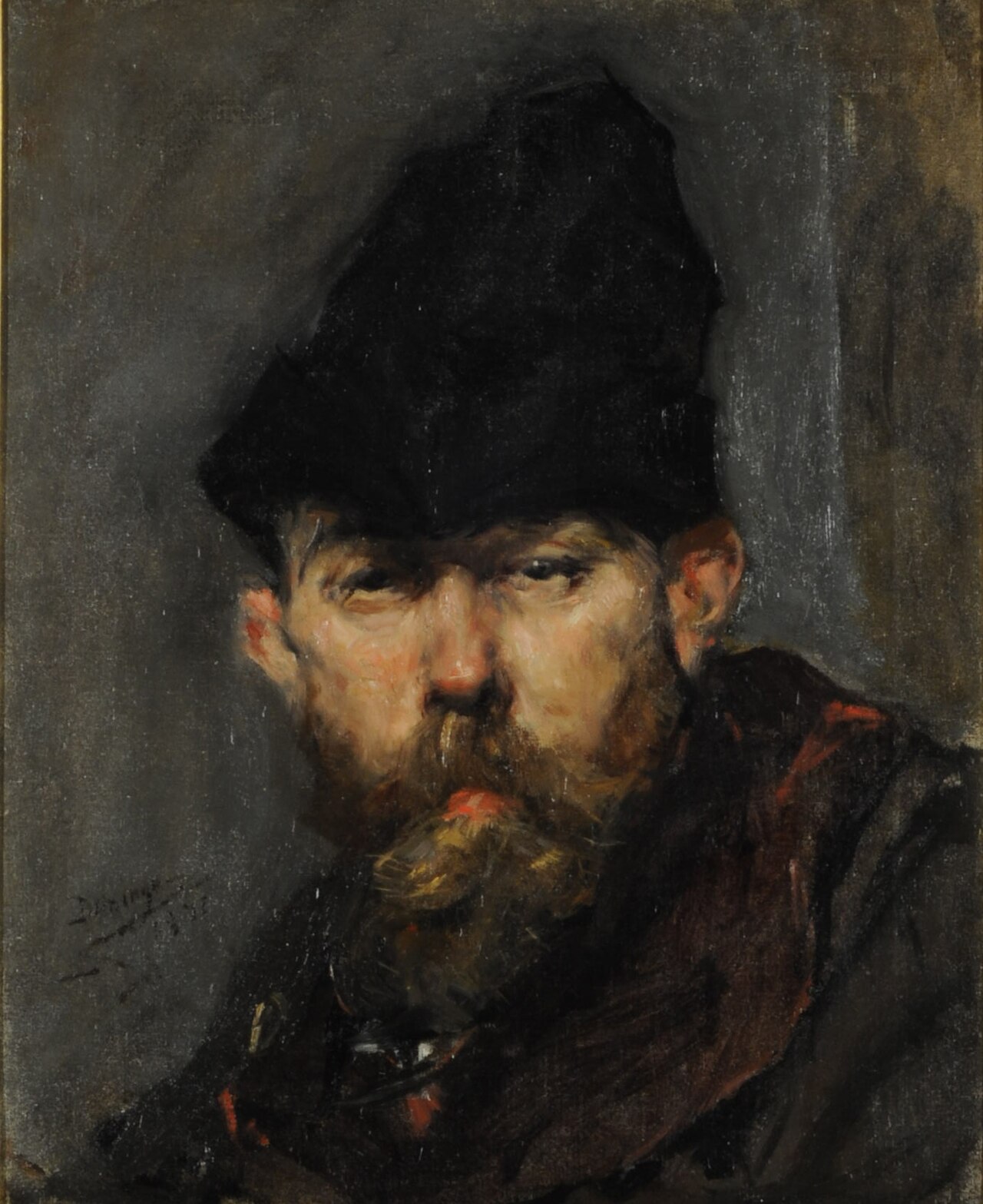
Francisco Domingo Marqués · Public domain
Francisco el Hombre (Francisco the Man) is a legendary figure in Colombian folklore, representing the archetype of a juglar (minstrel or jester) who plays Vallenato, a traditional Colombian music genre. The story of Francisco el Hombre blends myth and historical fact, and his image has deeply permeated Colombian culture, particularly in the Caribbean Coast region.
Quick Facts
- Birth Place
- Colombia
- Known For
- Colombian folklore character
Facts from the source article.
Lore & Background
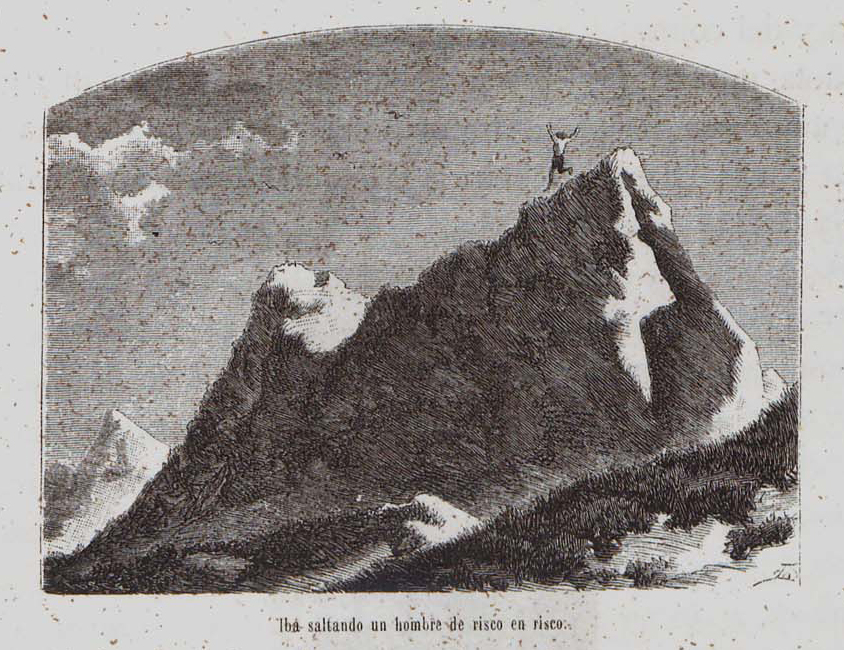
According to legend, Francisco traveled throughout Colombia, winning every piqueria he entered. One night while walking and playing his accordion, he noticed that every tune he played was answered by a better one from afar. After hours of searching in the darkness, a ray of moonlight revealed his opponent to be Satan himself. The devil played a song so powerful that it extinguished the moon and stars, leaving only his burning eyes as light. Francisco fell to his knees, signed the cross, and prayed the Apostles' Creed forwards and backwards. He then played the most beautiful melody ever heard, causing the moon and stars to return. The devil screamed and fled into the mountains, and Francisco earned the title 'el Hombre' (the Man).
Reader's Guide
Francisco el Hombre is a central figure in Colombian folklore, embodying the tradition of the Vallenato juglar and the competitive piqueria, a freestyle showdown comparable to rap battles but with accordion playing. The legend reinforces the cultural importance of Vallenato, which originated in the Valle de Upar and is integral to Colombia's Caribbean Coast identity. The story's blend of myth and possible historical basis—either Francisco Moscote Guerra or Francisco Rada Batista—underscores the genre's deep roots. The world's largest Vallenato festival, the Festival de la Leyenda Vallenata, is held in Valledupar, and another major festival is named Festival Francisco el Hombre. Statues and sculptures of him appear across Colombia, cementing his legacy as a symbol of musical skill and triumph over evil.
Did You Know?
- The legend of Francisco el Hombre involves a piqueria, a freestyle competition between Vallenato juglares comparable to a rap battle.
- The devil was revealed by a ray of moonlight during the legendary duel.
- Francisco Rada Batista is not credited with inventing the Vallenato subgenre known as 'son'; the son predates him and no single person is credited with inventing it.
The Cultural Soil: Vallenato and the Piqueria
Vallenato music sits at the heart of Colombian identity, particularly along the Caribbean Coast, and its roots stretch back to the Valle de Upar, a valley whose name literally gives the genre its title—valle meaning valley and nato meaning born. The accordion stands as the genre's signature instrument, and around it has grown a rich tradition of musical competition known as the piqueria. In a piqueria, two juglares—traditional minstrels or jesters—face off in a freestyle showdown. Each player must demonstrate superior accordion technique while simultaneously delivering improvised verses that challenge, mock, and insult the opponent. The format bears a striking resemblance to the rap battles of American hip-hop culture, except that the verbal sparring is layered over live accordion performance. The well-known track La Gota Fría, often cited as a classic example of a piqueria vallenata, captures this blend of technical virtuosity and lyrical aggression. It is within this competitive, oral tradition that the figure of Francisco el Hombre finds his natural stage.
The Mythic Duel with the Devil
According to the legend, Francisco roamed the towns of Colombia, entering piqueria after piqueria and emerging victorious each time. One evening, while on the road, he unslung his accordion and began playing and singing to pass the hours. Almost immediately, he noticed that every phrase he produced was echoed back by a superior melody drifting in from somewhere unseen. For what felt like hours, he wandered the darkness, straining to locate his rival. Then a shaft of moonlight pierced the clouds and illuminated his opponent: Satan himself. The devil unleashed a song of such devastating power that the moon and stars were extinguished, leaving only his own burning eyes to cast light across the night. Recognizing the stakes, Francisco dropped to his knees, gazed upward, traced the sign of the cross, and recited the Apostles' Creed both forward and in reverse. Rising, he played what is described as the most beautiful melody ever to sound. The stars and moon blazed back into the sky. The devil shrieked and vanished into the mountains, and Francisco walked away crowned with the title el Hombre—the Man.
Two Men, One Legend: The Historical Candidates
Scholars and cultural institutions remain divided over which real musician inspired the Francisco el Hombre myth, though two names dominate the discussion. The first is Francisco Moscote Guerra, a celebrated Vallenato performer from the town of Plato in Magdalena department. His fame reached such heights that Gabriel García Márquez wove him into One Hundred Years of Solitude, portraying him as a nearly two-hundred-year-old wanderer who regularly passed through the fictional village of Macondo, spreading the songs he had composed himself. Colombia's Ministry of Culture identifies Moscote Guerra as the most likely historical source of the legend. The second candidate is Francisco Rada Batista, widely known as Pancho Rada (1907–2003). A genuinely legendary figure in Vallenato history, Rada is credited with transforming the genre over the course of his career and with creating the subgenre called son. The 2000 documentary The Devil's Accordion champions Rada as the true namesake, adding fuel to an ongoing debate that has no definitive resolution.
A National Icon: Legacy and Cultural Permeation
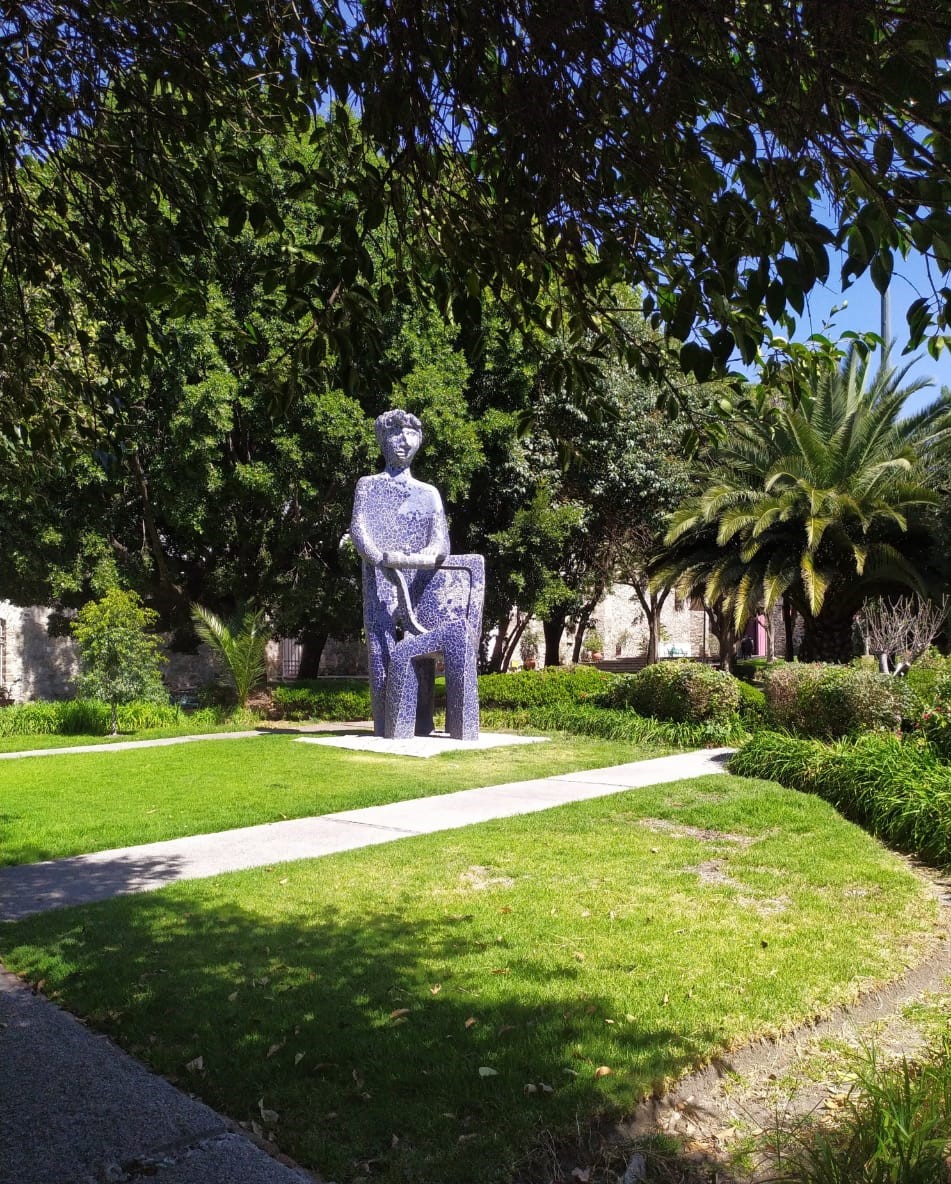
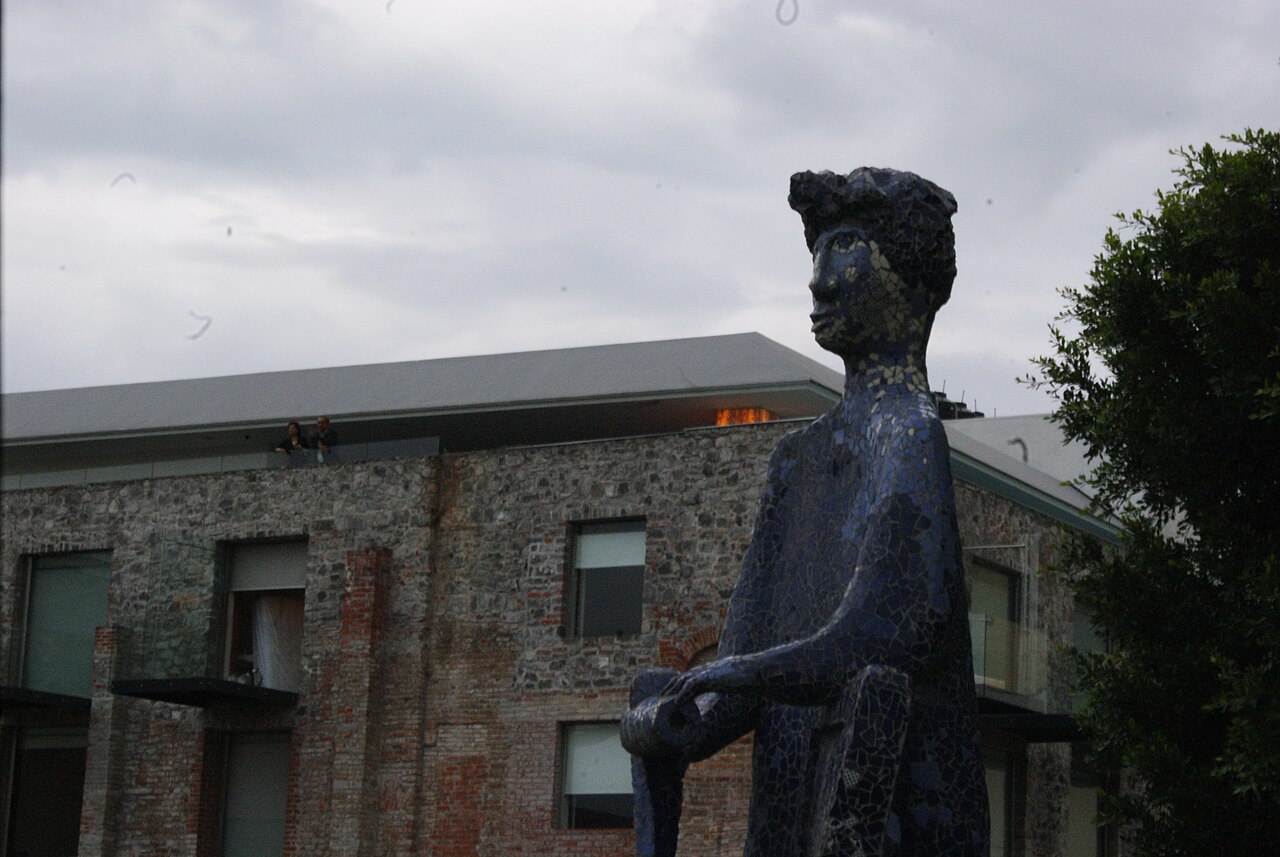
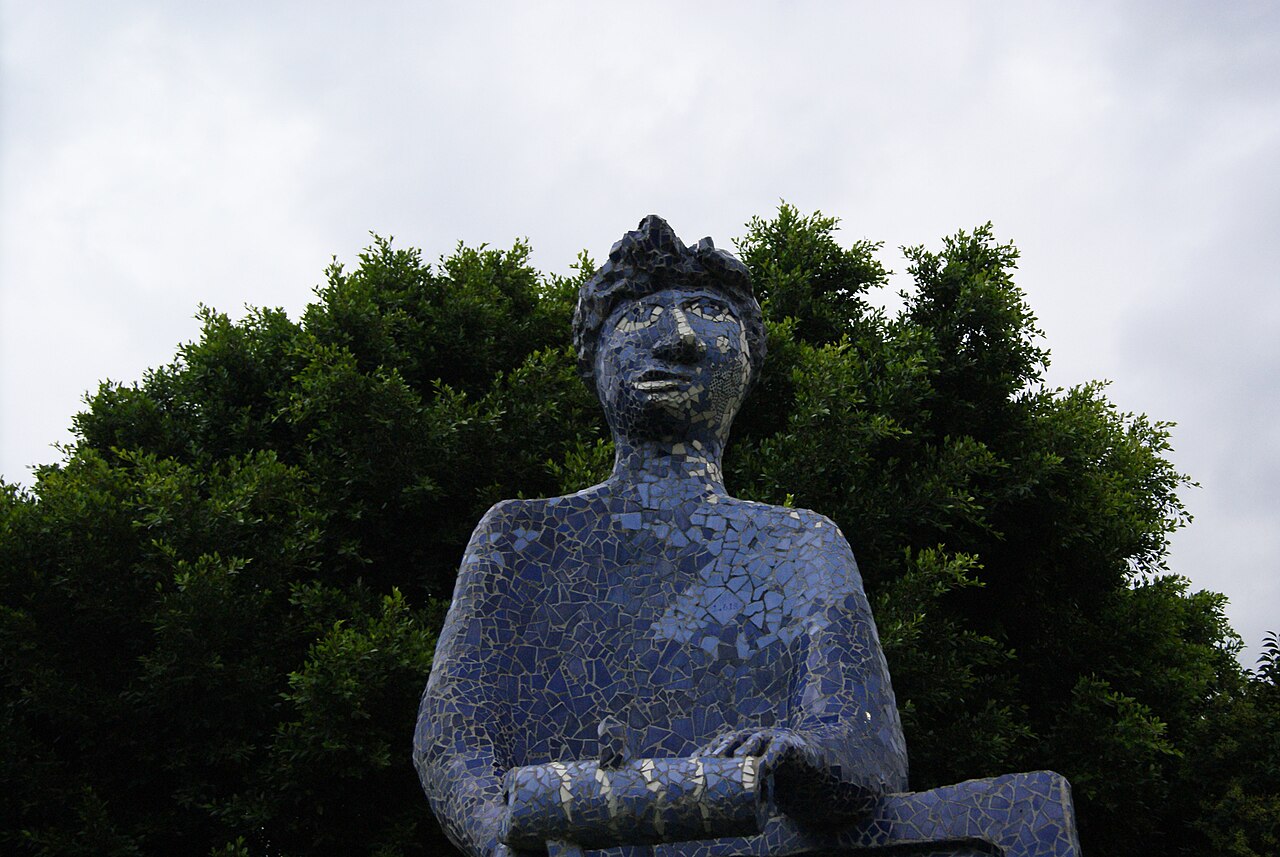
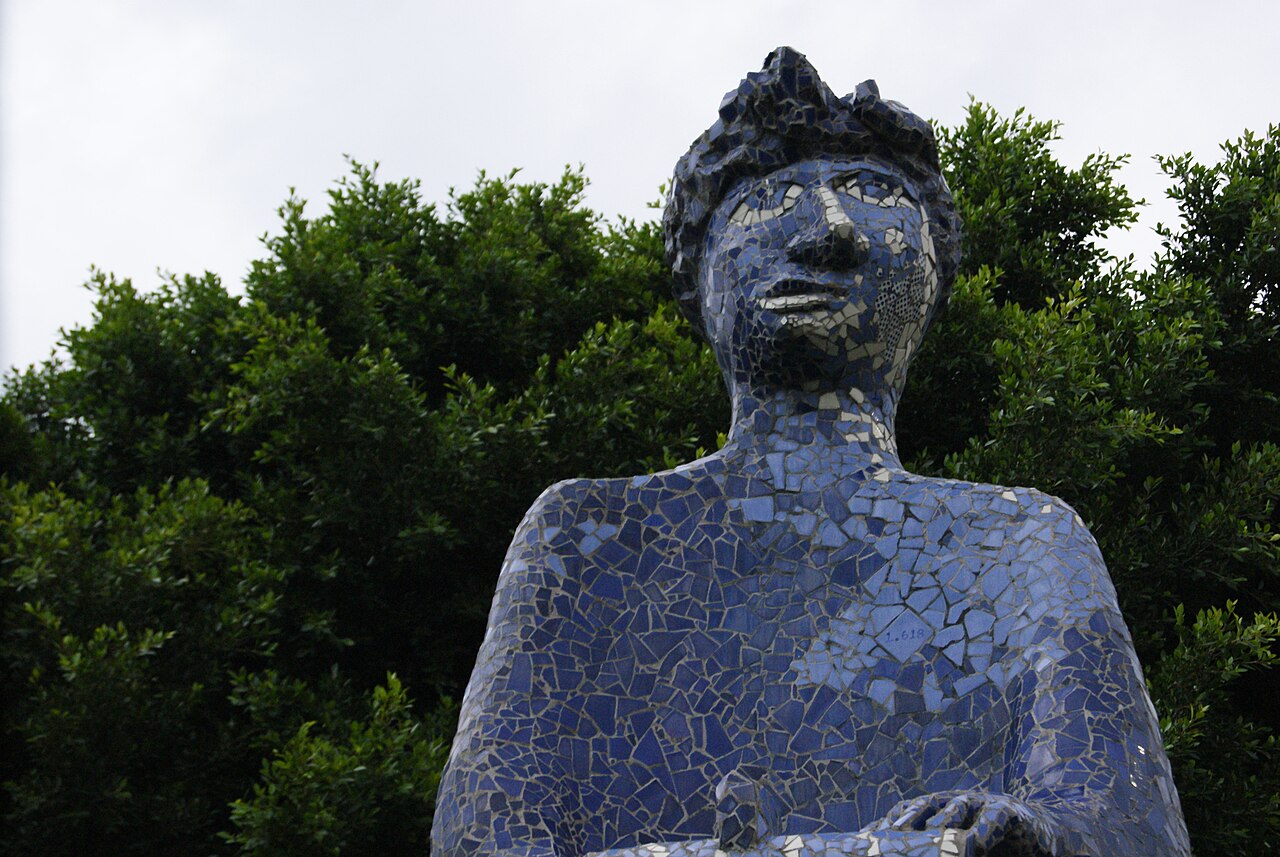
Whether rooted in Moscote Guerra, Rada Batista, or some other unnamed musician, the image of Francisco el Hombre has seeped into the fabric of Colombian national identity to a remarkable degree. He functions as the archetypal juglar—the wandering minstrel whose art transcends mere entertainment and becomes a spiritual force. The genre's birthplace, Valledupar, hosts the world's largest Vallenato gathering, the Festival de la Leyenda Vallenata, a celebration explicitly built around the legend. A separate, large-scale Colombian music event carries his name outright: Festival Francisco el Hombre. Beyond festivals, his likeness appears in countless images, statues, and sculptures scattered across the country, making him as recognizable in the physical landscape as in the musical one. The story itself is understood to blend myth with historical truth, and that very ambiguity—part fact, part fable—seems to be what keeps the legend alive and evolving in the collective imagination of Colombians.
Gallery
Frequently Asked Questions
Who is Francisco el Hombre?
Francisco el Hombre is a mythic juglar (folk minstrel) from Colombian Caribbean Coast folklore who embodies the spirit of Vallenato music. He is portrayed as a wandering accordionist whose artistry places him between the human and supernatural realms.
What is Francisco el Hombre's power or role in the legend?
His power is his command of the accordion and his ability to channel the soul of the Caribbean Coast through Vallenato melodies. As a juglar archetype, he acts as a cultural guardian who uses music as both a spiritual force and a weapon against darker powers.
What happens in Francisco el Hombre's famous duel with the devil?
In the most celebrated version of the tale, Francisco faces the devil in a piqueria, a traditional head-to-head accordion contest. He wins by playing a melody so deeply rooted in the land and its people that the devil is driven off, illustrating the belief that authentic folk music is a force the supernatural cannot overpower.
Is Francisco el Hombre based on a real historical figure?
Many fans and scholars link the legend to Francisco Rada Batista, known as Pancho Rada (1907–2003), a renowned Vallenato juglar from the Colombian Caribbean region. His reputation as a formidable accordionist who could dominate opponents in musical contests is widely seen as the seed from which the supernatural legend grew.
Why is Francisco el Hombre important to Colombian culture?
He serves as a living symbol of Vallenato's identity, especially for communities along the Caribbean Coast. His legend reinforces the idea that music is a spiritual and communal force rather than mere entertainment, and he continues to appear in literature, film, and oral tradition across Colombia.
More in Latin American folklore 1-24
Spotted an error? Know more?
Reader corrections go straight into our review queue. Suggest an edit · How this site is sourced