
Hasmonea Lwów
First exclusively Jewish sports club, based in Lwów.

Jewishkiev · CC BY-SA 4.0
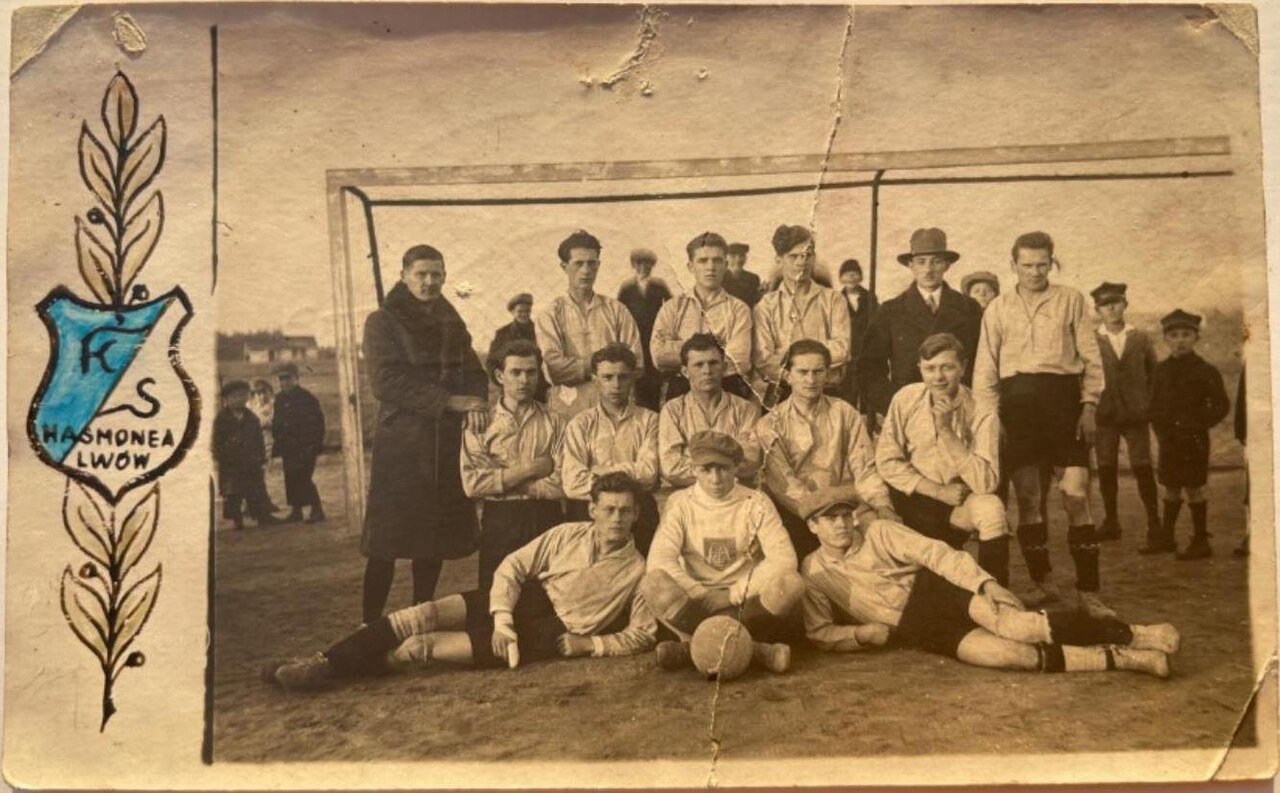
Hasmonea Lwów was a Polish-Jewish sports club based in Lwów (now Lviv, Ukraine), founded in 1908 in Austria-Hungary. It was the first sports club exclusively for Jewish members, named after the Hasmonean royal dynasty. The club is significant as one of four Lwów-based teams in the Polish First League during the interbellum and as arguably the most popular Jewish football club in Poland.
- field
- Football (soccer), table tennis
- nationality
- Polish-Jewish
- known_for
- First exclusively Jewish sports club; Polish First League football; table tennis team champions of Poland (1933)
Quick Facts
- Clubname
- Hasmonea Lwów
- Fullname
- Żydowski Klub Sportowy Hasmonea Lwów
- Founded
- 1908
- Dissolved
- 1939
- League
- Polish Football League 1927–1928
Facts from the source article.
Lore & Background
Hasmonea Lwów was created in 1908 in Austria-Hungary as the first sports club exclusively for Jewish members. Its full Polish name was Żydowski Klub Sportowy Hasmonea Lwów (Jewish Sports Club Hasmonea Club). During the interbellum, it was one of four Lwów-based clubs playing in the Polish First League and arguably the most popular Jewish football club in Poland. In 1928 it was ranked 13th in the league and relegated, following a conflict with the PZPN officially due to failing to pay its dues. The club paid its owed dues in 1929 and revived its football team the next year, competing in regional competition of Lwow Voivodeship. The most popular football player primarily associated with the club was Zygmunt Steuermann.
Reader's Guide
Hasmonea Lwów holds a unique place in sports history as the first club exclusively for Jewish members, founded in 1908 in Austria-Hungary. Its significance lies in its role as a prominent Jewish sports institution in interwar Poland, competing in the Polish First League and becoming arguably the most popular Jewish football club in the country. Beyond football, the club excelled in table tennis, winning the Polish team championship in 1933. Its top player, Alojzy Ehrlich, earned three silver medals at the World Championships (1936, 1937, 1939). The club faced adversity, including relegation in 1928 due to a dispute with the PZPN over unpaid dues, and the deliberate burning of its stadium in 1932. The legacy of Hasmonea is also marked by the survival of only a few members, such as Ehrlich and Leopold Weiss, through the Nazi occupation of Lwów. The club represents a vibrant but ultimately tragic chapter in Jewish sports history.
Did You Know?
- Hasmonea Lwów was the first sports club exclusively for Jewish members, founded in 1908.
- Alojzy Ehrlich, a table tennis player for Hasmonea, won three silver medals at the World Championships (1936, 1937, 1939).
- Only a few members, including Alojzy Ehrlich, survived the Nazi occupation of Lwów; Leopold Weiss was murdered in the Holocaust.
Founding & Jewish Sporting Identity
In 1908, within the borders of the Austro-Hungarian Empire, a group of Jewish residents of Lwów (present-day Lviv, Ukraine) established what would become a landmark institution in European sports history. The club, formally registered under the Polish name Żydowski Klub Sportowy Hasmonea Lwów, holds the distinction of being the very first sports organization in the region created exclusively for Jewish members. Its founders chose to honor the ancient Hasmonean royal dynasty, a nod to Jewish heritage and self-determination that resonated deeply in a period when Jewish communities were building their own cultural and athletic spaces apart from the broader society. The name Hasmonea thus carried both a historical reverence and a statement of identity, signaling that this was a club rooted in Jewish pride and collective purpose. As a Polish-Jewish institution based in Lwów, it occupied a unique position at the intersection of Polish civic life and Jewish communal culture, laying the groundwork for decades of competitive achievement across multiple sports disciplines.
Football Ambitions and Institutional Conflict
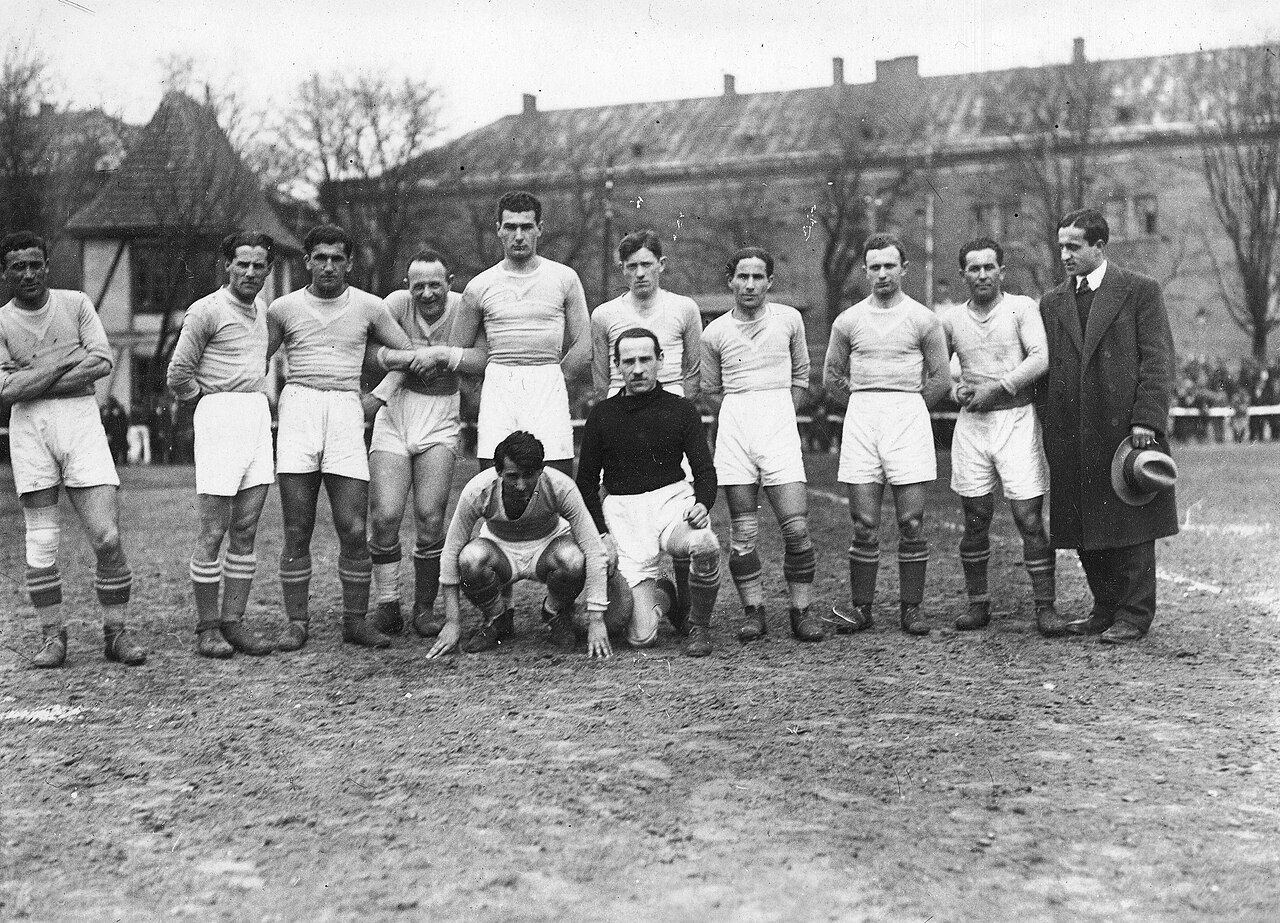
During the interwar period, Hasmonea stood as one of only four Lwów-based clubs competing in the Polish First League, and it was arguably the most popular Jewish football club in all of Poland. The club's most celebrated footballer was Zygmunt Steuermann, whose name became synonymous with the team's on-field identity. However, the club's top-flight tenure was cut short in 1928 when it finished 13th and was relegated. The circumstances surrounding that relegation were contentious: a dispute with the Polish Football Association (PZPN) arose, officially attributed to the club's failure to pay its required dues. After settling its outstanding obligations in 1929, Hasmonea reconstituted its football section the following year, entering regional competition within the Lwów Voivodeship. Yet the club's physical home was not spared from hostility. In 1932, the original stadium was deliberately set ablaze, an act of vandalism that dealt a devastating blow to the community and underscored the precarious position of Jewish sporting institutions in interwar Poland.
Table Tennis Triumphs
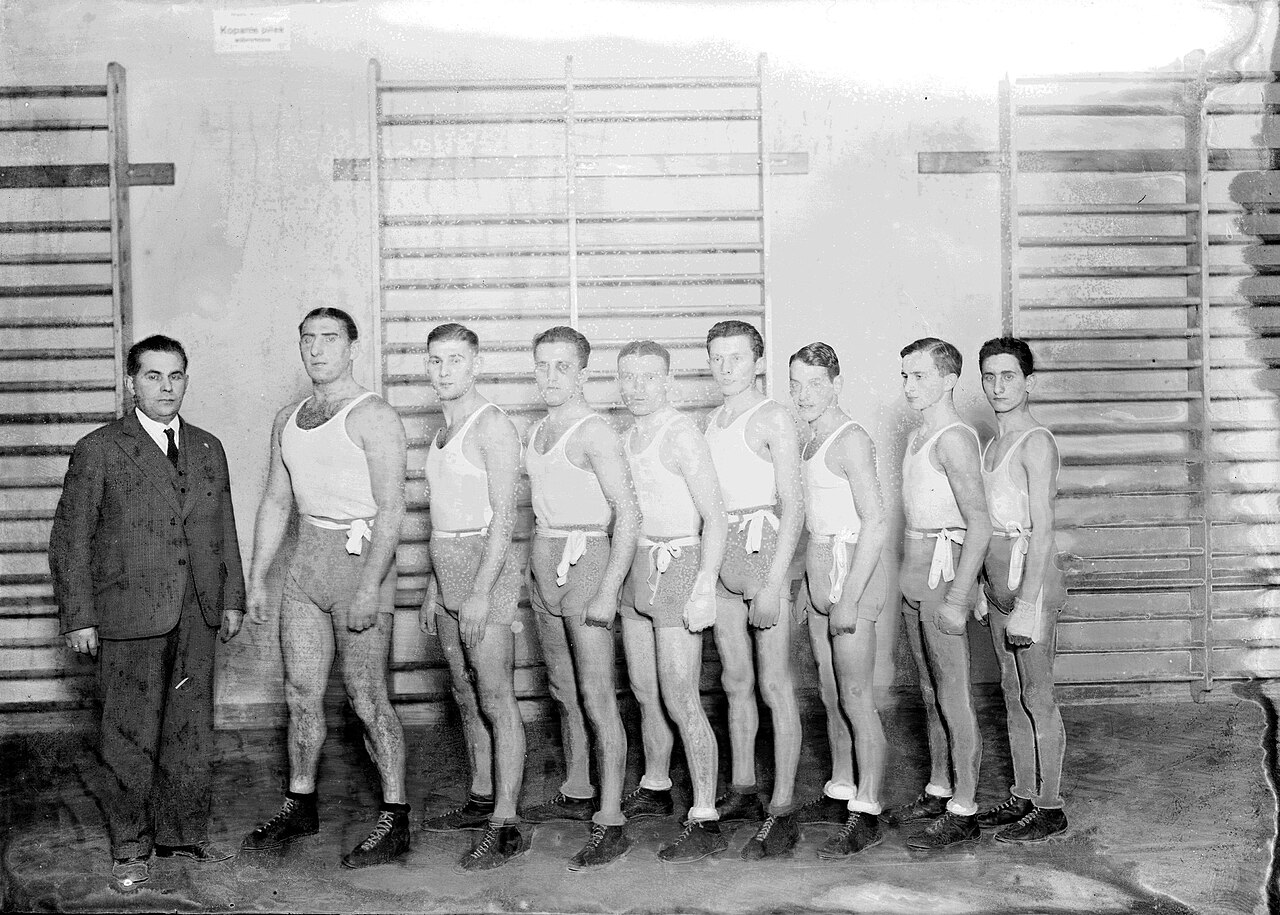
Beyond football, Hasmonea carved out a remarkable reputation in table tennis, producing players who competed at the highest levels of international sport. The club's table tennis team claimed the Polish national championship title in 1933, a testament to the depth of talent within the squad. The standout figure was Alojzy Ehrlich, whose extraordinary consistency at the World Championships earned him silver medals on three separate occasions in 1936, 1937, and 1939. Three consecutive silvers at the world level is a feat of remarkable regularity, placing Ehrlich among the elite players of his era and cementing Hasmonea's place in the pantheon of Polish table tennis. Another key contributor to the club's championship years was Leopold Weiss, whose skill and dedication helped sustain the team's competitive edge throughout the early 1930s. Together, Ehrlich and Weiss represented the pinnacle of Jewish sporting excellence in interwar Poland, and their achievements remain a source of pride for the club's legacy, even as the broader community they represented faced unimaginable tragedy in the years that followed.
Survival, Destruction, and Memory
The story of Hasmonea Lwów is inseparable from the broader tragedy of Jewish life in Poland during the twentieth century. The deliberate burning of the club's original stadium in 1932 served as an early and visceral warning of the hostility that Jewish institutions faced in interwar society. That hostility would escalate catastrophically with the Nazi occupation of Lwów, which devastated the city's Jewish community and effectively erased the social fabric in which Hasmonea had thrived. Among the few members of the club who survived the occupation were Alojzy Ehrlich and Leopold Weiss, the very players who had carried the club's table tennis banner to world-class distinction. Their survival is a quiet, poignant footnote in an otherwise devastating history. Today, Hasmonea is remembered as a pioneering institution, the first exclusively Jewish sports club in the region, and its story is often discussed alongside the wider Maccabi movement in Jewish sports. The club endures in the collective memory of Polish-Jewish sporting history as a symbol of achievement, identity, and resilience against forces that sought to erase it entirely.
Gallery
Frequently Asked Questions
What was Hasmonea Lwów?
Hasmonea Lwów was a Polish-Jewish sports club based in Lwów (today's Lviv, Ukraine), established in 1908 under Austrian-Hungarian rule. It is recognized as the first sports club in the region created exclusively for Jewish members.
Why was the club called 'Hasmonea'?
The name honors the Hasmonean royal dynasty, the ancient Jewish ruling house. Choosing that name signaled the club's proud Jewish identity at a time when most sporting institutions in Lwów were not open to Jewish residents.
Did Hasmonea Lwów play in the Polish top flight?
Yes. During the interwar years the club was one of four Lwów-based teams competing in the Polish First League. It is widely regarded as the most popular Jewish football side in Poland during that period.
What sports did Hasmonea Lwów compete in besides football?
The club also ran a table tennis section, which captured the Polish national championship in 1933. This made Hasmonea Lwów a genuine multi-sport organization rather than a football-only outfit.
Why is Hasmonea Lwów historically significant?
As the first exclusively Jewish sports club in the area, it gave Jewish athletes in Lwów a dedicated home at a time when inclusion elsewhere was rare. Its dual legacy as a pioneering community institution and a top-flight football competitor keeps it central to both Polish and Jewish sporting memory.
More in Jewish football clubs 1-24
Spotted an error? Know more?
This is a living reference — every entry is fact-audited, and reader corrections feed straight into our audit queue. Suggest an edit · See this site's audit record