Il dio serpente
A 1970 Italian erotic fantasy film about a serpent cult.

Fabrizio Garrisi · CC0
Il dio serpente (transl. The snake god) is a 1970 Italian erotic fantasy film directed by Piero Vivarelli. It features Italian-based American actress Nadia Cassini in her first lead role and is an earlier example of voodoo-themed sexploitation films shot in Colombia by Italian directors.
- Release year
- 1970
- Director
- Piero Vivarelli
- Lead actress
- Nadia Cassini
- Genre
- Erotic fantasy
- Theme song
- "Djamballà" by Augusto Martelli
- Setting
- Caribbean island
Lore & Background
The film follows Paola, a woman in a deteriorating marriage with Bernard. After moving to a Caribbean island, she befriends a local woman named Stella, who introduces her to the cult of the serpent god Djamballà. Initially despising the rituals, Paola soon realizes they represent the passion and lust missing from her married life. In a ritual where reality blends with fantasy, she has sex with a strong black man she identifies with the serpent god.
Reader's Guide
After her husband's sudden death, Paola invites her former lover Tony to the island to start a new life but understands that Djamballà has become her sole obsession. The film's theme song, "Djamballà" by Augusto Martelli, reached the first position in the Italian hit parade. The cast includes Nadia Cassini as Paola, Beryl Cunningham as Stella, Sergio Tramonti as Tony, and Galeazzo Bentivoglio as Bernard, among others.
Did You Know?
- The film is an earlier example of voodoo-themed sexploitation films shot in Colombia by Italian directors.
- Nadia Cassini played her first lead role in this film.
- The theme song 'Djamballà' by Augusto Martelli reached number one on the Italian hit parade.
- The film's title translates to 'The snake god'.
Production & Genre Context
Il dio serpente, released in 1970, stands as a noteworthy entry in the Italian erotic fantasy genre. Directed by Piero Vivarelli, the picture was shot on location in Colombia, giving it an exotic Caribbean backdrop that distinguished it from studio-bound productions of the era. The film holds particular significance in film history as an early example of the voodoo-themed sexploitation subgenre that Italian directors would later expand into broader zombie-tinged territory. For Italian-based American actress Nadia Cassini, the project marked a career-defining milestone: it was her first time carrying a feature as the lead, a role that would shape her public identity in Italian cinema. The combination of a foreign shooting location, a director working within the Italian production system, and a crossover actress navigating between two national film industries made the production a small but telling snapshot of the transnational currents flowing through European genre filmmaking in the late 1960s and early 1970s.
Narrative & Thematic Core
The story follows Paola, a woman trapped in a marriage that has grown cold and lifeless with her husband Bernard. When the couple relocates to a Caribbean island, Paola forms a friendship with a local woman named Stella, who gradually introduces her to the rituals of the serpent god Djamballà. Initially repelled by the cult's ceremonies, Paola comes to recognize in them the raw passion and physical desire that have been absent from her domestic existence. The film's most striking sequence blurs the boundary between reality and fantasy during a ritual, in which Paola engages in a sexual encounter with a powerful Black man she perceives as the embodiment of the serpent god himself. After Bernard dies suddenly, Paola summons her former lover Tony to the island, hoping to begin a fresh chapter. Yet the narrative makes clear that her attachment to Djamballà has transcended any human relationship, becoming an all-consuming spiritual and erotic obsession that defines her final state.
Musical Legacy
Perhaps the most enduring cultural footprint of Il dio serpente extends beyond the screen into Italian popular music. The film's theme song, "Djamballà," composed and performed by Augusto Martelli, climbed to the number-one position on the Italian hit parade—a remarkable achievement for a track tied to a niche erotic fantasy picture. The song's success suggests that the film's imagery of Caribbean mysticism and sensual ritual resonated with a broad domestic audience well beyond the typical sexploitation viewer. For Martelli, the collaboration represented a crossover moment between the Italian genre-film circuit and mainstream pop culture, lending the film a sonic identity that audiences could hum and recognize in everyday life. The pairing of Vivarelli's visual narrative with Martelli's melodic hook gave the production a memorable two-pronged identity, ensuring that even viewers who never saw the film on screen might carry its title and melody in their cultural memory.
Cast & Creative Team
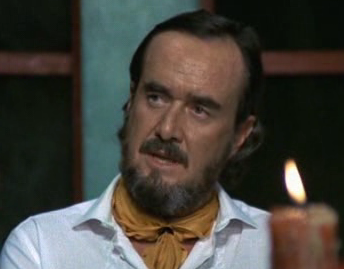
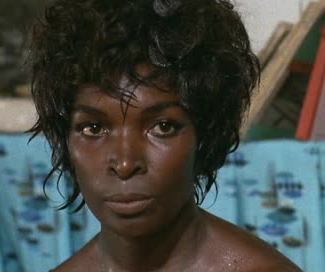
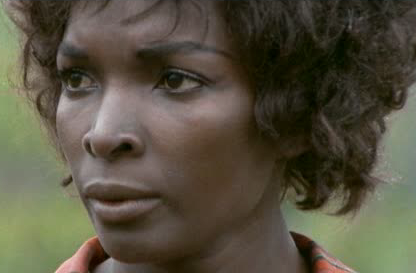
The ensemble of Il dio serpente brings together a mix of Italian and local talent that reflects the film's transnational production. Nadia Cassini, an American actress based in Italy, anchors the cast as Paola, delivering her first lead performance in a feature. Beryl Cunningham plays Stella, the local woman who serves as Paola's gateway into the Djamballà cult, while Sergio Tramonti appears as Tony, Paola's former lover summoned to the island after Bernard's death. Galeazzo Bentivoglio portrays the husband Bernard, whose sudden demise sets the final act in motion. The cult's spiritual figures are embodied by Arnoldo Palacios as the Witch Man, Claudio Trionfi as the Priest, and Evaristo Marquez as Djamballà himself—the serpent god at the story's center. Additional performers include Juana Sobreda and Koike Mahoco, whose involvement underscores the Colombian location's contribution to the film's cast. Together, this roster illustrates how Vivarelli assembled a deliberately diverse company to serve the picture's exotic, ritualistic vision.
Gallery

More in Italian fantasy films 1-24
Spotted an error? Know more?
This is a living reference — every entry is fact-audited, and reader corrections feed straight into our audit queue. Suggest an edit · See this site's audit record