
Ibn Arabi
Sunni Muslim scholar and mystic who shaped Sufi metaphysics.
Last updated

via Wikipedia: Ibn Arabi · see source
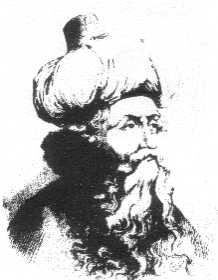
Ibn Arabi was a Sunni Muslim scholar, mystic, and philosopher born in Murcia in 1165.[1][2] Ibn Arabi's cosmological ideas became a widely adopted intellectual framework across many parts of the Muslim world, and he is recognized as a key figure in the development of Islamic mysticism.[1][3]
Life and work
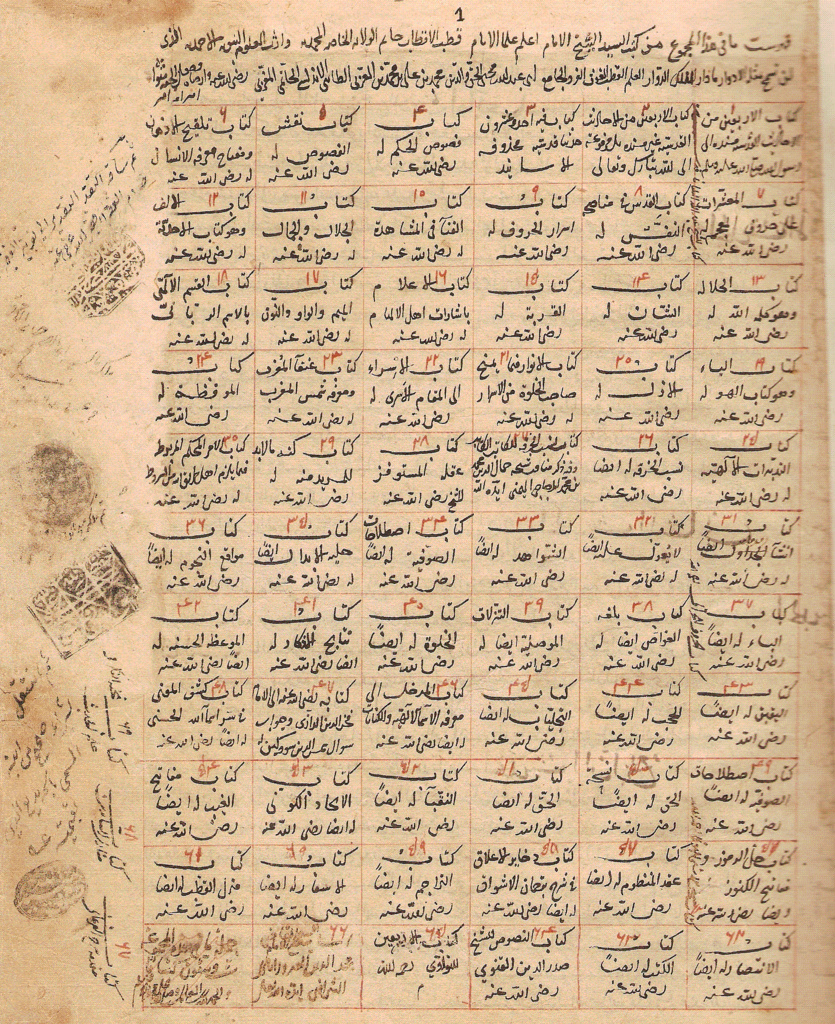
Ibn Arabi was born in the Taifa of Murcia on 28 July 1165, though some sources give 6 August 1165 as an alternative birthdate.[4] His father served in the army of Ibn Mardanīsh, and when Murcia fell to the Almohads in 1172, the family relocated to Seville.[5] He received military training at the ruling court and preferred playing in a military camp over reading a book.[6] In 1223, at age 58, he chose Damascus as his final home and composed Fuṣūṣ al-Ḥikam in 1229.[7]
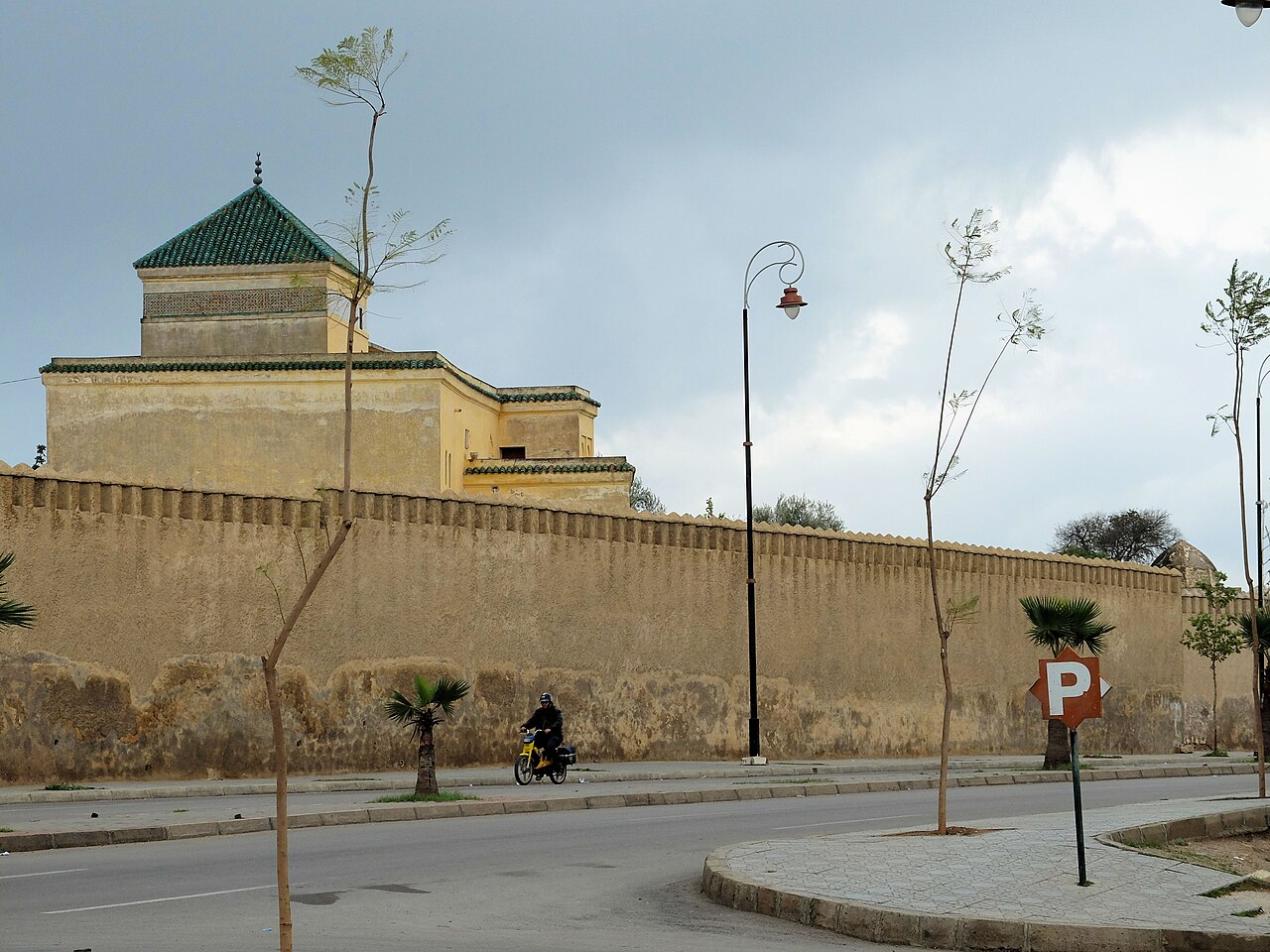
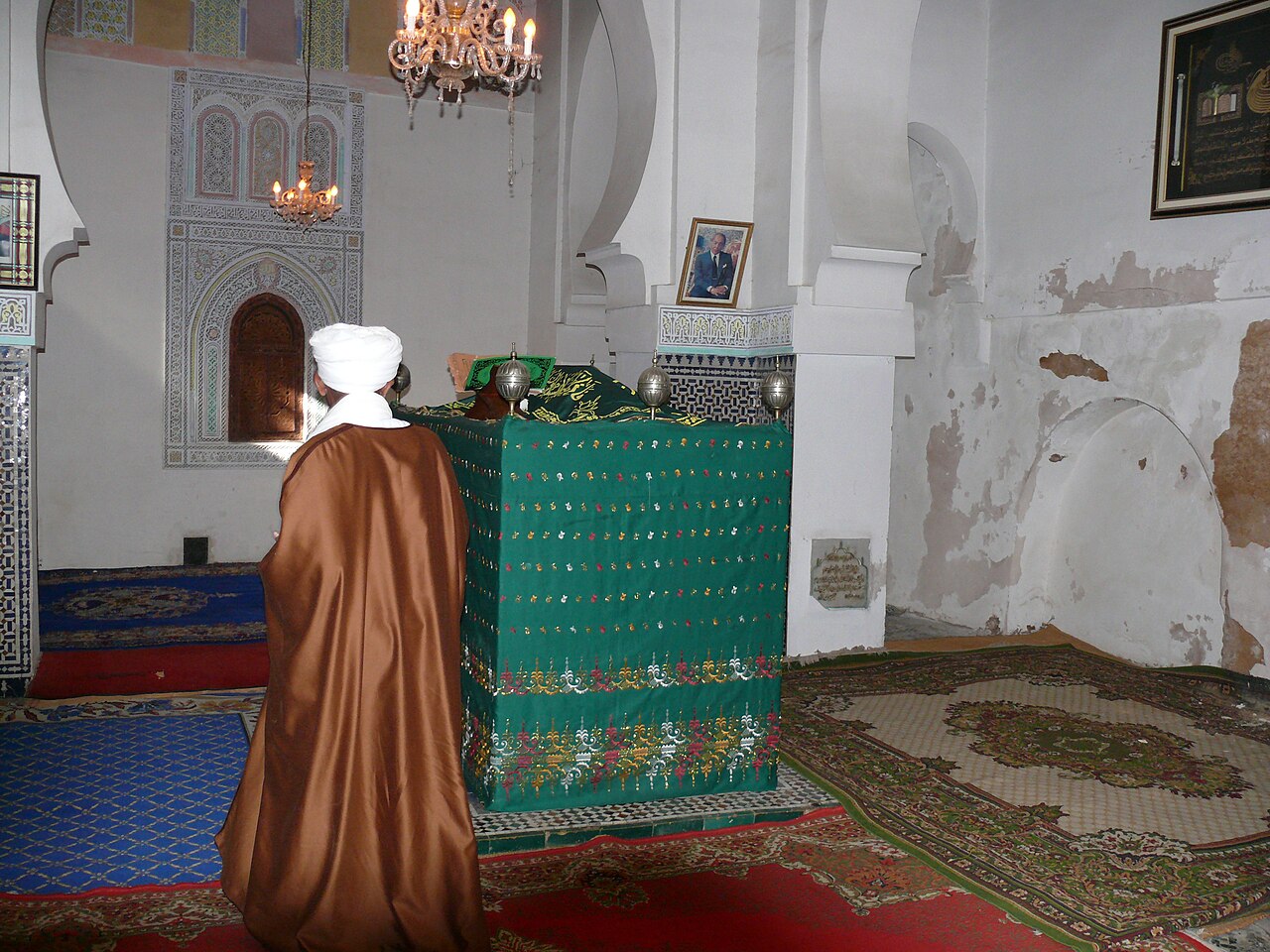
His writings spread throughout the Islamic world through Sufi orders and were translated into Persian, Turkish, and Urdu.[3] Ibn Arabi passed away on 22 Rabī' al-Thānī, 638 AH (16 November 1240) at age 75, and his burial site is the Banu Zaki cemetery on Qasiyun Hill in Damascus.[8]
What the cited sources add
The Stanford Encyclopedia of Philosophy states that Ibn Arabi can be considered the greatest of all Muslim philosophers in the broad, modern sense.[2] The biography by Gibril Fouad Haddad notes that Ibn Arabi's family left Murcia for Seville when he was eight years old.[9] The same source reports that Ibn Arabi learned Qur'an recitation in seven different readings from the book Al-Kafi.[9] The Qandara heritage site records that his tomb is located in a Damascus quarter named 'Muhi al-Din' after him.[10]
References
- Wikipedia, "Ibn Arabi" (CC BY-SA 4.0), which cites: Ibrahim Kalin, Salim Ayduz The Oxford Encyclopedia of Philosophy, Science, and Technology in Islam, Vol. 1 (Oxford University Press, 2014 ), p. 162 (original not read by us) en.wikipedia.org
- Chittick, "Ibn Arabi", Metaphysics Research Lab, Stanford University, Summer 2018. facts only, no text reused. plato.stanford.edu
- Wikipedia, "Ibn Arabi" (CC BY-SA 4.0), which cites: Chittick 2005, p. 1 (original not read by us) en.wikipedia.org
- Wikipedia, "Ibn Arabi" (CC BY-SA 4.0), which cites: Chittick, "Ibn Arabi", Metaphysics Research Lab, Stanford University, Summer 2018; Addas 2019, p. 9; Hirtenstein, "Names and Titles of Ibn [al-]'Arabī", The Muhyiddin Ibn Arabi Society, 16 January 2020 (we also read that source) en.wikipedia.org
- Wikipedia, "Ibn Arabi" (CC BY-SA 4.0), which cites: Chittick, "Ibn Arabi", Metaphysics Research Lab, Stanford University, Summer 2018; Addas 2019, p. 9 (we also read that source) en.wikipedia.org
- Wikipedia, "Ibn Arabi" (CC BY-SA 4.0), which cites: Chittick, "Ibn Arabi", Metaphysics Research Lab, Stanford University, Summer 2018 (we also read that source) en.wikipedia.org
- Wikipedia, "Ibn Arabi" (CC BY-SA 4.0), which cites: Addas 2019, p. 9; Addas 2019, p. 9; "Ibn al-Arabi Muslim mystic", Encyclopedia Britannica, 24 July 2024; Addas 2019, p. 9 (original not read by us) en.wikipedia.org
- Wikipedia, "Ibn Arabi" (CC BY-SA 4.0), which cites: "Tomb of Ibn al-'Arabi", Qandara: Mediterranean Heritage (we also read that source) en.wikipedia.org
- Gibril Fouad Haddad, "Muhyiddin ibn 'Arabi", sunnah.org, 21 November 2020. facts only, no text reused. sunnah.org
- "Tomb of Ibn al-'Arabi", Qandara: Mediterranean Heritage. facts only, no text reused. qantara-med.org
Each numbered sentence above was checked against the source it cites before publication. Sentences citing Wikipedia adapt text from the English Wikipedia article Ibn Arabi (contributors), used under CC BY-SA 4.0; this entry is available under the same licence. Other sources were used for facts only; no text or images are copied from them.
Also in the Codexery
More in Islamic Scholars & Mystics
Sources
Compiled from Wikipedia and the sources listed below. Text from Wikipedia is available under CC BY-SA 4.0; this entry is adapted from it.
- Wikipedia: Ibn Arabi (CC BY-SA 4.0).
Spotted an error? Know more?
Reader corrections go straight into our review queue. Suggest an edit · How this site is sourced