
Sessue Hayakawa
First Asian leading man in Hollywood; silent film sex symbol.

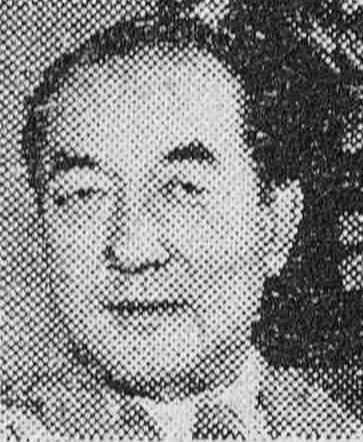
Unknown photographer · Public domain
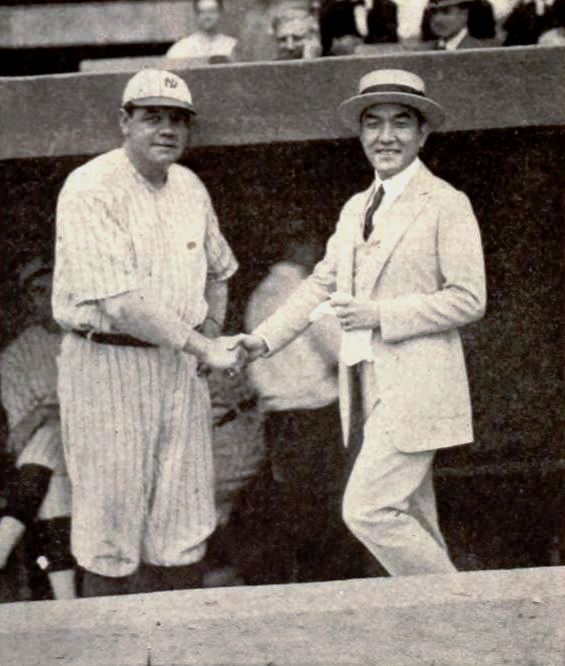
Sessue Hayakawa (born Kintarō Hayakawa; June 10, 1886 – November 23, 1973) was a Japanese actor who became a major star and matinée idol in Hollywood during the silent film era of the 1910s and early 1920s. He was the first actor of Asian descent to achieve stardom as a leading man in the United States and Europe, and is considered one of the first male sex symbols of Hollywood.
Quick Facts
- Birth Name
- Kintarō Hayakawa
- Birth Date
- 1886-06-10
- Birth Place
- Minamibōsō, Chiba, Japan
- Death Date
- 1973-11-23
- Death Place
- Chiyoda, Tokyo, Japan
- Spouse
- Tsuru Aoki · 1914 · October 18, 1961
- Children
- 3
- Occupation
- Actor / film producer / writer
- Years Active
- 1913–1967
Facts from the source article.
Lore & Background
Kintarō Hayakawa was born in the village of Nanaura, now part of Chikura, in Minamibōsō, Chiba Prefecture, Japan. His family intended him to become a naval officer, but after rupturing his eardrum at the naval academy, he attempted seppuku at age 18. Following his recovery, he moved to the United States and studied political economics at the University of Chicago, though this account is disputed; some sources suggest he instead worked odd jobs in California before turning to acting. He began his acting career in 1913, adopting the stage name Sessue, meaning 'snowy continent.' His breakthrough came with The Cheat (1915), which made him a romantic idol and sex symbol, particularly among white women. At the height of his fame, he earned around $2,000 per week in 1915 and $2 million per year through his own production company from 1918 to 1921. He left Hollywood in 1922 due to rising anti-Japanese sentiment and business difficulties, performing on Broadway and in Japan and Europe before returning for Daughter of the Dragon (1931).
Reader's Guide
Sessue Hayakawa's significance lies in his unprecedented success as an Asian leading man in early Hollywood, a time of racial discrimination. His 'broodingly handsome' looks and typecasting as a sexually dominant villain made him a heartthrob and one of the first male sex symbols of Hollywood. He starred in over 80 feature films, and three of his films—The Cheat, The Dragon Painter, and The Bridge on the River Kwai—are preserved in the United States National Film Registry. His later role as Colonel Saito in The Bridge on the River Kwai (1957) earned him an Academy Award nomination for Best Supporting Actor. Hayakawa's career reflects both the possibilities and limitations for Asian actors in American cinema, and his legacy endures as a pioneering figure who navigated racial barriers to achieve international stardom.
Did You Know?
- Hayakawa attempted seppuku at age 18, stabbing himself once in the abdomen, but was saved by his father.
- He was one of the highest-paid stars of his time, earning $2 million per year through his own production company from 1918 to 1921.
- His account of attending the University of Chicago and playing football there is disputed; some sources say he worked odd jobs in California instead.
Gallery

Frequently Asked Questions
Who is Sessue Hayakawa?
Sessue Hayakawa was a Japanese-born actor who rose to massive fame as a leading man and romantic star during Hollywood's silent film era. Born Kintarō Hayakawa in 1886, he became one of the most recognizable faces in American and European cinema by the 1910s.
What is Sessue Hayakawa known for?
He is best remembered as the first actor of Asian descent to become a major Hollywood star and matinée idol, and is often cited as one of cinema's earliest male sex symbols. His silent-era films made him a household name across the U.S. and Europe.
What is Sessue Hayakawa's most famous later-film role?
After his silent-film stardom faded, he returned to prominence playing the stern Japanese Colonel Saito in The Bridge on the River Kwai (1957). That performance is the role most modern audiences associate with him.
Why is Sessue Hayakawa historically important?
He broke through as the first Asian actor to achieve leading-man stardom in both American and European markets, paving the way for later performers of Asian heritage in Western cinema. His career also highlights the racial barriers and typecasting that shaped early Hollywood.
When did Sessue Hayakawa live?
He was born on June 10, 1886, in Japan and passed away on November 23, 1973. His acting career spanned from the early 1910s through the 1950s, covering both the silent and sound eras of film.
More in International Film Icons 1-19
Spotted an error? Know more?
Reader corrections go straight into our review queue. Suggest an edit · How this site is sourced