
Omar Sharif
Egyptian actor who conquered Hollywood and won three Golden Globes.

nicolas genin from Paris, France · CC BY-SA 2.0
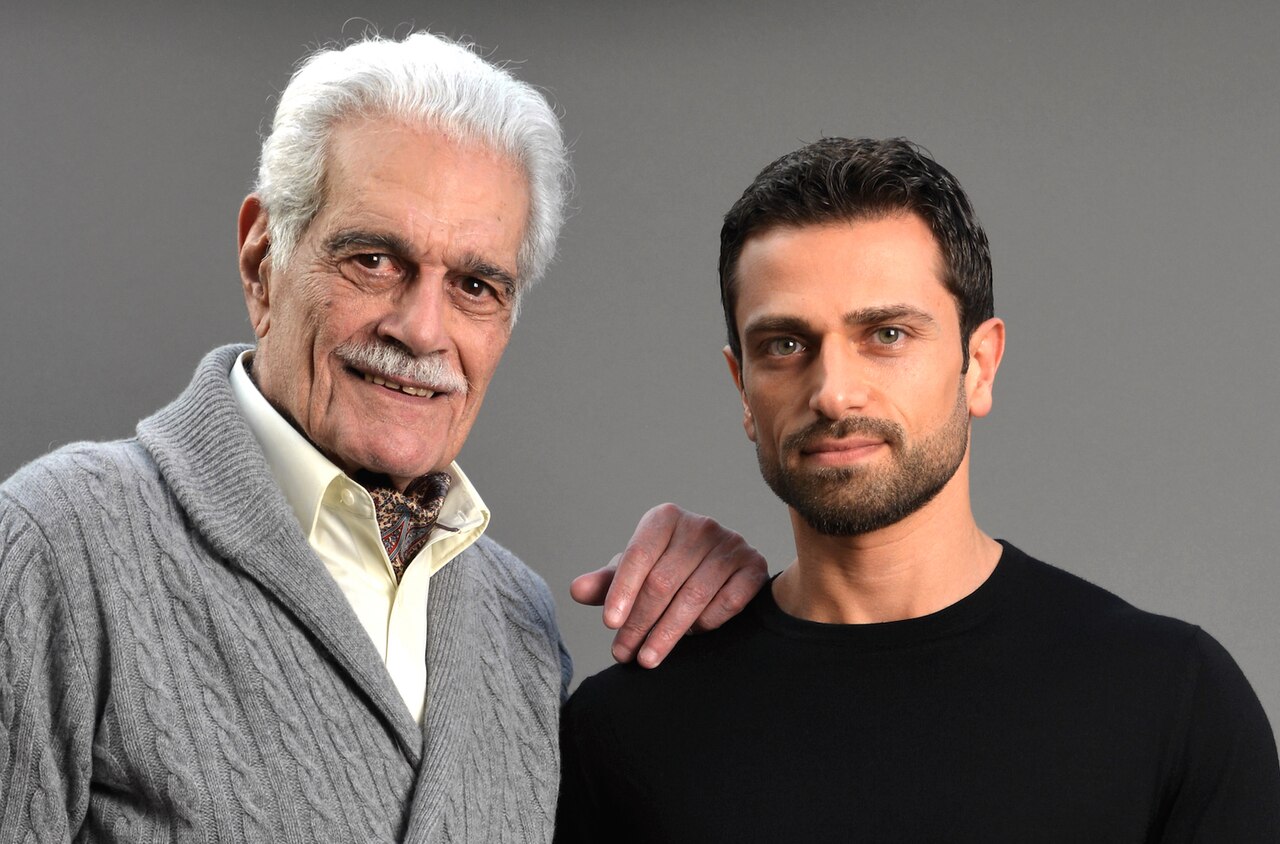
Omar Sharif (born Michel Yusef Dimitri Chalhoub; 10 April 1932 – 10 July 2015) was an Egyptian actor, generally regarded as his country's greatest male film star. He began his career in Egypt in the early 1950s and is best known for his appearances in American, British, French, and Italian productions. He has been described as 'the first Egyptian and Arab to conquer Hollywood.' His career encompassed over 100 films spanning 50 years, bringing him many accolades including three Golden Globe Awards and a César Award for Best Actor.
Quick Facts
- Honorific Suffix
- OME
- Birth Name
- Michel Yusef Dimitri Chalhoub
- Birth Date
- 10 April 1932
- Birth Place
- Alexandria, Kingdom of Egypt
- Death Date
- 10 July 2015 · 1932 · 4 · 10
- Death Place
- Cairo, Egypt
- Burial Place
- Al-Sayyida Nafisa Cemetery, Cairo, Egypt
- Other Names
- Omar el-Sherief · Omar Cherif
- Education
- Victoria College, Alexandria; Cairo University
- Occupation
- Actor · bridge player
- Years Active
- 1954–2015
- Awards
- César Award (2004) / Golden Globe Award (1962, 1963, 1965)
Facts from the source article.
Lore & Background
Sharif was born Michel Yusef Dimitri Chalhoub in Alexandria to a Melkite Greek Catholic family. Although most sources claim he was of Syrian and Lebanese descent, Sharif stated in interviews that all of his ancestors were of Syrian descent. He adopted the stage name Omar Sharif in 1954 after being picked by Egyptian director Youssef Chahine to star in The Blazing Sun. He converted to Islam in 1955, and later married fellow Egyptian actress Faten Hamama. His father was a precious woods merchant, and his mother was a noted society hostess in whose house King Farouk was a regular visitor. Sharif studied at Victoria College, Alexandria, and later graduated from Cairo University with a degree in mathematics and physics. He worked in his father's business before beginning his acting career. It has been widely reported that he studied acting at the Royal Academy of Dramatic Art in London, but the academy told Al Jazeera that this was not true.
Reader's Guide
Omar Sharif's significance lies in his role as a bridge between Egyptian cinema and international film. He was the first Egyptian and Arab actor to achieve major success in Hollywood, starring in two of the most acclaimed epics of the 1960s: Lawrence of Arabia and Doctor Zhivago. His ability to speak five languages—Arabic, English, French, Italian, and Spanish—allowed him to work across multiple film industries and play characters of ambiguous ethnicity. His legacy includes over 100 films, three Golden Globe Awards, a César Award, and high civil honors from multiple countries, including the Egyptian Order of Merit and the French Legion of Honour. He was also one of only 25 grantees of UNESCO's Sergei Eisenstein Medal for contributions to world film and cultural diversity. Beyond acting, he was a lifelong horse racing enthusiast and at one time ranked among the world's top contract bridge players.
Did You Know?
- Sharif was born Michel Yusef Dimitri Chalhoub and adopted the stage name 'Omar Sharif' in 1954.
- He was nominated for an Academy Award for Best Supporting Actor for Lawrence of Arabia (1962).
- He was a recipient of the Sergei Eisenstein Medal, though the exact number of recipients is unverified.
From Alexandria to the World Stage
Born Michel Yusef Dimitri Chalhoub in Alexandria in 1932, Sharif grew up within a Melkite Greek Catholic family tracing its roots to Syria. His father, a merchant in precious woods, had relocated from Zahlé, while his mother was a well-known society hostess whose home was a regular destination for King Farouk before the 1952 revolution. The family settled in Cairo when he was just four years old. He attended Victoria College in Alexandria, where a natural gift for languages emerged, and went on to graduate from Cairo University with a degree in mathematics and physics. Before ever stepping in front of a camera, he spent time working in his father's wood trade. A schoolmate, director Youssef Chahine, gave him his first role in The Blazing Sun in 1954, and by 1955 Sharif had adopted the stage name meaning 'noble' in Arabic. He later converted to Islam and legally changed his name in order to marry actress Faten Hamama. A long-standing claim that he trained at London's RADA was officially denied by the institution itself.
Conquering Hollywood
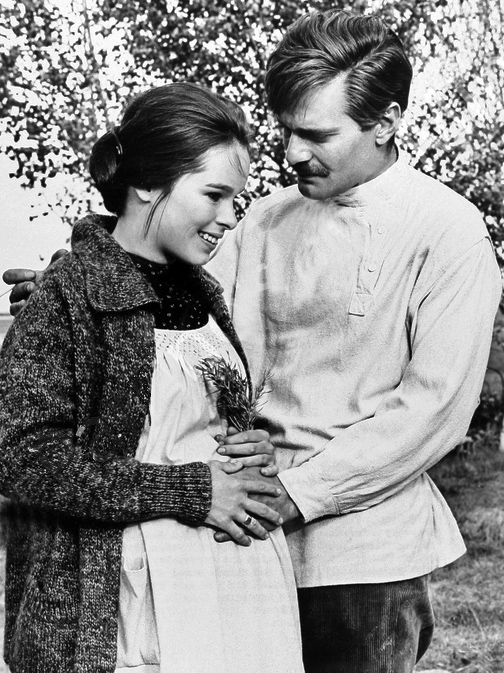
Sharif's body of work stretched across more than 100 films over five decades, collecting three Golden Globe Awards and a César for Best Actor along the way. His international breakthrough arrived with David Lean's Lawrence of Arabia in 1962, in which he opposite Peter O'Toole as Sherif Ali. The part had previously been offered to Dilip Kumar, Horst Buchholz, and Maurice Ronet before reaching Sharif, who was essentially unknown beyond Egypt's borders. To lock in the role he agreed to a seven-picture deal with Columbia at fifty thousand dollars per film. The picture's massive success delivered him an Academy Award nomination and two Golden Globes. He followed it with the title role in Doctor Zhivago (1965), taking home the Golden Globe for Best Actor in a Drama. His range then carried him through romantic leads in Funny Girl and The Tamarind Seed, historical figures in Genghis Khan, The Mamelukes, and Che!, and a warmly received late-career performance as a Turkish immigrant in the French film Monsieur Ibrahim (2003). His last screen appearance arrived in 2015, the same year he passed away.
The Art of Ambiguity
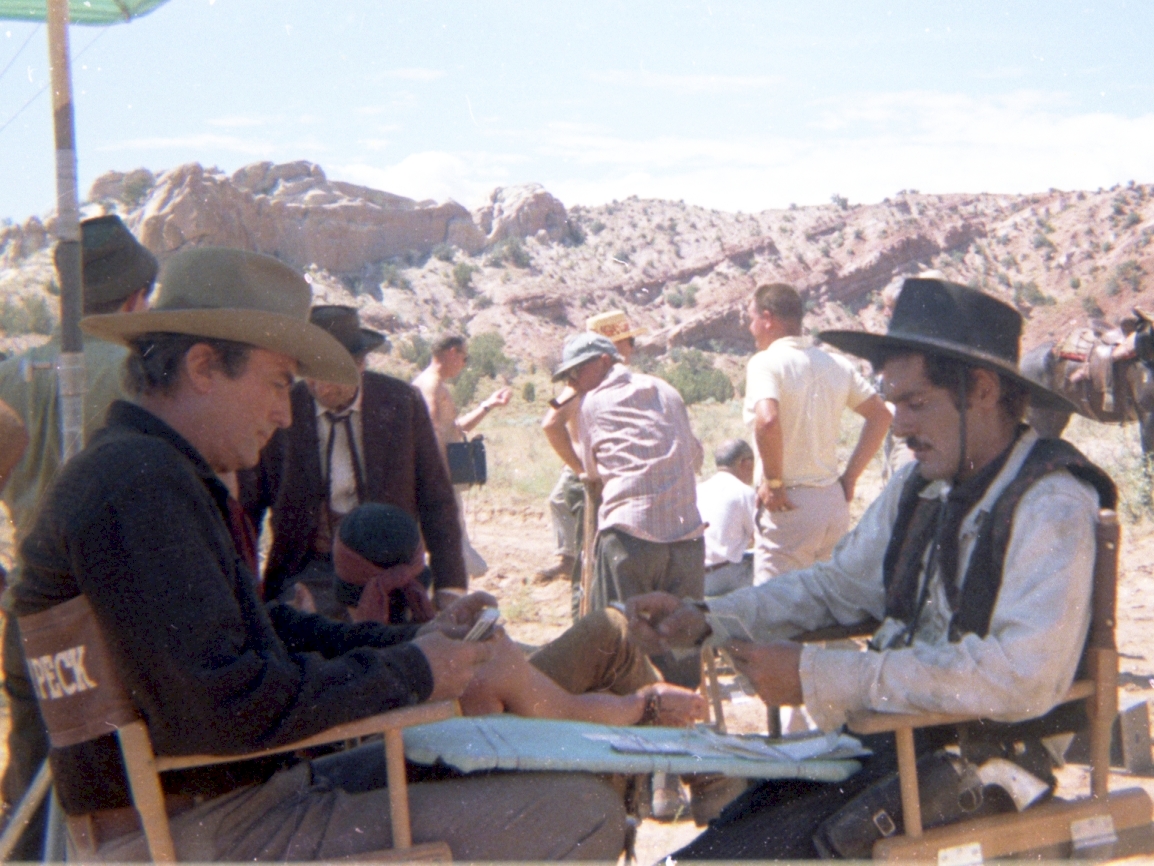
Sharif held a distinctive edge in international cinema: fluency in Arabic, English, French, Italian, and Spanish, paired with an accent that left audiences unable to pin down his precise origin. He observed that this let him portray outsiders whose exact nationality remained a mystery, a quality that proved invaluable throughout his career. David Lean, who insisted on ethnic authenticity in casting, found in Sharif's ambiguous heritage a strategic asset for roles demanding a specific 'otherness.' His work in Lawrence of Arabia was later called one of the most demanding supporting roles in Hollywood history. In Behold a Pale Horse (1964), director Fred Zinnemann cast him partly on Lean's personal recommendation, describing him as an absolutely marvellous actor. Film historian Richard Schickel singled out his 'truly wonderful performance' in that picture, noting how sharply it differed from his Lawrence work. His capacity to inhabit characters across cultures — from a Turkish shopkeeper in Monsieur Ibrahim to the conqueror Genghis Khan — sealed his reputation as a genuinely global performer.
Life Beyond the Camera
Off screen, Sharif cultivated a richly textured personal life. He was a devoted horse racing enthusiast and at one stage ranked among the world's leading contract bridge players. His command of five languages opened doors across continents, and governments recognized his stature with high civil honors, including Egypt's Order of Merit and France's Legion of Honour. He was one of only twenty-five individuals ever to receive UNESCO's Sergei Eisenstein Medal, an award honoring significant contributions to world cinema and cultural diversity. Sharif also chafed under political constraints, bristling at travel restrictions imposed by President Gamal Abdel Nasser's government during the 1960s. He was married to fellow Egyptian actress Faten Hamama, and the two co-starred as romantic leads in several of his early films. His legacy endures as Egypt's greatest male film star and as the first actor from the Arab world to break through in Hollywood, bridging Eastern and Western cinema for generations of viewers.
Gallery
Frequently Asked Questions
Who is Omar Sharif?
Omar Sharif (born Michel Yusef Dimitri Chalhoub, 10 April 1932 – 10 July 2015) was an Egyptian actor widely regarded as the greatest male film star his country has produced. He built a career of over 100 films across five decades in Egyptian, American, British, French, and Italian cinema.
Which films made Omar Sharif a worldwide star?
His breakthrough international roles came in Lawrence of Arabia (1962), Doctor Zhivago (1965), and Funny Girl (1968). These Western-language performances turned him into a global icon far beyond the Arab-speaking world.
How did Omar Sharif start his acting career?
He began performing in Egyptian-language films in the early 1950s, building a solid reputation in the home market first. That regional foundation gave him the craft and confidence to later step into major Hollywood and European productions.
What major awards did Omar Sharif win?
Throughout his career he earned three Golden Globe Awards and a César Award for Best Actor. These accolades recognized his range across more than a hundred films performed in several languages.
Why is Omar Sharif considered a landmark figure in film history?
He is frequently called the first Egyptian and Arab actor to truly conquer Hollywood, opening a path for Middle Eastern performers in Western studios. His cross-cultural career helped reshape how the global industry recognized and cast talent from the Arab world.
More in International Film Icons 1-19
Spotted an error? Know more?
Reader corrections go straight into our review queue. Suggest an edit · How this site is sourced