
Rajesh Khanna
First Superstar of Hindi cinema with 17 consecutive hits.

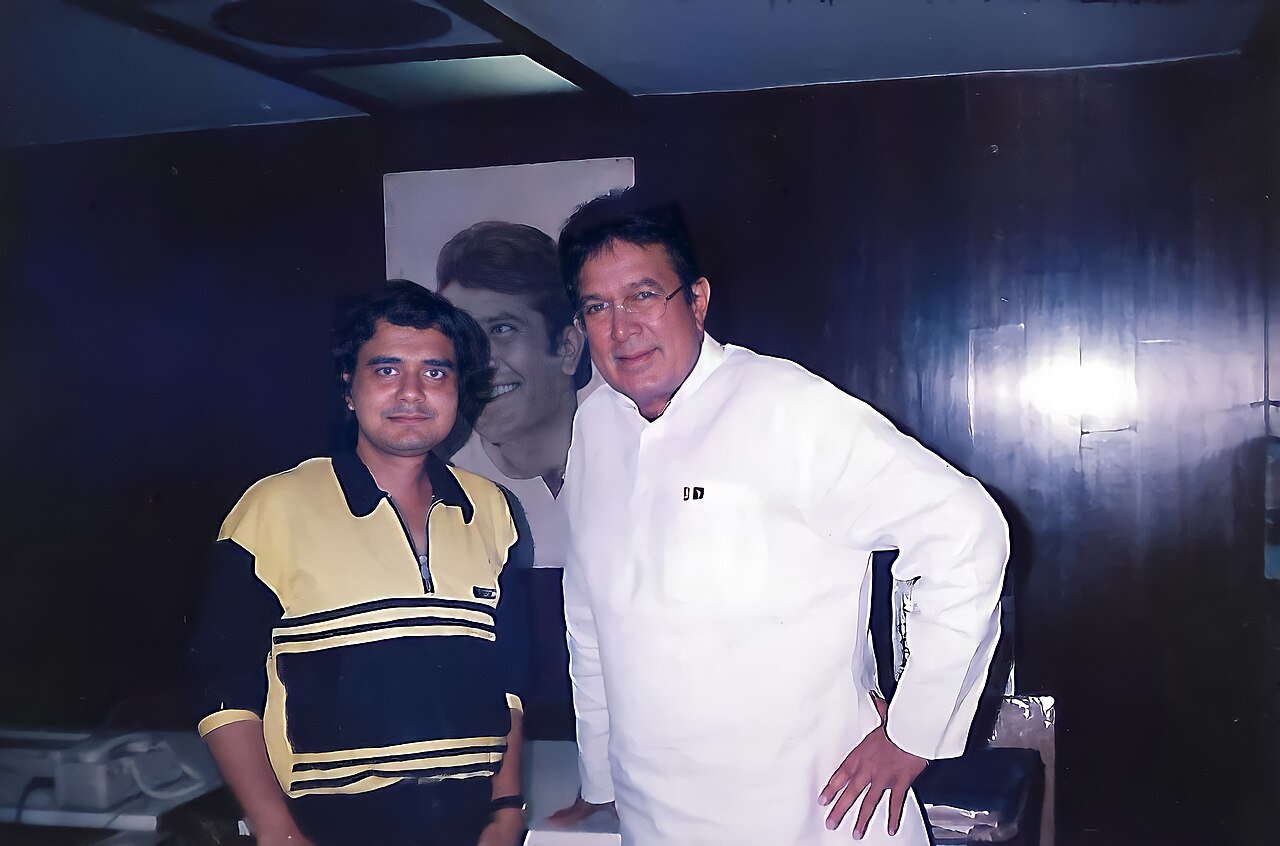
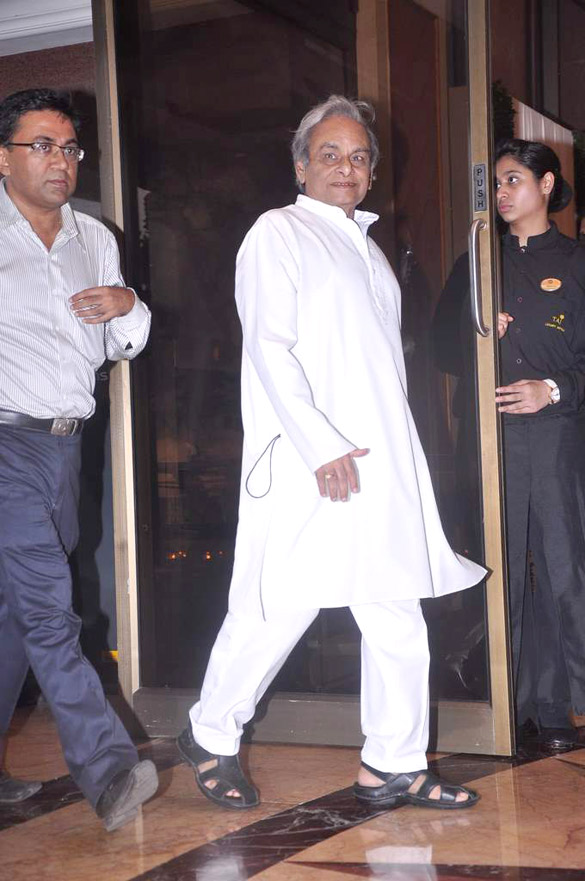
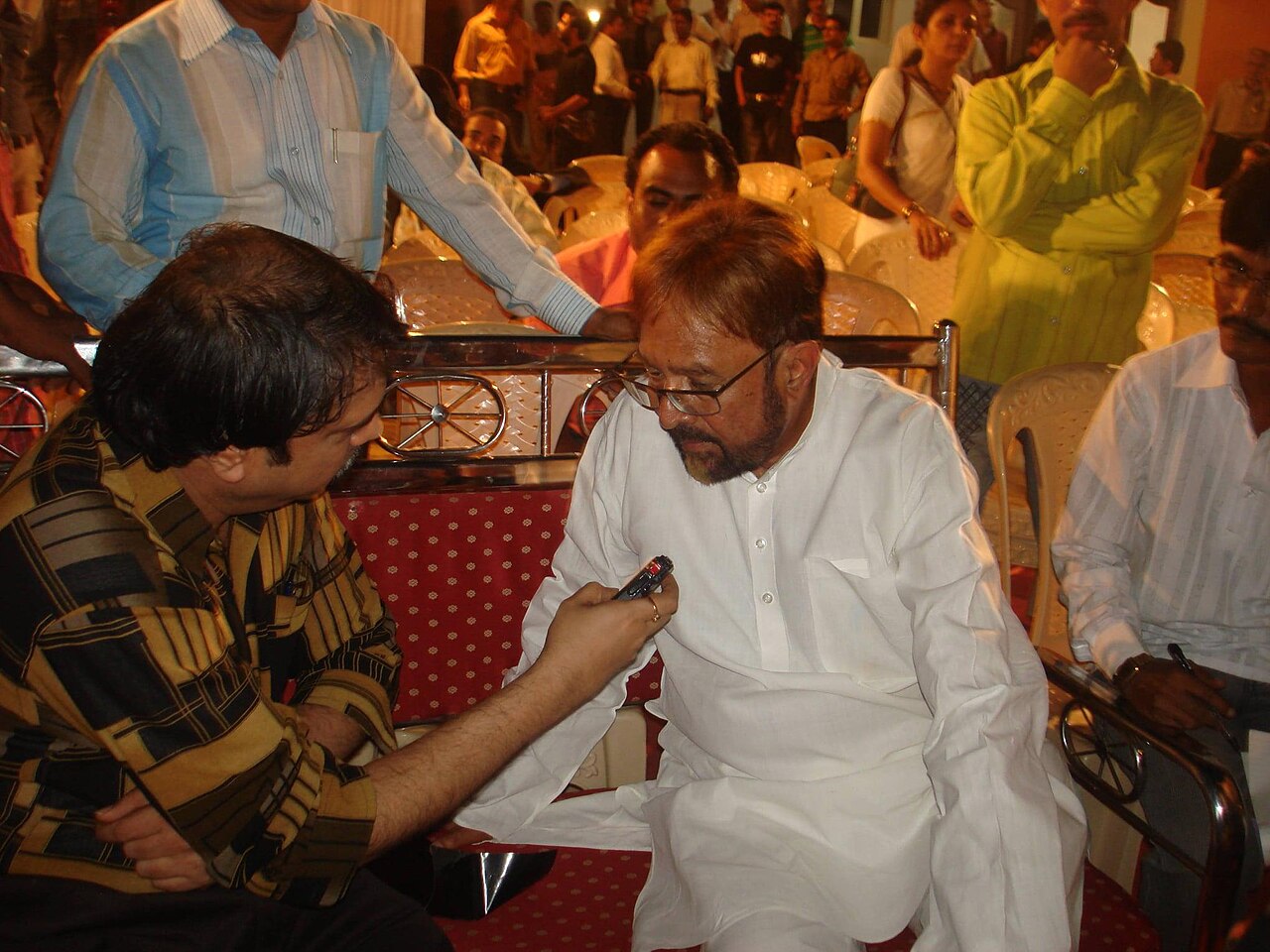
CreativoCamaal of Lens Naayak Photography · CC BY-SA 4.0
Rajesh Khanna (born Jatin Khanna; 29 December 1942 – 18 July 2012) was an Indian actor, film producer, and politician active in Hindi cinema. Widely regarded as the first superstar of the industry, he is remembered as one of its greatest and most successful performers. Over his career, he won five Filmfare Awards and was posthumously awarded the Padma Bhushan, India’s third-highest civilian honor, in 2013.
Khanna made his acting debut in 1966 with *Aakhri Khat*. His breakthrough came in 1969 with the romantic musical *Aradhana*, starring Sharmila Tagore. The film was a massive blockbuster and turned him into an overnight sensation. Later that same year, the romantic family drama *Do Raaste*, opposite Mumtaz, also released. Together, these films launched what became known as “Rajesh Khanna Mania” in the early 1970s. He dominated the box office through 1969, 1970, and 1971 with a string of hits including *The Train*, *Sachaa Jhutha*, *Safar*, *Aan Milo Sajna*, *Kati Patang*, *Mehboob Ki Mehndi*, *Anand*, *Andaz*, *Maryada*, *Haathi Mere Saathi*, *Chhoti Bahu*, and *Khamoshi* (released in 1969). In three years, he delivered 15 consecutive solo successes—a record that remains unbroken.
In 2005, on the 50th anniversary of the Filmfare Awards, Khanna received the Filmfare Lifetime Achievement Award. He served as a Member of Parliament for the New Delhi constituency in the 10th Lok Sabha from 1992 to 1996, winning a by-election in 1992 as an Indian National Congress candidate. He married Dimple Kapadia in March 1973, eight months before her debut film *Bobby* was released. The couple had two daughters: Twinkle Khanna, a former actress married to actor Akshay Kumar, and Rinke Khanna, also a former actress. Khanna died on 18 July 2012 after a period of illness.
**Early life and background**
Khanna was born on 29 December 1942 in Amritsar, in the Punjab Province of British India (now in Punjab, India), as Jatin Khanna into a Punjabi Hindu Khatri family. He was adopted and raised by Chunnilal Khanna and Leelawati Khanna, who were relatives of his biological parents, Lala Hiranand Khanna and Chandrani Khanna. His biological father had migrated from the Vehari District in West Punjab (now in Pakistan) to Gali Tiwarian in Amritsar and worked as headmaster of the MC High School in Burewala.
Quick Facts
- Birth Name
- Jatin Khanna
- Birth Date
- 1942-12-29
- Birth Place
- Amritsar, Punjab, British India (present-day Punjab, India)
- Death Date
- 2012-07-18
- Death Place
- Mumbai, Maharashtra, India
- Occupation
- Actor · film producer · politician
- Years Active
- 19662012
- Works
- Full list
- Partners
- Anju Mahendru (1967–1972) · Tina Munim (1984–1987) / Anita Advani (2000s–2012)
- Children
- Twinkle · Rinke
- Relatives
- Akshay Kumar (son-in-law) · Simple Kapadia (sister-in-law)
- Honours
- Padma Bhushan (2013)
Facts from the source article.
Lore & Background
Rajesh Khanna was born on 29 December 1942 in Amritsar, Punjab Province of British India, as Jatin Khanna into a Punjabi Hindu Khatri family. He was adopted and raised by relatives Chunnilal Khanna and Leelawati Khanna. His biological parents were Lala Hiranand Khanna and Chandrani Khanna. He attended St. Sebastian's Goan High School with friend Ravi Kapoor (later Jeetendra) and developed an interest in theatre. In 1962 he played a wounded mute soldier in the play Andha Yug, impressing the chief guest who suggested he enter films. He studied at Nowrosjee Wadia College in Pune and later at Kishinchand Chellaram College, Mumbai. His uncle KK Talwar changed his first name to Rajesh when he decided to enter films. Friends and his wife called him Kaka.
Reader's Guide
Rajesh Khanna's significance lies in his unprecedented box-office dominance and his status as the first Superstar of Hindi cinema. His rise began in 1969 with the romantic musical Aradhana and the family drama Do Raaste, which turned him into an overnight sensation. He then delivered 17 consecutive successes over three years, a record that remains unbroken. His career included iconic films such as Anand, for which he won his second Filmfare Award for Best Actor, and Sachaa Jhutha, for which he won his first. He also served as a Member of Parliament in the 10th Lok Sabha from New Delhi between 1992 and 1996 as an Indian National Congress candidate. In 2005 he received the Filmfare Lifetime Achievement Award, and in 2013 he was posthumously awarded the Padma Bhushan. His legacy endures as a benchmark for stardom in Indian cinema.
Did You Know?
- Rajesh Khanna made his acting debut in 1966 with Aakhri Khat, which was India's first official Academy Awards entry in 1967.
- He won the 1965 All India Talent Contest, beating over 10,000 contestants, and was one of eight finalists.
- His older daughter Twinkle Khanna is a former actress married to actor Akshay Kumar.
Theatrical Roots and a New Identity
Rajesh Khanna entered the world on 29 December 1942 in Amritsar, in the Punjab Province of British India, under the name Jatin Khanna. Born into a Punjabi Hindu Khatri family, he was raised by his relatives Chunnilal and Leelawati Khanna, a family of railway contractors who had relocated from Lahore to Bombay in 1935, rather than by his biological parents—Lala Hiranand Khanna, a school headmaster, and Chandrani Khanna. Growing up near Girgaon in Mumbai, young Jatin found his true calling on the stage. At St. Sebastian's Goan High School, where he studied alongside a classmate who would later become actor Jeetendra, he threw himself into school and college theatre, collecting prizes in inter-college drama competitions. A pivotal moment arrived in 1962 when he portrayed a wounded, mute soldier in the play Andha Yug; the chief guest at the performance urged him to pursue cinema. After studying at Nowrosjee Wadia College in Pune and later Kishinchand Chellaram College in Mumbai, he made the leap to films. His uncle KK Talwar suggested the stage name Rajesh, while those closest to him—friends and eventually his wife—simply called him Kaka, a Punjabi term of endearment for a young, baby-faced boy.
From Talent Contest to an Unbreakable Streak
Khanna's path to the screen began with the 1965 All India Talent Contest, organized by United Producers and Filmfare, where he was one of eight finalists drawn from more than ten thousand contestants. He edged out the competition by a single point, sharing the win with Farida Jalal, while the judging panel included luminaries such as Bimal Roy, G.P. Sippy, and Nasir Hussain. His predetermined prize included a role in Aakhri Khat (1966), directed by Chetan Anand, which would go on to become India's first official Academy Awards entry in 1967. Yet it was 1969 that transformed him from a promising newcomer into a cultural phenomenon. Shakti Samanta's romantic musical Aradhana, co-starring Sharmila Tagore, became a massive blockbuster and made him an overnight sensation; its soundtrack, composed by S.D. Burman with lyrics by Anand Bakshi, ranked as the third best-selling Hindi film album of the 1960s. That same year, Raj Khosla's Do Raaste, opposite Mumtaz, became the first Indian film to gross one hundred thousand pounds in the United Kingdom. The momentum never faltered: across 1969, 1970, and 1971, Khanna delivered seventeen consecutive box-office successes—a record that remains unbroken to this day—sparking what the press dubbed 'Rajesh Khanna Mania.'
Honors and a Lasting Legacy
Rajesh Khanna's place in Indian cinema history is singular. He is widely regarded as the first true Superstar of Hindi films, a designation that captures not only his extraordinary box-office draw but also the cultural phenomenon his name came to represent. Over the course of his career he collected five Filmfare Awards, and in 2005, on the fiftieth anniversary of the Filmfare Awards ceremony, he was presented with the Filmfare Lifetime Achievement Award—a recognition of his sustained impact on the industry. His contributions were further acknowledged at the national level: in 2013, one year after his death, the Government of India posthumously conferred upon him the Padma Bhushan, the country's third-highest civilian honour. Beyond individual accolades, his record of seventeen consecutive commercial successes over three years stands as an unbroken benchmark in Hindi cinema. Whether through the romantic musicals that defined an era or the dramatic roles that showcased his range, Khanna reshaped what audiences expected from a leading man and set a template that subsequent generations of stars would measure themselves against.
Personal Life, Public Service, and Farewell
Off the screen, Khanna's life was marked by both personal joy and public engagement. In March 1973, he married actress Dimple Kapadia, a union that came just eight months before her debut film Bobby hit theatres. The couple had two daughters: Twinkle Khanna, a former actress who later married actor Akshay Kumar, and Rinke Khanna, who also pursued acting before stepping away from the industry. Khanna's public life extended beyond cinema into politics; he was elected as an Indian National Congress candidate in the 1992 New Delhi by-election and served as a Member of Parliament in the 10th Lok Sabha from the New Delhi constituency until 1996. He also worked as a film producer during his career. After a period of illness, Rajesh Khanna passed away on 18 July 2012, leaving behind a legacy that continues to define the golden age of Hindi cinema and the very concept of stardom in Indian popular culture.
Gallery
Frequently Asked Questions
Who is Rajesh Khanna?
Rajesh Khanna, born Jatin Khanna in Amritsar in 1942, was an Indian actor, film producer, and politician who became the defining star of Hindi cinema in the late 1960s and early 1970s. He passed away in 2012 and is remembered as one of the most successful performers in Bollywood history.
Why is Rajesh Khanna called the first superstar of Bollywood?
Before Khanna, Hindi films had well-known actors but no single performer who commanded the level of mass frenzy and cultural dominance he achieved. His unprecedented string of box-office triumphs set a new standard for stardom in Indian cinema that later megastars would build upon.
What was Rajesh Khanna's breakthrough film?
His 1969 romantic musical Aradhana, co-starring Sharmila Tagore, turned him into an overnight sensation and launched his legendary run of hits. The film became a massive blockbuster and cemented his status as the industry's biggest name.
How many consecutive box-office hits did Rajesh Khanna achieve?
Between 1969 and 1971, Khanna delivered a remarkable run of fifteen consecutive solo box-office successes, a streak that remains a benchmark in Hindi cinema. This extraordinary record is a major reason he is credited as the first true superstar of the industry.
What major awards did Rajesh Khanna receive?
Over his career he collected five Filmfare Awards for his acting work. In 2013, the Indian government posthumously honored him with the Padma Bhushan, the nation's third-highest civilian award.
More in International Film Icons 1-19
Spotted an error? Know more?
Reader corrections go straight into our review queue. Suggest an edit · How this site is sourced