
Ernst Kaltenbrunner
Austrian SS leader and convicted war criminal executed at Nuremberg.

Unknown · CC BY-SA 3.0 de
Ernst Kaltenbrunner, an Austrian lawyer and a high-ranking SS officer, was a key figure in the Holocaust and was later convicted as a war criminal. Following the assassination of Reinhard Heydrich in 1942, and after a short interim under Heinrich Himmler, Kaltenbrunner became the second head of the Reich Security Main Office (RSHA) in January 1943. This agency oversaw the Gestapo, the Criminal Police (Kripo), and the Security Service (SD). He held this post until the end of World War II in Europe and also served as president of Interpol during the same period. At the Nuremberg trials, he was the most senior SS member to stand trial, was found guilty of war crimes and crimes against humanity, and was executed by hanging on 16 October 1946.
Kaltenbrunner was born on 4 October 1903 in Ried im Innkreis, Austria-Hungary. He was close to his mother, Theresia Utwardy, while his father Hugo was a lawyer. He spent his early years in Raab and later attended the Realgymnasium in Linz. Raised in a nationalist household, his worldview was shaped by the völkisch Pan-Germanism movement, which his father supported. Kaltenbrunner’s own Pan-Germanism, which included antisemitism and a belief that politics was a racial struggle, developed through nationalist student fraternities called Burschenschaften. Contrary to some claims, there is no credible evidence that he was a childhood friend of Adolf Eichmann, the SS officer who later helped implement the "Final Solution."
After finishing gymnasium in 1921, Kaltenbrunner initially studied chemistry at the University of Graz, where his father had studied, but switched to law in 1923. At Graz, he joined the Arminia fraternity, was active in student politics, and took part in demonstrations against Marxism and clerical influence. He earned his law doctorate in 1926. He then worked at a law firm in Salzburg for a year before opening his own practice in Linz. He had deep scars on his face, reportedly from student dueling, though some sources say they came from a drunk-driving accident. By 1928, historian Peter Black notes, Kaltenbrunner was bored and unfulfilled. His work as a provincial lawyer in Linz led him to right-wing gymnastic circles, where he joined the Deutsch-Volkischer Turnverein, an organization linked to the paramilitary Austrian Heimwehr. Black described this group as a training ground for the illegal Nazi SA and SS.
Quick Facts
- Office
- Director of the Reich Security Main Office
- Term Start
- 30 January 1943
- Term End
- 8 May 1945
- Appointer
- Adolf Hitler
- Predecessor
- Reinhard HeydrichHeinrich Himmler (acting)
- Successor
- Office abolished
Facts from the source article.
Lore & Background
Kaltenbrunner obtained a doctorate in law from the University of Graz in 1926. He joined the Nazi Party in 1930 and the SS in 1931, and by 1935 he was considered a leader of the Austrian SS. In 1938, he assisted in the Anschluss and was given command of the SS and police force in Austria. There is no credible evidence that he was childhood friends with Adolf Eichmann. Kaltenbrunner married Elisabeth Eder on 14 January 1934; the couple had three children. He also had twins with his long-time mistress, Gisela Gräfin von Westarp. All the children survived the war.
Kaltenbrunner's SS career included serving as a legal consultant for the Nazi Party and SS, and he was briefly jailed in 1934 and again in 1935 on suspicion of high treason. He did not help establish the Mauthausen-Gusen concentration camp; it was established in 1938, before he held relevant authority.
Reader's Guide
Ernst Kaltenbrunner's significance lies in his role as a top Nazi official who directly orchestrated the Holocaust and other war crimes from January 1943 until the end of World War II. As chief of the Reich Security Main Office, he controlled the Gestapo, Kripo, and SD, intensifying the extermination of Jews and suppressing resistance across occupied territories. His conviction at Nuremberg as the highest-ranking SS member to face trial (Himmler having committed suicide) marked a key moment in post-war justice. Kaltenbrunner's legacy is that of a committed antisemite and major perpetrator whose actions caused immense suffering. His execution by hanging on 16 October 1946 closed a chapter of Nazi leadership accountability. The historical record, based solely on the source article, underscores his pivotal role in the Holocaust and his ultimate punishment for crimes against humanity.
Did You Know?
- He had deep scars on his face reportedly from duelling in his student days, though some sources attribute them to a drunk-driving crash.
- He helped establish the Mauthausen-Gusen concentration camp near Linz.
Gallery
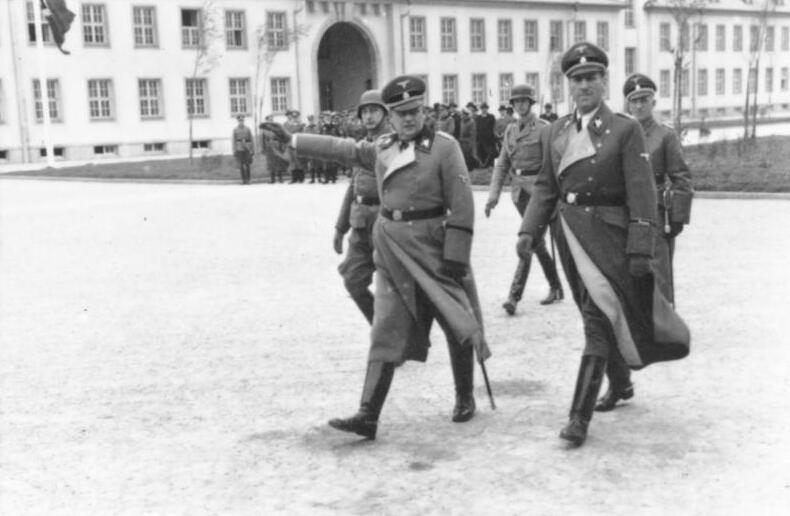
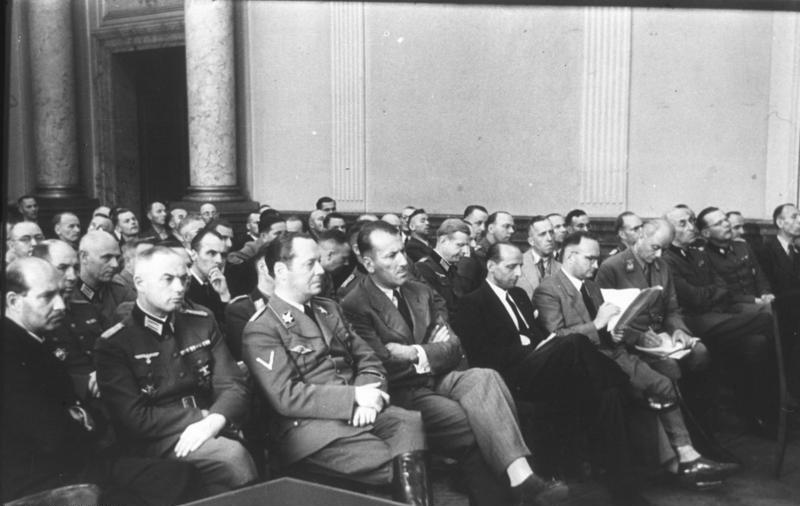
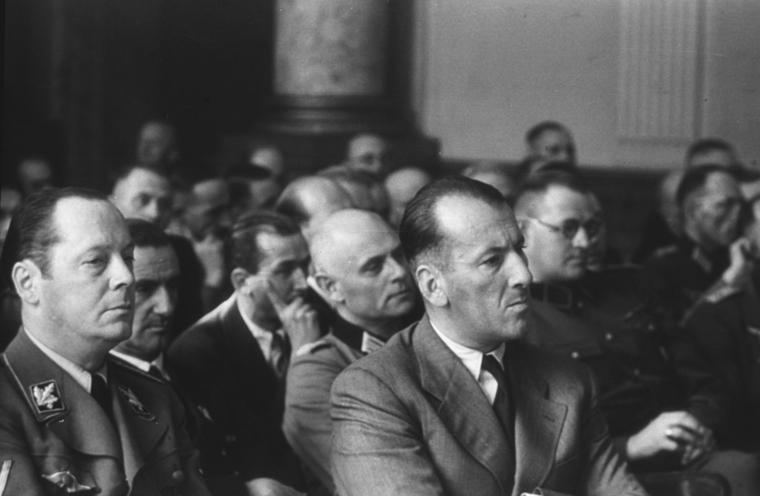
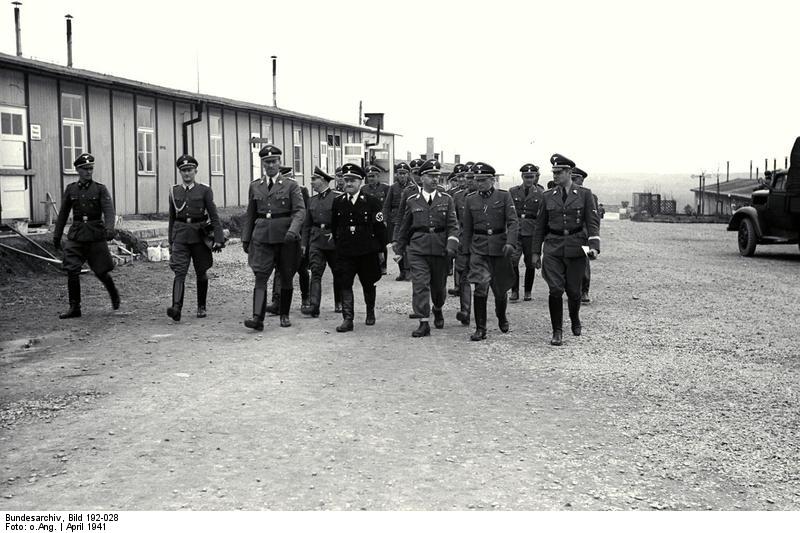
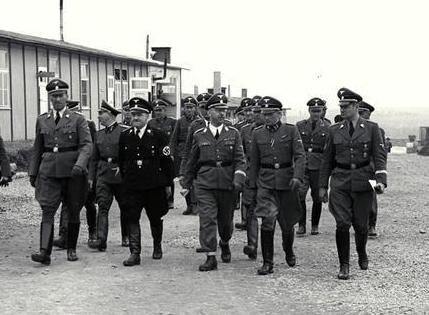
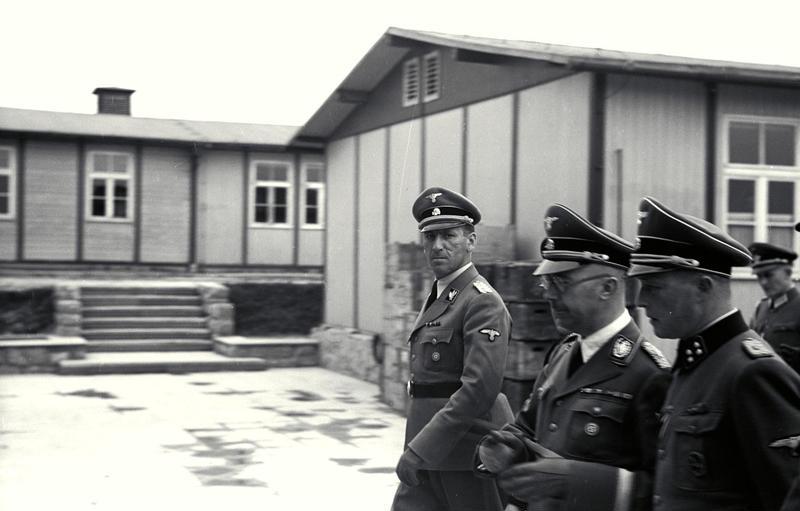
Frequently Asked Questions
Who is Ernst Kaltenbrunner?
Ernst Kaltenbrunner was an Austrian-born lawyer who rose to become a senior SS officer and one of the principal architects of the Holocaust. He served as the second director of the Reich Security Main Office (RSHA) and was ultimately executed as a convicted war criminal after World War II.
How did Kaltenbrunner become head of the RSHA?
After Reinhard Heydrich was assassinated in 1942, Heinrich Himmler briefly assumed the RSHA role himself before appointing Kaltenbrunner to the post in January 1943. This gave Kaltenbrunner command over the Gestapo, the Criminal Police, and the Security Service for the remainder of the war.
What was Kaltenbrunner's connection to Interpol?
During his tenure heading the RSHA, Kaltenbrunner simultaneously held the title of president of Interpol. This placed him at the top of the world's largest police organization while it was being leveraged as an instrument of Nazi security operations.
Why is Kaltenbrunner considered significant in Holocaust history?
As head of the RSHA, he oversaw the intelligence, police, and security apparatus that carried out mass surveillance, arrests, and deportations across occupied Europe. His position placed him among the most directly responsible senior officials for the bureaucratic machinery of the genocide.
More in Infamous Criminals And Outlaws 1-24
Spotted an error? Know more?
Reader corrections go straight into our review queue. Suggest an edit · How this site is sourced