
Ed Gein
American murderer and body snatcher from Plainfield, Wisconsin.

Original uploader was Richard Arthur Norton (1958- ) at en.Wikipedia · Public domain
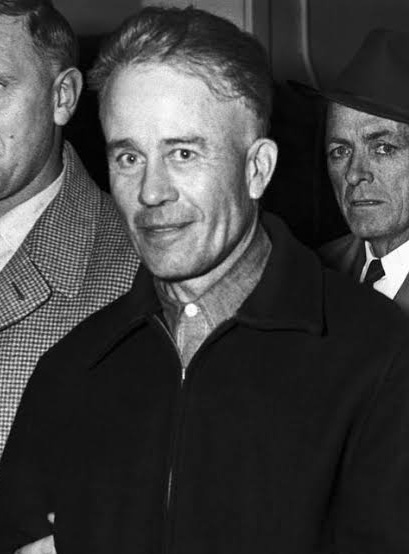
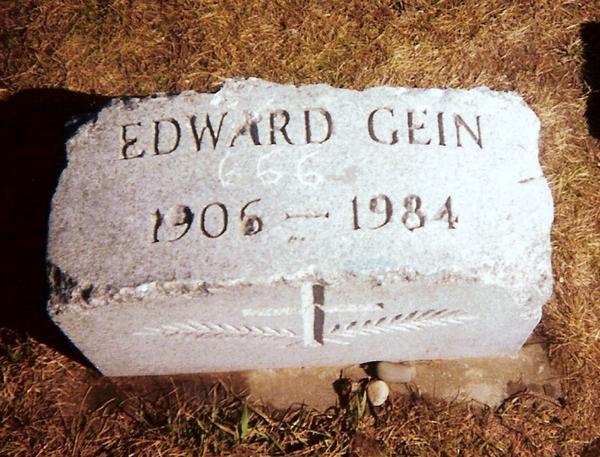
Edward Theodore Gein (August 27, 1906 – July 26, 1984), called the Butcher of Plainfield and the Plainfield Ghoul, was an American murderer and body snatcher. His crimes, which took place near his home in Plainfield, Wisconsin, became widely known in 1957 when police found he had taken corpses from local cemeteries and made souvenirs from their bones and skin. He also admitted to killing two women: Mary Hogan, a tavern owner, in 1954, and Bernice Worden, a hardware store owner, in 1957.
Gein was first ruled unfit for trial and sent to a mental hospital. In 1968, he was found competent to stand trial. At trial, he was found not guilty by reason of insanity and was committed to a psychiatric facility.
Gein was born in La Crosse, Wisconsin, on August 27, 1906, the younger of two sons of George Philip Gein and Augusta Wilhelmine Gein, both of German descent. His only sibling was an older brother, Henry. Augusta, a strict Lutheran, often told her sons the world was immoral, drinking was evil, and all women were naturally promiscuous and tools of the Devil. She read them Bible passages each afternoon, usually from the Old Testament and the Book of Revelation about death, murder, and divine punishment. Gein worshipped his mother and eventually became obsessed with her.
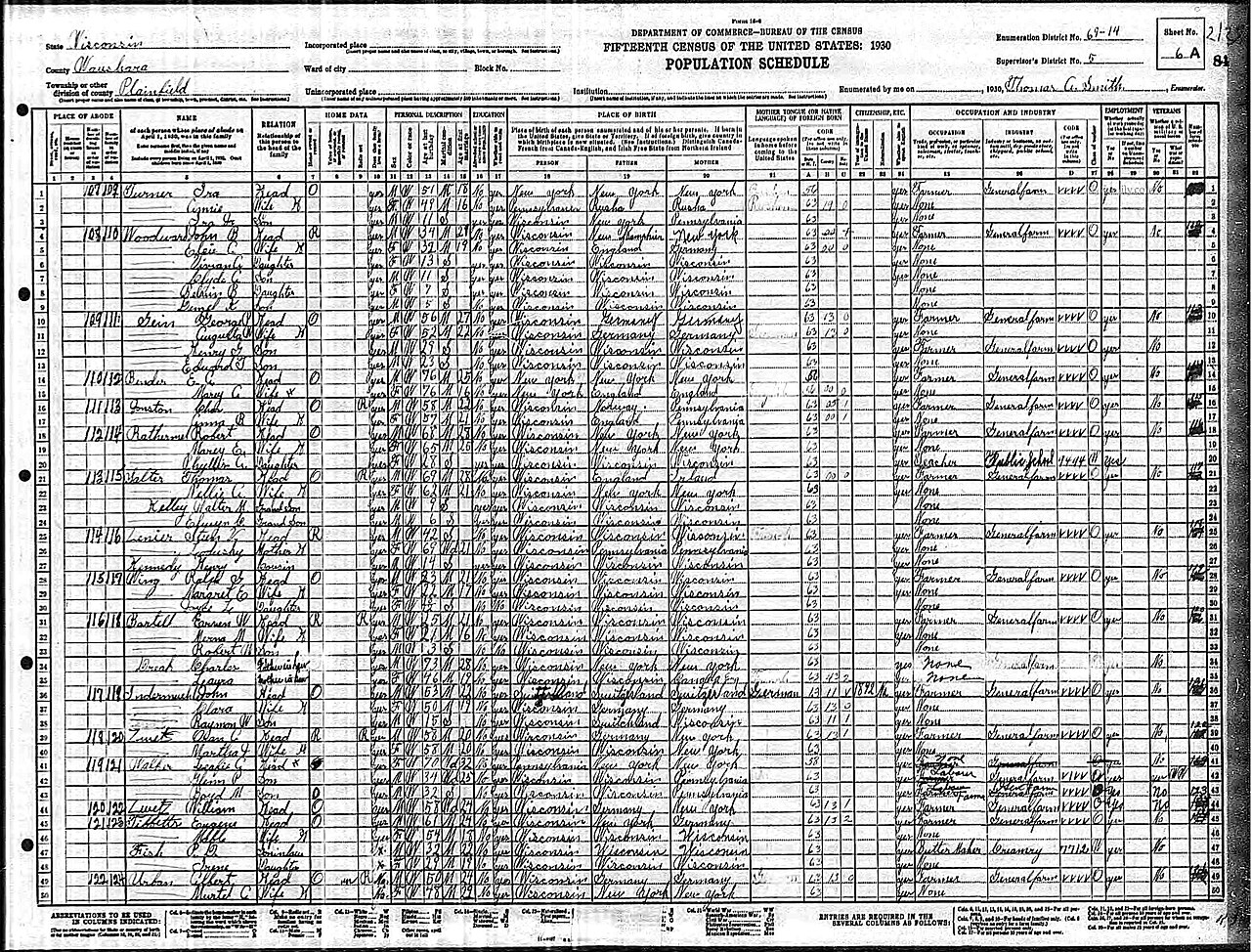
In La Crosse, George worked as a carpenter, tanner, and firefighter. He also ran a local grocery store but soon sold it and moved the family to a 155-acre farm in Plainfield, Wisconsin, which became their permanent home. George was reportedly a hardworking, non-abusive man, and there is no reliable evidence that he was a violent alcoholic. Augusta used the farm’s isolation to keep outsiders away from her sons.
Gein left the farm only for school. Outside class, he spent most of his time doing chores. He was shy. Classmates and teachers remembered odd habits, like laughing for no clear reason, as if at private jokes. According to family acquaintances, Augusta punished him whenever he tried to make friends. Despite poor social skills, Gein did well in school, especially in reading.
On April 1, 1940, George died of heart failure at age 66. Ed and Henry took odd jobs around town to pay expenses. The community saw both brothers as reliable and honest. While they worked as handymen, Ed often babysat neighbors’ children, seeming to relate better to kids than adults.
Quick Facts
- Other Names
- The Plainfield Ghoul · The Plainfield Butcher · The Butcher of Plainfield
- Birth Name
- Edward Theodore Gein
- Birth Date
- 1906-08-27
- Birth Place
- La Crosse County, Wisconsin, U.S.
- Death Date
- 1984-07-26
- Death Place
- Madison, Wisconsin, U.S.
- Criminal Status
- Deceased
- Resting Place
- Plainfield Cemetery
- Victims
- 2 murders confirmed · 7 others suspected · 9 corpses mutilated (obtained from desecrated graves)
- Beginyear
- 1947
- Endyear
- 1957
- Country
- United States
Facts from the source article.
Lore & Background
Gein was born in La Crosse, Wisconsin, the second son of George and Augusta Gein. His mother, a fervently religious Lutheran, preached about the immorality of the world and the evil of women, and Gein became obsessed with her. The family moved to a 155-acre farm in Plainfield, Wisconsin. Gein's father was reportedly hardworking and non-abusive, with no reliable evidence that he was a violent alcoholic. Gein was shy and had strange mannerisms, but did well in school. After his father died in 1940, Gein and his brother Henry worked odd jobs. Henry died in 1944 under suspicious circumstances; the cause was listed as asphyxiation, but no autopsy was performed. Augusta died in 1945, leaving Gein alone. He boarded up her rooms and lived in squalor, reading pulp magazines about cannibals and Nazi atrocities.
Reader's Guide
Gein's significance lies in the macabre nature of his crimes, which shocked the nation in 1957. He confessed to killing two women and to exhuming dozens of corpses from local graveyards, from which he crafted items such as masks, bowls, and a corset from human skin. His case became a touchstone for later fictional characters, though the article does not specify which. Gein was initially found unfit to stand trial and confined to a mental health facility. In 1968, he was judged competent, found guilty of murdering Bernice Worden, but legally insane, and remanded to a psychiatric institution. His life and crimes continue to be studied as a case of extreme psychological disturbance and isolation.
Did You Know?
- Gein's mother Augusta believed all women were naturally promiscuous and instruments of the Devil.
- Gein's brother Henry died in 1944; the cause was listed as asphyxiation, but no autopsy was performed.
- Authorities found nine vulvas in a shoebox in Gein's house.
- Gein told investigators he made up to forty nocturnal visits to graveyards between 1947 and 1952.
Gallery


Frequently Asked Questions
Who is Ed Gein?
Edward Theodore Gein (1906–1984) was an American murderer and grave robber from Plainfield, Wisconsin, widely known by the nicknames 'Butcher of Plainfield' and 'Plainfield Ghoul.' He is one of the most notorious true-crime figures in U.S. history.
What crimes did Ed Gein commit?
He murdered two women—tavern owner Mary Hogan in 1954 and hardware-store owner Bernice Worden in 1957—and also exhumed bodies from local cemeteries to fashion objects from their bones and skin.
What was Ed Gein's legal outcome?
After his 1957 arrest he was first declared mentally unfit and committed to a psychiatric hospital, but in 1968 a court found him competent to stand trial and he was ultimately sentenced to life imprisonment.
Why is Ed Gein culturally significant?
His crimes became a recurring subject of horror films, novels, and television, cementing his name as a shorthand for rural American evil in popular culture far beyond the actual events in Wisconsin.
Where and when did Ed Gein's crimes take place?
All of his offenses occurred in and around the small town of Plainfield, Wisconsin, near his family home, with the killings spanning 1954 to 1957 and the grave-robbing artifacts discovered by police in 1957.
More in Infamous Criminals And Outlaws 1-24
Spotted an error? Know more?
Reader corrections go straight into our review queue. Suggest an edit · How this site is sourced