
Elizabeth Báthory
Hungarian noblewoman accused of serial murder.

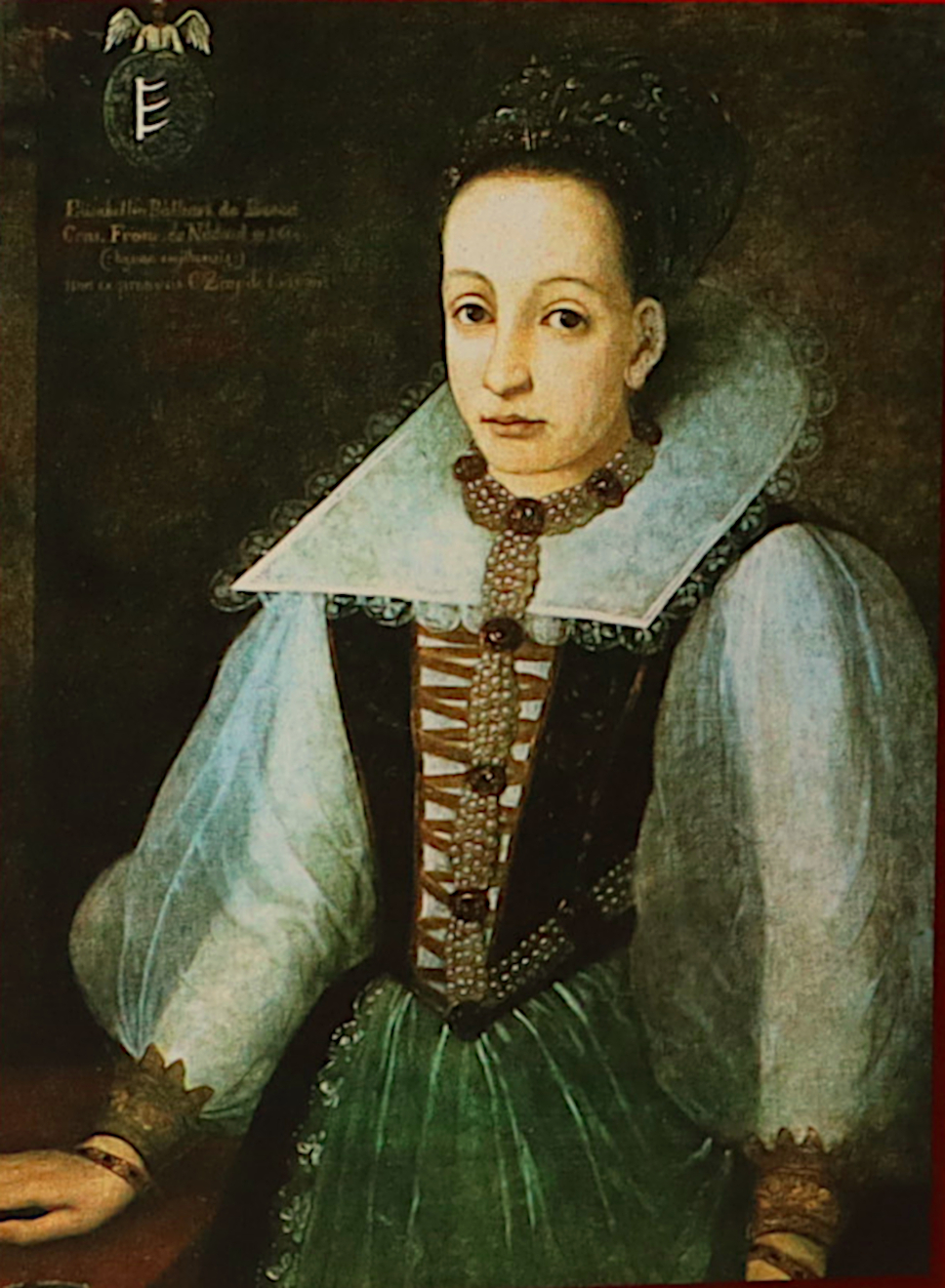
Graf Gyula Andrássy · Public domain
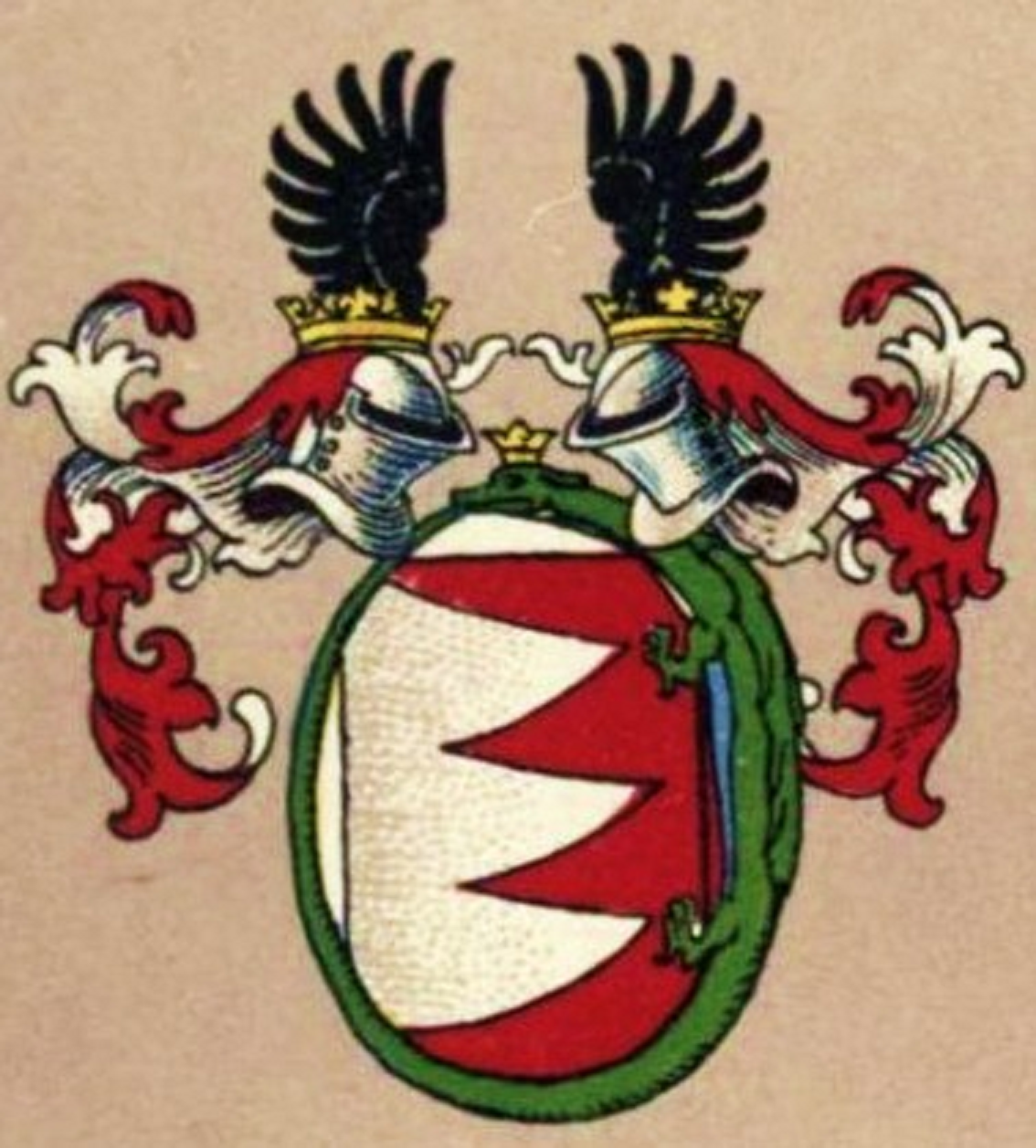
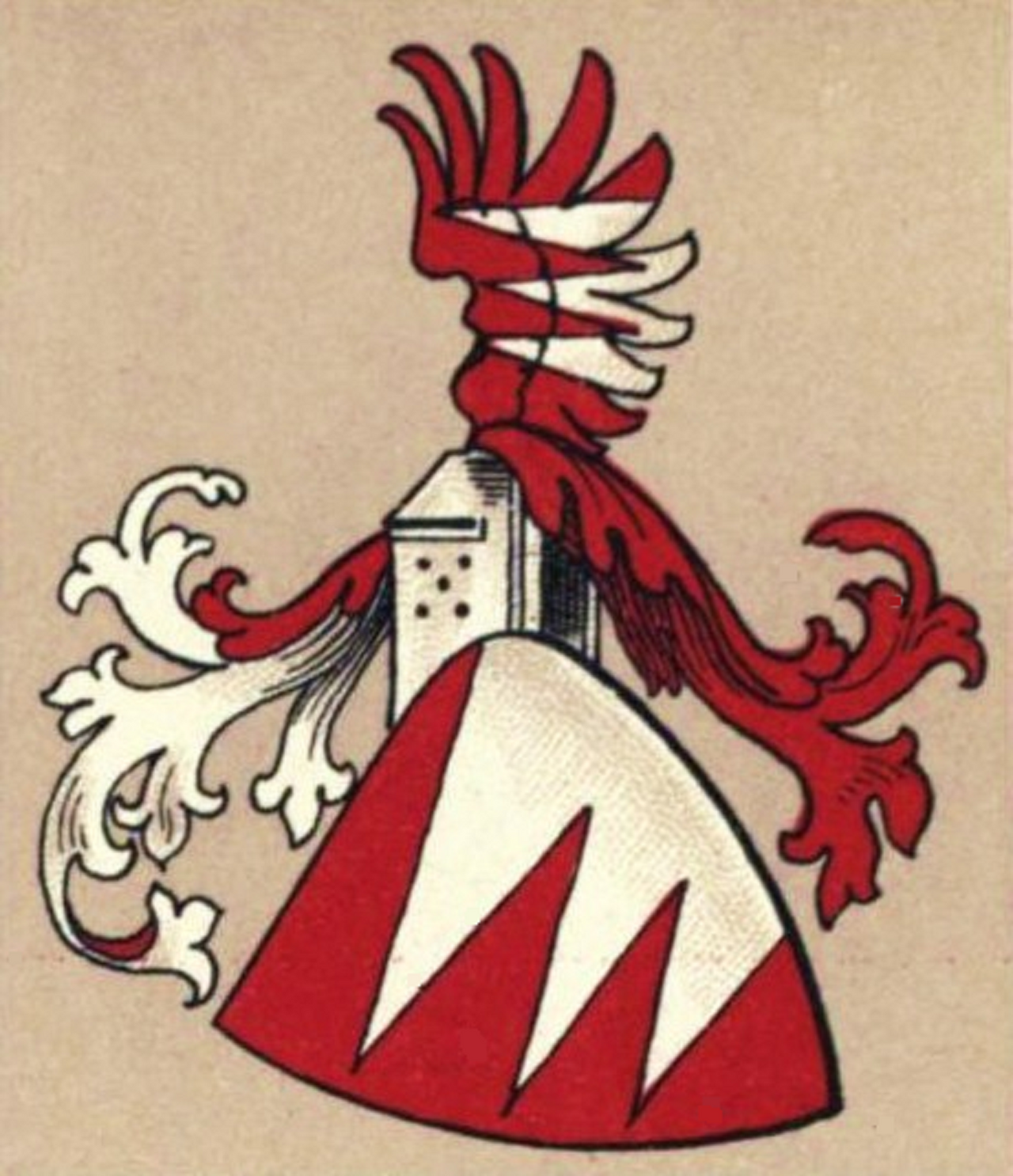
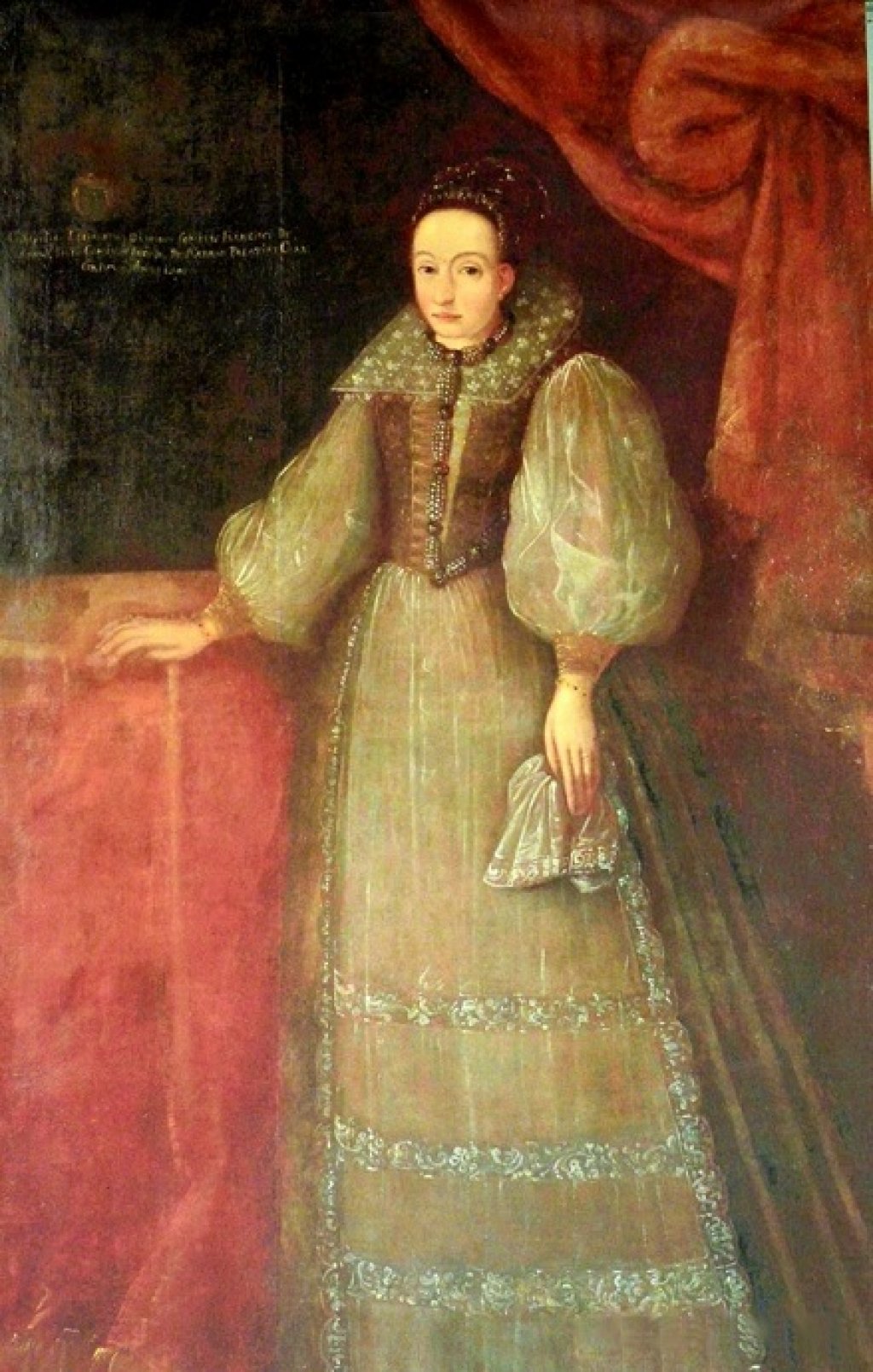
Elizabeth Báthory (7 August 1560 – 21 August 1614) was a Hungarian noblewoman from the powerful House of Báthory, who owned land in the Kingdom of Hungary. She is alleged to have been a serial killer, accused along with four servants of torturing and killing hundreds of girls and women from 1590 to 1610. Báthory and her cohorts were charged with 80 counts of murder, but she was never formally convicted or tried; her servants were executed, while she was imprisoned in the Castle of Csejte until her death in her sleep. The accusations were supported by testimony from over 300 individuals, though some scholars suggest the case was a political spectacle to diminish her family's influence.
Quick Facts
- Other Names
- Bloody Countess
- Birth Name
- Báthori Erzsébet
- Birth Date
- 7 August 1560
- Birth Place
- Nyírbátor, Kingdom of Hungary
- Death Date
- 1614-08-21
- Death Place
- Csejte, Kingdom of Hungary / (now Čachtice, Slovakia)
- Known For
- Hungarian noblewoman · subject of folklore · serial killer
- Spouse
- Ferenc Nádasdy (1575–1604)
- Children
- Anna · Orsika · Katalin · András · Paul
- Family
- Báthory
Facts from the source article.
Lore & Background
Elizabeth Báthory was born in 1560 on a family estate in Nyírbátor, Royal Hungary, and spent her childhood at Ecsed Castle. Her father was Baron George VI Báthory, and her mother was Baroness Anna Báthory of Somlyó. She was raised Catholic and later became Lutheran, and learned Latin, German, and Hungarian. As a child, she had multiple seizures possibly caused by epilepsy. At age 13, she allegedly gave birth to a child fathered by a peasant boy, though this rumor is often disputed. In 1574, she was engaged to Count Ferenc Nádasdy, and they married on 8 May 1575. After her husband's death in 1604, she managed his estates.
Reader's Guide
Elizabeth Báthory's significance lies in her dual legacy as both a historical figure and a folkloric monster. Accused of murdering hundreds, she was convicted on 80 counts, but the reliability of the accusations is debated: some scholars view the trial as a political move to curb her family's power. Stories of her bathing in virgins' blood to retain youth emerged over a century after her death and are considered unreliable by modern historians. Her legend may have influenced Bram Stoker's Dracula, though no direct evidence exists. Nicknames like 'Blood Countess' and 'Countess Dracula' persist in popular culture, but the historical record remains contested, with many details based on rumor rather than verified fact.
Did You Know?
- Her servants were executed, but she was imprisoned in the Castle of Csejte until she died in her sleep.
- Legends that she bathed in virgins' blood were recorded as factual only over a century after her death.
Gallery
Frequently Asked Questions
Who is Elizabeth Báthory?
She was a Hungarian noblewoman from the powerful House of Báthory, born in 1560, who became one of history's most notorious figures due to allegations of mass murder. She owned estates in the Kingdom of Hungary and moved in royal court circles.
What crimes was Elizabeth Báthory accused of?
She and four of her servants were charged with torturing and killing hundreds of young women and girls over roughly two decades, from around 1590 to 1610. The formal indictment listed 80 counts of murder, backed by testimony from more than 300 witnesses.
Was Elizabeth Báthory ever put on trial or convicted?
No — she was never formally tried or given a conviction. Her four servants were executed, but she herself was simply locked away in the Castle of Csejte, where she remained until her death.
How did Elizabeth Báthory die?
She passed away in her sleep on 21 August 1614 while confined in her cell at the Castle of Csejte. She was never released from imprisonment and died roughly four years after her arrest.
Why is Elizabeth Báthory still considered so infamous today?
Her case is among the earliest and most dramatic serial-killer accusations in European history, and the sheer scale of the alleged victim count keeps her name in popular culture. She has inspired countless films, books, and legends, often referred to as the 'Blood Countess.'
More in Infamous Criminals And Outlaws 1-24
Spotted an error? Know more?
Reader corrections go straight into our review queue. Suggest an edit · How this site is sourced