
Bunk bed
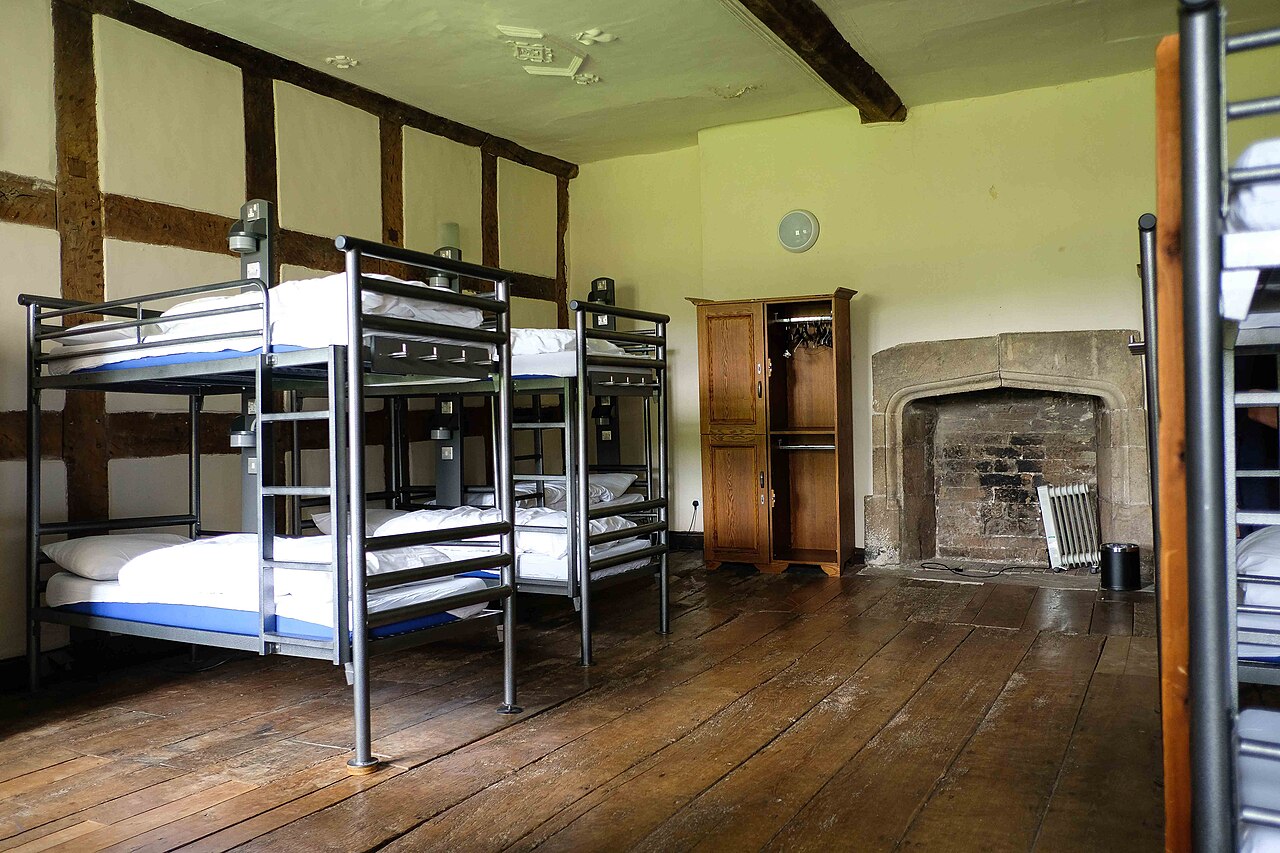
Stacked bed frames maximizing floor space for multiple sleepers.
Last updated

Bluyten · CC BY-SA 3.0
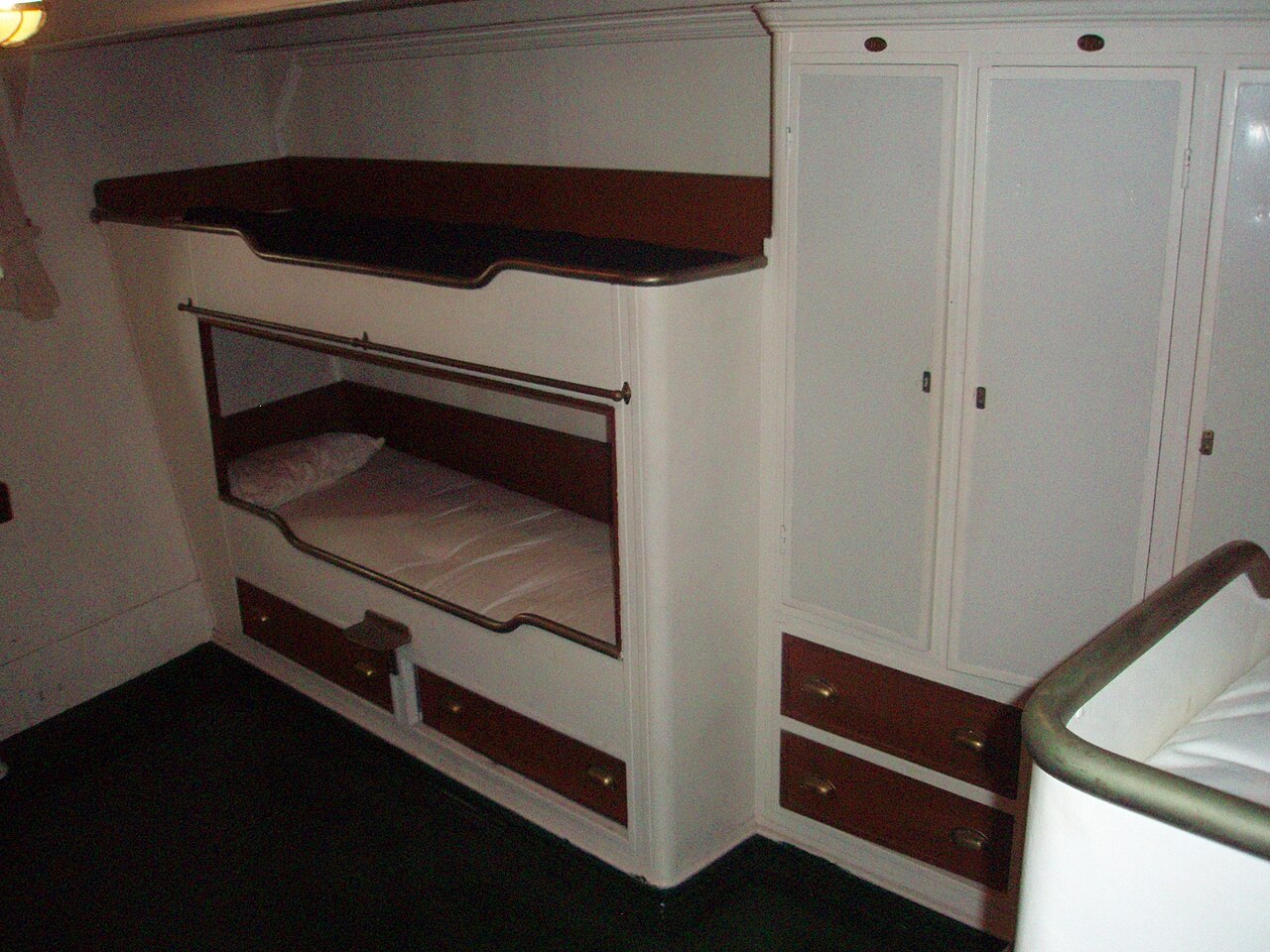
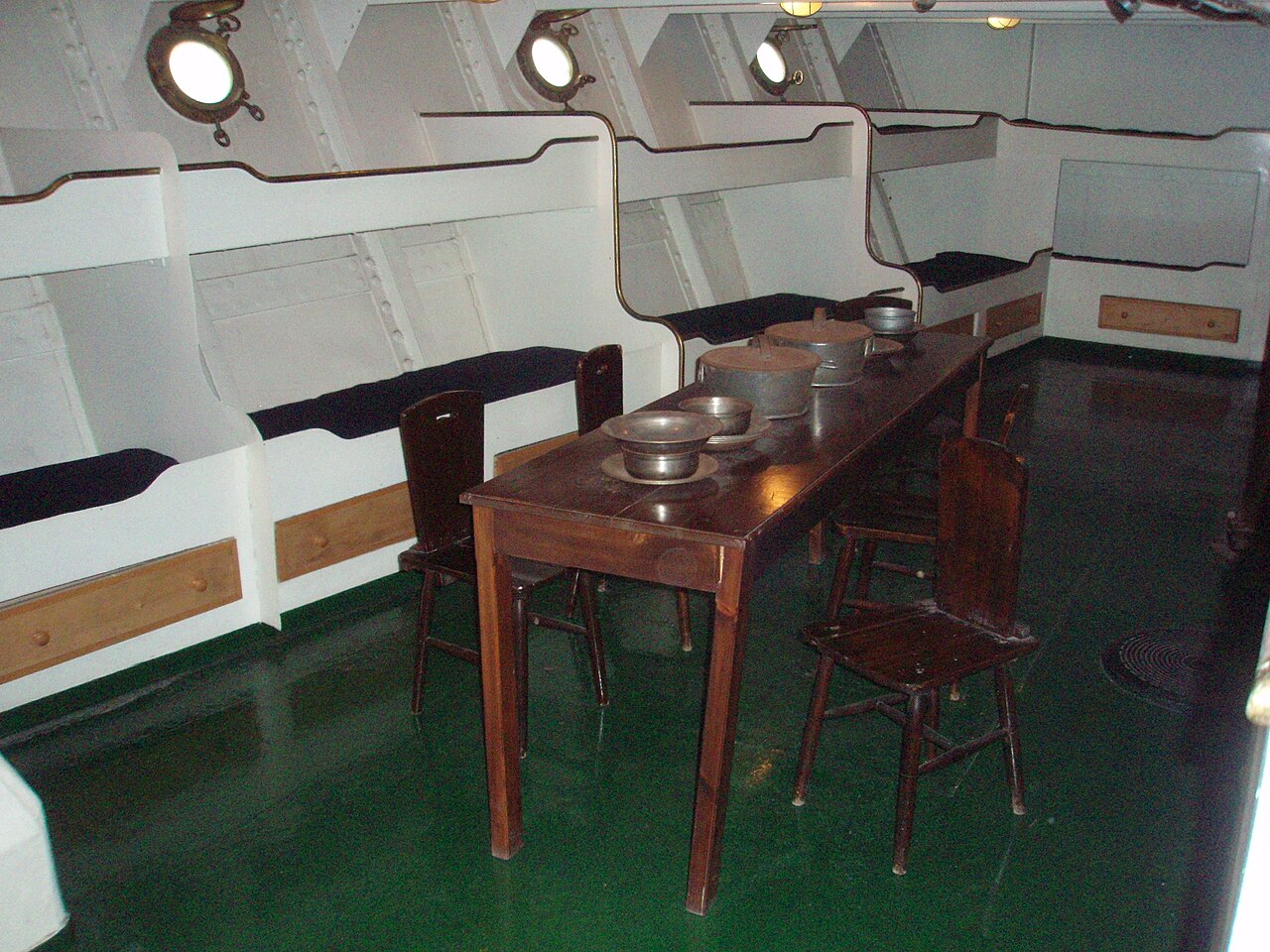
A bunk bed stacks one bed frame directly on top of another, so two or more people can sleep in the space normally taken up by a single bed. These beds are common on ships, in military barracks, hostels, dorms, summer camps, children's rooms, and prisons. Four corner posts or pillars typically support the structure.
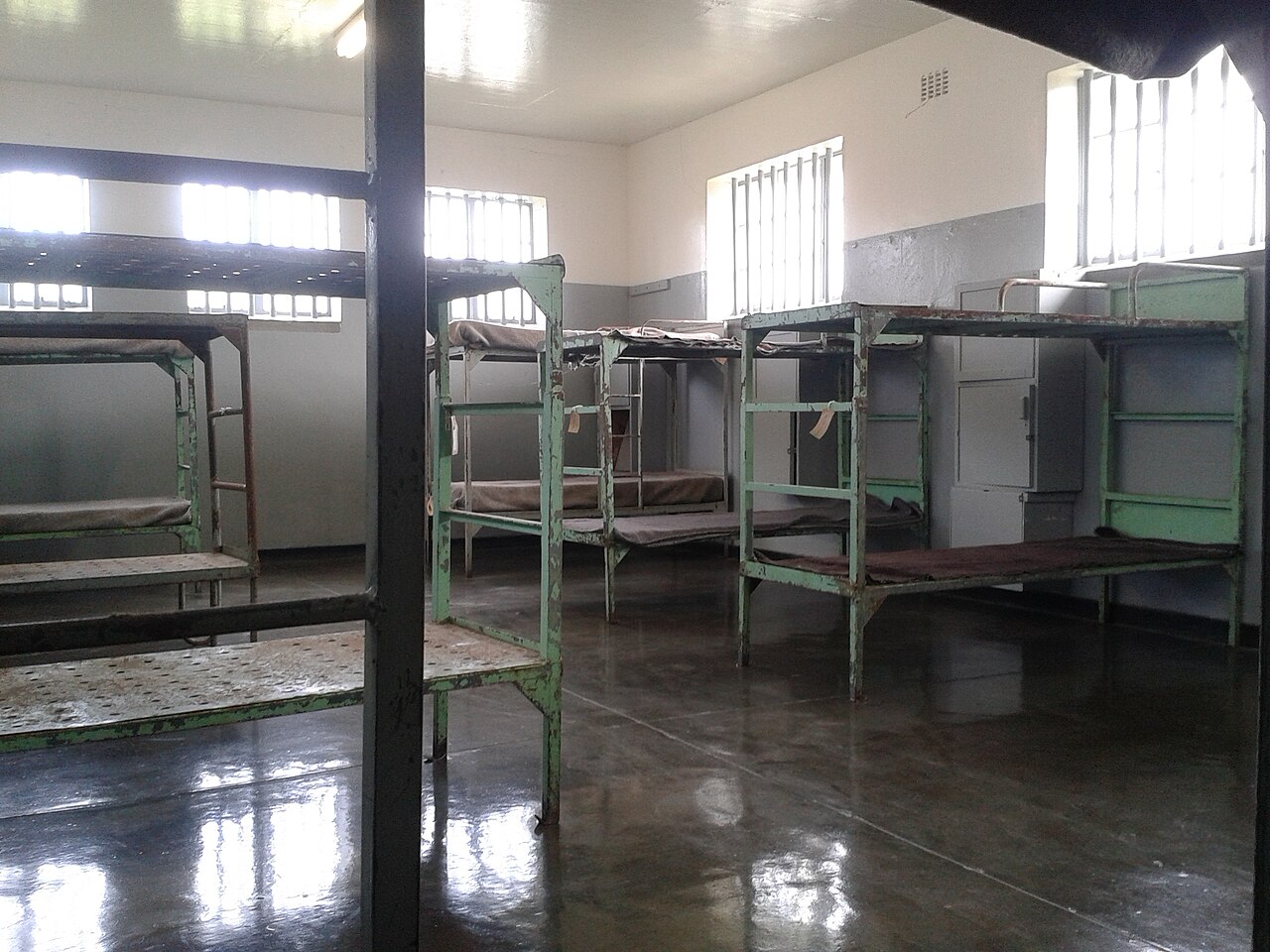
A ladder or small set of stairs provides access to the top bunk, which usually has a guardrail to stop the sleeper from rolling off. Some designs include a curtain for privacy on the lower bunk. Because of the ladder and the height of the upper bed, the U.S. Consumer Product Safety Commission advises that only children aged six and older use the top bunk.
A loft bed is similar to a bunk bed but has no lower bunk, leaving the space underneath free for other furniture like a desk, which may be built into the bed. Low loft beds sit closer to the ground and are made for younger children.
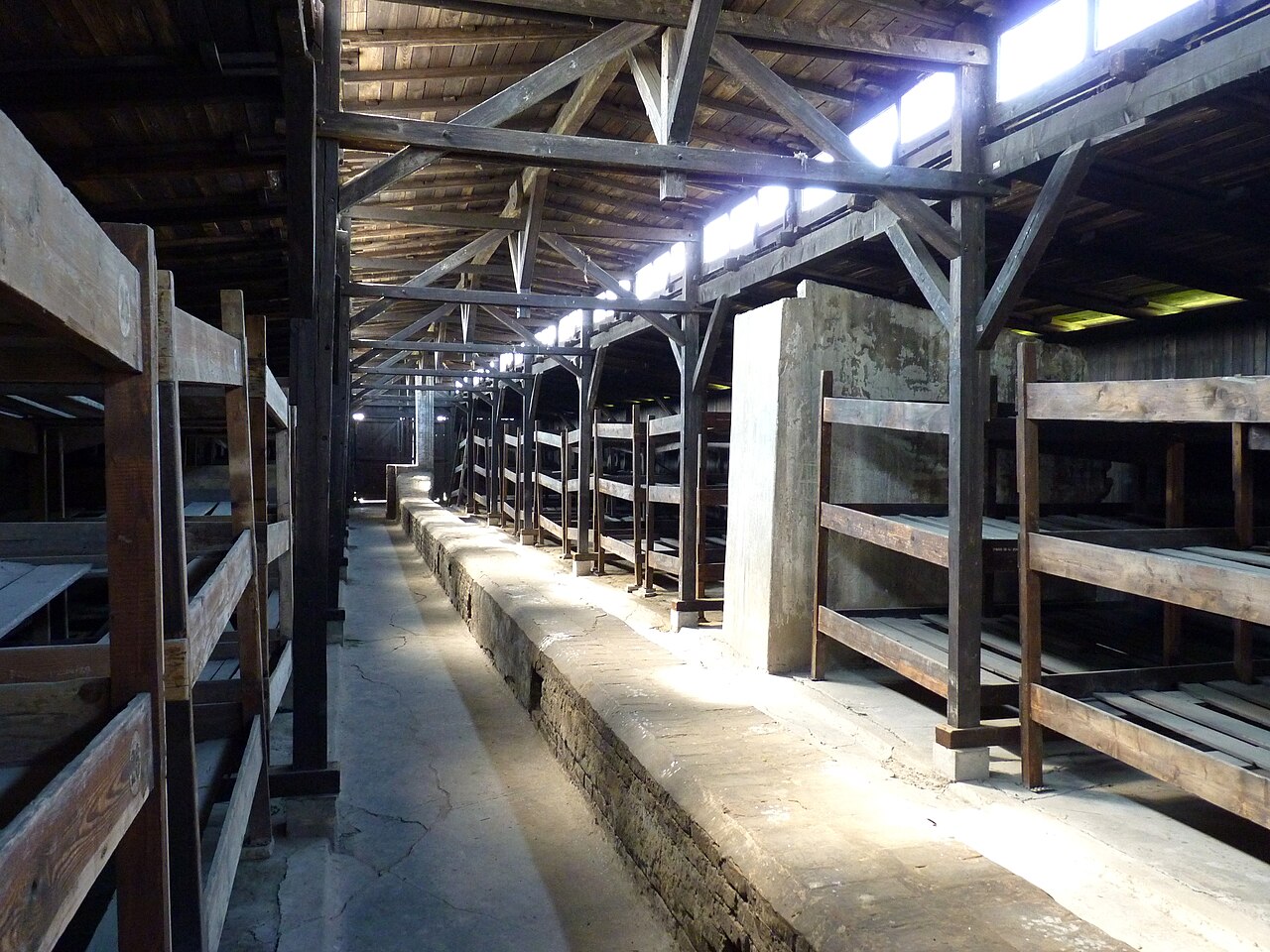
Common types include the standard bunk bed, with two mattresses of the same size stacked directly above each other. A twin-over-full bunk has a twin mattress on top and a full-size mattress on the bottom.
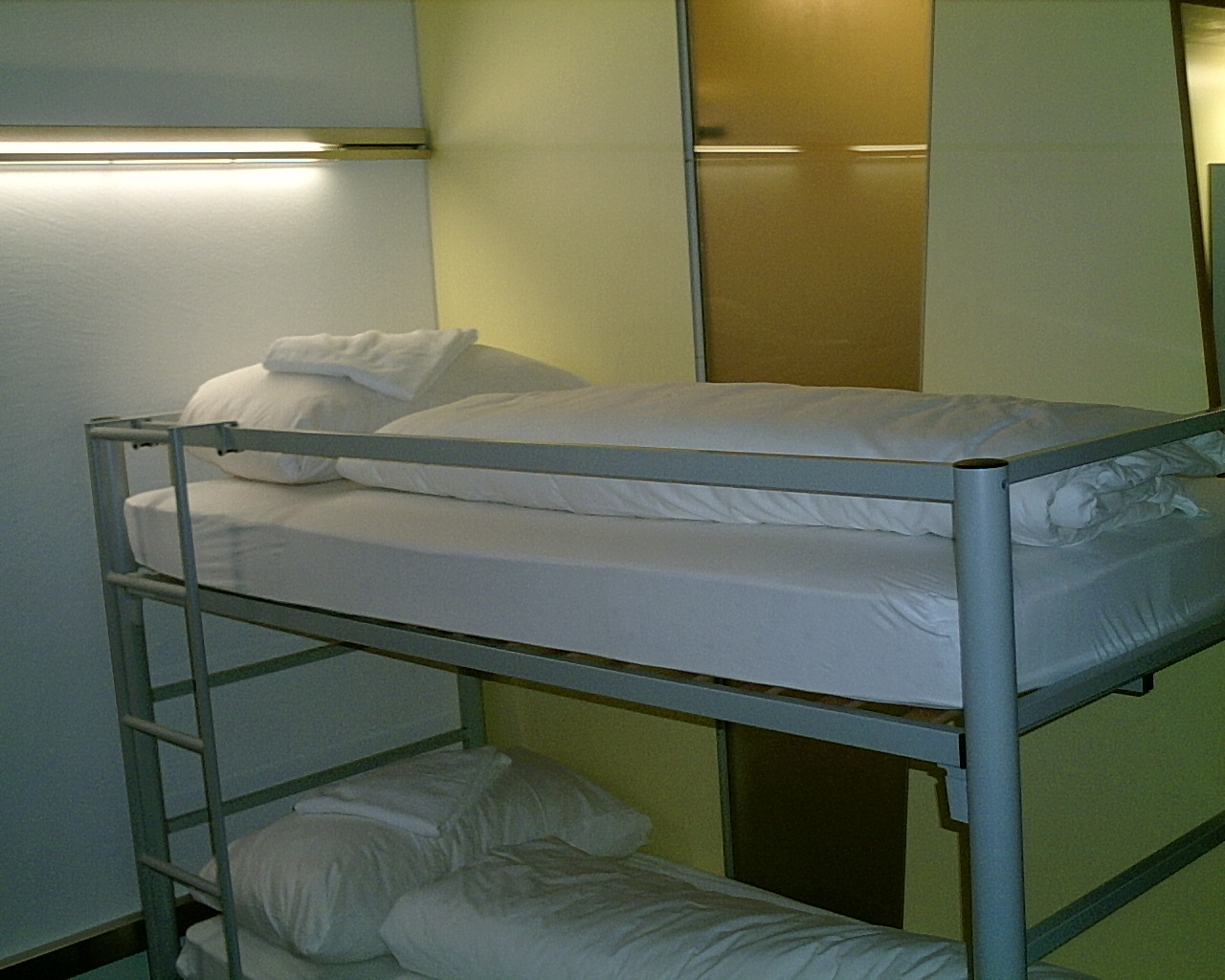
A full-over-full bunk, also called a wider bed, has the same larger size on both levels and can sleep up to four people. A futon bunk is arranged like a standard bunk, but the lower bunk is a Western-style futon couch that converts into a bed, saving space in small apartments or rooms since it becomes a couch during the day. An L-shaped bunk places the bottom bed at a right angle to the top bed, forming an L shape from above and creating a small alcove for a desk or bookshelf.
A loft bed has only the top bunk, leaving open space underneath for a chest, drawers, or a work area, making efficient use of vertical space. Some loft beds include a stowable or trundle bed while still having room for a workstation and drawers. Loft beds can cost more than bunk beds because of built-in storage and other features. Other names for a bunk bed include mezzanine bed, high sleeper bed, and loft bunk.
A triple loft bed combines three bunks, often with a loft bed attached perpendicularly to a bunk bed to form an L shape. The upper bunks may have rails to keep the occupant from falling off.
Quick Facts
- Type
- Furniture
- Common uses
- Ships
- military
- hostels
- dormitories
- summer camps
- children's bedrooms
- prisons
- Safety recommendation
- Top bunk for persons aged 6 and over (U.S. Consumer Product Safety Commission)
- Variants
- Standard
- twin over full
- full over full
- futon bunk
- L-shape bunk
- loft bed
- triple loft bed
Facts from the source article.
Lore & Background
The most common type is the standard bunk bed which has two same size mattresses stacked one directly over the other. A twin over full bunk bed has a full-size bottom mattress and a twin-size upper.
A full over full bunk bed, also called a wider bed, allows four people to sleep at the same time. A futon bunk has a lower bunk that is a Western-style futon couch, converting into a bed. In an L-shape bunk, the bottom bed is oriented at a right angle to the top bed, creating an alcove for a desk or bookshelf.
More in Housing & Furniture
Sources
Compiled from Wikipedia and the sources listed below. Text from Wikipedia is available under CC BY-SA 4.0; this entry is adapted from it.
- Wikipedia: Bunk bed (CC BY-SA 4.0).
Spotted an error? Know more?
Reader corrections go straight into our review queue. Suggest an edit · How this site is sourced