
Coffee table
A low table for sitting areas, supporting beverages and books.
Last updated

Sam Wilson (taken with Sony RX100 mk.V ) · CC BY-SA 4.0
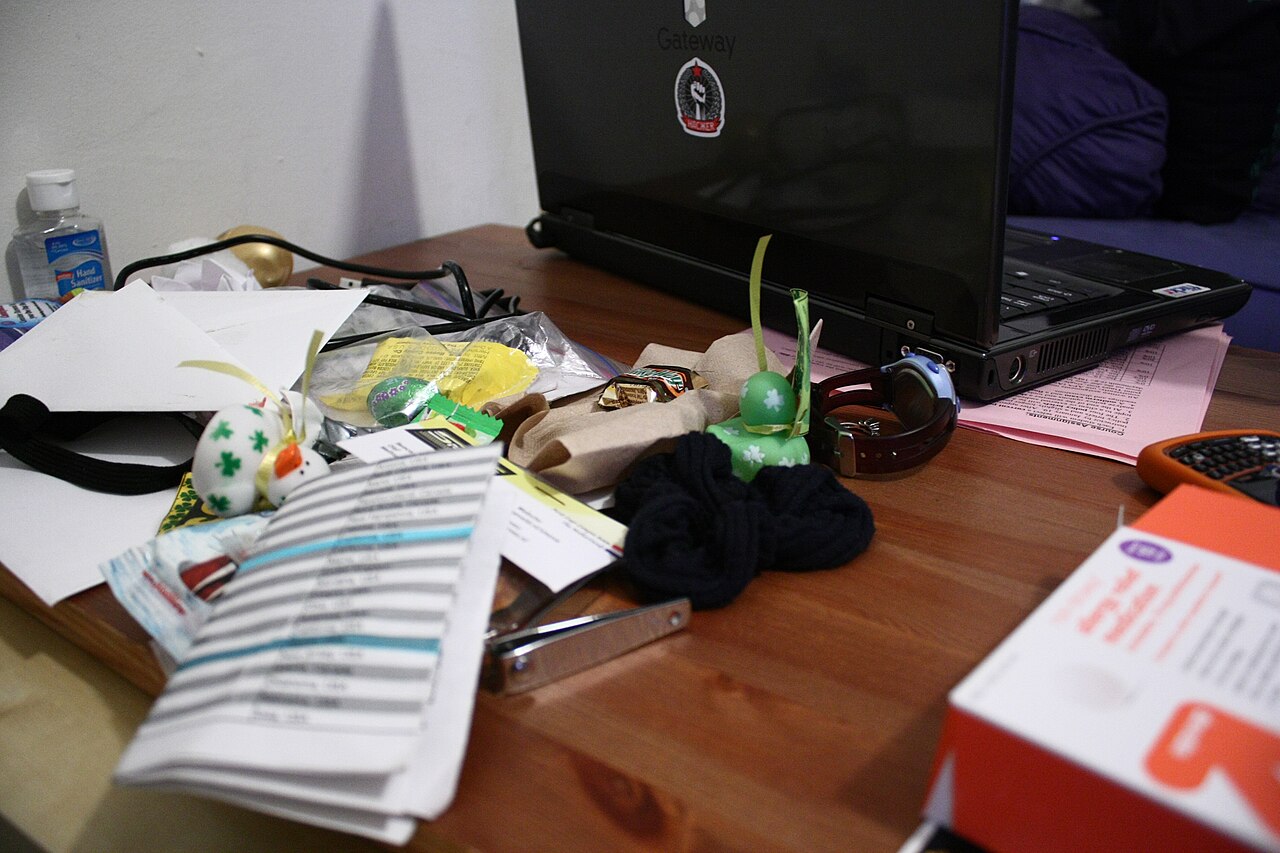
A coffee table is a low table placed in a sitting area to support beverages, magazines, books, and decorative objects.[1][2] It is typically positioned in front of or next to a sofa or upholstered chairs.[2]
Quick Facts
- Earliest known origin
- Britain, late Victorian era
- Common materials
- wood
- faux wood
- glass
- stainless steel
- aluminium
- Typical height early example
- about twenty-seven inches
- Later typical form
- low table
Facts from the source article.
Key facts and history
The first tables specifically designed as coffee tables appear to have been made in Britain during the late Victorian era.[2] A table designed by E. W. Godwin in 1868 and produced by William Watt and Collinson and Lock may be one of the earliest coffee tables in Europe.[3] The concept of a long low table likely came from the Ottoman Empire, based on tea garden tables, or from the Anglo-Japanese style popular in Britain in the 1870s and 1880s.[2][4] Joseph Aronson in 1938 defined a coffee table as a "low wide table now used before a sofa or couch" and noted there was no historical precedent.[5]
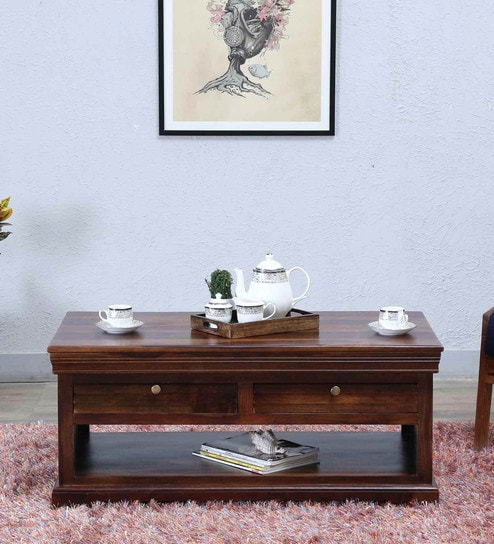
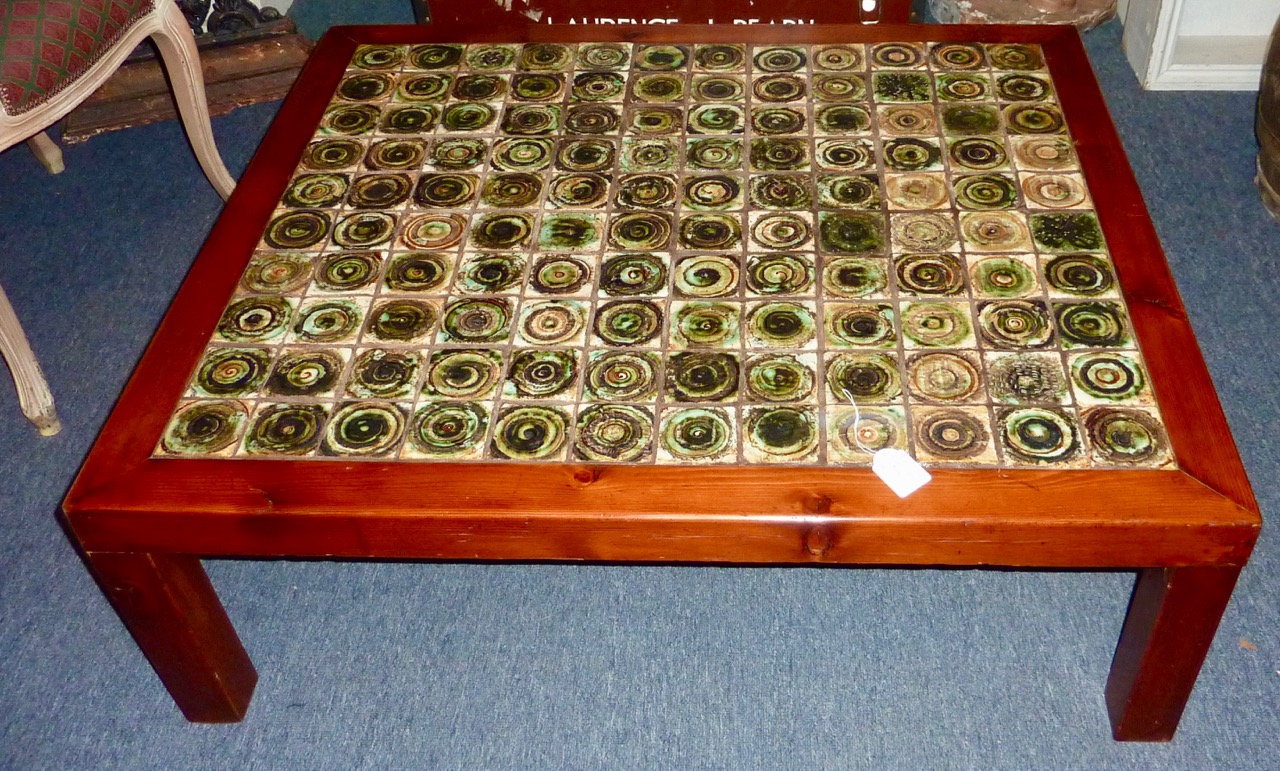
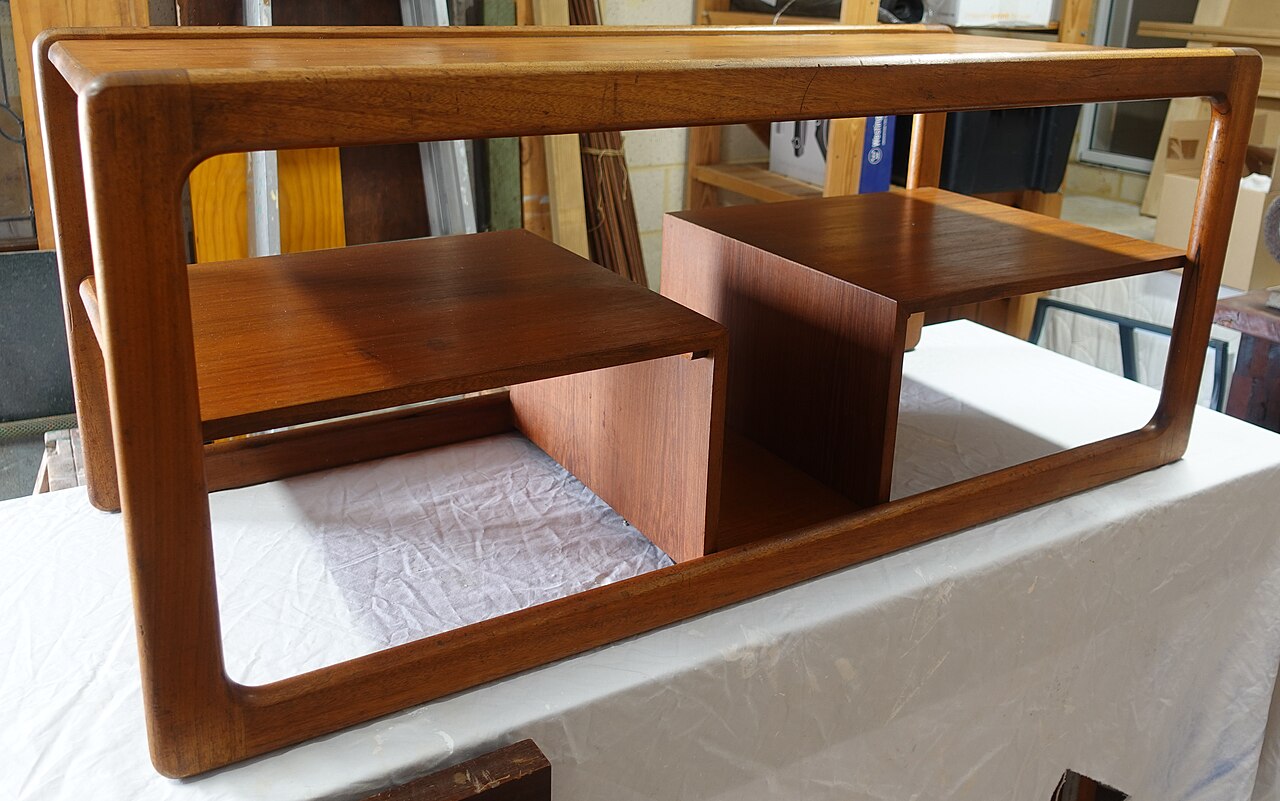
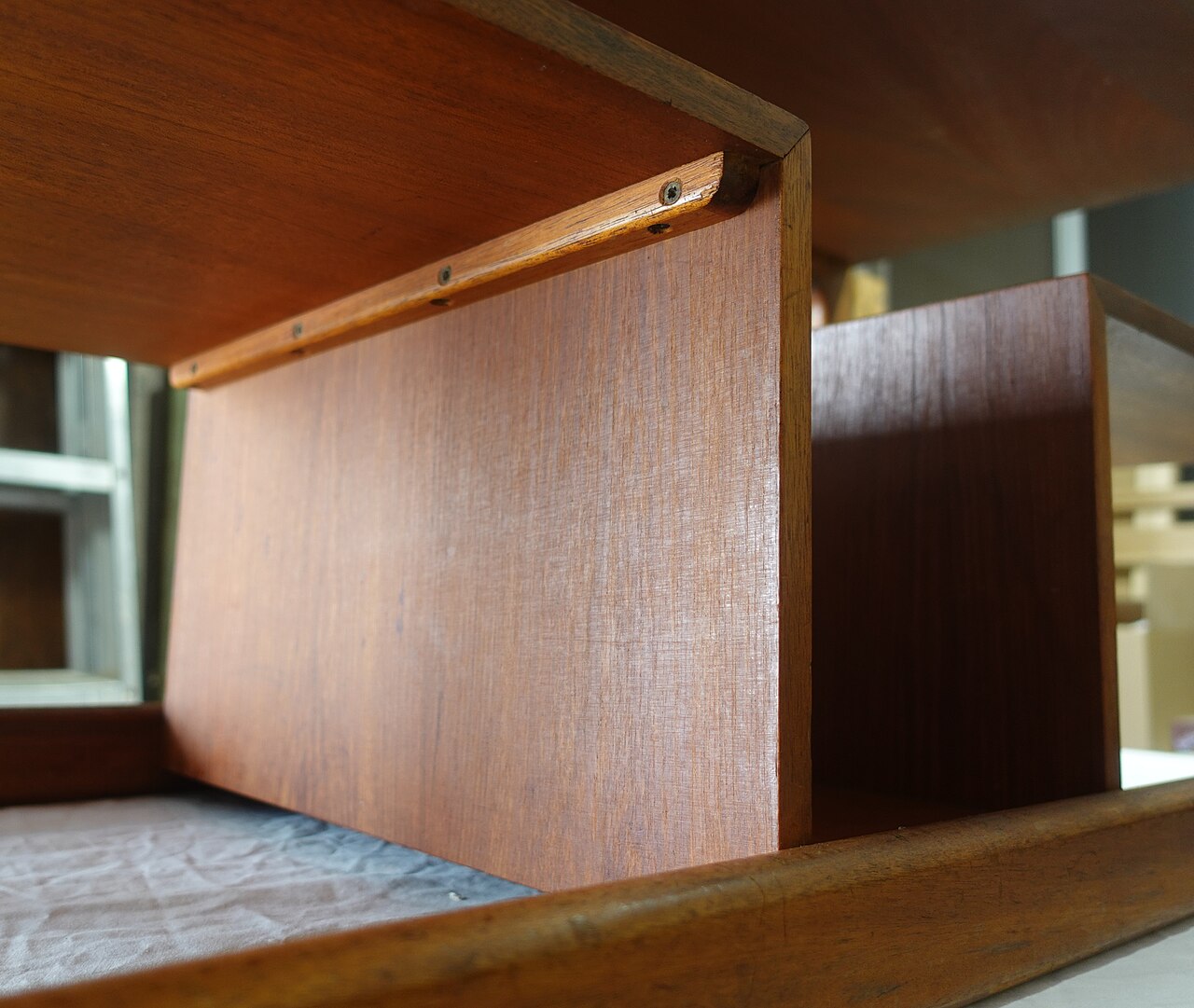
From the late 19th century onward, many coffee tables were made in earlier revival styles, such as Louis XVI or Georgian styles.[5] Coffee tables became more common with the increasing availability of television sets from the 1950s onward, as they are low enough not to obstruct the TV view.[5] Mid-century modern coffee tables, popular between the 1950s and 1960s, feature clean lines and bent wood or molded plastic construction.[2] Contemporary coffee tables often have glass tops and metal bases.[2]
For optimal balance, a coffee table should be about two thirds the width of the sofa.[2] There should be around 45 cm of space between the sofa and the table for easy movement.[2]
What the cited sources add
It also notes that the Anglo-Japanese style is an equally likely source for the long low table concept.[2] The same source describes mid-century modern coffee tables as having clean, simple lines and bent wood or molded plastic construction.[2] It specifies that contemporary coffee tables commonly use glass tops and metal bases.[2] The article provides practical sizing advice: the table should be two thirds the width of the sofa, with 45 cm of clearance.[2]
References
- Wikipedia, "Coffee table" (CC BY-SA 4.0), which cites: Negus, "Going for a song: English furniture", BBC, 1969 (we also read that source) en.wikipedia.org
- Mistry, "The 6 styles of coffee table designs", Yanko Design, 2 May 2019. facts only, no text reused. yankodesign.com
- Wikipedia, "Coffee table" (CC BY-SA 4.0), which cites: Joy, "The Country Life book of English furniture", Country Life, 1964, p. 82-83; Whineray, "Victorian Furniture", Studio Edition, 1987, p. 76-77 (we also read that source) en.wikipedia.org
- Wikipedia, "Coffee table" (CC BY-SA 4.0), which cites: Mistry, "The 6 styles of coffee table designs", Yanko Design, 2 May 2019 (we also read that source) en.wikipedia.org
- Wikipedia, "Coffee table" (CC BY-SA 4.0), which cites: Aronson, "The encyclopedia of furniture", Crown Publishers, 1965, p. 139 (we also read that source) en.wikipedia.org
Each numbered sentence above was checked against the source it cites before publication. Sentences citing Wikipedia adapt text from the English Wikipedia article Coffee table (contributors), used under CC BY-SA 4.0; this entry is available under the same licence. Other sources were used for facts only; no text or images are copied from them.
More in Housing & Furniture
Sources
Compiled from Wikipedia and the sources listed below. Text from Wikipedia is available under CC BY-SA 4.0; this entry is adapted from it.
- Wikipedia: Coffee table (CC BY-SA 4.0).
Spotted an error? Know more?
Reader corrections go straight into our review queue. Suggest an edit · How this site is sourced