Frederick Stanley, 16th Earl of Derby
British politician and Governor General who donated the Stanley Cup.
Frederick Arthur Stanley, 16th Earl of Derby, was born on 15 January 1841 in London’s St James’s Square. He was the second surviving son of Edward Smith-Stanley, then Lord Stanley, and Emma Caroline, daughter of the 1st Baron Skelmersdale. His father became the 14th Earl of Derby in 1851 and served three times as Prime Minister, leading the Conservative Party for over two decades. Frederick was educated at Harrow and the Royal Military College, Sandhurst.
He began his military career as an officer in the Grenadier Guards, reaching the rank of Captain before entering politics. Later, from June 1874, he commanded the part-time 1st Royal Lancashire Militia as a Lieutenant-Colonel, though political duties often kept him from annual training. He later became Honorary Colonel of its successor battalions in the King’s Own (Royal Lancaster Regiment) and, in 1894, Honorary Colonel of the 1st Volunteer Battalion, King’s (Liverpool Regiment)—a post his son would take after his death.
Stanley was elected as a Conservative MP for Preston in 1865, then for North Lancashire, and finally for Blackpool. His government roles included Civil Lord of the Admiralty, Financial Secretary to the War Office, Secretary to the Treasury, War Secretary, and Colonial Secretary. In 1886 he was made Baron Stanley of Preston, and he served as President of the Board of Trade until his appointment as Governor General of Canada in 1888. He was also a Freemason.
As Governor General, Stanley travelled extensively across Canada. A visit to the west in 1889 gave him a lasting appreciation of the region’s natural beauty and brought him into contact with First Nations people, ranchers, and farmers. During that trip he dedicated Stanley Park, named after him. He was an enthusiastic fisherman whenever time allowed. Queen Victoria granted him the power to grant pardons and reduce sentences, including capital ones. When Prime Minister John A. Macdonald died in June 1891, Stanley lost a close friend and asked John Abbott to form a government. After Abbott resigned due to ill health, Stanley turned to John Thompson. In 1891, he refused to disallow Quebec’s Jesuit Estates Act, arguing the motion was unconstitutional, and thereby reinforced the governor general’s political neutrality.
Stanley’s sons played amateur ice hockey in Ottawa, and the family became devoted fans.
Quick Facts
- Honorific Prefix
- The Right Honourable
- Honorific Suffix
- KG GCB GCVO PC
- Party
- Conservative
- Birth Name
- Hon. Frederick Arthur Stanley
Facts from the source article.
Lore & Background
Stanley was born in St James's Square, Westminster, the second surviving son of Edward Smith-Stanley, Lord Stanley, and the Hon. Emma Caroline. He was educated at Harrow and Sandhurst. His father served as Prime Minister on three occasions. Stanley received a commission in the Grenadier Guards, rising to the rank of Captain before leaving the army for politics. He later served as Lieutenant-Colonel Commandant of the 1st Royal Lancashire Militia and became Honorary Colonel of its successor battalions.
Stanley served as a Conservative Member of Parliament for Preston, North Lancashire, and Blackpool. In government, he held several posts including Civil Lord of the Admiralty, Financial Secretary to the War Office, Secretary to the Treasury, War Secretary, and Colonial Secretary. In 1886, he was created Baron Stanley of Preston. He served as President of the Board of Trade until appointed Governor General of Canada in 1888. During his term, he travelled widely, dedicated Stanley Park, and refused to disallow the Quebec Jesuit Estates Act, upholding viceregal neutrality.
Stanley's sons became avid ice hockey players in Canada, and Lord and Lady Stanley became staunch hockey fans. In 1892, Stanley bequeathed the Stanley Cup as a challenge cup for Canada's best amateur hockey club. The trophy later became contested by professional teams exclusively, and since 1926 only NHL teams have competed for it. The original trophy was 7 inches tall; it now stands around 36 inches and weighs 35 pounds.
Reader's Guide
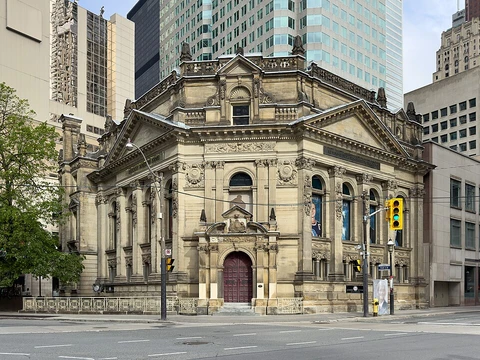
Frederick Stanley's significance in hockey history stems from his donation of the Stanley Cup in 1892, originally called the Dominion Hockey Challenge Cup. The trophy was intended for Canada's best amateur hockey club, but after 1909 it was contested exclusively by professional teams, and since 1926 only National Hockey League teams have competed for it. The cup bears his name as a tribute to his encouragement of outdoor life and sport in Canada. In recognition of his contribution, he was inducted into the Hockey Hall of Fame in 1945 in the 'Honoured Builders' category. His legacy extends beyond hockey: Stanley Park in Vancouver and Stanley Barracks in Toronto were named after him, and he served as Lord Mayor of Liverpool and first Chancellor of the University of Liverpool. His daughter Isobel Gathorne-Hardy was instrumental in convincing him to create the cup and is recognized as a women's hockey pioneer, with the Isobel Gathorne-Hardy Award and the Isobel Cup named in her honor.
Did You Know?
- Stanley was one of the original inductees of the Hockey Hall of Fame in 1945.
- The original Stanley Cup was 7 inches tall; it now measures about 36 inches and weighs 35 pounds.
- Stanley's daughter Isobel Gathorne-Hardy helped convince him to create the cup and is a women's hockey pioneer.
- Stanley refused to disallow the Quebec Jesuit Estates Act in 1891, upholding viceregal political neutrality.
More in Hockey Hall of Fame Players 1-24
Spotted an error? Know more?
Reader corrections go straight into our review queue. Suggest an edit · How this site is sourced