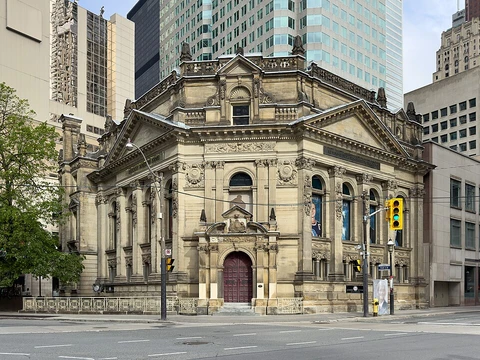
Hobey Baker
First American star in ice hockey and only dual hall of fame inductee.

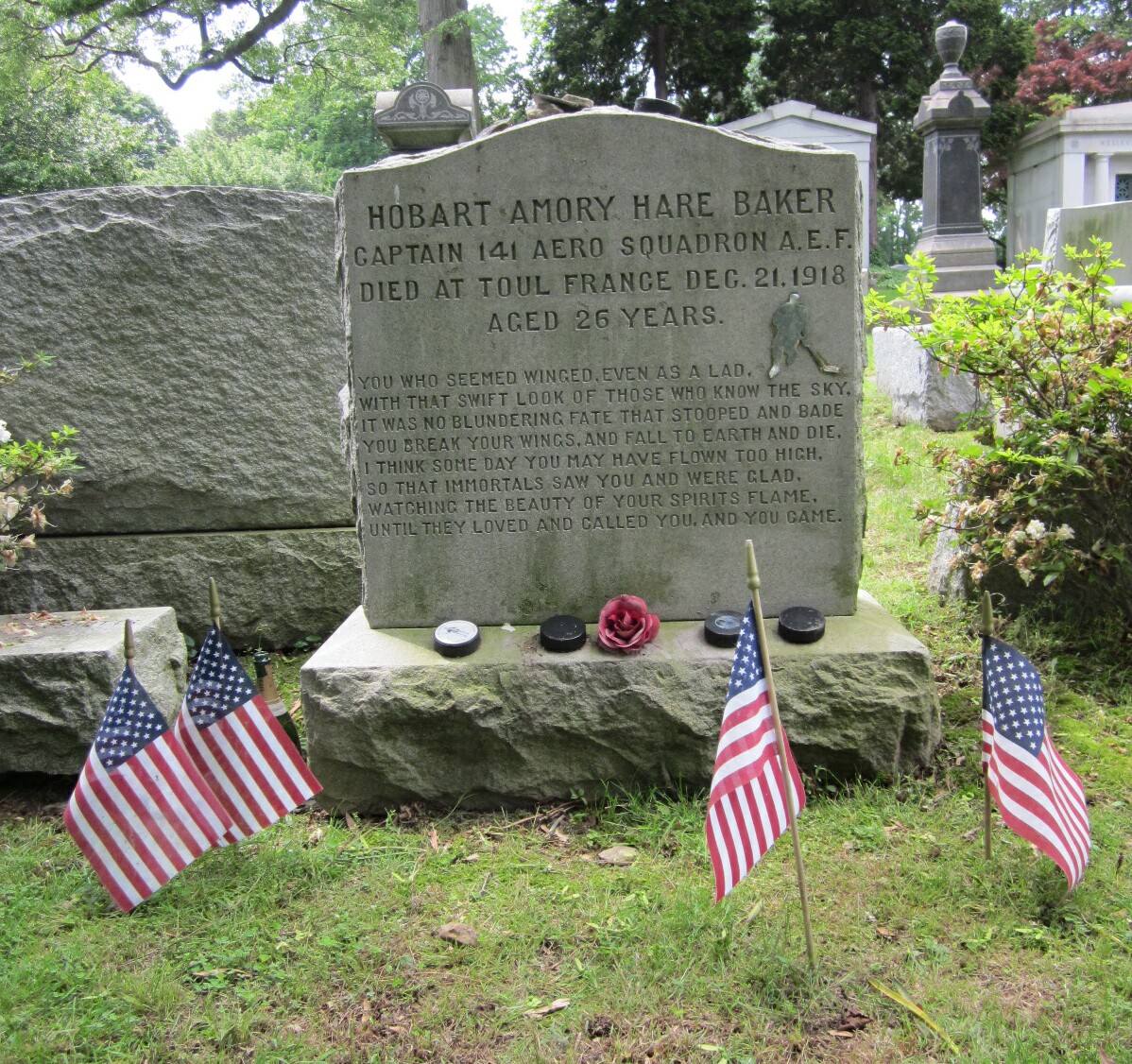
Hobart Amory Hare Baker, known as Hobey, lived from January 15, 1892, to December 21, 1918. The Hockey Hall of Fame calls him the first American ice hockey star, and he also played football at a high level. Growing up near Philadelphia in a well-known family, Baker started at Princeton University in 1910. There, he played hockey and football for the school, and afterward became a standout amateur with New York City’s St. Nicholas Hockey Club. He was part of three national championship teams: football in 1911, and hockey in 1912 and 1914. With the St. Nicholas Club, he won a national amateur title in 1915. After graduating Princeton in 1914, Baker worked at J.P. Morgan Bank until he joined the United States Army Air Service. During World War I, he served with the 103rd and 13th Aero Squadrons, eventually becoming a captain and leading the 141st Aero Squadron. He died in December 1918 when a plane he was testing crashed, just hours before he was scheduled to leave France for home.
People of his era widely saw Baker as one of the best athletes around, and he is ranked among the finest early American hockey players. When the Hockey Hall of Fame started in 1945, Baker was one of the first nine inductees—the only American. In 1973, he entered the United States Hockey Hall of Fame as an initial inductee. The College Football Hall of Fame added him in 1975, making him the only person in both that hall and the hockey hall. F. Scott Fitzgerald admired Baker and used him as the model for Allenby, a minor character in the 1920 novel *This Side of Paradise*. Princeton named its new hockey arena the Hobey Baker Memorial Rink in 1921. The Hobey Baker Award, given each year to the top college hockey player, began in 1980.
Baker was born in Bala Cynwyd, Pennsylvania, the second son of Alfred Thornton Baker, a wealthy upholsterer, and Mary Augusta Pemberton, a socialite. Alfred, called Bobby by friends, had played halfback at Princeton in the 1880s, just as his own father had. One of Baker’s ancestors, Francis Rawle, was a Quaker who moved to Philadelphia in 1688 and became one of the city’s richest residents. Baker’s name came from his uncle, Dr. Hobart Amory Hare, the obstetrician at his birth and president of Jefferson Medical Hospital in Philadelphia. At age eleven, Baker and his older brother Thornton, twelve, were sent to St. Paul’s School in Concord, New Hampshire.
Quick Facts
- Birth Date
- 1892-01-15
- Birth Place
- Bala Cynwyd, Pennsylvania, U.S.
- Death Place
- Toul, France
- Death Date
- 1918-12-21
- Position
- Winger / Rover
- Played For
- St. Paul's School · Princeton Tigers · St. Nicholas Hockey Club
- Shoots
- Right
- Height Ft
- 5
- Height In
- 9
- Weight Lb
- 161
- Career Start
- 1906
- Career End
- 1916
Facts from the source article.
Lore & Background
Baker was born in Bala Cynwyd, Pennsylvania, the second son of Alfred Thornton Baker, a wealthy upholsterer, and Mary Augusta Pemberton, a socialite. At age eleven he was sent to St. Paul's School in Concord, New Hampshire, where he was introduced to ice hockey by coach Malcolm Gordon. Baker was known as an exceptionally fast and agile skater, spending nights skating on frozen ponds to improve his puck handling. He was named to the school's varsity team at fourteen and helped St. Paul's defeat top prep schools and universities. In every sport he attempted he demonstrated proficiency, once entering the cross-country race for fun and winning. At fifteen he was named the school's best athlete in hockey, football, baseball, tennis, swimming, and track.
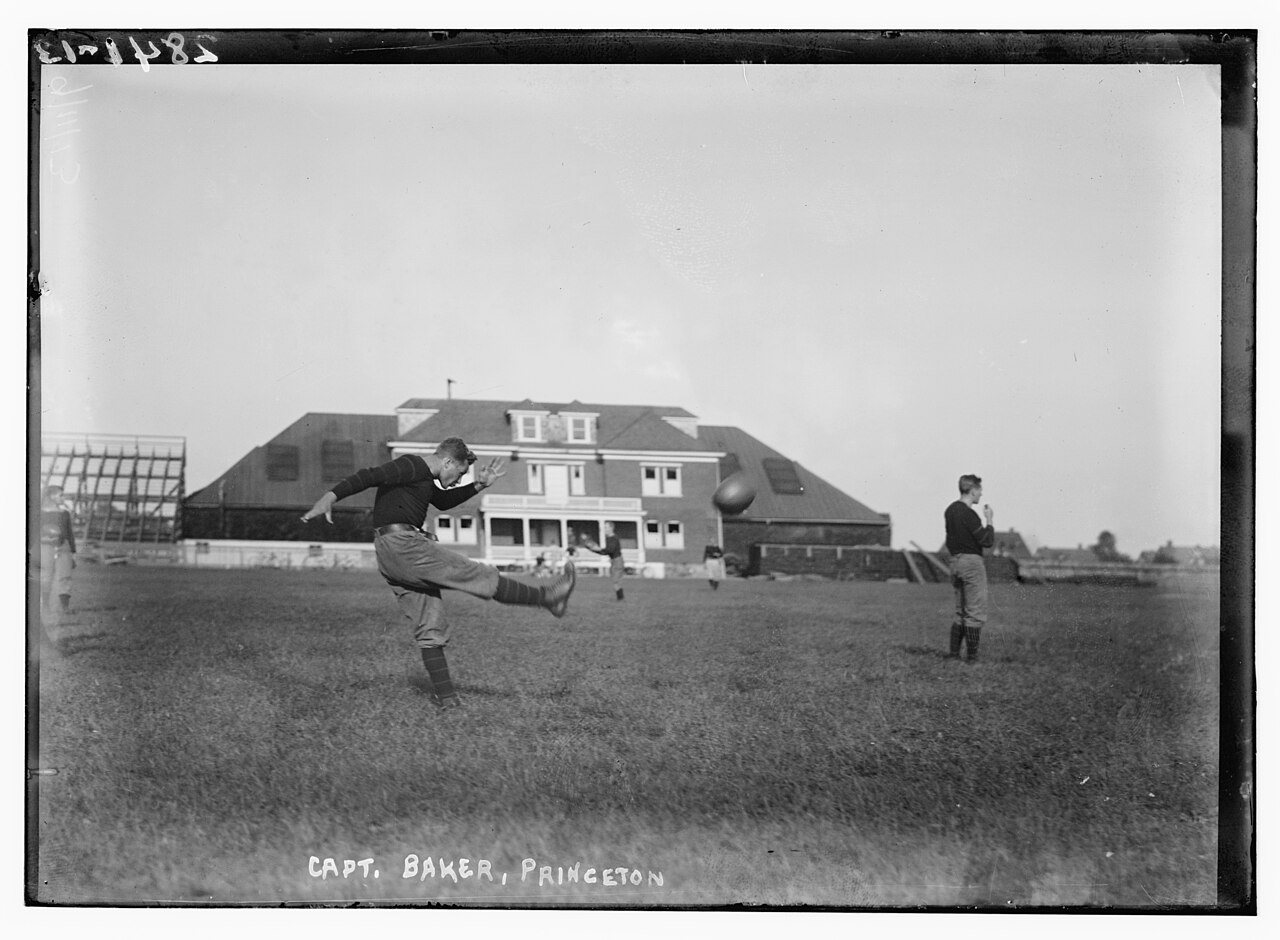
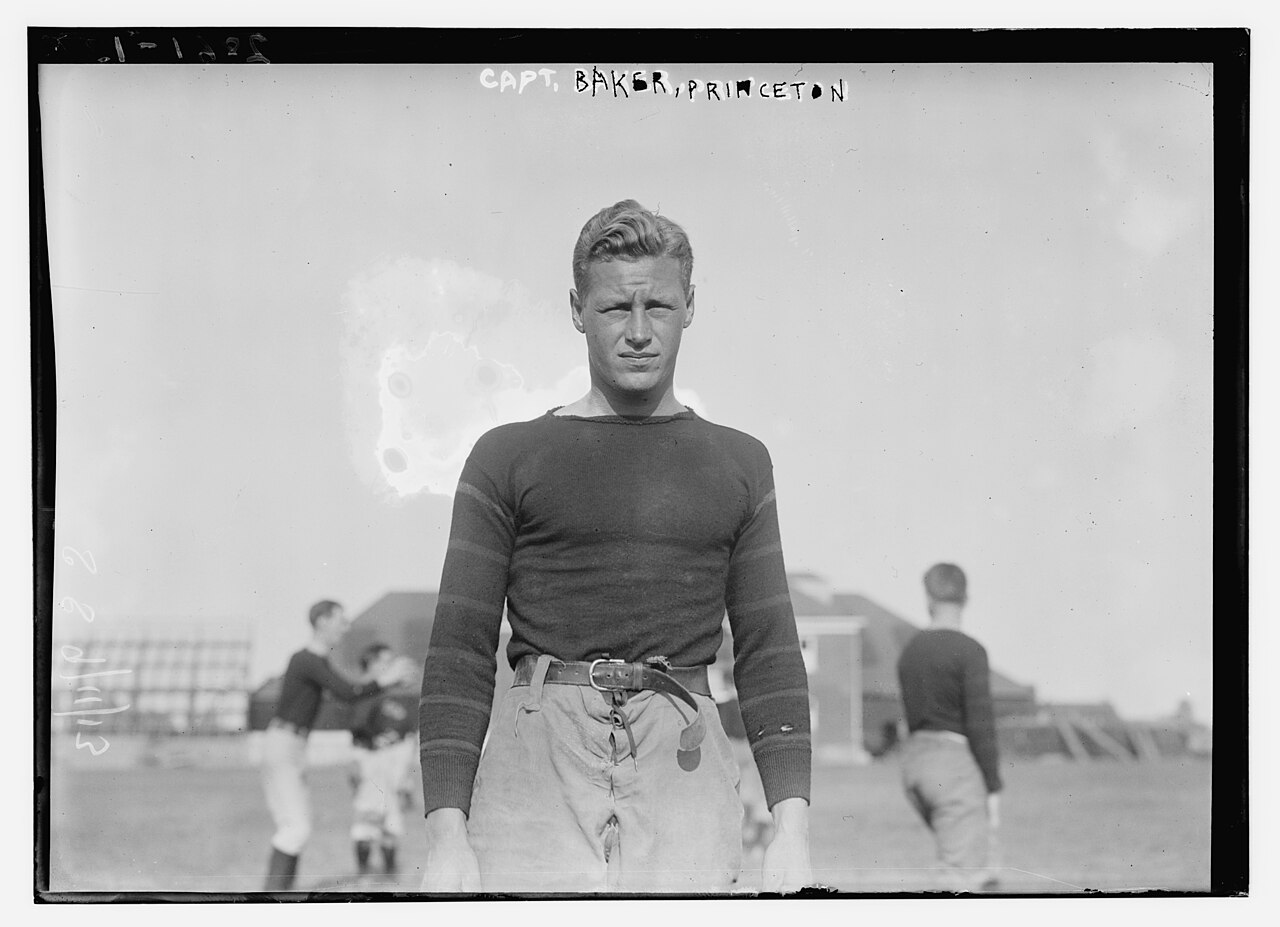
At Princeton, Baker joined the hockey, football, and baseball teams in his freshman year, but gave up baseball to focus on hockey and football. He was easily recognizable on the football field because he wore no helmet, and was referred to as 'the blond Adonis of the gridiron' by Philadelphia sportswriters. During the 1911 football season he scored 92 points, a school record that lasted until 1974. In hockey, his most famous game was on January 24, 1914, against Harvard at the Boston Arena, a 'sudden death' overtime contest that was the longest college hockey game played up to that point. Baker was repeatedly called offside because he was too fast for his replacement teammates. He recorded the only penalty of his collegiate career, for slashing, in a game against Harvard on January 22, 1913. After every game he visited opponents' dressing rooms to shake hands with each player.
Reader's Guide
Baker graduated from Princeton in 1914 and worked for J.P. Morgan Bank until he enlisted in the United States Army Air Service. During World War I he served with the 103rd and the 13th Aero Squadrons before being promoted to captain and named commander of the 141st Aero Squadron. He died in December 1918 after a plane he was test-piloting crashed, hours before he was due to leave France and return to America. Baker was widely regarded by his contemporaries as one of the best athletes of his time and is considered one of the best early American hockey players. When the Hockey Hall of Fame was founded in 1945, Baker was named one of the first nine inductees, the only American among them. In 1973, he became one of the initial inductees in the United States Hockey Hall of Fame. He was also inducted into the College Football Hall of Fame in 1975, and is the only person in both the hockey and the college football halls of fame. F. Scott Fitzgerald idolized Baker and based Allenby, a minor character in the 1920 novel This Side of Paradise, on him. In 1921, Princeton named its new hockey arena the Hobey Baker Memorial Rink. The Hobey Baker Award was introduced in 1980, awarded annually to the best collegiate hockey player.
Did You Know?
- Baker never fumbled a punt and never lost to Yale during his football career at Princeton.
- He set a school record in 1911 with 13 punt returns for 63 yards in a game against Yale, a record that still stands.
- Baker scored 180 points over his three-year football career at Princeton, a school record that lasted until 1964.
- He is the only person inducted into both the Hockey Hall of Fame and the College Football Hall of Fame.
Gallery
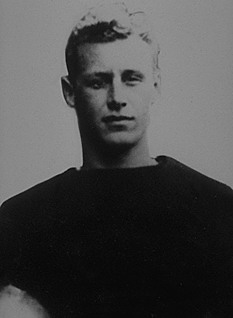
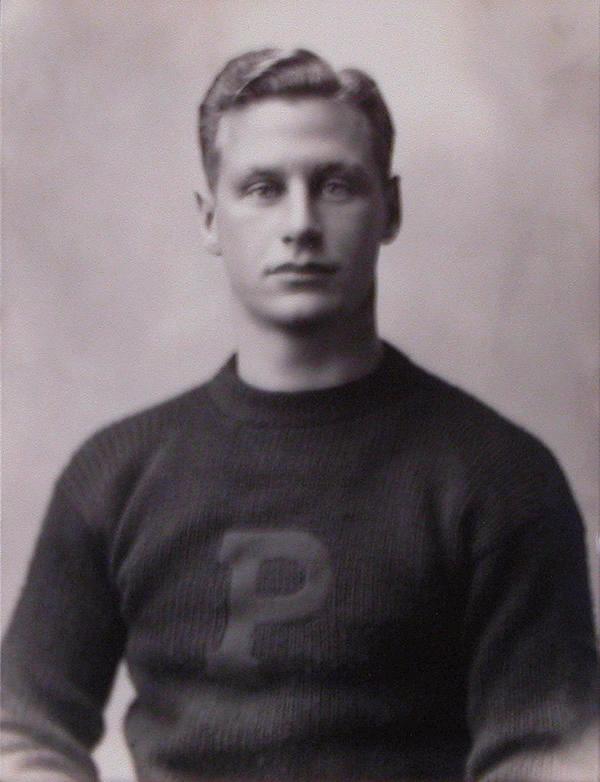
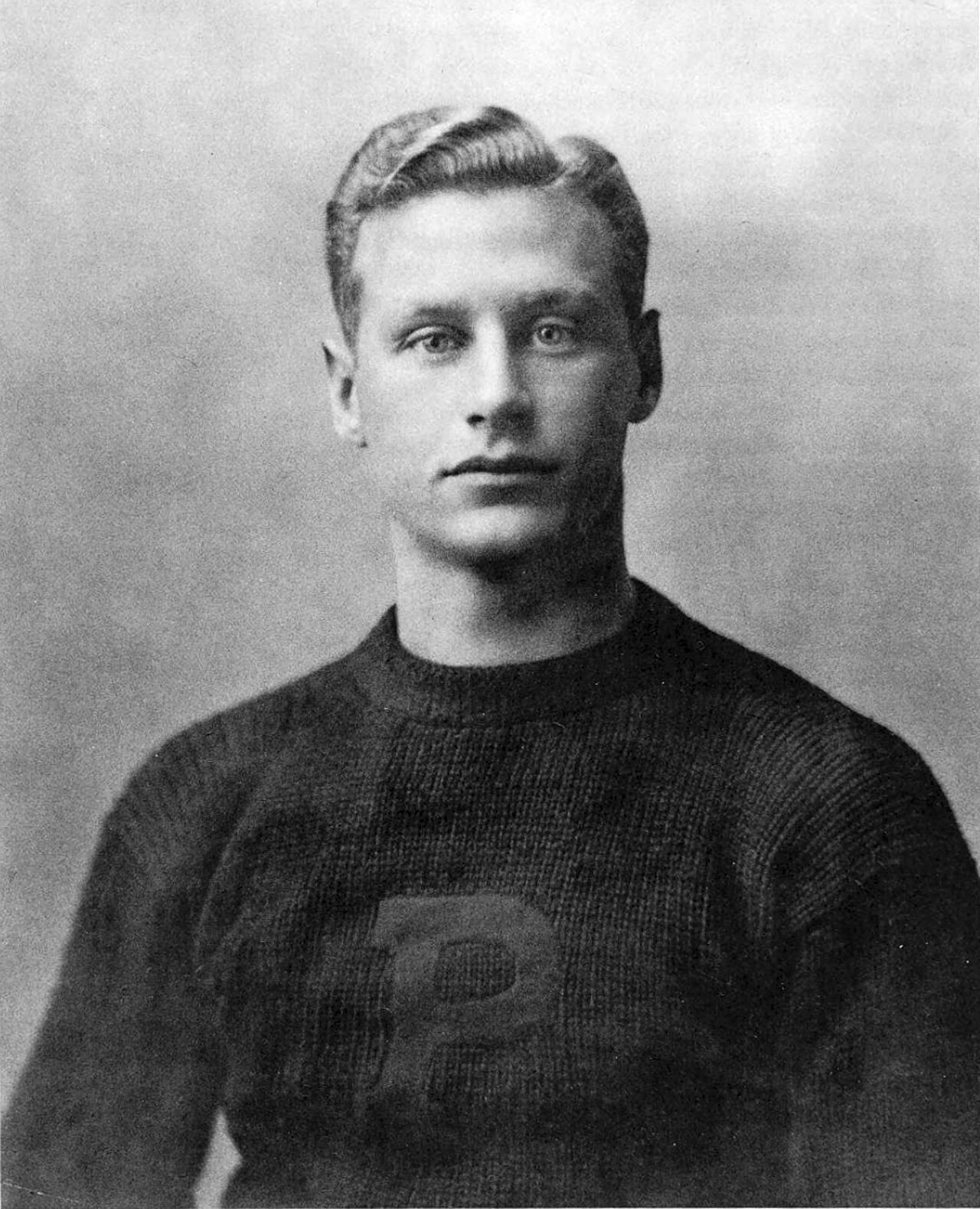
More in Hockey Hall of Fame Players 1-24
Spotted an error? Know more?
Reader corrections go straight into our review queue. Suggest an edit · How this site is sourced