
Mike Bossy
Islanders legend, four-time Stanley Cup champion, elite goal scorer.

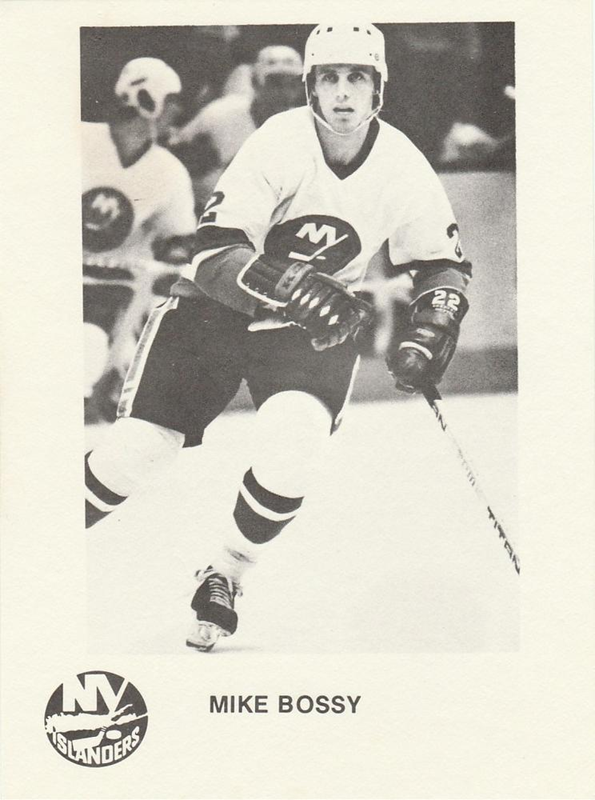
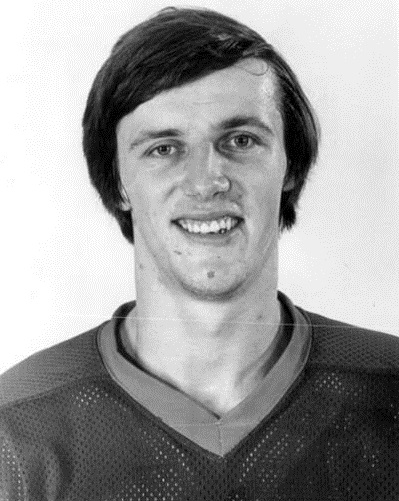
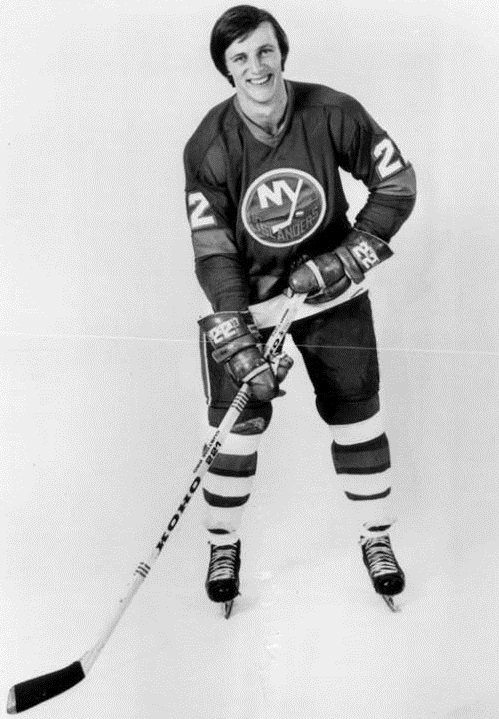
Mike Bossy was a Canadian professional ice hockey player who spent his entire National Hockey League career with the New York Islanders from 1977 to 1987. He was a crucial part of the Islanders' four consecutive Stanley Cup championships in the early 1980s and is considered one of the greatest goal scorers in NHL history.
Quick Facts
- Position
- Right wing
- Shoots
- Right
- Height Ft
- 6
- Height In
- 0
- Weight Lb
- 185
- Ntl Team
- Canada
- Played For
- New York Islanders
- Birth Date
- 1957-01-22
- Birth Place
- Montreal, Quebec, Canada
- Death Date
- 2022-04-15
- Death Place
- Rosemère, Quebec, Canada
- Career Start
- 1977
Facts from the source article.
Lore & Background
Bossy was the fifth son among ten children, growing up in a family of Detroit Red Wings fans in Montreal. He broke a kneecap at age 12 while competing in long jump, leading to chronic knee problems. He played in the 1969 Quebec International Pee-Wee Hockey Tournament and started his junior career with the Laval National of the Quebec Major Junior Hockey League at age 15. Despite scoring 309 goals in five junior seasons, NHL scouts considered him 'not rugged enough' and defensively weak. His total of 532 points remains a QMJHL record, and his 309 goals is the record for all of major junior. Bossy's #17 is retired by the Acadie–Bathurst Titan, the current incarnation of the former Laval franchise. Bossy was passed over by twelve teams in the 1977 NHL amateur draft, including the New York Rangers and Toronto Maple Leafs, who each passed over him twice. The New York Islanders selected him 15th overall. General manager Bill Torrey was torn between Bossy and Dwight Foster; various stories credit coach Al Arbour or scout Harry Saraceno for persuading Torrey to choose Bossy. Bossy replaced Billy Harris on the Islanders' top line with Bryan Trottier and Clark Gillies, forming a combination known as The Trio Grande. He scored in his first career game against Don Edwards of the Buffalo Sabres on October 13, 1977, and set the then-record for most goals by a rookie with 53 in his first season. During the dynasty years, Bossy signed a new two-year contract worth $500,000 going into the 1979–80 season. The Islanders got off to their worst start in six years, but after acquiring Butch Goring on March 10, the team went unbeaten for the rest of the season. Bossy scored consecutive Stanley Cup-winning goals in 1982 and 1983, one of two players to do so, and is one of two players (Jack Darragh being the other) to score consecutive Stanley Cup-winning goals (1982 and 1983) and the only player to record four game-winning goals in one playoff series (1983 Conference Final).
Reader's Guide
Mike Bossy's significance lies in his extraordinary goal-scoring efficiency and his role in the New York Islanders' dynasty. He is the NHL's all-time leader in average goals scored per regular season game and holds the fourth-highest all-time average points scored per regular season game. He is the second of five players to score 50 goals in 50 games, being the first to accomplish this feat 36 years after Maurice Richard. Bossy jointly holds the record for most 50-goal seasons with Wayne Gretzky and Alexander Ovechkin with nine, and is the only player of the three whose 50-goal seasons ran consecutively. He led the NHL in goals twice and was second three other times. Bossy was voted to the league's first all-star team as right wing five times, with three further selections to the second all-star team. He won the Calder Memorial Trophy in 1978 as rookie of the year, the Conn Smythe Trophy in 1982 as playoff MVP, and the Lady Byng Trophy three times for combining high quality play with sportsmanship. Bossy was elected to the Hockey Hall of Fame in 1991 and named one of the 100 Greatest NHL Players in history.
The Draft and the Islanders' Gamble
Bossy's path to the NHL was anything but straightforward. In the 1977 amateur draft, twelve teams passed on him, including the New York Rangers and Toronto Maple Leafs, each of whom passed twice. The Rangers selected Lucien DeBlois and Ron Duguay instead, while the Sabres favored Ric Seiling's defensive edge. The Cleveland Barons, holding the fifth overall pick, walked away after Bossy's agent Pierre Lacroix presented inflated salary demands, ultimately choosing Mike Crombeen. Even Montreal's Scotty Bowman, who had been personally impressed by Bossy's scoring alongside assistant Claude Ruel, let scouts' concerns about toughness steer the Canadiens toward Mark Napier. The New York Islanders, selecting fifteenth overall, made the call that would define a franchise. General manager Bill Torrey wavered between Bossy and Dwight Foster, whose 143-point OHA season included a defensive dimension. Multiple accounts credit either coach Al Arbour—reasoning it was simpler to teach a scorer to check—or scout Harry Saraceno with tipping the balance. Once on the roster, Bossy slotted into the top line beside Bryan Trottier and Clark Gillies, and the trio instantly became known as the Trio Grande.
A Rookie Who Rewrote the Record Books
Bossy made his NHL debut on October 13, 1977, finding the back of the net against Buffalo's Don Edwards in a 3–2 loss. By mid-November he already had eleven goals, and on February 4, 1978, he recorded his first career hat trick in a 6–1 rout of Washington. The real milestone arrived on February 25, when his 45th goal of the season surpassed Rick Martin's previous rookie mark of 44. Bossy had boldly promised general manager Bill Torrey he would reach fifty goals, and he delivered 53—a record that endured until Teemu Selanne broke it in 1993. He also led the entire league with 25 powerplay goals that year. The 1977–78 campaign earned him the Calder Memorial Trophy as rookie of the year, a Second Team All-Star nod, and the starting right-wing spot for the Campbell Conference at the 1978 All-Star Game. In the 1978 playoffs, Bossy contributed two goals and two assists against Toronto before suffering a neck sprain from a behind-the-back hit by Jerry Butler in Game 6. He returned for the decisive Game 7 but was held without a point as the Maple Leafs won in overtime.
The Trio Grande and Playoff Immortality
Once Bossy, Trottier, and Gillies clicked into the Islanders' top line, their offensive output became almost supernatural. On December 23, 1978, the three combined for 17 points in a 9–4 demolition of the Rangers—Bossy contributed two goals and three assists, Gillies dished out four assists, and Trottier scored five times while adding three more. That season Bossy led the NHL with 69 goals, the second-highest single-season total at the time. The Trio Grande's true immortality, however, was forged in the postseason. Bossy captured the Conn Smythe Trophy as playoff MVP in 1982, and he stands as one of only two players in NHL history—Jack Darragh being the other—to score the Stanley Cup-winning goals in back-to-back years (1982 and 1983). In the 1983 Conference Final, Bossy recorded four game-winning goals in a single series, a feat no other player has matched. Across the early 1980s, the Islanders captured four straight Stanley Cups, and Bossy was the offensive engine at the heart of every one.
Records That Still Stand and a Legacy Cemented
Even decades after his playing days ended, Bossy's statistical fingerprints remain etched into the NHL's record books. He holds the all-time lead in average goals per regular-season game and ranks fourth in average points per game. He was the second player in league history—36 years after Maurice Richard—to score 50 goals in 50 games, and he shares the record for the most 50-goal seasons (nine) with Wayne Gretzky and Alexander Ovechkin. What sets Bossy apart is that all nine of his 50-goal campaigns came in consecutive seasons, a streak neither Gretzky nor Ovechkin matched. He led the league in scoring twice and finished second three additional times, earned five First Team All-Star selections as right wing along with three Second Team nods, and collected the Lady Byng Trophy three times for combining elite play with sportsmanship. Elected to the Hockey Hall of Fame in 1991 and named among the 100 Greatest NHL Players, Bossy is widely regarded as one of the most prolific and pure goal scorers the game has ever produced.
Gallery
More in Hockey Hall of Fame Players 1-24
Spotted an error? Know more?
Reader corrections go straight into our review queue. Suggest an edit · How this site is sourced