
Aristocracy
Rule by a small, privileged class of aristocrats.
Last updated

DzHaruna · CC BY-SA 4.0
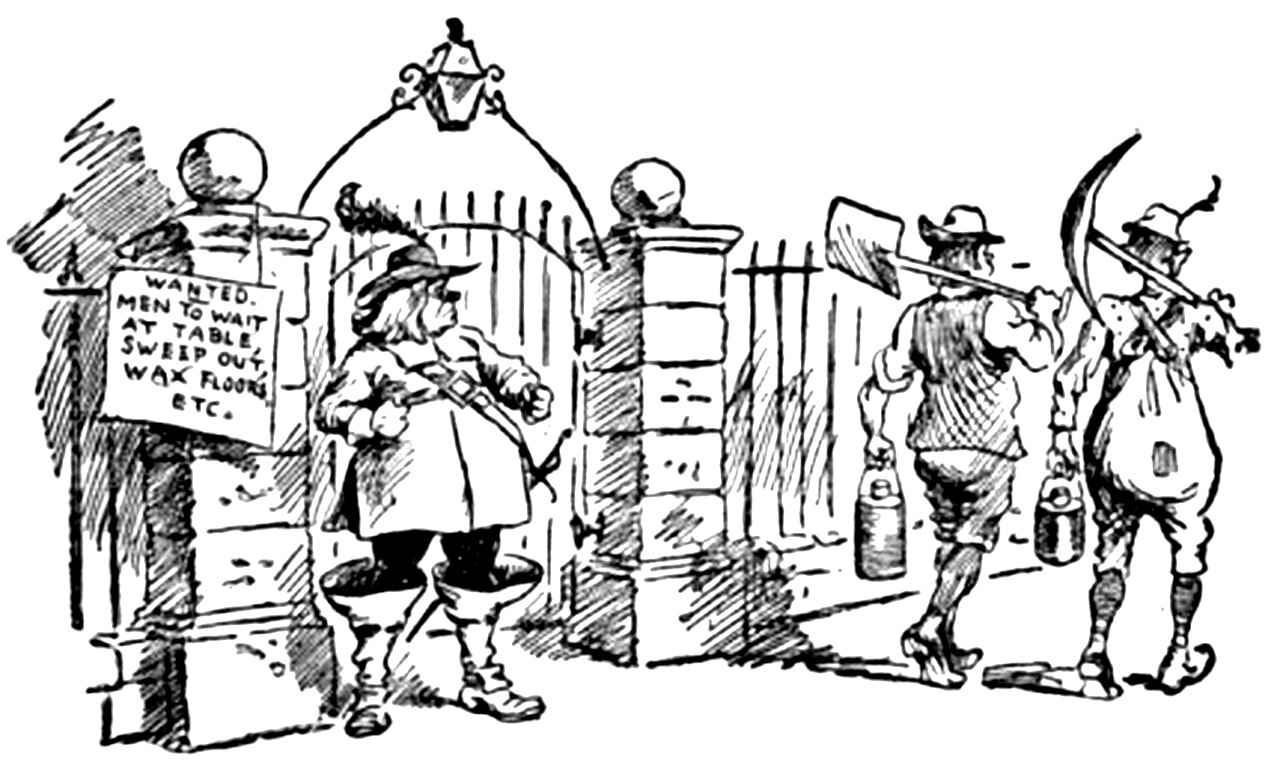
Aristocracy is a form of government that places power in the hands of a small, privileged ruling class, the aristocrats. The term derives from Ancient Greek ἀριστοκρατίᾱ (aristokratíā), meaning 'rule of the best,' from ἄριστος ('best') and κράτος ('power, strength'). Across Europe, the aristocracy exercised immense economic, political, and social influence, with the titled or higher nobility considered part of the aristocracy, while the untitled lower nobility (petty nobility or gentry) were not.
Quick Facts
- Born
- Ancient Greece
- Known for
- Rule by the best-qualified citizens; contrasted with democracy and oligarchy
Facts from the source article.
Lore & Background
In ancient Greece, the Greeks conceived aristocracy as rule by the best-qualified citizens, often contrasted favorably with monarchy. The term was used by historians such as Thucydides and Herodotus before being taken up by Aristotle and Plato, who described a system where only the best citizens, chosen through careful selection, would become rulers, and hereditary rule would be forbidden unless the rulers' children performed best. Plato's concept of aristocracy envisions an ideal state governed by a philosopher-king, a ruler who possesses wisdom and a love for truth, using analogies such as a captain steering a ship to emphasize that not everyone is fit to govern.

Reader's Guide
The concept of aristocracy evolved from classical Greek ideals to a modern understanding of rule by a privileged group. In classical thought, Plato, Socrates, Aristotle, Xenophon, and the Spartans considered aristocracy inherently better than rule by the many, but saw its corrupted form, oligarchy, as worse than corrupted democracy. Later, Polybius used aristocracy to describe a mixed form of government with checks and balances.
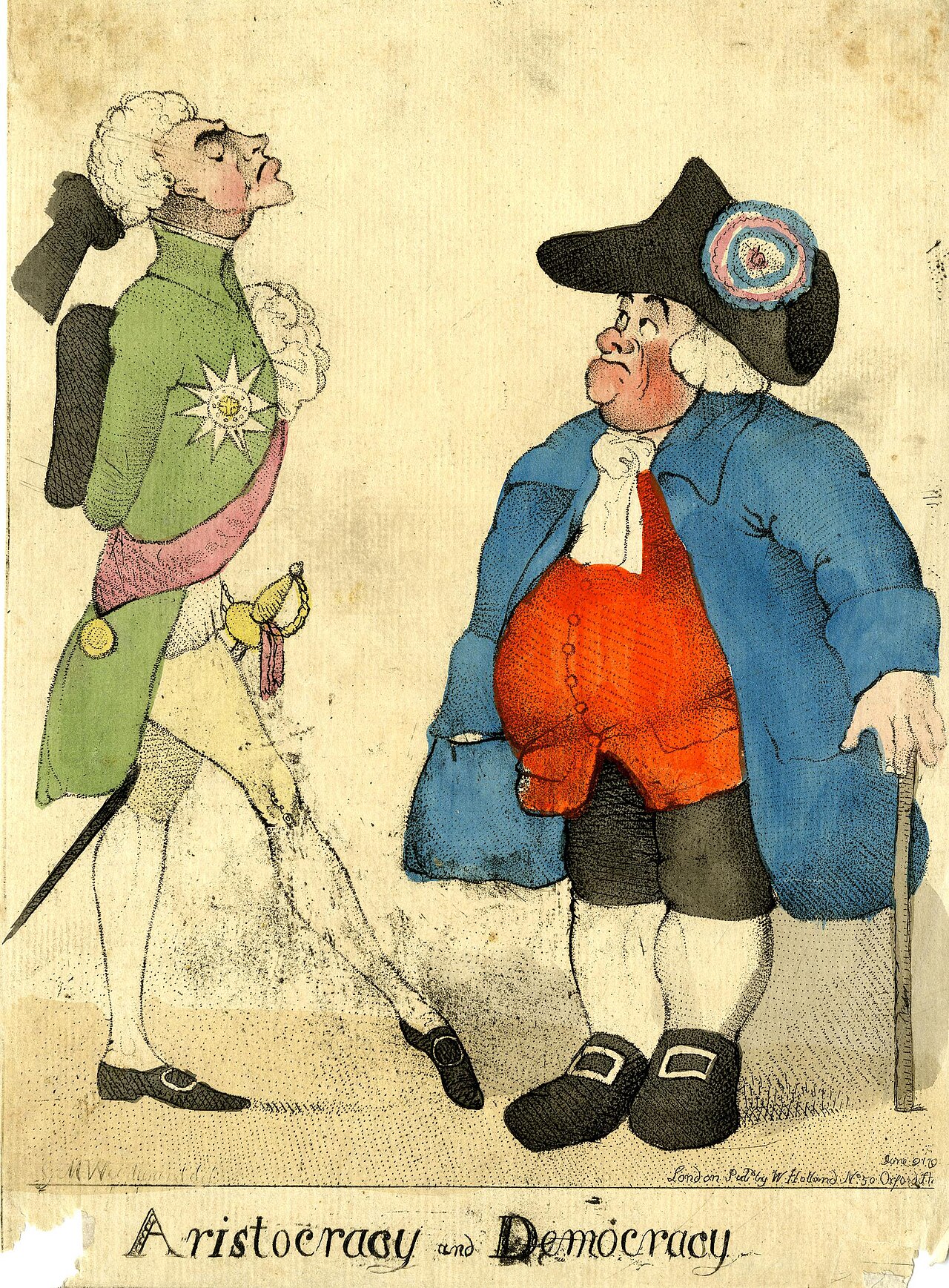
In modern times, aristocracy was contrasted with democracy. Aristocracies dominated political and economic power for most of the medieval and modern periods in Europe, using wealth and land ownership to form a powerful political force. The English Civil War involved the first sustained organized effort to reduce aristocratic power.

The French Revolution forced many French aristocrats into exile, and after Napoleon's defeat, their position within French society was not recovered. The First World War dramatically reduced aristocratic power, and in Russia, aristocrats were imprisoned and murdered by communists. Liberal and socialist governments after 1900 levied heavy taxes on landowners, spelling their loss of economic power.

Did You Know?
- Efforts to reduce aristocratic power in Europe include the Magna Carta, the Dutch Revolt, and the French Wars of Religion, long before the English Civil War.
- In the Chola dynasty, local administration included a Sabha that could include non-Brahmin landholders, not exclusively Brahmins.
Frequently Asked Questions
What is aristocracy as a form of government?
Aristocracy is a governance system in which political authority rests with a small, privileged group of ruling elites rather than the broader population. The idea was originally framed as 'rule by the best,' suggesting that the most capable or virtuous individuals should hold power.
Where does the word 'aristocracy' come from?
The term traces back to the Ancient Greek word aristokratíā, which combines 'best' (aristos) with 'power' or 'strength' (kratos). It was coined within Greek political theory to describe a system where the most qualified citizens governed.
More in Historical & Cultural Concepts
Sources
Compiled from Wikipedia and the sources listed below. Text from Wikipedia is available under CC BY-SA 4.0; this entry is adapted from it.
- Wikipedia: Aristocracy (CC BY-SA 4.0).
Spotted an error? Know more?
Reader corrections go straight into our review queue. Suggest an edit · How this site is sourced