
Bey
A Turkic title for chieftains and aristocrats, used across Central Asia, South Asia, Southeast Europe, and the Middle East.
Last updated

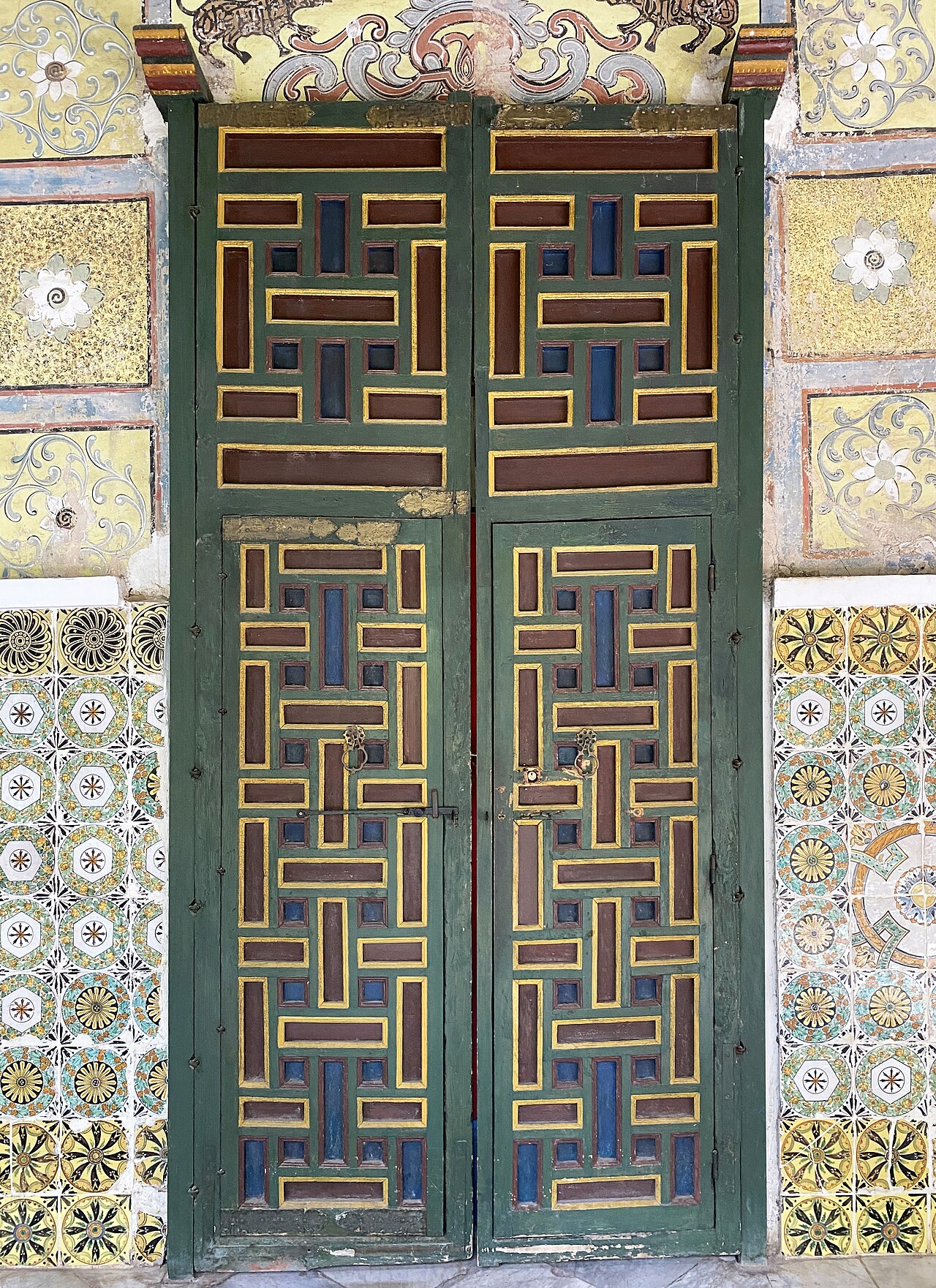
Bernard Gagnon · CC BY 4.0
(also spelled Baig, Bayg, Beigh, Beig, Bek, Baeg, Begh, Beg, or Beğ) is a Turkic title for a chieftain or aristocrat, traditionally given to individuals with particular lineages connected to leaders or rulers across various Turkic kingdoms, emirates, sultanates, and empires—including the Ottomans, Timurids, and the khanates and emirates of Central Asia and the Eurasian Steppe. The feminine form is begum. The territories or provinces governed by beys were called beylik, which roughly corresponds to a governorate or region—comparable to a county, duchy, grand duchy, or principality in Europe, depending on the beylik’s size and importance. However, the actual authority and prestige attached to the title varied from one country to another, with no rigid system applied uniformly.
Today, the word is still used formally as a social title for men, similar to “sir” or “mister” in English. It also appears widely in naming customs across Central Asia, particularly in Uzbekistan, Kazakhstan, and Kyrgyzstan. The ethnic name “Uzbek” derives from Öz Beg Khan of the Golden Horde, illustrating how the word has been used in personal names and even ethnic group names. As a general rule, the honorific is used with first names, not surnames or last names.
Etymology
The word entered English from Turkish. Its Old Turkic cognate beg—in the form bäg—appears as early as the 8th-century Orkhon inscriptions, where it is usually translated as “tribal leader.” The word’s true origin remains debated, though it is widely considered a loanword in Old Turkic. Most scholars think it was borrowed from an Iranian language, but German Turkologist Gerhard Doerfer called the Iranian derivation superficially attractive yet quite uncertain, noting the possibility that the word is genuinely Turkic. Two main etymologies have been proposed: - The Middle Persian title bag (also baγ or βaγ; Old Iranian baga; compare Sanskrit bhaga), meaning “lord” or “master.” Peter Golden traces it through Sogdian bġy from the same Iranian root.
All Middle Iranian languages preserve forms derived from baga- in the sense of “god”—Middle Persian bay, Parthian baγ, Bactrian bago, Sogdian βγ-—and these were used as honorific titles for kings and high-ranking men, meaning “lord.” The Iranian bāy (linked to the Old Indian noun bhāgá, “possessions, lot”) gave the now-obsolete Turkish word bay (rich); compare Mongolian Bayan. - The Chinese title po (Mandarin bó (伯); historically pronounced pak or perjk, as reconstructed by Edwin Pulleyblank), meaning “older brother” or “feudal lord.” The title was also used by the Uyghurs. It allowed Turkic Begs in the Altishahr region to keep their previous status, and they administered the area for the Qing as officials. High-ranking Begs were permitted to call themselves Begs.
Turkish beys
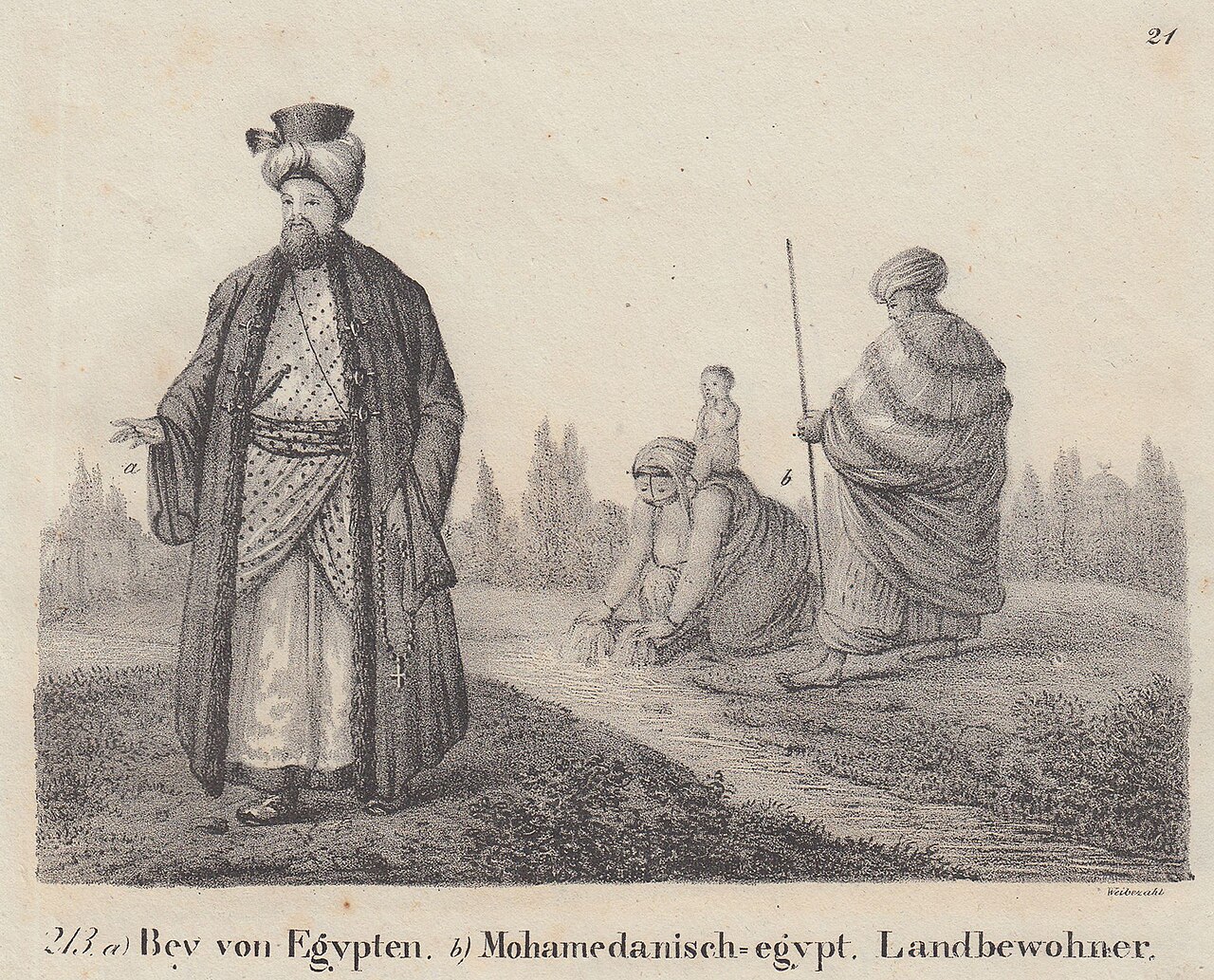
In her 1904 work Turkish Life in Town and Country, Lucy Mary Jane Garnett wrote that “distinguished persons and their sons” as well as “high government officials” could become bey, describing it as one of two “merely conventional designations as indefinite as our ‘Esquire’ has come to be [in the United Kingdom].” The Republican Turkish authorities abolished the title around the 1930s. The titles Bey, Baig, Begum, Begzada, and Uç Bey are regarded as comparable to the European nobility title of Viscount, while Sancak-beys and Atabegs are considered equivalent to earls or counts in the European nobility context. The title bey was also called bek (from Turkish) in North Africa, including Egypt. A bey could hold a similar office within Arab states that broke away from the High Porte, such as Egypt and Sudan under the Muhammad Ali Dynasty, where it ranked below pasha (maintained in two rank classes after 1922) and served as a courtesy title for a pasha’s son.
Beys elsewhere
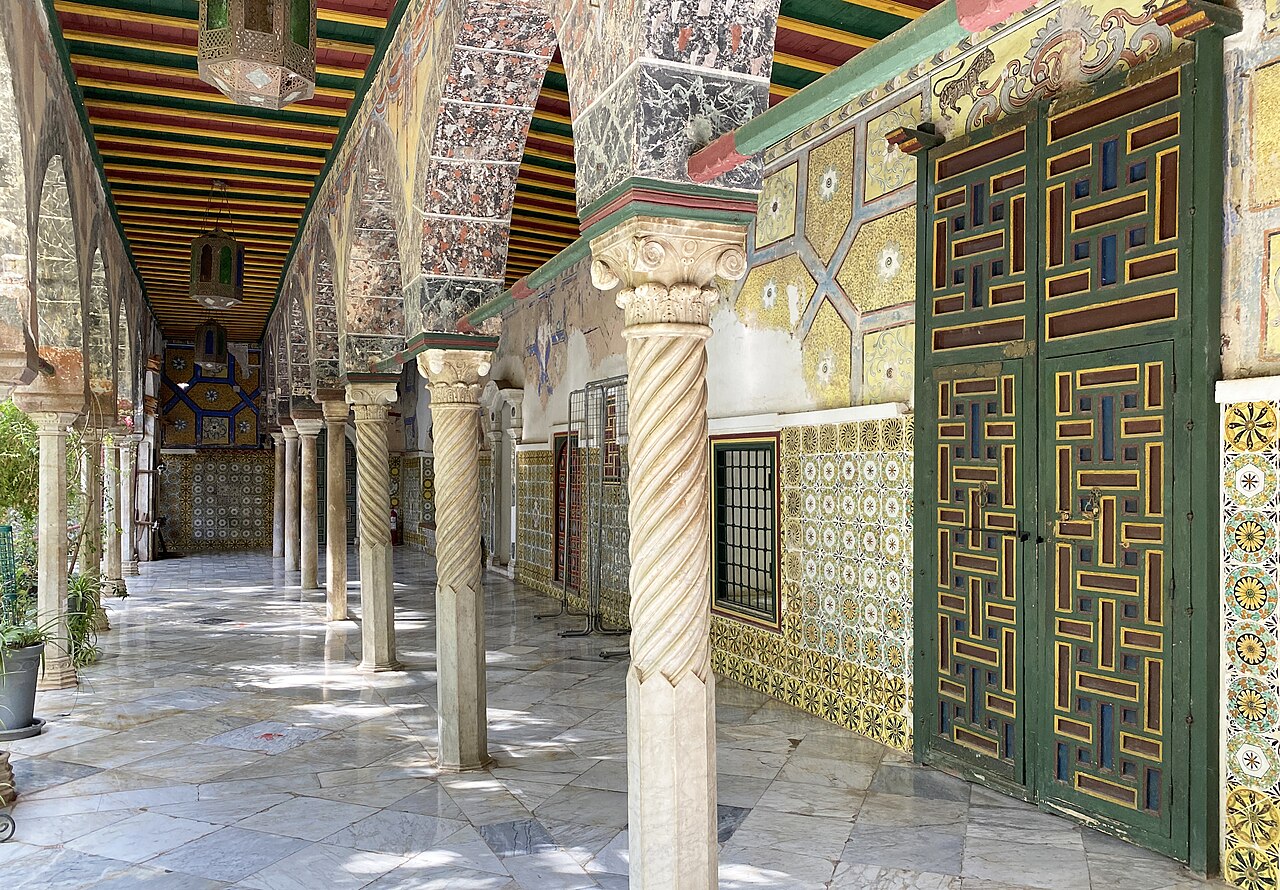
Much earlier, the virtual sovereign’s title in the Barbaresque North African “regency” states was “Bey” (compare Dey). In Tunis, the Husainid Dynasty used a whole series of titles and styles including Bey: - Bey itself was part of the ruler’s territorial title, and also used by all male members of the family (similar to Sultan in the Ottoman dynasty). - (“Bey of the Throne”) meant reigning prince. - (“Bey of the Camp”) was the title for the next most senior member of the Beylical family after the reigning Bey—the heir apparent. - (“Bey of the Table”) was the title of the heir presumptive, the eldest prince of the Beylical family, who held precedence immediately after the Bey al-Mahalla. - (or Beglerbegi) (“Lord of Lords”) was the administrative rank formally held by the ruler of Algiers and by rulers of parts of the Balkans in their official capacity as Ottoman Governor-General within the Turkish empire; this title was also used in the Safavid empire. In the twilight of the Ottoman Empire, the Sultan awarded the title Bey to Oloye Mohammed Shitta, an African merchant prince of the Yoruba people who served as a senior leader of the Muslim community in the kingdom of Lagos. Subsequently, he and his children became known in Nigeria by the double-barrelled surname Shitta-Bey, a tradition that has survived to the present day through their lineal descendants.
Quick Facts
- Field
- Aristocratic and administrative title
- Feminine equivalent
- Begum
- Administrative unit
- Beylik
Facts from the source article.
Lore & Background
The word entered English from the Turkish. Its Old Turkic cognate beg, which – in the form bäg – has been mentioned as early as in the 8th century AD Orkhon inscriptions and is usually translated as 'tribal leader'. The actual origin of the word is still disputed, though it is mostly agreed that it was a loan-word, in Old Turkic.
This Turkic word is usually considered a borrowing from an Iranian language. However, German Turkologist Gerhard Doerfer assessed the derivation from Iranian as superficially attractive but quite uncertain, and pointed out the possibility that the word may be genuinely Turkic. Two principal etymologies have been proposed by scholars: the Middle Persian title bag (also baγ or βaγ, Old Iranian baga; cf. Sanskrit भग / bhaga) meaning 'lord' and 'master'; and the Chinese title po (Mandarin bó (伯); its historical pronunciation being pak or perjk, as reconstructed by Edwin Pulleyblank), meaning older brother or a feudal lord.
It was also used by the Uyghurs. It permitted the Turkic Begs in the Altishahr region to maintain their previous status, and they administered the area for the Qing as officials. High-ranking Begs were allowed to call themselves Begs.
Reader's Guide
Today, the word is still used formally as a social title for men, similar to the way the titles 'sir' and 'mister' are used in the English language. Additionally, it is widely used in the naming customs of Central Asia, namely in countries such as Uzbekistan, Kazakhstan and Kyrgyzstan. The ethnic designation of Uzbeks comes from the name of Öz Beg Khan of the Golden Horde, being an example of the usage of this word in personal names and even names of whole ethnic groups. The general rule is that the honorific is used with first names and not with surnames or last names.
The Republican Turkish authorities abolished the title around the 1930s. The title Bey, Baig or Begum, Begzada and Uç Bey are regarded as comparable to the European nobility with the title of Viscount, while Sancak-beys and Atabegs are considered to be of an equivalent rank to earls or counts in the context of European nobility. The title bey was also called bek in North Africa, including Egypt.
A bey could maintain a similar office within Arab states that broke away from the High Porte, such as Egypt and Sudan under the Muhammad Ali Dynasty, where it was a rank below pasha (maintained in two rank classes after 1922), and a title of courtesy for a pasha's son. Even much earlier, the virtual sovereign's title in Barbaresque North African 'regency' states was 'Bey' (compare Dey). Notably in Tunis, the Husainid Dynasty used a whole series of title and styles including Bey.
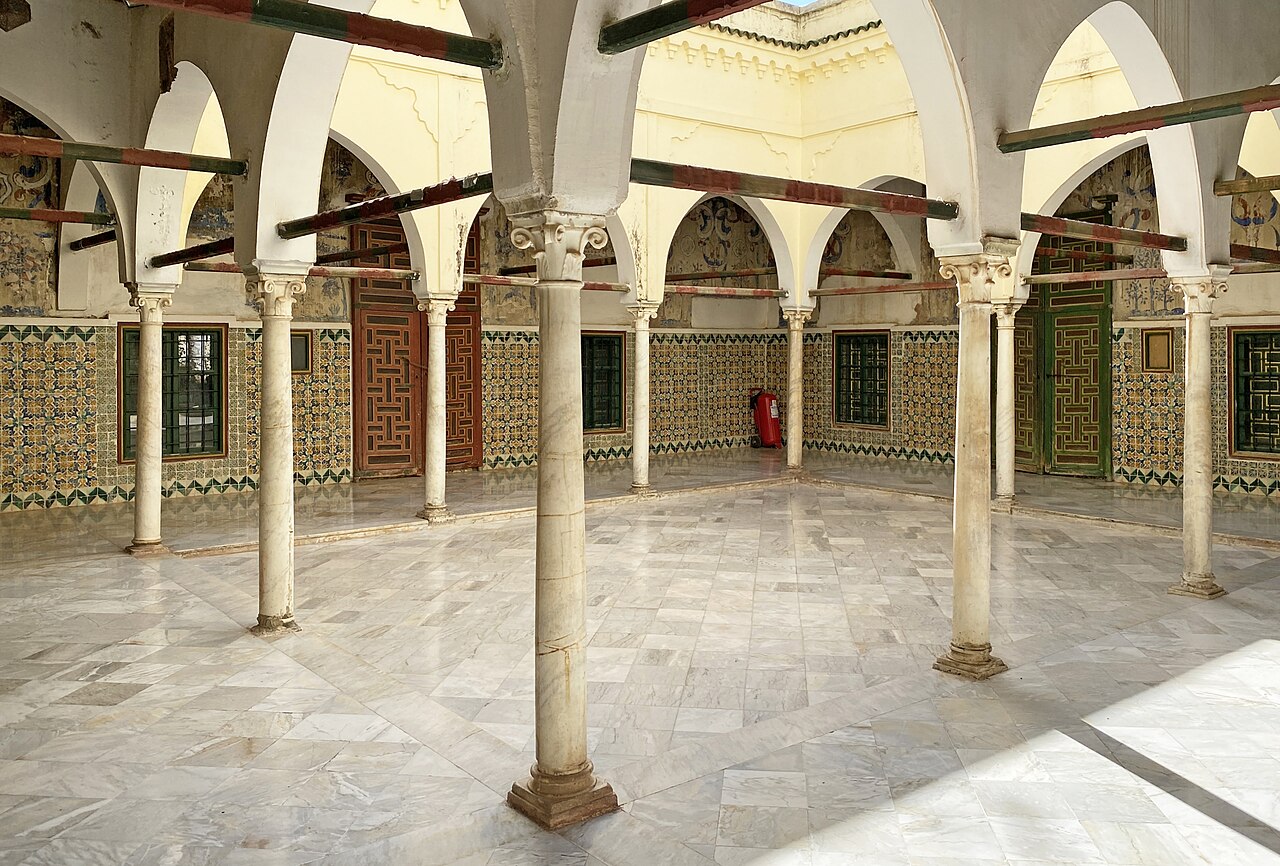
Bey was also the title that was awarded by the Ottoman Sultan in the twilight of the Ottoman Empire to Oloye Mohammed Shitta, an African merchant prince of the Yoruba people who served as a senior leader of the Muslim community in the kingdom of Lagos. Subsequently, he and his children became known in Nigeria by the double-barrelled surname Shitta-Bey, a tradition which has survived to the present day through their lineal descendants. In the Ottoman period, the lords of the semi-autonomous Mani Peninsula used the title of beis (μπέης); for example, Petros Mavromichalis was known as Petrobey. Other Beys saw their own Beylik promoted to statehood, e.g., in Qusantina (Constantine in French), an Ottoman district subject to the Algiers regency since 1525 (had its own Beys since 1567), the last incumbent, Ahmed Bey ben Mohamed Chérif (b. , in office 1826–1848, d.
More in Historical & Cultural Concepts
Sources
Compiled from Wikipedia and the sources listed below. Text from Wikipedia is available under CC BY-SA 4.0; this entry is adapted from it.
- Wikipedia: Bey (CC BY-SA 4.0).
Spotted an error? Know more?
Reader corrections go straight into our review queue. Suggest an edit · How this site is sourced