
Enlightened absolutism
Absolute monarchs ruling with Enlightenment ideals to enhance power.
Last updated

Grnrchst · CC BY-SA 4.0
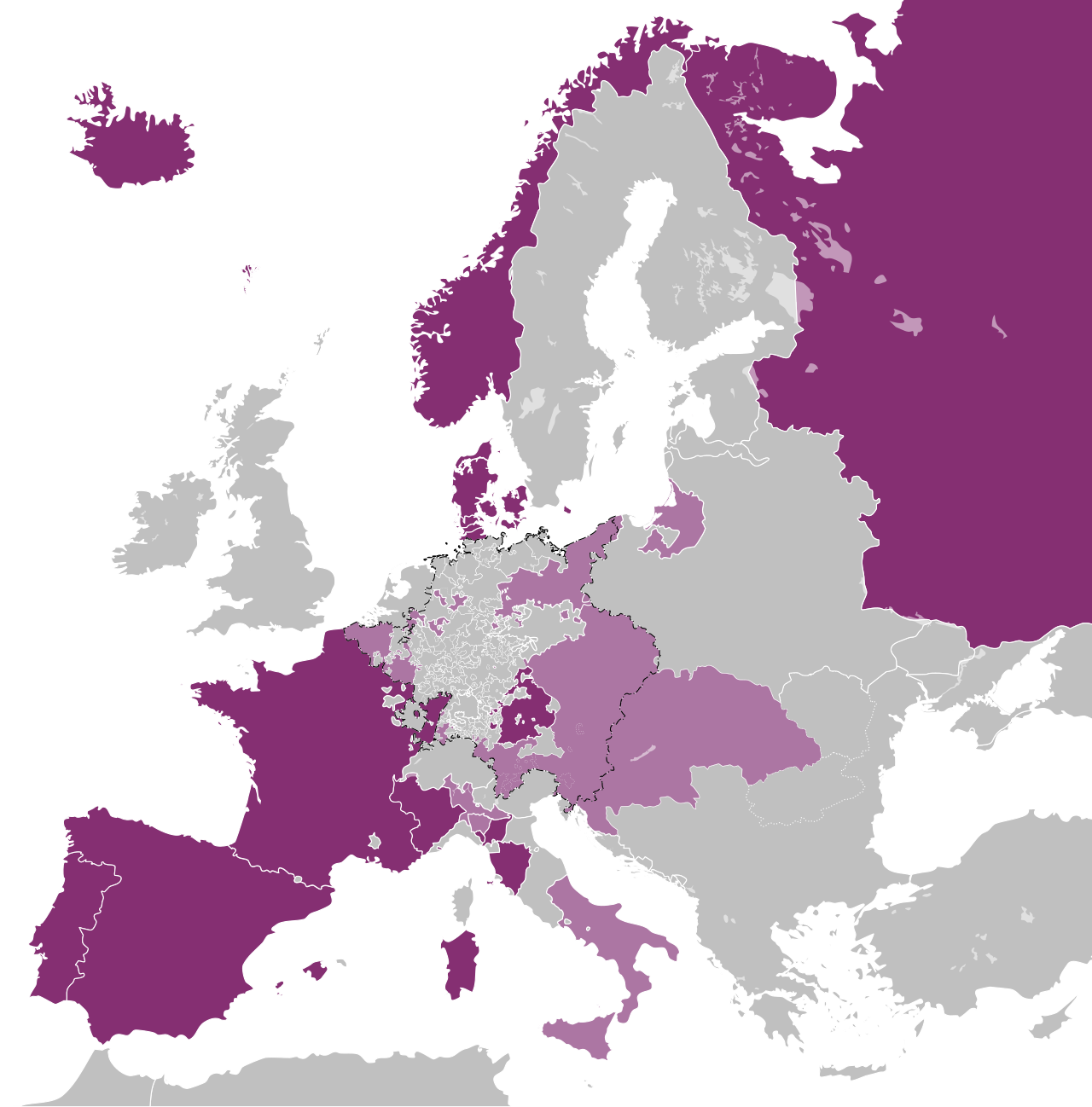
Enlightened absolutism—also known as enlightened despotism—describes the policies and actions of European absolute monarchs in the 18th and early 19th centuries who were shaped by Enlightenment ideas and used them to strengthen their own authority. The term was coined by historian Wilhelm Roscher in 1847, not during the Enlightenment itself. An enlightened absolutist is a non-democratic or authoritarian ruler who governs according to Enlightenment principles. These monarchs set themselves apart from traditional rulers by claiming to act for the benefit of their subjects.
In terms of royal power, enlightened absolutists held views similar to those of ordinary despots, both believing they were born to rule. Some enlightened rulers contributed to the abolition of serfdom in Europe. The reign of Emperor Joseph II of the Holy Roman Empire is summed up by the phrase: "Everything for the people, nothing by the people." Frederick the Great of Prussia (ruled 1740–1786) wrote an essay defending enlightened absolutism.
History
When the French philosopher Voltaire fell out of favor in France, he accepted Frederick's invitation to live at his palace, believing that an enlightened monarchy was the only real path to societal progress. Frederick was an admirer of French ideas and stated: "My principal occupation is to combat ignorance and prejudice ... to enlighten minds, cultivate morality, and to make people as happy as it suits human nature, and as the means at my disposal permit." The distinction between an ordinary absolutist and an enlightened one depends on how much they embraced the Age of Enlightenment. Historians debate how far enlightened absolutism was actually implemented, separating the personal enlightenment of a ruler from the enlightenment of their regime.
Frederick, for instance, was educated in French Enlightenment ideas as a youth and held them privately as an adult, but often could not or would not put enlightened reforms into practice. The concept was formally defined by German historian Wilhelm Roscher in 1847 and remains disputed among scholars. Centralized control required systematic information gathering. A key development was the collection and use of numerical data—trade statistics, harvest reports, death records, and population censuses.
Quick Facts
- Field
- Political history; Governance
- Era
- 18th to early 19th centuries
- Associated rulers
- Frederick the Great
- Catherine the Great
- Joseph II
- Charles III
- Coined by
- Wilhelm Roscher (1847)
Facts from the source article.
Lore & Background
Enlightened absolutists' beliefs about royal power were typically similar to those of regular despots, both recognizing that they were destined to rule. Enlightened rulers may have played a part in the abolition of serfdom in Europe.
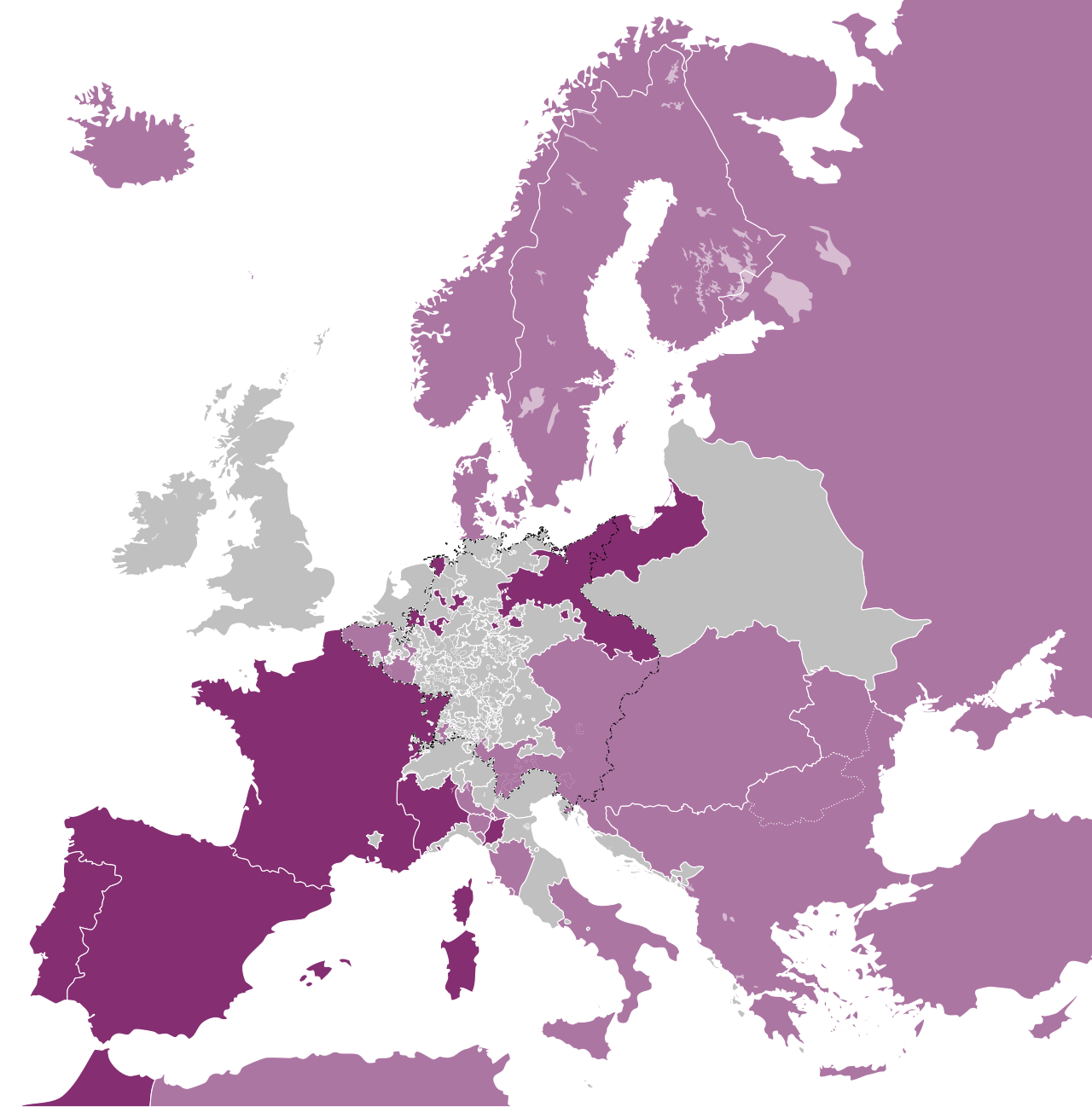
The enlightened despotism of Emperor Joseph II of the Holy Roman Empire is summarized as 'Everything for the people, nothing by the people'. Frederick the Great, who ruled Prussia from 1740 to 1786, wrote an essay defending this system of government. He explained: 'My principal occupation is to combat ignorance and prejudice ... to enlighten minds, cultivate morality, and to make people as happy as it suits human nature, and as the means at my disposal permit.'
Philosophy and the Paradox of Benevolent Rule
Enlightened absolutism represents a peculiar political arrangement in which authoritarian rulers deliberately adopted the intellectual frameworks of the Enlightenment to strengthen their own authority rather than to cede it. These monarchs, operating across eighteenth- and early nineteenth-century Europe, shared with ordinary despots the conviction that they were naturally destined to govern. What set them apart was a rhetorical and policy commitment to the welfare of their subjects.
The governing maxim, as captured in the phrase attributed to Joseph II's regime, was 'Everything for the people, nothing by the people.' The ruler improved, reformed, and enlightened, but the governed never participated. John Stuart Mill later articulated a related justification, arguing that despotism could be legitimate when its purpose was the improvement of those under it. Historians continue to debate whether these rulers were genuinely enlightened in their private convictions or merely performed enlightenment as a tool of statecraft, and whether the distinction between an enlightened ruler and an enlightened regime can even be cleanly separated.
Rulers, Reforms, and Reckonings
The practice of enlightened absolutism produced wildly uneven results across Europe. Frederick the Great of Prussia, who reigned from 1740 to 1786, penned a defense of benevolent despotism and eagerly sheltered the exiled Voltaire at his palace, yet in practice he proved unable or unwilling to translate his private philosophical commitments into sweeping institutional reform. Catherine II of Russia championed the Enlightenment through her Nakaz, a proposed legal code steeped in Montesquieu's thinking, but her courtship of Denis Diderot ended in awkward failure.
In Spain, Charles III (1759–1788) pursued ambitious modernization—curbing ecclesiastical power, advancing university research, and overhauling agriculture—only to see his centralizing agenda provoke fierce noble resistance and collapse after his death. Joseph II of Austria, ruling from 1780 to 1790, announced reforms so numerous and poorly supported that popular revolts erupted and his tenure devolved into what observers called a comedy of errors. In Portugal, the initiative came not from the king but from Secretary of State Pombal, while in Denmark, Johann Friedrich Struensee issued over a thousand decrees in thirteen months before his enemies overthrew him and he was executed and quartered.
The Data-Driven State
A defining operational feature of enlightened absolutism was the systematic harnessing of information for centralized governance. Rulers who embraced Enlightenment thinking recognized that effective administration demanded reliable knowledge of the nation's condition, and this recognition drove a major institutional shift. Beginning in the 1760s, officials in France and Germany increasingly turned to quantitative data—trade statistics, harvest reports, death records, and population censuses—as the backbone of systematic planning aimed at long-term economic growth.
This data-driven approach married the utilitarian reform agenda of enlightened despotism with emerging economic theories, most notably Cameralism in the German lands and Physiocracy in France. The result was a state apparatus that collected, interpreted, and acted upon numerical evidence in ways that had no real parallel in earlier absolutist practice. This bureaucratic infrastructure for statistical governance represented perhaps the most concrete and lasting institutional legacy of the movement, embedding the logic of measurement and rational planning into the administrative DNA of European states well beyond the era of the monarchs who first championed it.
A Contested Legacy and Modern Echoes
The very term 'enlightened absolutism' was not coined by the monarchs themselves but was formally articulated by the German historian Wilhelm Roscher in 1847, and it has remained a source of scholarly contention ever since. The concept's appeal lies in its suggestion that authoritarian power and progressive reform can coexist, a proposition that continues to find expression in modern politics.
Reza Shah Pahlavi of Iran built a coalition of secular constitutionalists, liberal thinkers, traditional clergy, and ordinary citizens to enact a form of enlightened absolutism, modernizing the bureaucracy, promoting religious tolerance, and stimulating economic growth while simultaneously preserving an authoritarian monarchical structure. More recently, Crown Prince Mohammad bin Salman of Saudi Arabia, who assumed de facto power in 2017, has been described in similar terms for curbing the influence of Wahhabi clergy and religious police within a theocratic kingdom. Yet Saudi Arabia remains an authoritarian state with a poor human rights record and a pattern of jailing and persecuting political dissidents, underscoring the fundamental tension at the heart of the model: reform directed from above, without the consent of those it is meant to serve.
Reader's Guide
The concept of enlightened absolutism was formally described by the German historian Wilhelm Roscher in 1847 and remains controversial among scholars. Historians debate the actual implementation of enlightened absolutism, distinguishing between the 'enlightenment' of the ruler personally versus that of his regime. For example, Frederick the Great was tutored in the ideas of the French Enlightenment in his youth and maintained those ideas in his private life, but in many ways was unable or unwilling to effect enlightened reforms in practice. Centralized control required the systematic collection of information, including trade statistics, harvest reports, death records, and population censuses.
Starting in the 1760s, officials in France and Germany began increasingly to rely on quantitative data for systematic planning, especially regarding long-term economic growth. This combined the utilitarian agenda of enlightened absolutism with new ideas in economics. In modern times, Reza Shah Pahlavi enacted a form of enlightened absolutism in Iran, and Crown Prince Mohammad bin Salman of Saudi Arabia has been described as a modern-day enlightened monarch.
More in Historical & Cultural Concepts
Sources
Compiled from Wikipedia and the sources listed below. Text from Wikipedia is available under CC BY-SA 4.0; this entry is adapted from it.
- Wikipedia: Enlightened absolutism (CC BY-SA 4.0).
Spotted an error? Know more?
Reader corrections go straight into our review queue. Suggest an edit · How this site is sourced