
Guild
Professional associations regulating craft and trade across eras and regions.
Last updated

Sam.Donvil · CC BY-SA 4.0
A guild is a professional association of artisans and merchants that supervises how a particular craft or trade is practiced within a specific area. The word comes from medieval Europe, where guilds were most widespread, but it has also been applied to similar organizations from earlier and later periods, as well as in other regions.
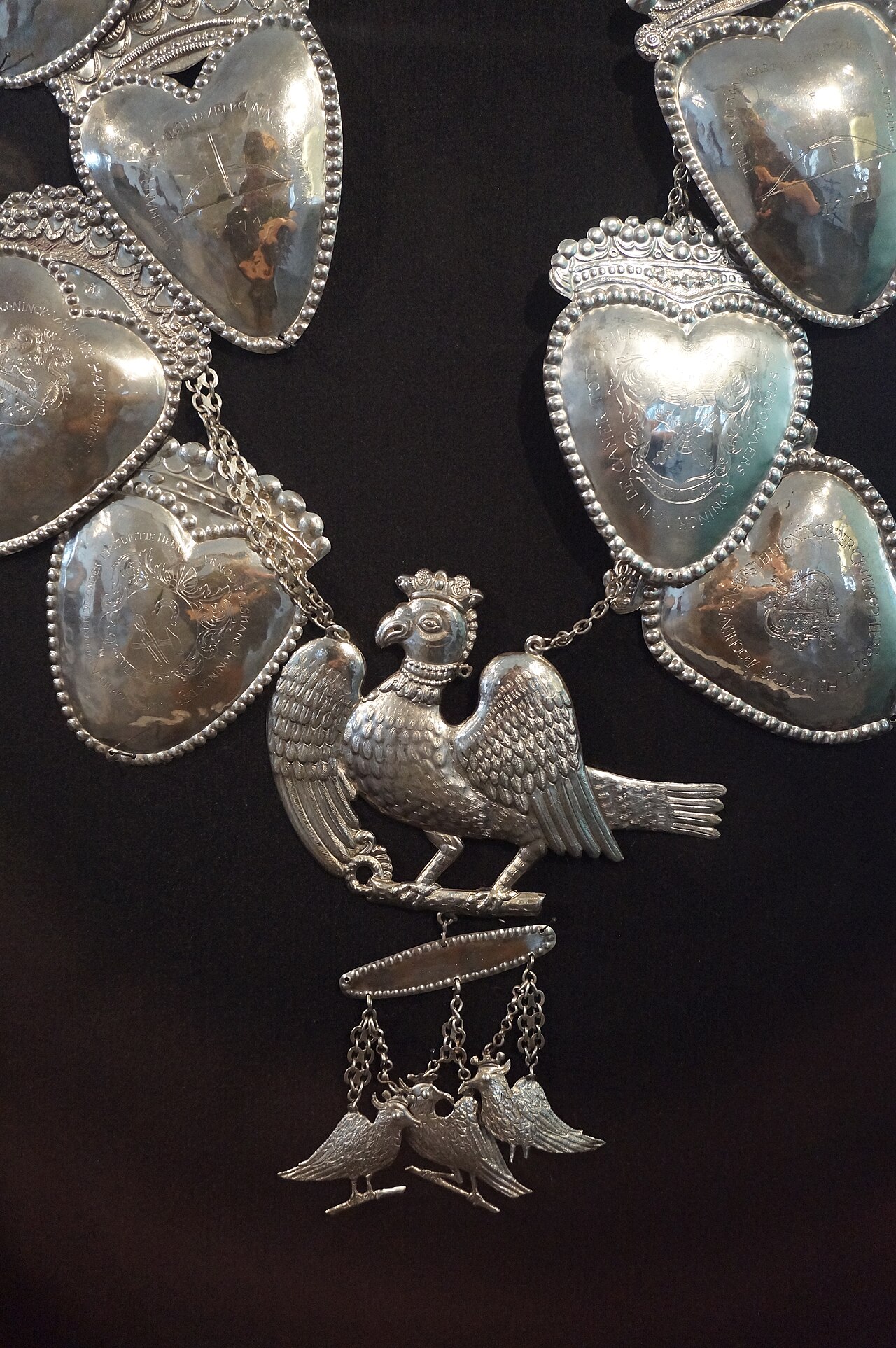
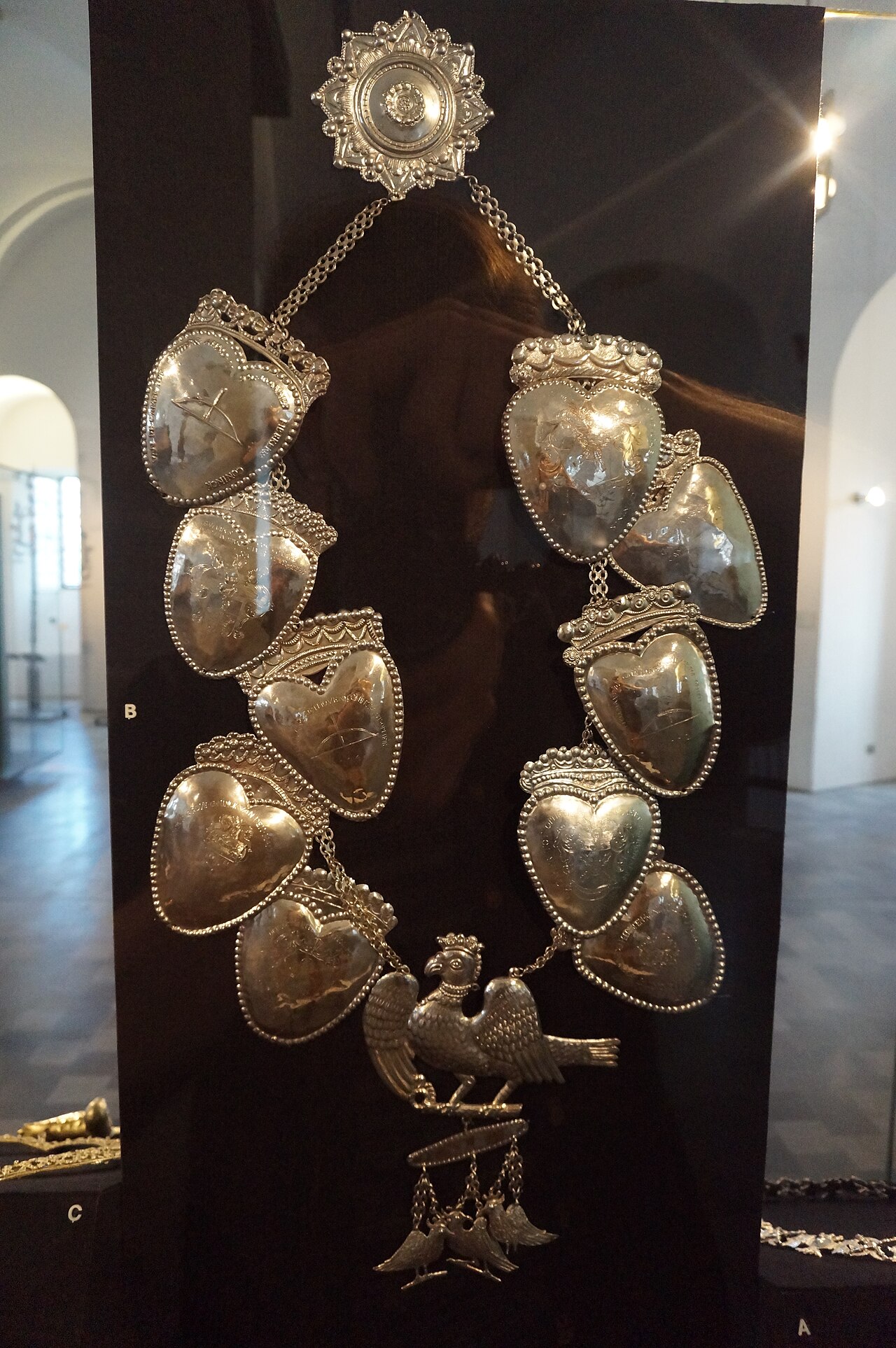
The main privilege was that only guild members could sell their products or work at their trade inside a city. Guilds could set rules on minimum or maximum prices, trading hours, the number of apprentices, and many other details. Critics said these rules limited free competition, while defenders argued they upheld professional standards.
Early history
In early history, Naram-Sin of Akkad, grandson of Sargon, established common Mesopotamian standards for length, area, volume, weight, time, and shekels, though the existence of formal artisan guilds using these standards is not historically attested. The Code of Hammurabi set specific wages and rates for shipbuilding and shipping contracts, but these were general trade regulations, not evidence of guild-like oversight.

In ancient Rome, a collegium or corpus was a type of association, but these were broader social or religious groups, not guilds with monopolistic trade regulation in the medieval sense. An example is the corpus naviculariorum, an association of merchant mariners based at Rome’s port of Ostia. Roman collegia did not survive the collapse of the Roman Empire.
Role
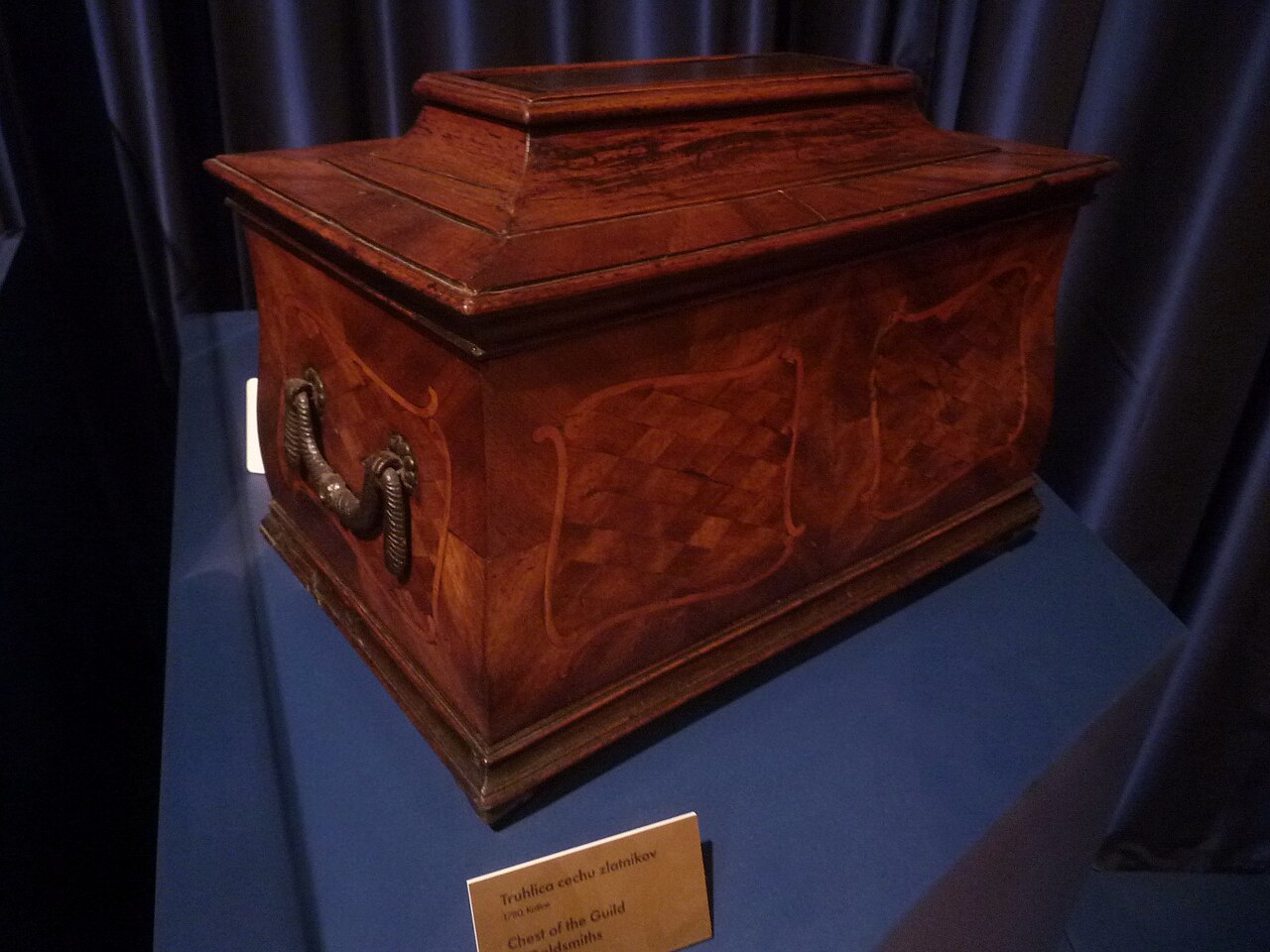
During the Middle Ages and early modern period, guilds evolved from earlier fraternity groups for protection or religion. Merchant and craft guilds became structured organizations that regulated trade, ensured product quality, and protected members’ economic interests. They became more common across Europe during the High Middle Ages as urban economies specialized.
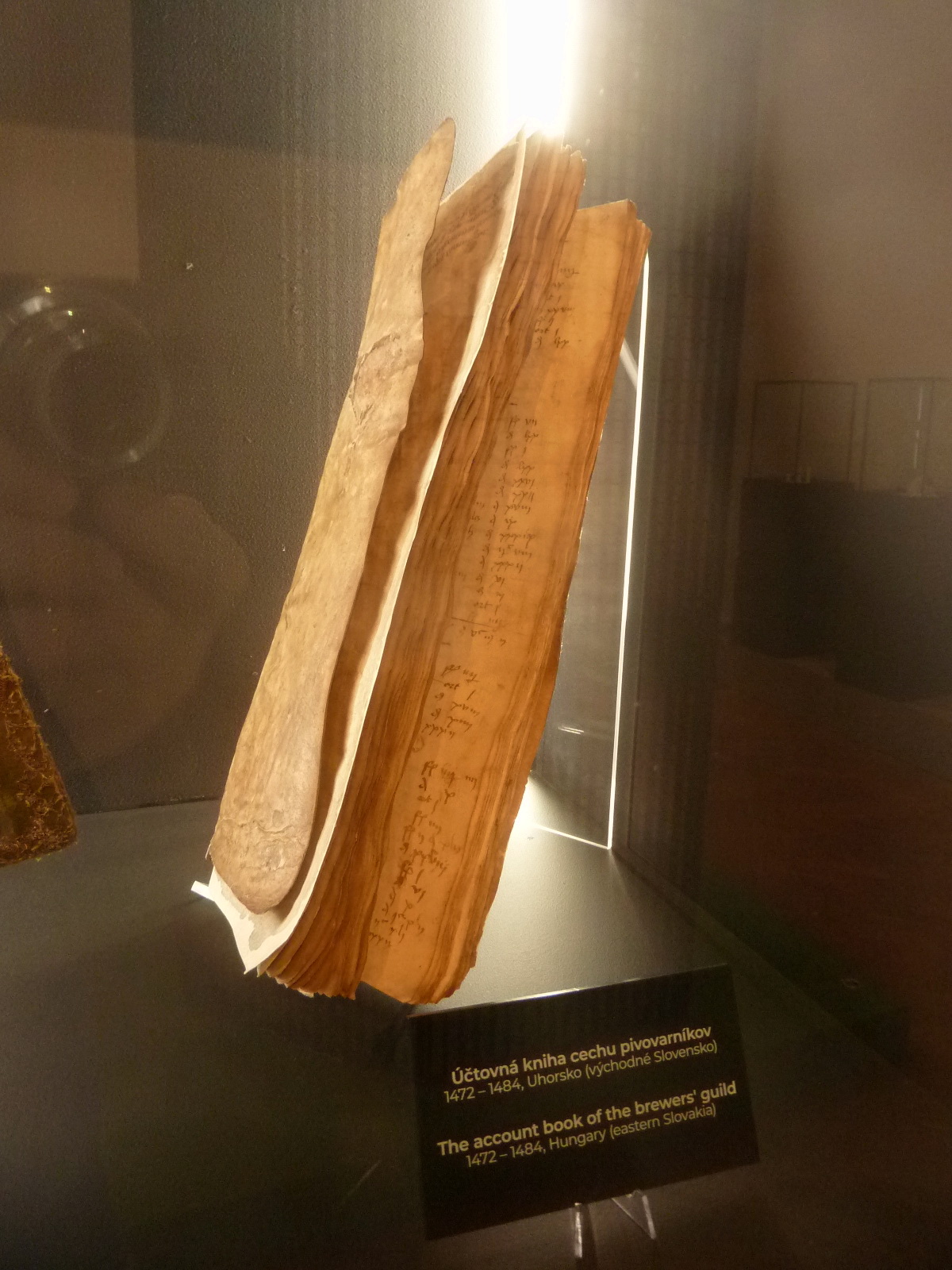
Merchant guilds dominated commerce and city governance in many towns. Craft guilds passed on skills through formal systems of apprenticeship, journeymanship, and mastery, and oversaw production of goods like textiles, metalwork, glassmaking, and baking. In major cities such as Florence, Paris, Barcelona, and the German free cities, guilds were central to economic and civic life, often numbering in the dozens or hundreds.
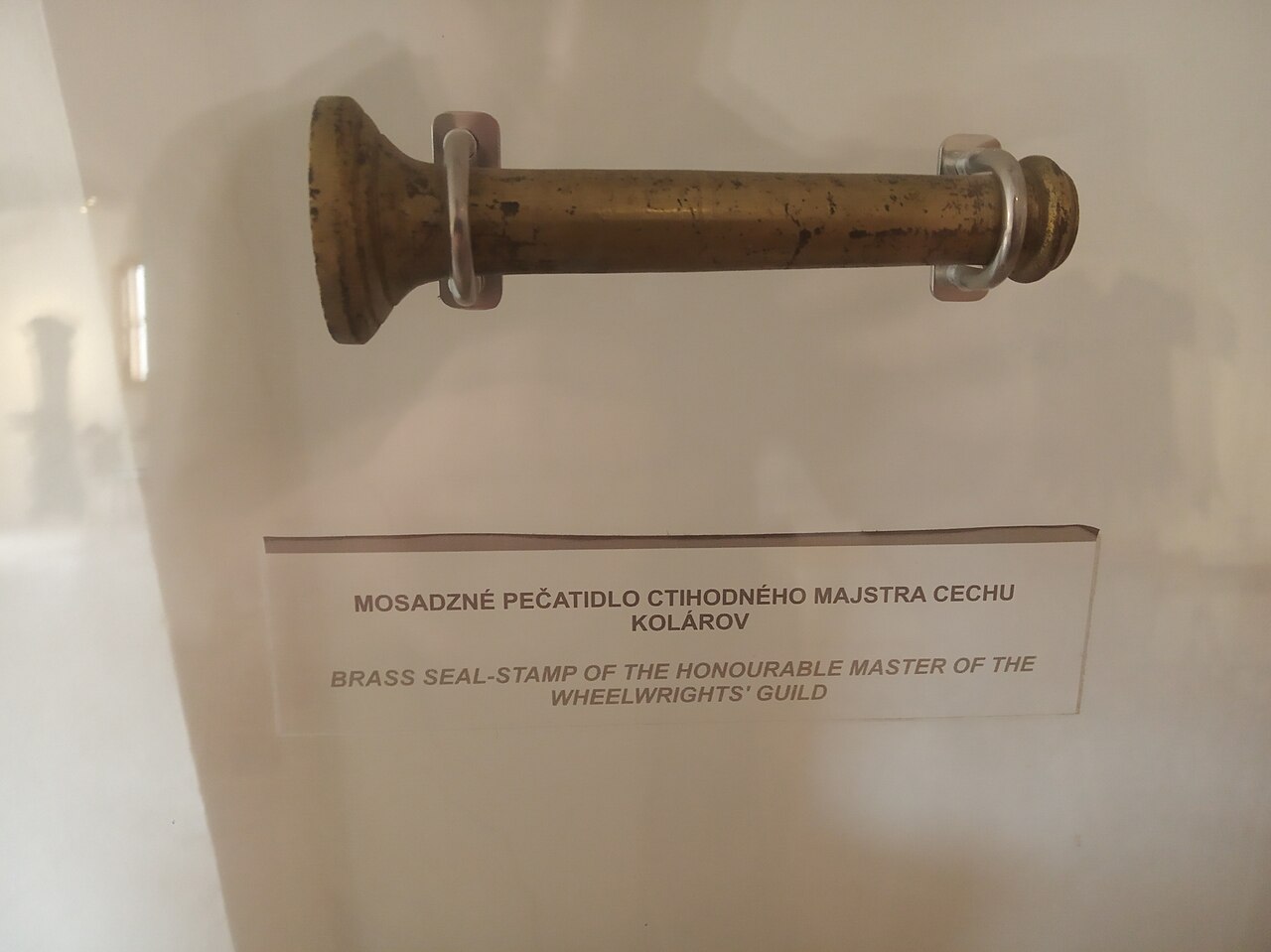
Guilds also had important social and political roles.
Quick Facts
- Field
- Professional associations of artisans and merchants
- Peak period
- High Middle Ages in Europe
- Decline
- Accelerated by French Revolution abolition in 1791; most European countries followed during 18th and 19th centuries
Facts from the source article.
Lore & Background
Early history of guild-like organizations is debated. Naram-Sin of Akkad (c. 2254–2218 BC) promulgated common Mesopotamian standards for length, area, volume, weight, time, and shekels, but there is no clear evidence these were used by formal artisan guilds. The Code of Hammurabi (c. 1755–1750 BC) stipulated wages and freight rates for shipbuilders and shipmasters, but this was general trade regulation, not guild-specific. In Ancient Rome, collegia or corpora were associations, not guilds with monopolistic trade control; an example is the corpus naviculariorum of merchant mariners at Ostia, but these did not survive the empire's collapse.
During the Middle Ages and early modern period, medieval guilds evolved as structured organizations. Women could enter guilds through marriage or as widows, but some also operated as independent masters, contradicting the idea that family ties were the only path.
Reader's Guide
Guilds were central to economic and civic life in many historical societies, particularly in medieval Europe, where they regulated trade, upheld quality, and protected members. Their significance lies in their dual role as economic regulators and social institutions: they controlled prices, hours, and apprenticeships, while also providing welfare and reinforcing communal religious life. Critics such as Enlightenment thinkers argued that guild monopolies inhibited free trade and innovation, while defenders maintained they protected professional standards.
The decline of guilds accelerated with the French Revolution's abolition in 1791 and continued through industrialization, though modern professional organizations in law, medicine, engineering, and academia replicate guild structures through licensing and accreditation. Historians debate the economic impact of guilds: some view them as monopolistic and rent-seeking, others as facilitators of training, quality control, and technological adaptation. Outside Europe, guild-like organizations existed in ancient and early medieval India (śreṇi), the Ottoman Empire (Akhiya fraternities), late-imperial China (gongsuo), medieval and early-modern Japan (za and kabunakama), the Aztec Empire (pochteca), and the Benin Kingdom (Igun).
Did You Know?
- Code of Hammurabi Law 234 stipulated a 2-shekel wage for constructing a 60-gur vessel.
- In Rouen, women had participated as full-fledged masters in 7 of the city's 112 guilds since the 13th century.
Frequently Asked Questions
What exactly is a guild?
A guild is a professional association of artisans and merchants that oversees how a particular craft or trade is practiced within a defined area. It functions as both a regulatory body and a protective economic organization for its members.
When and where were guilds most prominent?
Guilds reached their peak during the High Middle Ages in Europe, where they were the most widespread form of trade organization. The term has since been applied to similar groupings in other regions and periods, though formal guilds are most clearly documented in medieval European contexts.
What specific powers did guilds hold over trade?
Guilds could set price floors and ceilings, dictate trading hours, and cap the number of apprentices allowed in a trade. Their central privilege was granting members an exclusive right to sell goods or practice a craft within a given city, effectively creating a local monopoly.
Why did guilds eventually decline?
The French Revolution's abolition of guilds marked a major turning point, as revolutionary governments dismantled the monopolistic structures they had represented for centuries. Broader shifts toward free-market economics and industrialization further eroded the regulatory role guilds had long played.
More in Historical & Cultural Concepts
Sources
Compiled from Wikipedia and the sources listed below. Text from Wikipedia is available under CC BY-SA 4.0; this entry is adapted from it.
- Wikipedia: Guild (CC BY-SA 4.0).
Spotted an error? Know more?
Reader corrections go straight into our review queue. Suggest an edit · How this site is sourced