Autosomal recessive axonal neuropathy with neuromyotonia
Rare hereditary disorder with progressive neuropathy and neuromyotonia.

Autosomal recessive axonal neuropathy with neuromyotonia is a rare inherited condition. It involves a progressive poly-neuropathy along with neuromyotonia, myokymia, pseudo-myotonia, and contractures of the hands and feet. Needle EMG shows abnormal neuro-myotonic and myokymic activity. As of the latest OMIM data, about 52 cases had been documented in medical literature, with additional cases—mainly from Europe and North America—reported after 2014.
People with this disorder typically develop axonal neuropathy, muscle wasting in the hands, feet, and legs, chronic muscle weakness that becomes noticeable during exercise, an abnormal gait, a high risk of falls, and joint contractures. Neuromyotonia and myokymia are also present. In some individuals, the axonal neuropathy leads to reduced sensitivity to cold, heat, and touch in the distal parts of the arms and legs. Certain symptoms temporarily worsen when the person is exposed to cold.
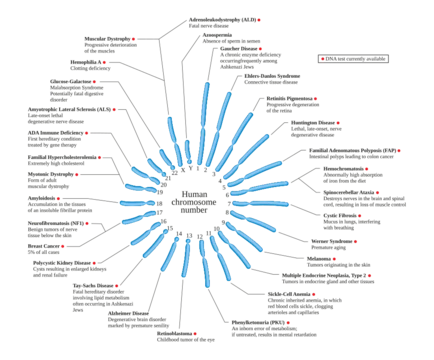
The condition results from a homozygous mutation in the HINT1 gene on chromosome 5, most commonly the c.110 G > C (p.Arg37Pro) mutation.
The syndrome was first described in 1991 by Hahn and colleagues, who reported two Chinese-Canadian siblings of opposite sexes. The brother had difficulty releasing his grip, childhood-onset neuromyotonia and muscle stiffness, progressive motor neuropathy, finger cramping during and after writing, involuntary twitches in his fingers, thighs, and forearms, foot drop-related gait problems, hand weakness, hyporeflexia, and tongue percussion. His younger sister was less affected, sharing only some symptoms, including upper and lower distal muscle weakness. Both siblings showed chronic motor neuropathy, peripheral nerve fiber hyperexcitability, and multiple denervations. A muscle biopsy in the brother revealed chronic partial denervation. Through these siblings and 50 additional patients from 33 families worldwide, it was determined that the disorder is caused by HINT1 mutations.
- cause
- Homozygous mutation in the HINT1 gene (most commonly c.110 G > C, p.Arg37Pro)
Lore & Background
The condition was first identified in 1991 by Hahn et al., who described two Chinese-Canadian siblings of opposite sexes. The male sibling presented with difficulties releasing his grip, childhood-onset neuromyotonia and muscle stiffness, progressive motor neuropathy, finger cramping while and after writing, involuntary twitches of finger, thigh and forearm muscles, foot drop-associated gait problems, hand weakness, hyporeflexia, and tongue percussion. His younger sister was less affected, sharing only upper and lower distal muscle weakness. Both siblings were found to have chronic motor neuropathy, peripheral nerve fiber hyperexcitability, and multiple denervations. Muscle biopsies in the brother detected chronic partial denervation.
Reader's Guide
This disorder is significant as a rare genetic condition linking a specific HINT1 gene mutation to a distinct clinical syndrome of axonal neuropathy and neuromyotonia. The identification of the HINT1 mutation (c.334 C > A, p.H112 N) in the initial siblings and 50 additional patients from 33 families worldwide established the genetic basis. The condition highlights the importance of genetic testing in diagnosing rare neuropathies and underscores the variability in symptom severity, as seen in the original siblings. Its inclusion in medical compendia aids clinicians in recognizing and managing this progressive disorder, which can cause muscle wasting, contractures, and sensory loss in distal limbs. Ongoing case reports since 2014 suggest a broader geographic distribution than initially recognized.
Did You Know?
- This condition is distinct from Gamstorp-Wohlfart syndrome, which is a form of spinal muscular atrophy.
- Symptoms can temporarily worsen when a person is exposed to cold temperatures.
- The condition was first described in 1991 by Hahn et al. in two Chinese-Canadian siblings.
More in Genetic diseases and disorders 1-24
Spotted an error? Know more?
This is a living reference — every entry is fact-audited, and reader corrections feed straight into our audit queue. Suggest an edit · See this site's audit record