Alternating hemiplegia of childhood
A rare disorder marked by alternating paralysis that typically resolves during sleep.

Alternating hemiplegia of childhood (AHC) is a rare neurological disorder characterized by transient episodes of hemiplegia (weakness or paralysis) that typically present before 18 months of age. It is named for these attacks, which can alternate between sides of the body or affect one or both sides, and typically resolve during sleep but may recur upon waking. The disorder is most frequently caused by a spontaneous mutation in the ATP1A3 gene and was first characterized in 1971.
- field
- Neurology
- known_for
- Transient hemiplegic attacks that alternate sides and typically resolve during sleep
- prevalence
- Approximately one in one million people
- typical_age_of_onset
- 6–7 months for hemiplegic episodes; other paroxysmal symptoms can appear within days of birth
- average_age_of_diagnosis
- Just over 36 months
- genetic_cause
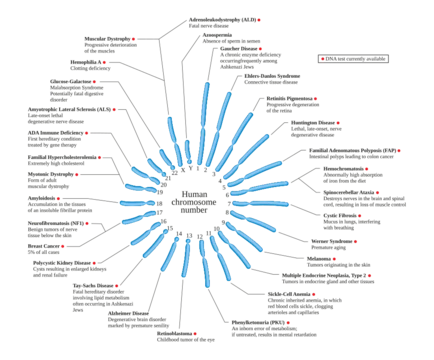
- Spontaneous mutation in ATP1A3 gene (chromosome 19q13.31)
Lore & Background
Alternating hemiplegia of childhood was first characterized in 1971. It is an extremely rare disorder, affecting approximately one in one million people. The most prominent symptom is hemiplegic attacks, which can cause mild weakness to complete paralysis on one or both sides of the body, and may alternate sides during an attack. These attacks typically resolve during sleep but may recur upon waking. The average age of onset for hemiplegic episodes is 6–7 months, though other paroxysmal symptoms such as ocular motor abnormalities often appear earlier, sometimes within days of birth.
Reader's Guide
AHC is significant as a rare neurological disorder that presents diagnostic challenges due to its complexity and lack of a simple test. It is often misdiagnosed as epilepsy, which co-occurs in at least 50% of patients. The disorder's hallmark—symptoms that disappear with sleep—helps distinguish it from other conditions. Diagnosis relies on clinical criteria, including onset before 18 months, alternating hemiplegia, and associated autonomic and developmental issues. The discovery of the ATP1A3 gene mutation has clarified its cause, though uncertainty remains about whether AHC is progressive. Severe attacks may cause permanent loss of function, and cognitive deficits are common, though not universal. The disorder's name is slightly misleading, as attacks may become milder after the first ten years but never completely disappear.
Did You Know?
- Hemiplegic attacks typically resolve during sleep but may recur upon waking.
- Almost one-third of people with AHC had episodic ocular motor features within 1–2 days of birth.
- At least 50% of people with AHC also have epilepsy, and AHC is often misdiagnosed as epilepsy.
- The average age of diagnosis is just over 36 months, though symptoms typically begin before 18 months.
The Defining Episodes: Hemiplegic Attacks
The defining hallmark of Alternating hemiplegia of childhood is the recurrent episode of hemiplegia—transient weakness or outright paralysis that strikes one or both sides of the body. These attacks are the reason the condition bears its name, yet they are not always the very first sign a family notices. On average, the first hemiplegic episode appears around six to seven months of age, though the condition typically presents before eighteen months. What makes AHC strikingly unusual is that during sleep, the paralysis and its accompanying symptoms vanish entirely, only to reappear upon waking in the case of severe attacks. The duration of a single episode is unpredictable, stretching anywhere from a few minutes to several weeks, and the severity can shift even within one attack. Alongside the motor loss, patients often display pseudobulbar signs such as difficulty swallowing, slurred speech, and breathing problems. Skin color changes, sweating, tremors, restlessness, and apparent pain frequently accompany the episode. Because eating and speech are so often compromised, many affected children remain underweight. Importantly, while the name suggests a childhood-limited illness, attacks may soften after the first decade but never fully resolve.
Early Warning Signs: Paroxysmal Symptoms and Diagnosis
Long before the first full hemiplegic attack, many children with AHC display a constellation of paroxysmal symptoms that serve as critical early clues. Ocular motor abnormalities—especially episodic nystagmus—are the most common of these early signs, with nearly one-third of affected infants showing such features within just one to two days of birth. Dystonic posturing, choreoathetosis, and various limb movements (tonic, tonic-clonic, or myoclonic) also appear, and almost half of patients experience dystonic symptoms before their first hemiplegic episode. The average onset for these paroxysmal features is around two and a half months of age, with many manifesting in the neonatal period. Behavioral shifts—sudden unreasonableness, demanding behavior, or aggression—can precede or follow an attack. Diagnosing AHC remains challenging because no single simple test exists. While EEGs recorded during episodes sometimes reveal generalized background slowing, brain MRIs, angiographic MRIs, and other imaging studies typically return normal results. It is precisely the pattern and timing of these paroxysmal symptoms that clinicians rely on to piece together a diagnosis.
The Long Shadow: Cognitive and Developmental Consequences
Beyond the dramatic episodes of paralysis, AHC casts a persistent shadow over a child's cognitive and motor development. Persistent ataxia, motor deficits, and cognitive impairment are consistent features of the condition, and these deficits tend to become more pronounced as the individual grows. In a United States study, every single child examined showed some degree of mental impairment, typically described as mild to moderate, though the degree varied widely from person to person. It is exceptionally rare to find someone who meets all diagnostic criteria for AHC yet escapes cognitive deficits; a Japanese study identified only two such individuals. Whether AHC is truly progressive remains uncertain, but severe hemiplegic attacks are suspected to inflict damage that results in permanent loss of function. Social difficulties and developmental delays compound the picture over time. Because the underlying mechanisms are still poorly understood, it is difficult to predict which children will experience the mildest trajectory and which will face the most significant long-term challenges. The interplay between acute attacks and cumulative developmental loss remains one of the central unanswered questions in the field.
A Gene, a Rarity, and a Late Discovery
Alternating hemiplegia of childhood is one of the rarest neurological conditions known to medicine, affecting roughly one in every million people. Its genetic basis was identified only in recent decades: most cases trace back to a spontaneous mutation in the ATP1A3 gene, a finding that has helped researchers begin to understand the molecular underpinnings of the disorder. Despite its profound impact on those affected, AHC was not formally characterized until 1971, meaning that for generations, families dealing with these mysterious episodes of paralysis and developmental struggle had no name for what they were witnessing. The condition's name itself carries a slight inaccuracy—the "of childhood" qualifier is somewhat misleading, since attacks do not simply vanish with age. While episodes may become milder after the first ten years of life, they persist throughout the individual's lifespan. The combination of extreme rarity, the absence of a straightforward diagnostic test, and the wide variability of symptoms means that AHC continues to present significant challenges for both clinicians and affected families seeking understanding and support.
Frequently Asked Questions
Who is Alternating hemiplegia of childhood?
AHC is a rare neurological condition in which infants experience temporary episodes of one-sided weakness or paralysis that can switch from one side of the body to the other. It was first described in the medical literature in 1971 and typically appears before a child reaches 18 months of age.
What are Alternating hemiplegia of childhood's powers/role?
The hallmark feature of AHC is its transient hemiplegic attacks, which often resolve when the child falls asleep but can return upon waking. Additional paroxysmal symptoms may show up within days of birth, while the classic hemiplegic episodes tend to emerge around six to seven months of age.
How does Alternating hemiplegia of childhood's story end?
There is currently no cure, and the long-term course varies widely among affected children. On average, a child is not formally diagnosed until just past the three-year mark, and the condition remains a lifelong neurological disorder.
Why is Alternating hemiplegia of childhood important?
AHC is significant because it is extremely rare—hitting roughly one in a million people—yet it profoundly affects early brain development in infants. Its identification helped bring attention to the ATP1A3 gene as a critical player in neuronal ion transport.
What's the origin story behind Alternating hemiplegia of childhood?
In most cases, AHC traces back to a spontaneous (de novo) mutation in the ATP1A3 gene located on chromosome 19q13.31, meaning the change usually arises fresh in the affected child rather than being inherited. This single genetic alteration disrupts the sodium-potassium pump in nerve cells, setting the stage for the characteristic paroxysmal episodes.
More in Genetic diseases and disorders 1-24
Spotted an error? Know more?
This is a living reference — every entry is fact-audited, and reader corrections feed straight into our audit queue. Suggest an edit · See this site's audit record