Arginine:glycine amidinotransferase deficiency
Rare genetic disorder causing creatine deficiency in brain and muscle.

The Association for Creatine Deficiencies · CC BY 4.0
AGAT deficiency is a rare inherited condition that disrupts the body's ability to make creatine. It occurs when a person inherits two faulty copies of the GATM gene, one from each parent. This gene provides instructions for an enzyme called arginine:glycine amidinotransferase, which normally helps produce creatine. Without enough working enzyme, creatine levels drop, particularly in the brain and muscles, leading to the main symptoms: intellectual disability and muscle weakness.
The condition was first identified in 2000 in two sisters, both of whom had severe intellectual disability. Since then, fewer than 20 people with AGAT deficiency have been reported in medical literature.
Diagnosis often begins with signs like intellectual disability and muscle weakness, but these are common to many disorders. Lab tests of blood and urine show low levels of creatine and a substance called guanidinoacetate. Brain scans using magnetic resonance spectroscopy (MRS) reveal a lack of creatine, though this finding is shared with other cerebral creatine deficiencies. A firm diagnosis usually comes from genetic testing that finds harmful changes in both copies of GATM. If genetic results are unclear, enzyme tests or creatine uptake measurements in skin cells can help.
Treatment relies on lifelong oral creatine supplements to restore normal creatine levels in the brain. Starting treatment early, before symptoms develop, gives the best results. While supplementation does not reverse existing intellectual disability, it does improve muscle weakness in people of any age. In one case, an asymptomatic sibling who began treatment early because of an older sibling’s diagnosis had better outcomes than their untreated siblings at the same age. Doctors monitor treatment effectiveness by checking creatine levels in blood and urine and by using MRS to see creatine in the brain. Because creatine is quickly converted to creatinine and removed from the body, treatment must continue for life, with the early years of brain development being the most critical.
- field
- Medical genetics
- known_for
- Cerebral creatine deficiency causing intellectual disability and muscle weakness
- inheritance
- Autosomal recessive
- gene
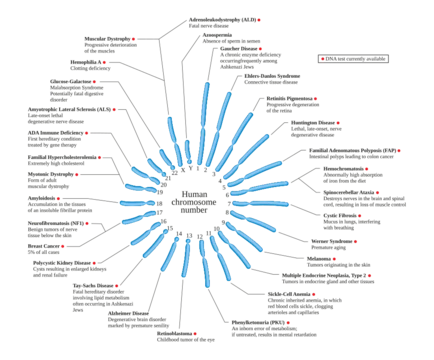
- GATM on chromosome 15
- first_described
- 2000
- reported_cases
- Fewer than 20 individuals
Lore & Background
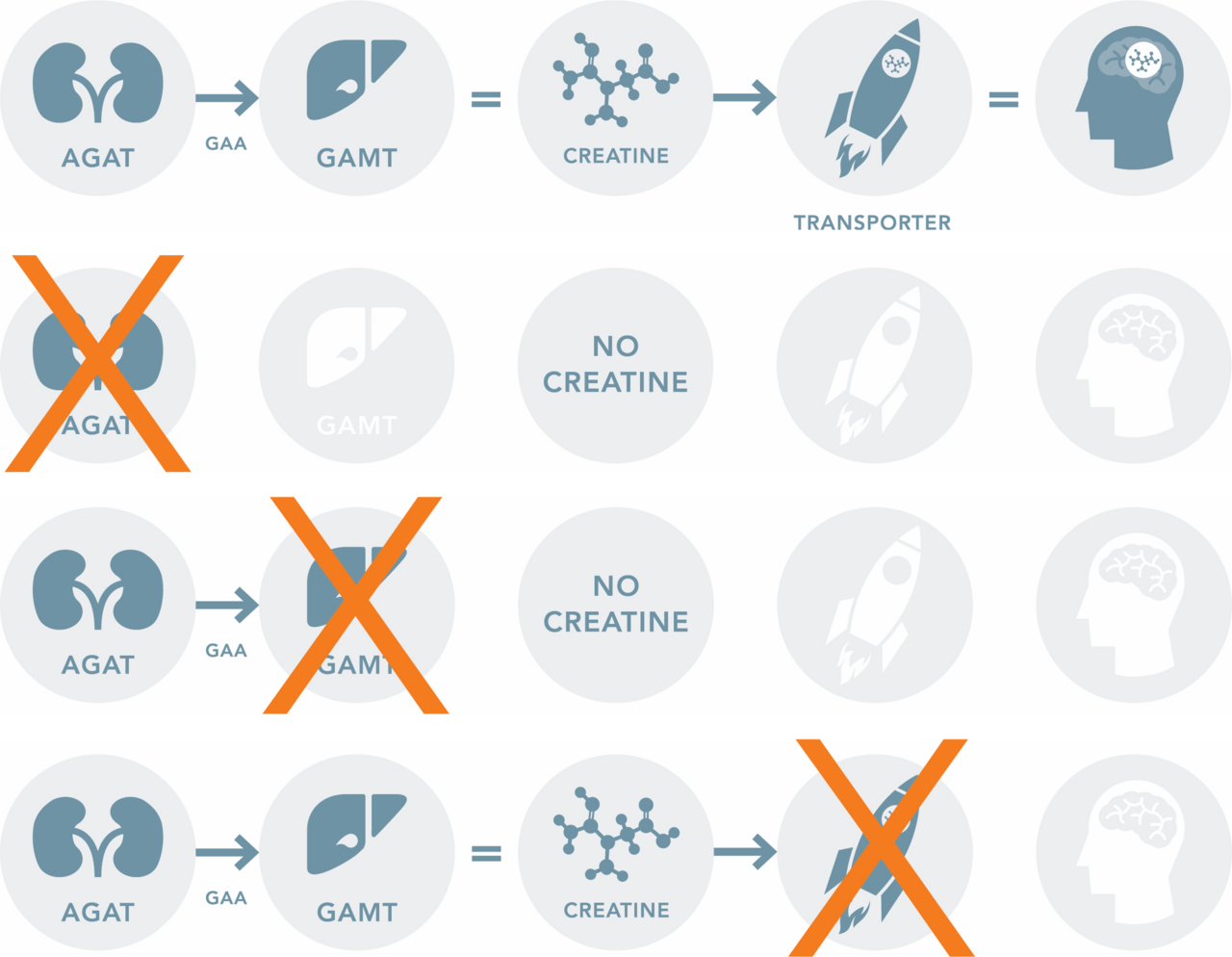
AGAT deficiency was first identified in 2000, in a pair of sisters aged 4 and 6, both of whom had severe intellectual disability. The disorder is caused by deficient activity of arginine:glycine amidinotransferase, which catalyzes the first step in creatine biosynthesis—the combination of arginine and glycine to form guanidinoacetate, with ornithine as a byproduct. These reactions take place primarily in the kidney and pancreas. The clinical manifestations are caused by decreased amounts of creatine produced.
Diagnosis can be suspected from clinical findings of intellectual disability and muscle weakness. Laboratory testing of plasma and urine shows decreased levels of creatine and guanidinoacetate. Magnetic resonance spectroscopy of the brain shows an absence of creatine, a finding not specific to AGAT deficiency. Confirmation is most often done with molecular testing of GATM, identifying biallelic pathogenic variants. Uncertain findings may be confirmed by enzyme assays or by measuring creatine uptake in fibroblasts. Prenatal testing can be performed on chorionic villi samples if the causative variants in the family are known.
Treatment focuses on oral creatine supplementation to replenish cerebral creatine. Early intervention provides the best results, and treatment is most effective if started before symptoms are apparent. Treatment does not reverse intellectual disability or improve cognitive function, but all individuals showed improvement in muscle weakness. In an asymptomatic sibling started on treatment due to earlier diagnosis of an affected sibling, early intervention resulted in improved outcomes compared to untreated siblings at the same age. Treatment must be lifelong, as creatine is rapidly converted and excreted as creatinine.
Reader's Guide
AGAT deficiency is significant as one of three known cerebral creatine deficiencies, all of which are rare. With fewer than 20 individuals reported in medical literature, it represents an extremely rare inborn error of metabolism. Its identification in 2000 highlighted the importance of creatine in brain development and function. The disorder demonstrates the critical role of the GATM enzyme in creatine biosynthesis and the consequences of its deficiency, particularly in muscle and brain tissues. The availability of oral creatine supplementation as a treatment offers a clear therapeutic pathway, though its effectiveness is limited by the timing of intervention—early treatment before symptom onset yields the best outcomes, while treatment after intellectual disability has developed does not reverse cognitive deficits. This underscores the importance of early diagnosis through newborn screening or family-based testing. The disorder also illustrates the value of molecular genetic testing for confirmation, as biochemical and imaging findings can overlap with other creatine deficiencies. The ability to perform prenatal testing when familial variants are known provides options for at-risk families. AGAT deficiency remains a model for understanding creatine metabolism and the potential for targeted metabolic therapies in rare genetic disorders.
Did You Know?
- AGAT deficiency was first described in 2000 in a pair of sisters aged 4 and 6.
- Fewer than 20 individuals with AGAT deficiency have been reported in medical literature.
- Oral creatine supplementation can improve muscle weakness but does not reverse intellectual disability.
- The enzyme deficiency affects the first step of creatine biosynthesis, combining arginine and glycine to form guanidinoacetate.
The Biochemical Disruption
AGAT deficiency represents a failure at the very first chemical step of creatine production in the human body. The enzyme arginine:glycine amidinotransferase, encoded by the GATM gene, is responsible for joining the amino acids arginine and glycine together to produce guanidinoacetate, a critical intermediate in the creatine biosynthesis pathway. This reaction simultaneously generates ornithine as a byproduct and takes place predominantly within the kidney and pancreas. When GATM activity is lost or severely reduced, the entire downstream chain of creatine manufacture grinds to a halt. The consequence is a profound shortage of creatine in the tissues that depend on it most heavily—skeletal muscle and the brain. Because creatine is essential to the proper functioning of these cells, its absence manifests as the neurological and muscular deficits that define the syndrome. The rarity of the condition means that fewer than twenty affected individuals have been documented in the medical literature to date, making each case a valuable window into this otherwise obscure biochemical pathway.
Clinical Presentation and Diagnostic Pathway
The hallmark features of AGAT deficiency overlap considerably with many other neurological conditions, making diagnosis a multi-step process. Affected individuals typically present with significant intellectual disability, and some also experience seizures and noticeable muscle weakness. The condition was first brought to medical attention in the year 2000, when two sisters aged four and six were found to have severe cognitive impairment. In the laboratory, both plasma and urine analyses reveal characteristically low levels of creatine and its precursor guanidinoacetate. A particularly telling finding comes from magnetic resonance spectroscopy of the brain, which demonstrates a complete absence of the creatine signal that would normally be visible. However, this imaging result is shared across all three forms of cerebral creatine deficiency, so it cannot pinpoint AGAT deficiency on its own. Definitive confirmation requires molecular analysis of the GATM gene to identify pathogenic variants on both alleles. When genetic results are ambiguous, enzyme assays or measurements of creatine uptake in cultured fibroblasts can provide additional evidence. For families with known causative mutations, prenatal diagnosis through chorionic villus sampling is also feasible.
Genetic Architecture and Inheritance
AGAT deficiency follows a classic autosomal recessive inheritance pattern, meaning that a child must inherit a pathogenic variant of the GATM gene from each biological parent to be affected. The GATM gene resides on the long arm of chromosome 15 and encodes the enzyme that drives the initial step of creatine biosynthesis. Because both copies of the gene must carry damaging changes, carriers who possess only one affected allele typically show no symptoms at all. This recessive mechanism, combined with the extreme rarity of the disorder, explains why fewer than twenty cases have been described in the published medical literature since the syndrome was first characterized in 2000. The biallelic requirement also has practical implications for genetic counseling within families: siblings of an affected child each carry a one-in-four chance of inheriting the condition, while the remaining three-quarters will be either unaffected or carriers. The identification of specific pathogenic variants in a family opens the door to targeted prenatal and preimplantation genetic testing, offering prospective parents the option of informed reproductive decisions.
Treatment, Prognosis, and the Case for Early Intervention
The therapeutic cornerstone of AGAT deficiency is lifelong oral creatine supplementation, aimed at restoring cerebral creatine concentrations to the normal range. The timing of treatment initiation carries enormous weight: starting supplementation early in life, ideally before clinical symptoms emerge, yields the most favorable neurological outcomes. A striking illustration comes from an asymptomatic sibling who began creatine therapy after a sibling's diagnosis and showed markedly better outcomes than their untreated siblings at comparable ages. Importantly, while creatine supplementation consistently improves muscle weakness regardless of the patient's age, it does not reverse established intellectual disability or enhance cognitive function once deficits are in place. This distinction underscores why the earliest years of brain development represent the most critical window for intervention. Because the body rapidly metabolizes and excretes creatine as creatinine, supplementation must continue indefinitely to maintain therapeutic levels. Ongoing monitoring through blood and urine creatine measurements, supplemented by periodic brain spectroscopy, allows clinicians to track treatment efficacy over the patient's lifetime.
Gallery
Frequently Asked Questions
Who is Arginine:glycine amidinotransferase deficiency?
It is a very rare autosomal recessive metabolic condition first described in 2000, caused by two non-functional copies of the GATM gene located on chromosome 15. Fewer than 20 affected individuals have been documented in the medical literature to date.
What are Arginine:glycine amidinotransferase deficiency's powers/role?
The condition blocks the first step of creatine biosynthesis, causing creatine levels to plummet in the brain and skeletal muscle. The hallmark effects are intellectual disability and progressive muscle weakness, which define the clinical picture for every reported patient.
How does Arginine:glycine amidinotransferase deficiency's story end?
No definitive cure exists; current management centers on supportive therapies and, where tolerated, oral creatine supplementation to partially replenish depleted brain and muscle stores. Prognosis remains guarded, with most individuals retaining significant cognitive and motor limitations into adulthood.
Why is Arginine:glycine amidinotransferase deficiency important?
Its 2000 identification established the concept of a primary cerebral creatine-deficiency syndrome, showing that a synthesis defect—not just a transport defect—can drive severe neurodevelopmental impairment. It expanded the metabolic-genetics diagnostic framework and prompted targeted creatine-pathway research.
What is Arginine:glycine amidinotransferase deficiency's origin/backstory?
The disorder came to light in 2000 when two sisters presenting with severe intellectual disability were found to carry biallelic GATM mutations. Because inheritance is autosomal recessive, each parent typically carries one silent copy, meaning the condition can appear in a family with no prior history of similar symptoms.
More in Genetic diseases and disorders 1-24
Spotted an error? Know more?
This is a living reference — every entry is fact-audited, and reader corrections feed straight into our audit queue. Suggest an edit · See this site's audit record