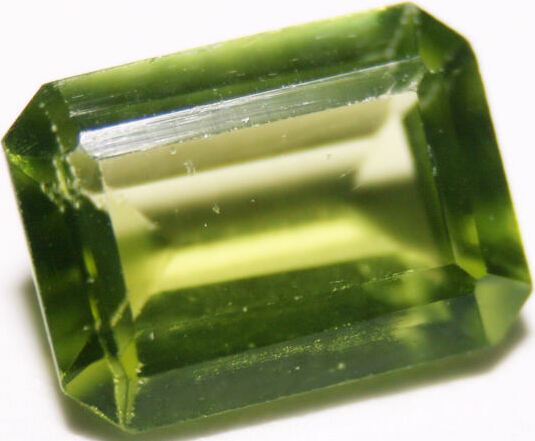
Peridot
A gemstone formed in the upper mantle, prized since antiquity.

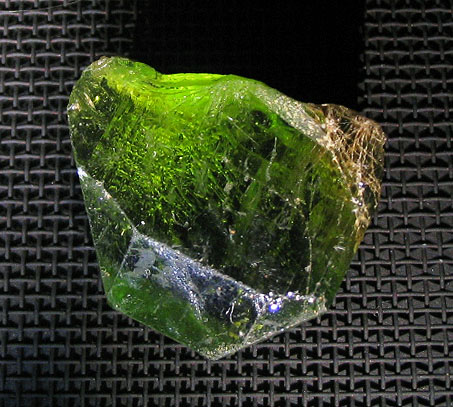
sothoma101 · CC BY-SA 3.0
Peridot (pronounced PERR-ih-dot), also known as chrysolite, is a yellow-green, transparent type of olivine. Specifically, it is the magnesium-rich variety called forsterite. It is unusual among gemstones because it comes in only one color: olive-green. However, the exact shade—from yellow to brownish-green—depends on how much iron is in its crystal structure; lower iron gives lighter colors, while pure green without a yellow or brown tint is rare.
Peridot forms in the molten rock of Earth’s upper mantle, not in the crust—a trait it shares only with diamonds. It can also be found in pallasitic meteorites. On Earth’s surface, gem-quality peridot is uncommon because it easily alters as it moves up from the mantle and weathers.
The name’s origin is uncertain. The Oxford English Dictionary suggests it comes from an alteration of Anglo-Norman *pedoretés* (Latin *pæderot-*), a kind of opal, rather than the Arabic *faridat* (“gemstone”). The Middle English Dictionary lists variations like *peridod*, *peritot*, *pelidod*, and *pilidod*. The earliest known English use may be from a 1705 register of St. Albans Abbey, recording that Bishop John bequeathed peridot gems to the Abbey upon his death in 1245.
Peridot’s crystal structure is orthorhombic, with a hexagonal close-packed arrangement of oxygen ions. Half of the octahedral sites hold magnesium or iron, and one-eighth of the tetrahedral sites hold silicon. Its chemical formula is (Mg,Fe)₂SiO₄. Oxidation does not occur at natural surface temperatures but begins slowly at 600°C, breaking down the fayalite component and reacting with forsterite to form magnetite and orthopyroxene.
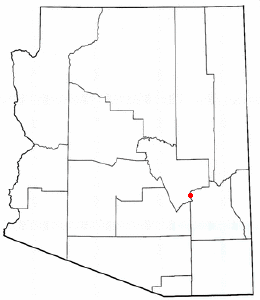
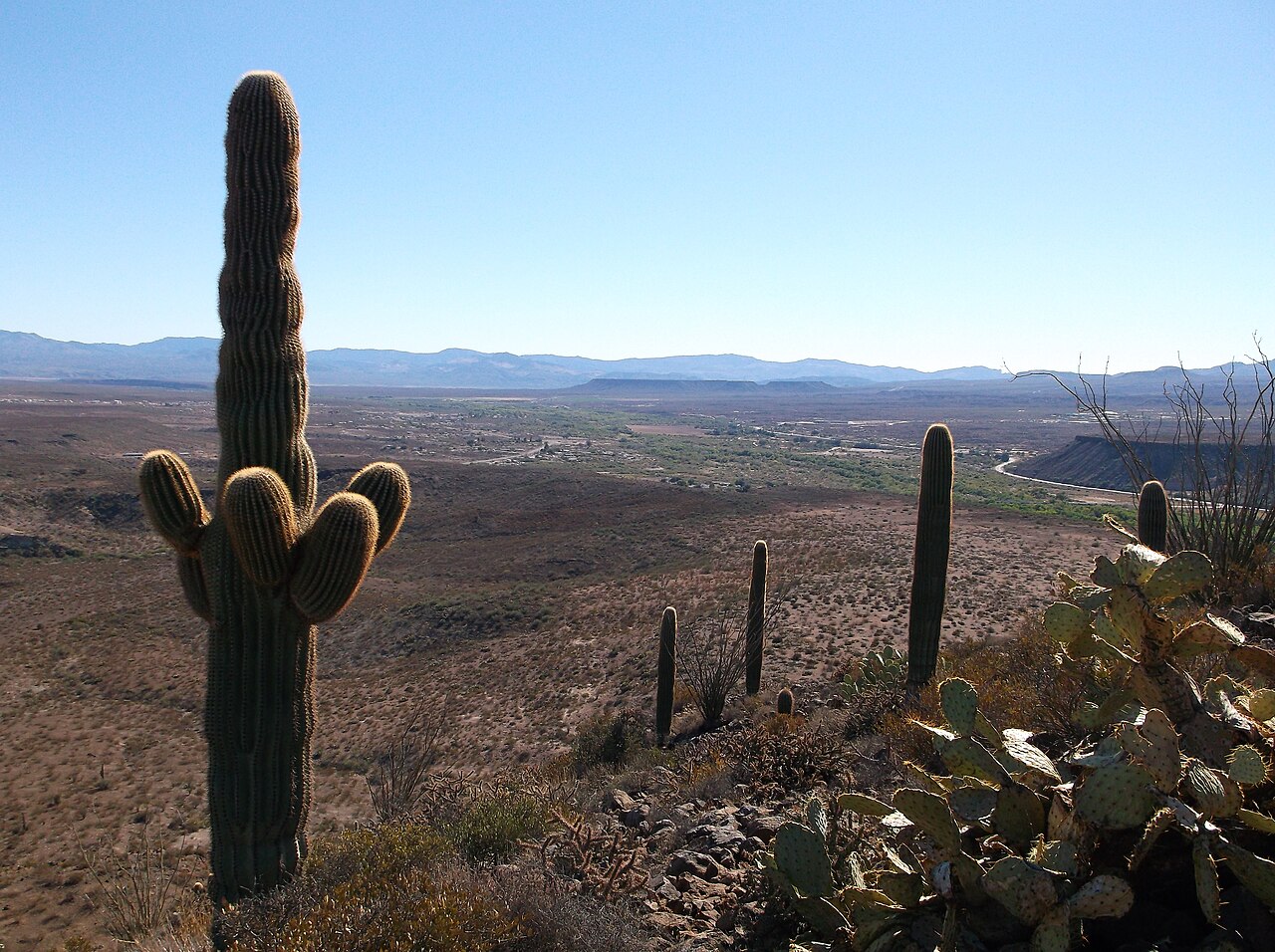
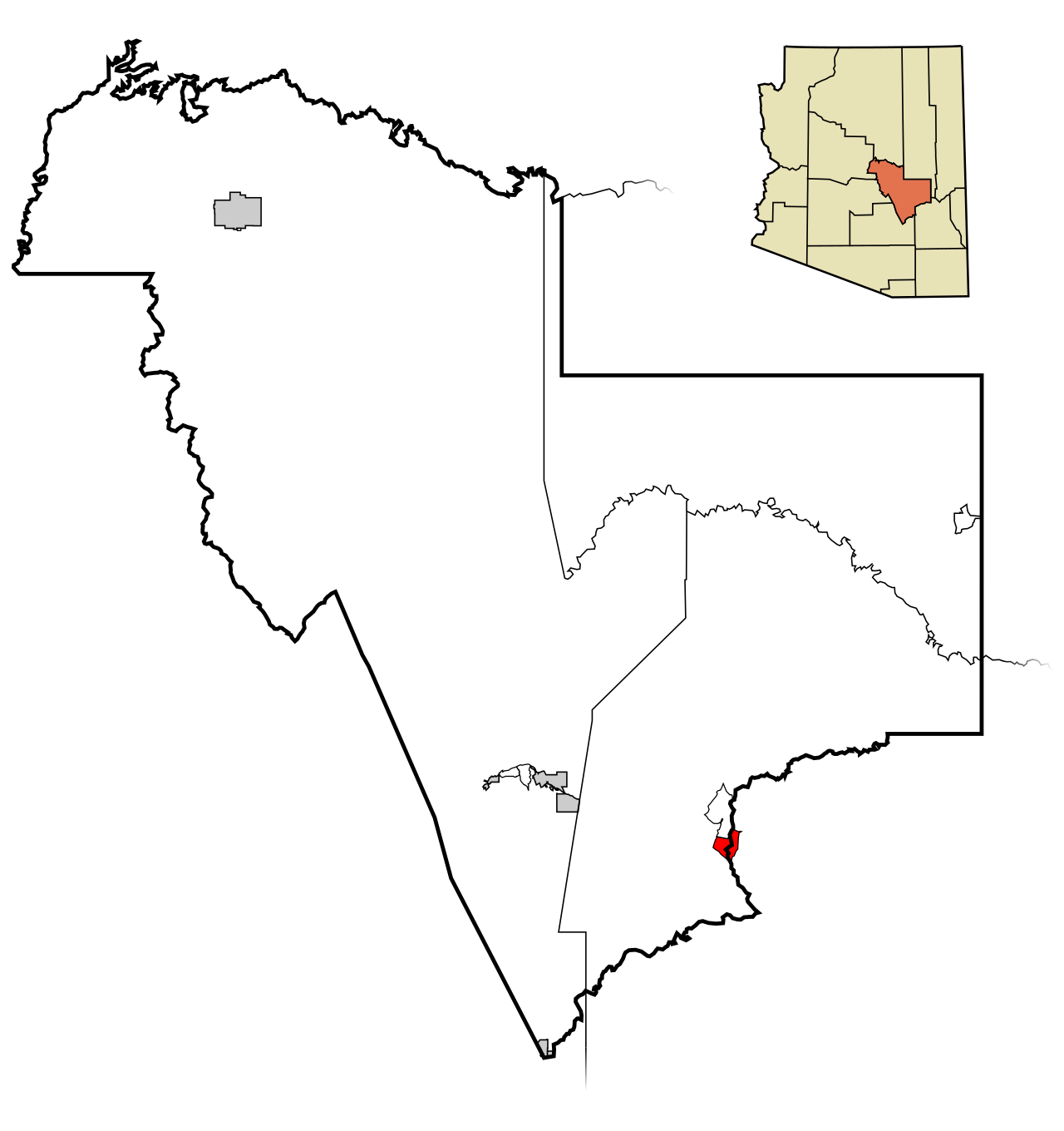
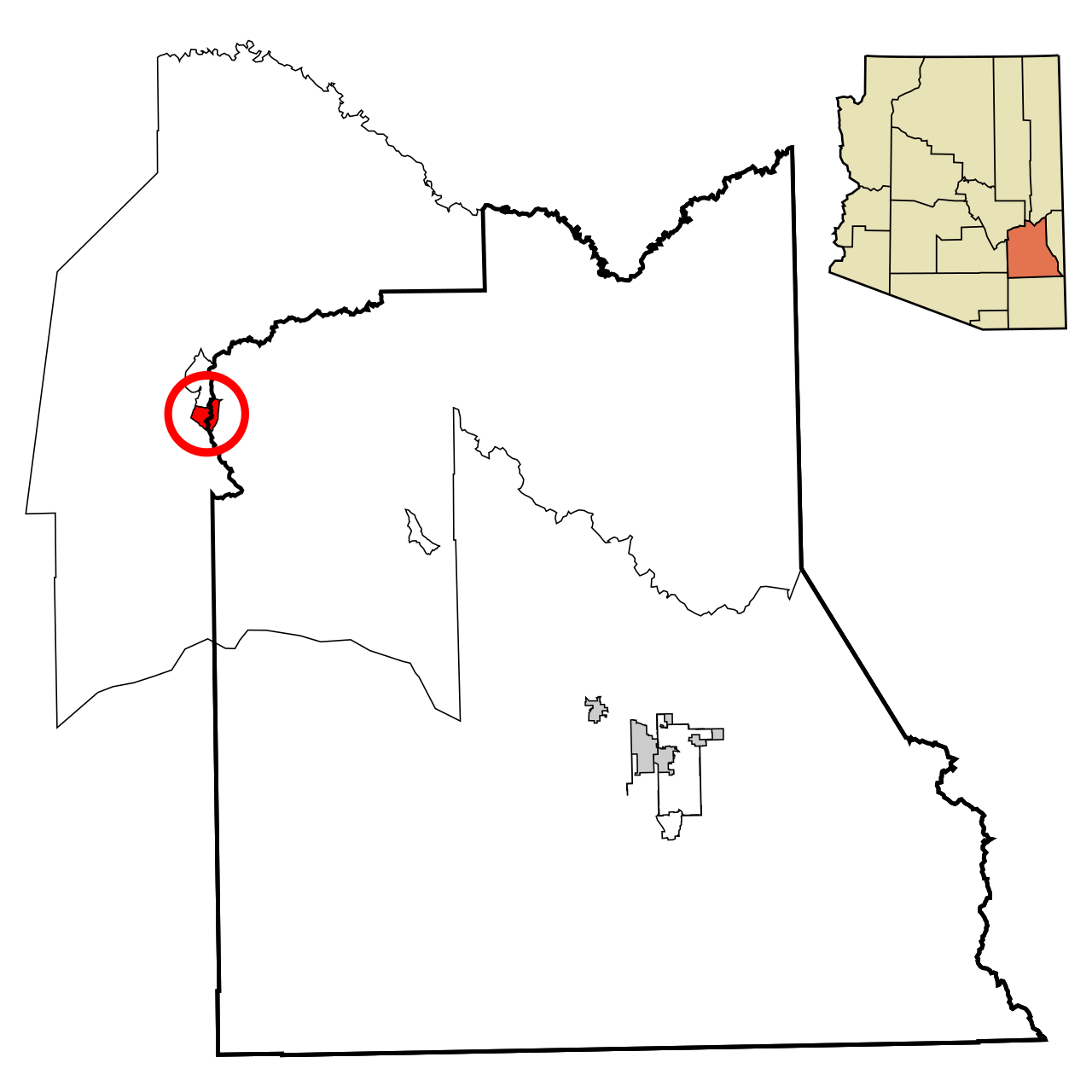
Olivine is common in mafic and ultramafic rocks, such as lava and peridotite xenoliths from the mantle, but gem-quality peridot is rare. Volcanic peridot tends to have more lithium, nickel, and zinc than meteoritic peridot. Large forsterite crystals are scarce, making peridot a precious stone. Ancient mining began around 300 BCE on St. John’s Island in the Red Sea, where it was called topazios. Today, the main source is the San Carlos Apache Indian Reservation in Arizona, USA, with additional mines in other parts of Arizona, Arkansas, Hawaii, Nevada, New Mexico, and countries including Australia, Brazil, China, Egypt, Kenya, Mexico, Myanmar, Norway, Pakistan, Saudi Arabia, South Africa, Sri Lanka, and Tanzania.
Peridot also occurs in pallasitic meteorites, such as those from Brenham, Esquel, Fukang, and Imilac. Unlike Earth peridot, pallasitic peridot lacks nickel.
As an orthorhombic mineral, peridot has biaxial birefringence with three principal refractive indices: α around 1.651, β around 1.668, and γ around 1.689, and a birefringence of 0.037–0.038. Higher iron content increases specific gravity, color darkness, and refractive indices, and shifts the β index toward γ. A study of Chinese peridot found a specific gravity of 3.36 and visible-light absorption bands between 493.0 and 481.0 nm, with the strongest at 492.0 nm. The largest cut peridot is a 310-carat specimen at the Smithsonian Museum in Washington, D.C.
Inclusions are common and vary by location. Primary negative crystals (rounded gas bubbles) form in place, often in Hawaiian peridots. Secondary negative crystals form in fractures. “Lily pad” cleavages, a type of secondary negative crystal, are frequent in San Carlos peridots. Peridot is one of the birthstones for August.
- Chemical formula
- (Mg,Fe)2SiO4
- Crystal system
- Orthorhombic
- Color
- Olive-green (yellow to brownish-green)
- Birthstone
- August
- Principal source today
- San Carlos Apache Indian Reservation, Arizona, US
Lore & Background
The origin of the name peridot is uncertain. The Oxford English Dictionary suggests an alteration of Anglo-Norman pedoretés (classical Latin pæderot-), a kind of opal, rather than the Arabic word faridat, meaning 'gemstone'. The Middle English Dictionary lists variations including peridod, peritot, pelidod, and pilidod. Peridot has been prized since the earliest civilizations for its claimed protective powers to drive away fears and nightmares, according to superstitions. It has often been mistaken for emerald, beryl, and other green gems. Noted gemologist G.F. Kunz discussed the confusion between beryl and peridot in many church treasures, most notably the 'Three Magi treasure' in the Dom of Cologne, Germany. In the ancient world, peridot (then called topazios) was mined on St.
Reader's Guide
Peridot is significant as one of the few gemstones that form in the upper mantle rather than the Earth's crust, making it geologically distinct. Its occurrence in both terrestrial volcanic rocks and pallasitic meteorites provides a unique link between Earth and extraterrestrial materials. Gem-quality peridot is rare because olivine is chemically unstable at the surface and tends to weather or alter. The gem is mined today primarily on the San Carlos Apache Indian Reservation in Arizona, with other sources in the US and worldwide. Peridot is the birthstone for August and has a long cultural history, including ancient mining on St. John's Island in the Red Sea and confusion with emerald in medieval church treasures. Its optical properties—biaxial birefringence and refractive indices that vary with iron content—are well documented. Inclusions such as 'lily pad' cleavages and chromite crystals help identify its origin.
Did You Know?
- Peridot is one of only two gems, along with diamonds, observed to form in the molten rock of the upper mantle, not in Earth's crust.
- Peridot has often been mistaken for emerald and beryl in historical church treasures, including the 'Three Magi treasure' in the Dom of Cologne.
- Pallasitic (extraterrestrial) peridot differs chemically from earthbound peridot in that it lacks nickel.
Mantle Origins and Surface Rarity
Peridot is a magnesium-rich variety of olivine, specifically the forsterite end member, with the chemical formula (Mg,Fe)2SiO4. What makes it extraordinary is its origin: alongside diamonds, peridot is one of only two gemstones known to form not in Earth's crust but deep within the molten rock of the upper mantle. It is carried to the surface through volcanic activity, embedded in lava flows or trapped in peridotite xenoliths. However, this journey from the depths is perilous for the gem. Olivine is chemically unstable at Earth's surface, and the vast majority of it weathers into small, degraded grains unsuitable for cutting. Large, well-formed forsterite crystals survive this transition only rarely, which is why gem-quality peridot is considered precious despite olivine being an abundant mineral. The susceptibility to alteration during its ascent and subsequent surface exposure means that only a fraction of mantle-borne peridot ever reaches collectors in a form worthy of the jeweler's bench.
A Single-Hue Gemstone
Peridot stands apart in the gem world as one of the very few stones that presents in only a single color family. Its hue is an olive-green, though the precise shade shifts depending on how much iron sits within the crystal lattice. Higher iron concentrations push the color toward brownish-green, while lower iron yields lighter, more yellow tones. In exceptional and rare instances, a peridot can display a medium-dark, pure green with no secondary yellow cast or brown masking at all. As iron content rises and magnesium falls, the stone darkens, its specific gravity increases, and the beta index drifts closer to the gamma index, eventually approaching the iron-rich fayalite end of the olivine solid-solution series.
From Ancient Mines to Modern Sources
John's Island in the Red Sea. That ancient trade route gave way over millennia to a far more distributed global supply. Today, the principal source of gem-quality peridot olivine is the San Carlos Apache Indian Reservation in Arizona, United States, though additional deposits are worked in other parts of Arizona, as well as in Arkansas, Hawaii, Nevada, and New Mexico's Kilbourne Hole. Beyond North America, peridot is harvested in Australia, Brazil, China, Egypt, Kenya, Mexico, Myanmar, Norway, Pakistan, Saudi Arabia, South Africa, Sri Lanka, and Tanzania. The stone also appears in pallasitic meteorites, with the Indonesian Jeppara meteorite being the most commonly studied source. Peridot formed through volcanic activity tends to carry higher concentrations of lithium, nickel, and zinc compared to its extraterrestrial counterpart, which notably lacks nickel, a chemical distinction that offers a reliable way to tell an earth-bound peridot from one that fell from space.
Inclusions and the Smithsonian's Crown Jewel
No two peridot crystals are identical in their internal architecture, and the inclusions they carry serve as geological signatures of their origin. In Hawaiian peridots, rounded gas bubbles, called primary negative crystals, form in situ alongside the growing stone. Secondary negative crystals appear within fractures, and in San Carlos peridots from Arizona, these manifest as distinctive lily-pad cleavages: circular discs visible under reflected light that surround a negative crystal. Pakistani peridots commonly display silky, rod-like inclusions, while the most frequent mineral inclusion across all sources is the chromium-rich chromite. Magnesium-rich inclusions such as pyrope and magnesiochromite also appear, typically ringed by those same lily-pad cleavages. Biotite flakes present as flat, brown, translucent plates within the crystal.
Common Misconceptions (Editorial)
Some people believe peridot is only found in Earth’s crust, but according to the facts, it forms in the molten rock of the upper mantle and is also found in pallasitic meteorites. Another common misconception is that its name comes from the Arabic word *faridat*, but the Oxford English Dictionary suggests it actually derives from an alteration of Anglo-Norman *pedoretés*. Additionally, peridot is sometimes assumed to be a color-variable gem, but it is one of the few gemstones that occurs in only one color—olive-green—though the tint can vary with iron content.
Why It Matters (Editorial)
Peridot endures because it connects us both to the deep interior of our planet and to the cosmos, forming in Earth’s upper mantle and arriving on meteorites. Its long history of being mistaken for emerald in ancient treasures and its persistent role as the August birthstone reflect how our desire for beauty and meaning can outlast even the most stubborn geological rarity.
Gallery
More in Gemstones 1-22
Spotted an error? Know more?
This is a living reference — every entry is fact-audited, and reader corrections feed straight into our audit queue. Suggest an edit · See this site's audit record