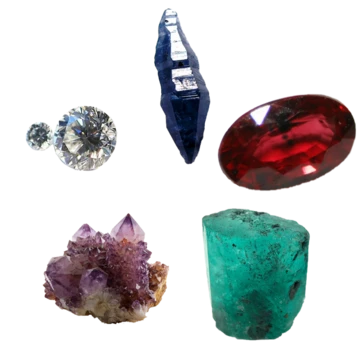
Diamond
A metastable carbon allotrope with extreme hardness and thermal conductivity.

Blackout Sea · Public domain
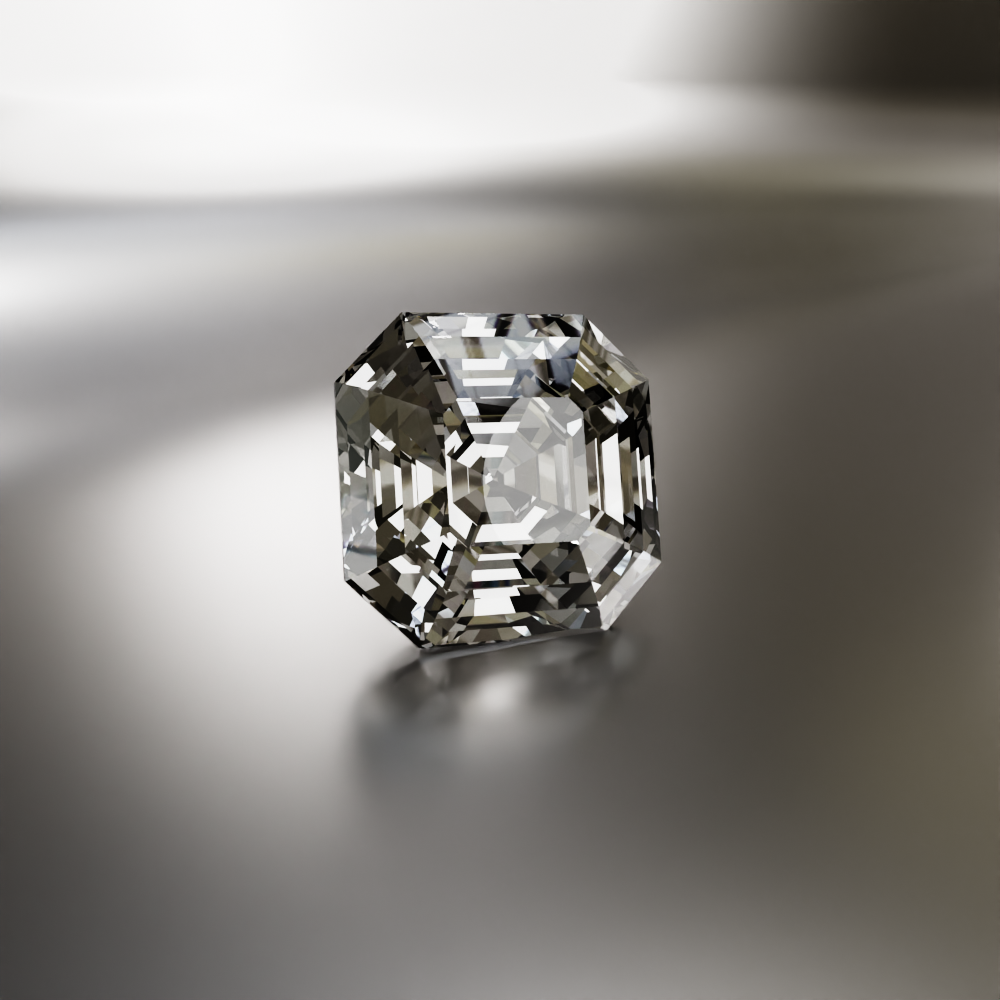
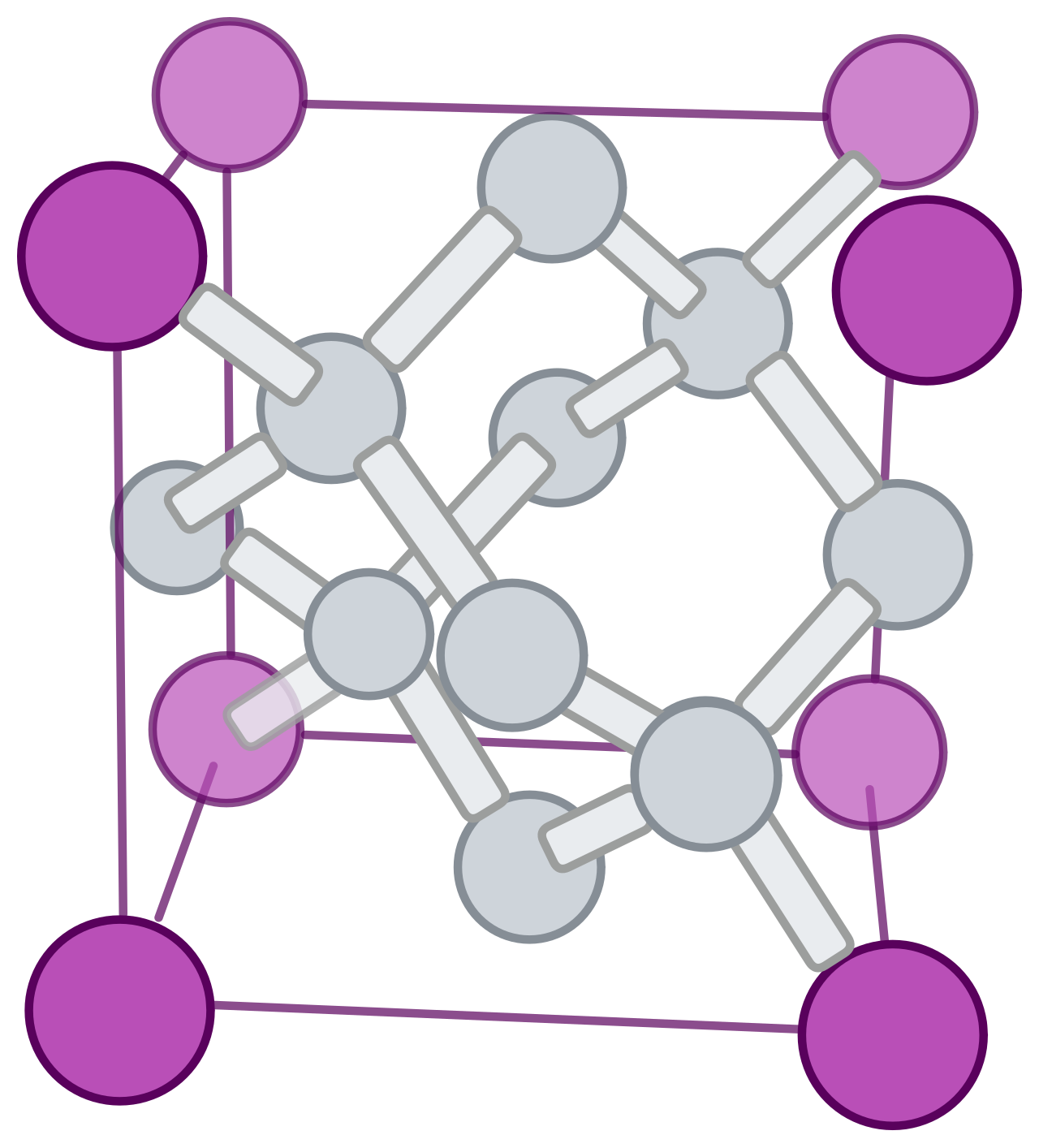
Diamond is a solid form of carbon whose atoms lock into a structure known as diamond cubic. It has no taste or smell, is strong yet brittle, does not conduct electricity well, is colorless when pure, and will not dissolve in water. Its hardness and ability to conduct heat are unmatched by any other natural material, which makes it useful for industrial jobs like cutting and polishing.
The word "diamond" comes from an Ancient Greek term meaning "unbreakable" or "untamed." People first found and mined diamonds in India, along rivers like the Penner, Krishna, and Godavari, where they have been known for at least 3,000 years—likely 6,000. Diamonds were used as religious icons in ancient India and later as gemstones, and they have also been used in engraving tools since early human history. Their popularity as gems grew in the 19th century thanks to more supply, better cutting and polishing, a stronger world economy, and clever advertising. In 1772, Antoine Lavoisier burned a diamond in oxygen and showed the only product was carbon dioxide, proving diamond is made of carbon. In 1797, Smithson Tennant confirmed this by burning both diamond and graphite and finding they released the same amount of gas.
Diamond and graphite are both pure carbon but have different atomic arrangements. Graphite’s atoms form flat layers that can slide apart, making it soft. Diamond’s atoms form rigid tetrahedra, each bonded to four neighbors, giving it the highest density of atoms per unit volume of any known substance. This makes diamond the hardest and least compressible material. Its density ranges from 3,150 to 3,530 kg/m³ in natural diamonds (3,520 kg/m³ in pure diamond). Diamond also has the highest thermal conductivity and sound velocity, low adhesion and friction, a very low thermal expansion rate, and optical transparency from far infrared to deep ultraviolet. It has high optical dispersion, high electrical resistance, is chemically inert against most corrosives, and is biologically compatible.
At room temperature and pressure, graphite is the stable form of carbon, but diamond is metastable—it converts to graphite so slowly that the process takes millions to billions of years. Above about 4,500 K, diamond turns to graphite quickly. The pressure needed to change graphite into diamond rises with temperature, from 1.7 GPa at absolute zero to 12 GPa at 5,000 K. If water is present, diamond can pass through an intermediate linear carbon phase during conversion.
Most natural diamonds are between 1 billion and 3.5 billion years old. They formed 150 to 250 km deep in Earth’s mantle, with a few coming from as deep as 800 km. High pressure and temperature caused carbon-rich fluids to dissolve minerals and replace them with diamond. Much later—hundreds to tens of millions of years ago—volcanic eruptions carried these diamonds to the surface, depositing them in rocks called kimberlites and lamproites.
Because diamond’s atomic structure is so rigid, only a few impurities—like boron or nitrogen—can get in. Just one impurity per million atoms can color a diamond: boron makes it blue, nitrogen yellow, defects brown, radiation green, and other defects can produce purple, pink, orange, or red. Diamond also has a very high refractive index and relatively high optical dispersion.
Synthetic diamonds are made from high-purity carbon under high pressure and temperature, or from hydrocarbon gases using chemical vapor deposition. Natural and synthetic diamonds are usually told apart by optical tests or by measuring how well they conduct heat.
- composition
- Carbon
- crystal_structure
- Diamond cubic
- hardness
- Highest of any natural material
- thermal_conductivity
- Highest of any natural material
- refractive_index
- Very high
- optical_dispersion
- Relatively high
Lore & Background
The name diamond derives from Ancient Greek ἀδάμας (adámas), meaning 'proper, unalterable, unbreakable'. Diamonds are thought to have been first recognized and mined in India, where significant alluvial deposits were found along the Penner, Krishna, and Godavari rivers. They have been known in India for at least 3,000 years, but most likely 6,000 years. Diamonds have been treasured as gemstones since their use as religious icons in ancient India, and their usage in engraving tools also dates to early human history.
Diamond is a mineral form of pure carbon whose atoms are arranged in a crystal structure known as diamond cubic. It is tasteless, odorless, strong yet brittle, a poor conductor of electricity, colorless when pure, and insoluble in water. Its defining characteristics include the highest hardness and thermal conductivity of any natural material, making it essential for industrial cutting and polishing tools. Diamond also possesses a very high refractive index and relatively high optical dispersion. The rigid atomic arrangement allows few impurities; boron produces a blue color, nitrogen yellow, defects cause brown, radiation exposure green, and other defects can yield purple, pink, orange, or red. Most natural diamonds formed between 1 and 3.5 billion years ago, at depths of 150 to 250 kilometers in the Earth’s mantle, with some originating as deep as 800 kilometers. They were transported to the surface in volcanic eruptions and deposited in kimberlites and lamproites. Synthetic diamonds are produced from high-purity carbon under high pressure and temperature, or from hydrocarbon gases via chemical vapor deposition. Natural and synthetic diamonds are typically distinguished by optical techniques or thermal conductivity measurements.
Reader's Guide
Diamond's significance stems from its unique combination of physical properties. As the hardest known natural material, it is essential for cutting, grinding, and polishing tools in industry. Its extremely high thermal conductivity makes it useful for heat sinks and other thermal management applications. Diamond is also optically transparent from the far infrared to the deep ultraviolet, with high dispersion, making it prized as a gemstone. Synthetic diamonds can be produced from high-purity carbon under high pressure and temperature or by chemical vapor deposition. The popularity of diamonds as gemstones has risen since the 19th century due to increased supply, improved cutting and polishing, economic growth, and advertising campaigns. Diamond is metastable at room temperature and pressure, converting to graphite at a negligible rate over millions to billions of years.
Did You Know?
- Diamond has the highest hardness and thermal conductivity of any natural material.
- Small numbers of defects or impurities—about one per million lattice atoms—can color a diamond blue (boron), yellow (nitrogen), brown (defects), or green (radiation exposure).
Ancient Origins & the Global Spread of Diamond
Long before the modern gem trade took shape, diamonds were already working their way through human civilization. For centuries, India stood alone as the world's sole source. Sanskrit texts such as the Arthashastra reference diamond commerce, while Buddhist writings from the 4th century BC treat the gem as a well-known treasure. A 3rd-century Indian treatise catalogued its prized qualities—strength, brilliance, and the ability to scratch metals.
The Kimberley Rush & the De Beers Monopoly
Two years later, an 83.50-carat gem surfaced on the slopes of Colesberg Kopje, on the farm Vooruitzigt belonging to the De Beers brothers. As the surface was stripped away, the hillock became a mine—the world-renowned Kimberley Mine.
The Four Cs & Industrial Utility
A diamond's value as both a jewel and an industrial workhorse rests on two physical traits: extreme hardness and a high dispersion of light that produces the prismatic flashes known as fire. Because the stone is so highly traded, multiple organizations have been established to grade and certify it using the Four Cs—color, cut, clarity, and carat. Beyond those core metrics, the presence or absence of fluorescence can shift a diamond's desirability and market price. The industrial side of the equation is no less significant; the same hardness that makes a diamond scratch-resistant also makes it indispensable for cutting, grinding, and drilling applications. Of that output, 92 percent is cut and polished in India, concentrated in the city of Surat. Antwerp, Belgium, serves as the world's diamond hub, handling 85 percent of rough diamonds, 50 percent of cut stones, and 40 percent of industrial diamonds in trade.
Cultural Symbolism & the Blood Diamond Shadow
Diamonds have served as decorative objects since antiquity, but their association with romantic commitment is a more recent phenomenon. The practice of setting a diamond in an engagement ring is documented among European aristocracy as early as the 15th century, though rubies and sapphires were the more coveted choices at the time. The diamond's modern dominance in betrothal culture was largely manufactured by the De Beers Mining Company, which, through a sweeping advertising campaign launched in the late 1940s and sustained through the mid-20th century, wove the stone into the very fabric of courtship and turned it into a coveted status symbol. Yet the gem's enormous value has cast a darker shadow. In parts of Africa, dictators and revolutionary groups have exploited slave and child labor to mine so-called blood diamonds, funneling the proceeds into armed conflict.
Common Misconceptions (Editorial)
Some people mistakenly believe that diamonds are conductive or easily damaged by heat, but the facts on record show diamond is a poor conductor of electricity and has the highest thermal conductivity of any natural material.
Why It Matters (Editorial)
Diamond matters not only for its beauty as a gemstone, but because its extreme hardness and unmatched thermal conductivity make it indispensable for industrial tools that cut, polish, and cool. Its durability and ancient history also remind us of humanity's long relationship with the Earth's rarest materials.
Gallery




More in Gemstones 1-22
Spotted an error? Know more?
This is a living reference — every entry is fact-audited, and reader corrections feed straight into our audit queue. Suggest an edit · See this site's audit record