Gargoyle (comics)
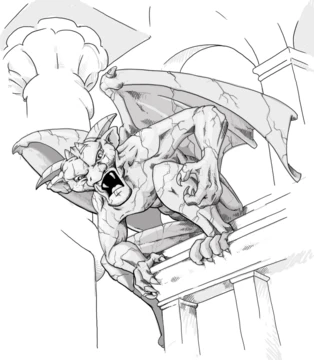
Two Marvel characters share the name Gargoyle.

Bernard Gagnon · CC BY-SA 4.0
Two different Marvel Comics characters share the name Gargoyle. The first, Yuri Topolov, debuted as a supervillain and the Hulk's very first enemy in *The Incredible Hulk* #1 (May 1962), created by Stan Lee and Jack Kirby. The second, Isaac Christians, is a human-demon hybrid superhero and a member of the Defenders, created by J. M. DeMatteis and Don Perlin, first appearing in *The Defenders* #94 (April 1981).
**Publication history** Yuri Topolov first appeared in *The Incredible Hulk* #1 (May 1962), the work of Stan Lee and Jack Kirby. His appearance in *Rampaging Hulk* #1 is just part of a fictional techno-art film by Bereet. His real name was given in *The Incredible Hulk* #1 or early issues. Isaac Christians was created by writer J. M. DeMatteis and artist Don Perlin. Perlin based his design on a sequence in *Prince Valiant* where the hero disguises himself as a gargoyle. During DeMatteis's long run on *The Defenders*, Gargoyle also co-starred in *Marvel Team-Up* #119, a story DeMatteis later called "one of my favorite favorite stories." In 1985, Marvel published a four-issue *Gargoyle* limited series written by DeMatteis and drawn by Mark Badger. DeMatteis described it as "a psychological fantasy" that makes "the interior life... concrete." He explained his desire to do the series: "I'd always wanted to do that character the right way. We'd had him in Defenders for years... We came to like Isaac Christians, this little old man inside the Gargoyle's body, so much that it began to mellow out the way we portrayed the outer shell... before you know it, he's this cute little funny animal. Which he was never intended to be." In a 2013 interview, DeMatteis said he still has "tremendous fondness" for the character.
**Fictional character biography** *Yuri Topolov*: A Soviet scientist, Topolov became the Hulk's first foe after an atomic accident with radiation mutated him into a large-headed dwarf. An imprisoned spy using a miniature transmitter informed him about the Hulk. Topolov captured both the Hulk and Rick Jones by firing a gun loaded with will-weakening pellets. Bruce Banner cured Topolov's mutation with gamma rays, and in gratitude, Topolov let Banner and Jones use his rocket to return to the United States. He then set off an explosion that killed himself and several Soviet generals.
Quick Facts
- Character Name
- Gargoyle
- Real Name
- Yuri Topolov / Isaac Christians
- Species
- (Topolov) · Human (currently) · Human mutate (formerly) · (Christians) · Human/Demon Hybrid
- Publisher
- Marvel Comics
- Debut
- (Topolov) · The Incredible Hulk #1 (May 1962) · (Christians) · The Defenders #94 (April 1981)
- Creators
- (Topolov) · Stan Lee, Jack Kirby · (Christians) · J. M. DeMatteis, Don Perlin
- Alliances
- (Topolov) · KGB · (Christians) · Defenders · Heroes for Hire · The Six-Fingered Hand
- Powers
- (Topolov) / High intelligence / (Christians) / Superhuman strength and durability / Regeneration / Manipulation of biomystical energies / Flight / Limited spell immunity
Facts from the source article.
Lore & Background
Yuri Topolov is a Soviet scientist and the Hulk's first foe. An atomic accident caused from working with radiation mutated him into a large-headed dwarf. The Gargoyle was informed about the Hulk by an imprisoned spy using a miniature transmitter. By firing a gun with will-weakening pellets, he succeeded in capturing both him and Rick Jones. Bruce Banner cures Topolov of his mutation via gamma rays. In gratitude, Topolov allows Banner and Rick to use his rocket to return to the United States. Afterward, Topolov sets off an explosion that kills himself and several Soviet generals. Topolov later turns up alive, having faked his death. He is frozen by the USSR in a cryogenic sleep. Note: In the 1996 'The Incredible Hulk' animated series, Mark Hamill voiced a different Gargoyle character, not Yuri Topolov.
Reader's Guide
The two Gargoyles represent contrasting uses of the same name in Marvel Comics. Yuri Topolov, the first Gargoyle, is notable as the Hulk's first enemy, a Soviet scientist mutated by radiation who ultimately sacrifices himself after being cured. His later resurrection and cryogenic storage reflect Cold War themes. Isaac Christians, the second Gargoyle, is a more complex character: an elderly man who becomes a human/demon hybrid superhero after selling his soul. Created by J. M. DeMatteis and Don Perlin, he was a member of the Defenders and starred in a 1985 four-issue limited series. DeMatteis described the series as 'a psychological fantasy' and noted his fondness for the character. Perlin's design was inspired by a sequence in Prince Valiant. Christians' powers include supernatural strength, biomystical energy manipulation, flight, and limb regrowth. His story involves themes of redemption, demonic pacts, and identity, as he eventually gains the ability to switch between his gargoyle and human forms. Both characters have appeared in other media, including television and video games.
Did You Know?
- Yuri Topolov is the Hulk's first enemy, appearing in The Incredible Hulk #1 (May 1962).
- The second Gargoyle co-starred in Marvel Team-Up #119, written by his co-creator J. M. DeMatteis.
- Yuri Topolov was voiced by Mark Hamill in The Incredible Hulk animated series.
Etymology and Architectural Roots
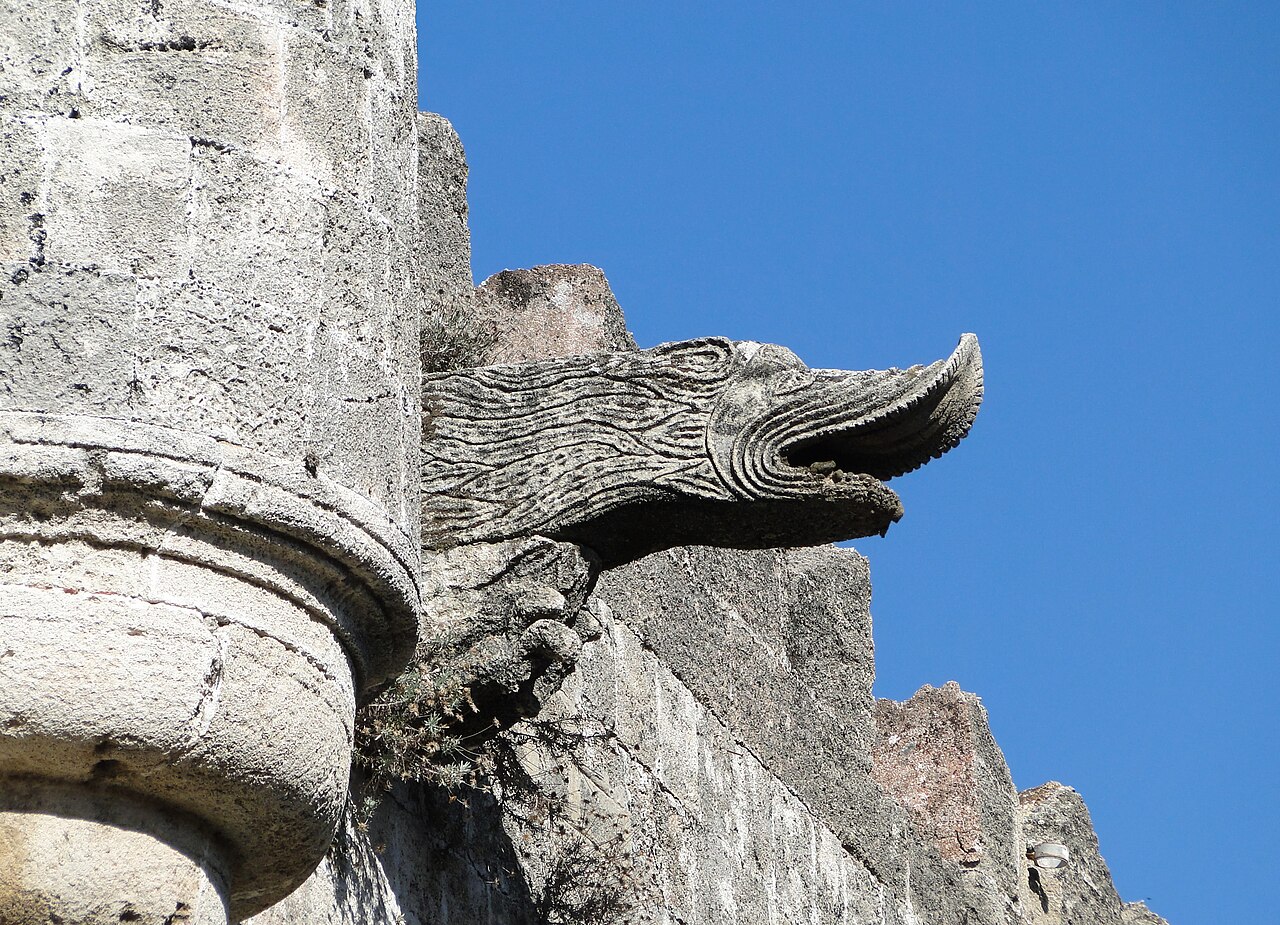
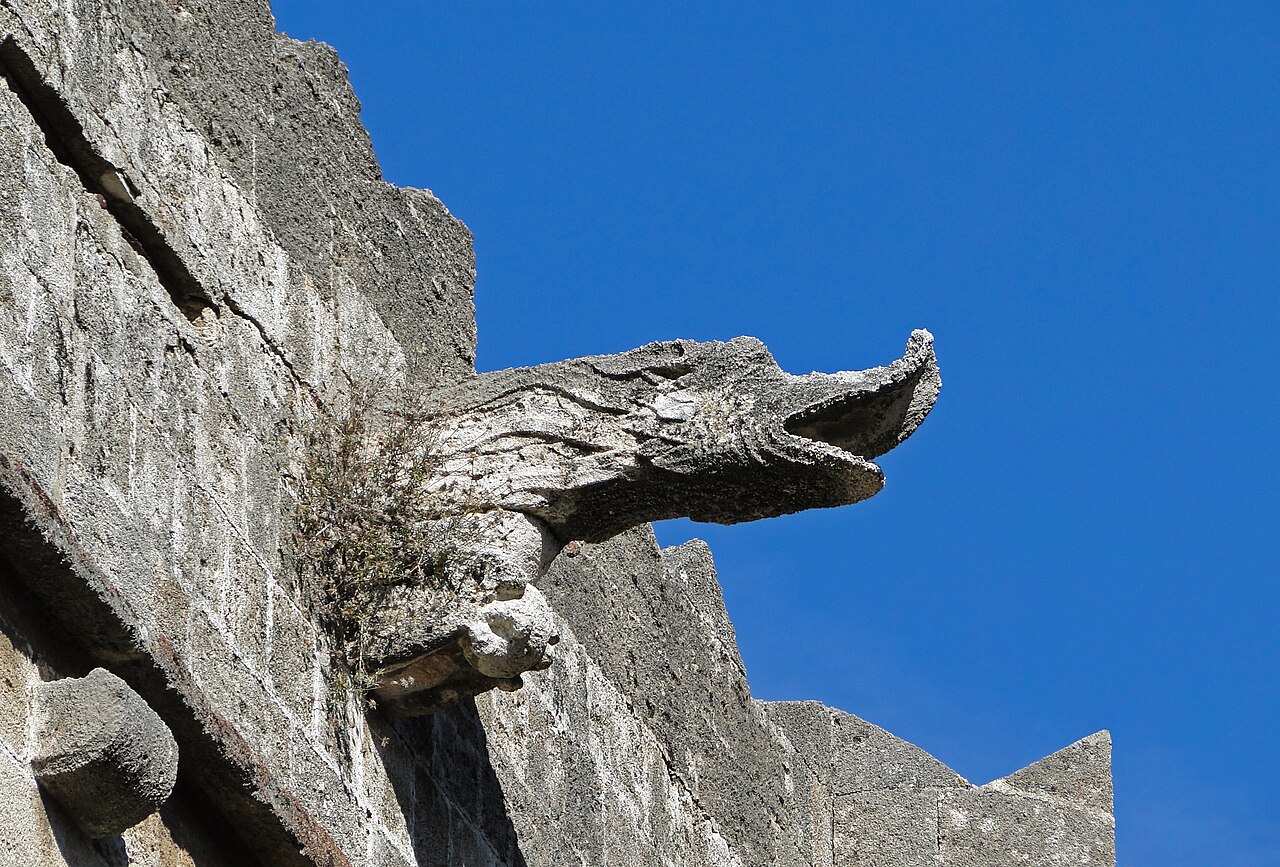
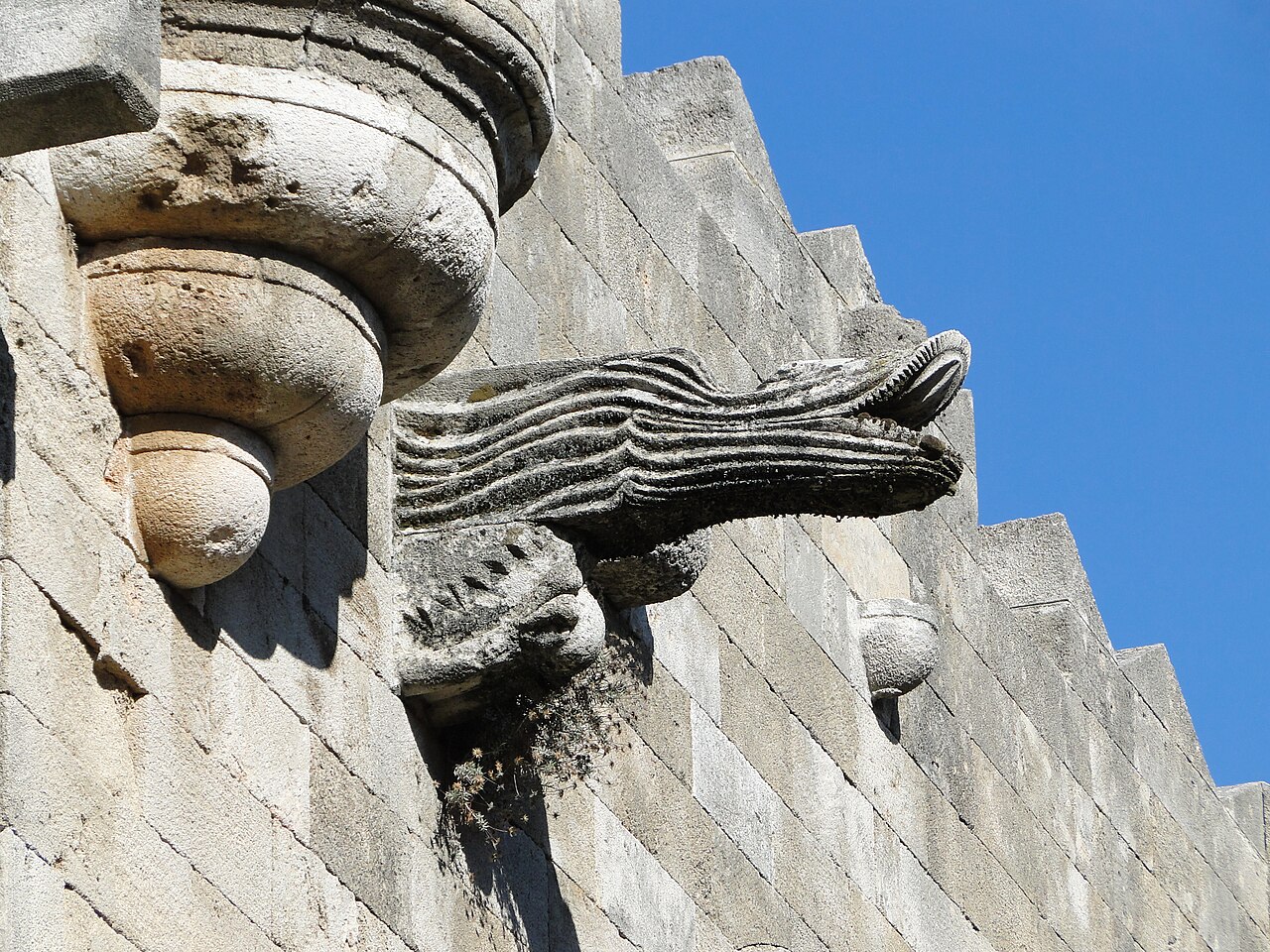
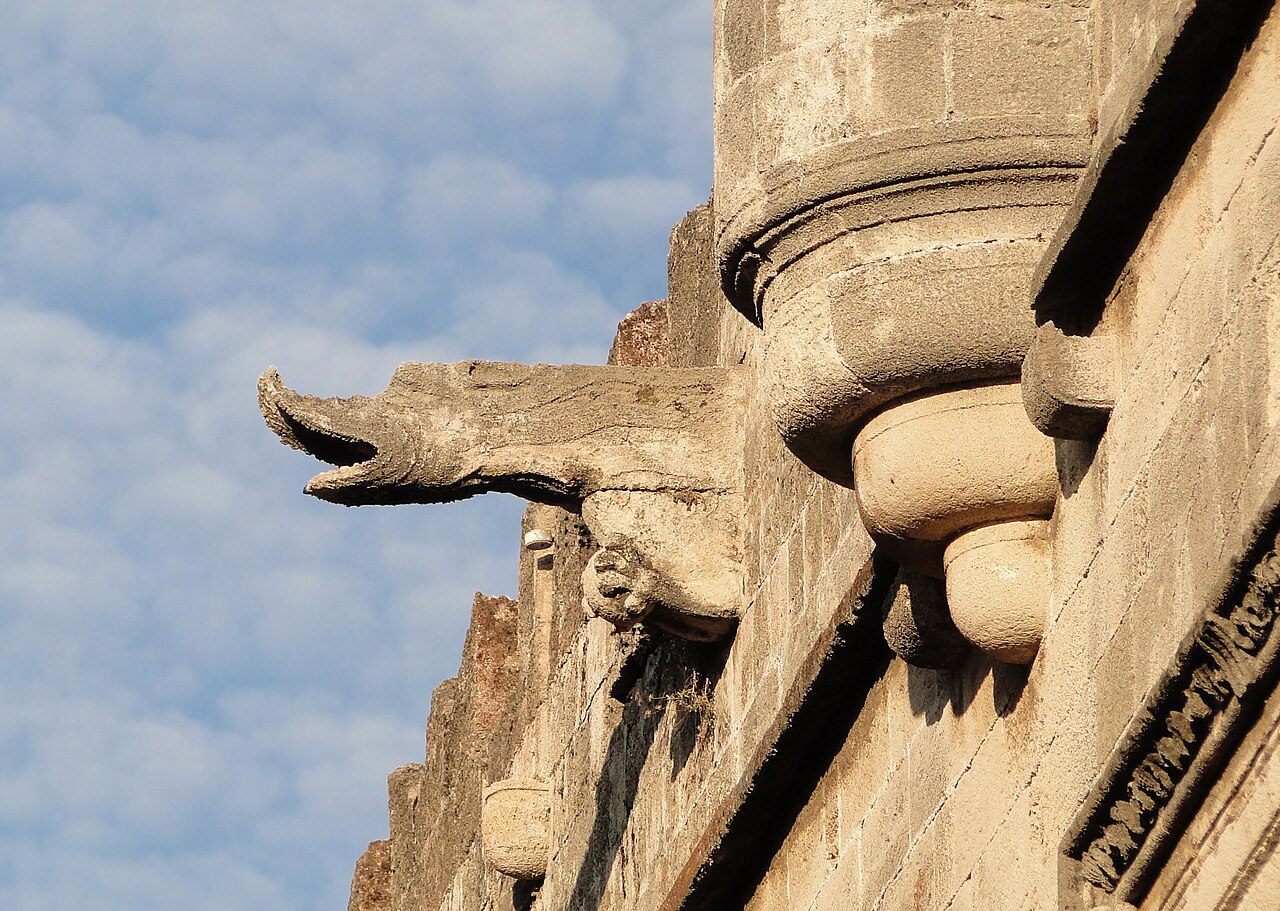
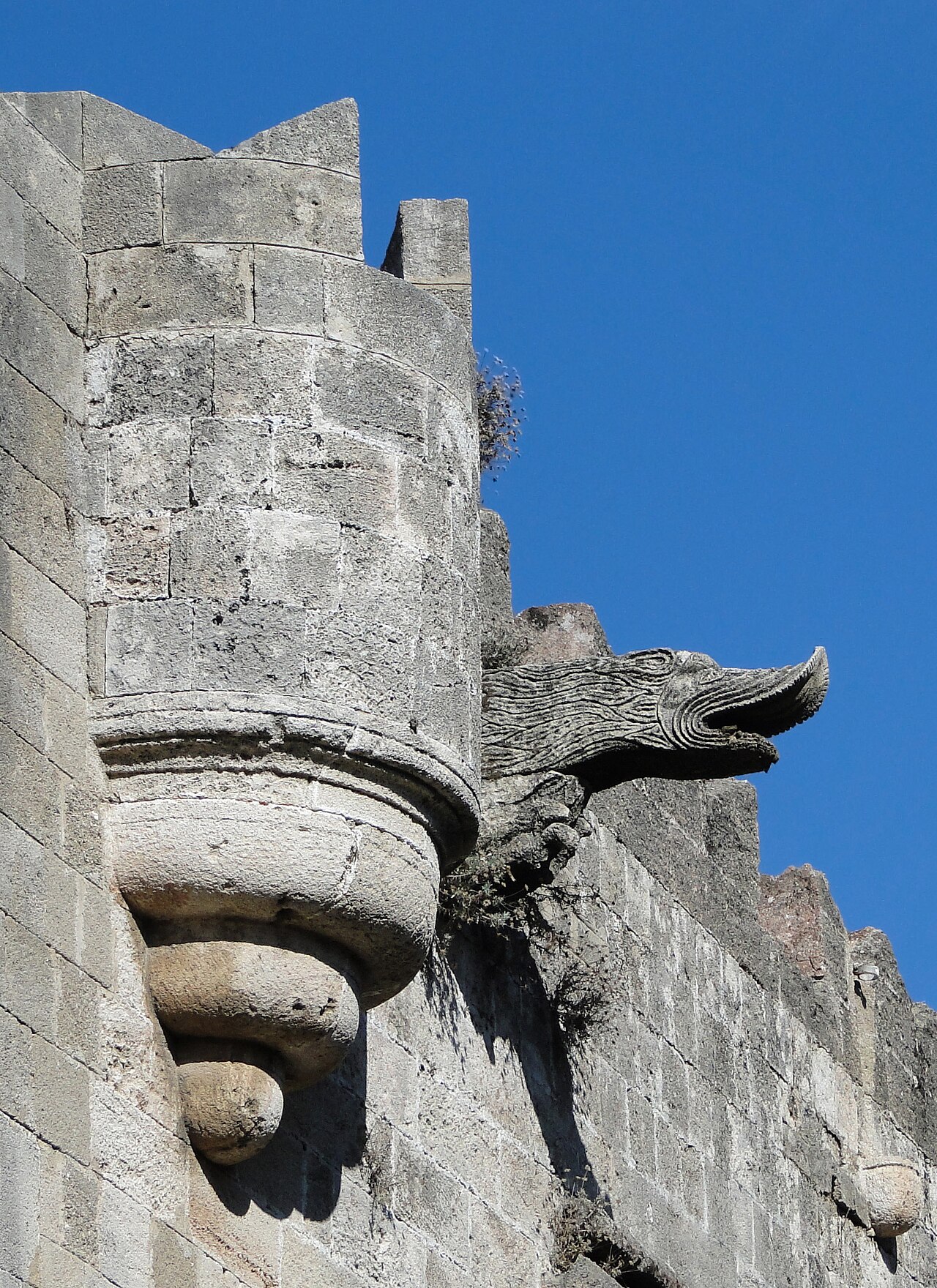
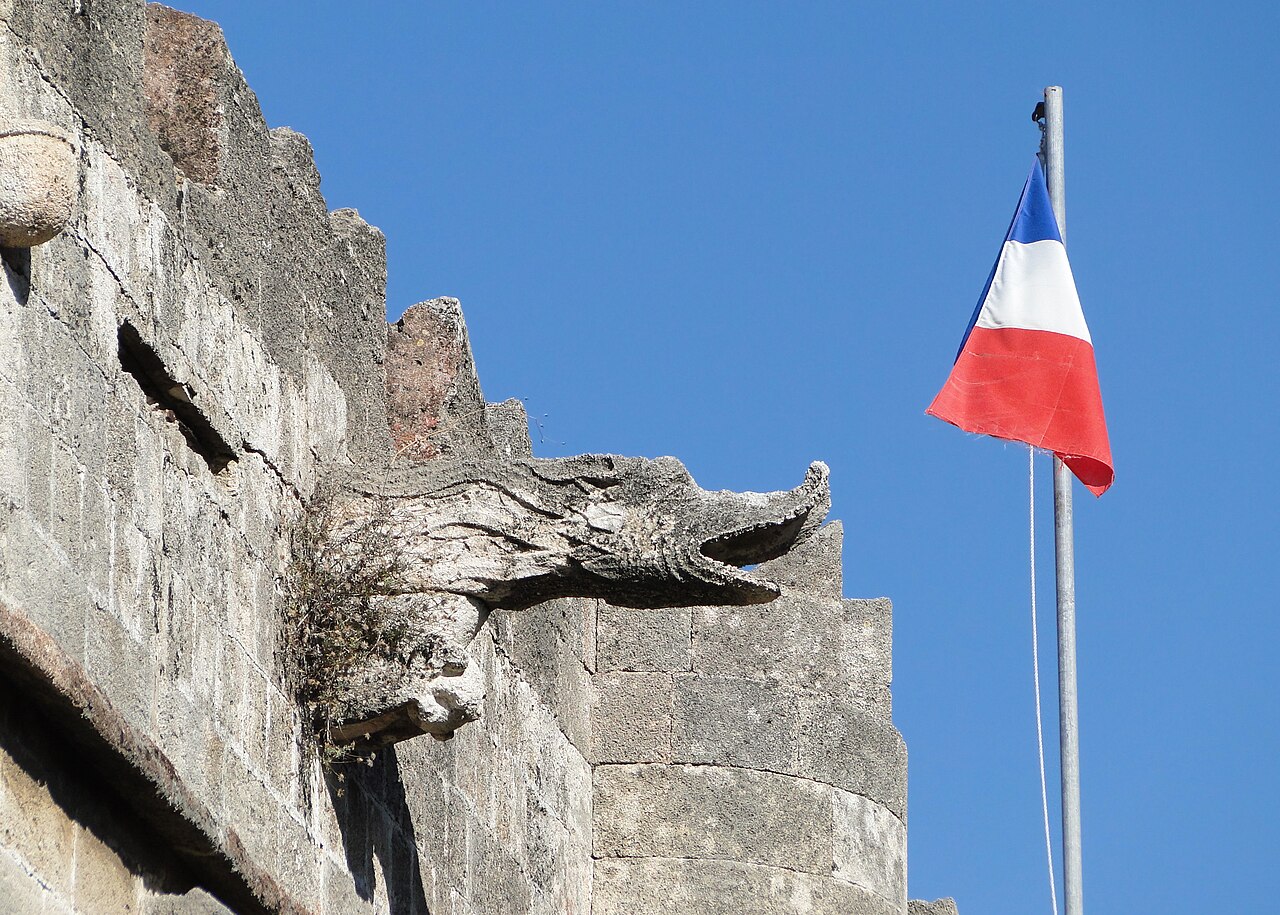
The word gargoyle traces back to Old French gargouille, meaning throat, an onomatopoeic root that evokes the gurgling of water flowing through a spout. In actual architecture, a gargoyle serves a practical purpose: it is a functional waterspout engineered to channel rainwater away from a building's walls. This is distinct from a grotesque, which is a decorative sculptural figure that lacks a spout. Despite this clear technical distinction, popular culture has long blurred the two, lumping all monstrous cathedral carvings under the single label gargoyle. The most iconic examples that shaped the modern fantasy image of the creature are not medieval originals but rather the bestial grotesque statues added during the nineteenth-century reconstruction of Notre-Dame in Paris. These dramatic, animal-headed figures became the visual template from which nearly every fictional gargoyle in literature, comics, and film has since drawn its appearance.
The Animated Stone Tradition
The idea of a stone statue breaking free and acting with malice has deep literary roots, stretching back to the classical myth of Pygmalion and the golem traditions of folklore, where inert sculpture is granted life. In the specific context of gargoyles as supernatural evil constructs, the landmark text is Clark Ashton Smith's 1932 pulp short story Maker of Gargoyles. In that tale, a medieval stonemason named Reynard unknowingly channels his own hatred and lust into two carved gargoyles. The creatures then turn on the town of Vyones, and ultimately kill Reynard himself when he tries to destroy them. This story established a template that would echo through decades of horror fiction: the gargoyle as a cursed creation, a vessel for dark human emotion given physical form in stone. The creature is not merely a monster but a reflection of its maker's inner corruption, animated by magical or supernatural forces into a threat that outlives and ultimately consumes its creator.
Demonic Vessels and the Marvel Comics Gargoyle
A parallel thread in gargoyle mythology treats the creature not as a magically animated sculpture but as a container for a non-human or displaced soul. Lewis Spence's 1932 story The Horn of Vapula introduced the concept of a gargoyle as a demonic vessel, binding a demon familiar into a horned, goatlike stone form. This vessel framework proved especially fertile in comics, where it enabled the depiction of a gargoyle as a formerly human being trapped in a bestial, chimeric body. The Marvel Comics hero Gargoyle exemplifies this tradition: a character whose soul was bound into a gargoyle form, carrying animal and chimera traits, yet who retains the capacity to transform back into a human. This narrative device allows the character to occupy a liminal space between the monstrous and the heroic, echoing older folk beliefs that such stone guardians could house spirits of various kinds. The gargoyle body becomes less a permanent identity and more a prison or transformation, preserving the possibility of redemption and return.
From Horror Villains to Heroic Guardians
For most of the twentieth century, the gargoyle in fiction was almost exclusively a creature of dread: an evil construct, a demonic host, or a horror villain lurking in the shadows of a cathedral or castle. The creature's role as a guardian of a sacred or fortified place was typically twisted into something predatory. That perception shifted dramatically in the 1990s, when the animated series Gargoyles (1994–1997) reimagined the creature as a naturally protective species whose very nature compels it to defend humanity. This heroic framing drew directly on the older folk belief, preserved in the legend of La Gargouille, that such stone figures existed to ward evil spirits away from the buildings they adorned. The show's success normalized the idea of gargoyles as sympathetic, even noble characters capable of working alongside humans. In the decades since, the gargoyle has become a far more flexible figure in comics and fantasy, no longer locked into a single role of menace but free to serve as protector, ally, or complex moral agent.
Gallery
Frequently Asked Questions
Who is Gargoyle (comics)?
In Marvel Comics, the name Gargoyle belongs to two separate characters: Yuri Topolov, a supervillain, and Isaac Christians, a human-demon hybrid who fights on the side of good.
What are Gargoyle (comics)'s powers or role?
Yuri Topolov operates as a classic adversary to the Hulk, while Isaac Christians is a half-demon superhero with enhanced physical abilities who serves as a member of the Defenders team.
When did Gargoyle (comics) first appear?
Yuri Topolov debuted in The Incredible Hulk #1, published in May 1962, and Isaac Christians made his first appearance in The Defenders #94, released in April 1981.
Why is Gargoyle (comics) important to Marvel history?
Yuri Topolov is historically significant because he was the very first villain to face the Hulk, marking the opening confrontation in one of Marvel's most iconic superhero titles.
Who created Gargoyle (comics)?
Stan Lee and Jack Kirby created Yuri Topolov for the original Hulk series, while J. M. DeMatteis and Don Perlin developed Isaac Christians for the Defenders title.
More in Gargoyles in popular culture 1-24
Spotted an error? Know more?
Reader corrections go straight into our review queue. Suggest an edit · How this site is sourced