Castlevania: Lords of Shadow – Mirror of Fate
A side-scrolling sequel exploring Dracula's return.

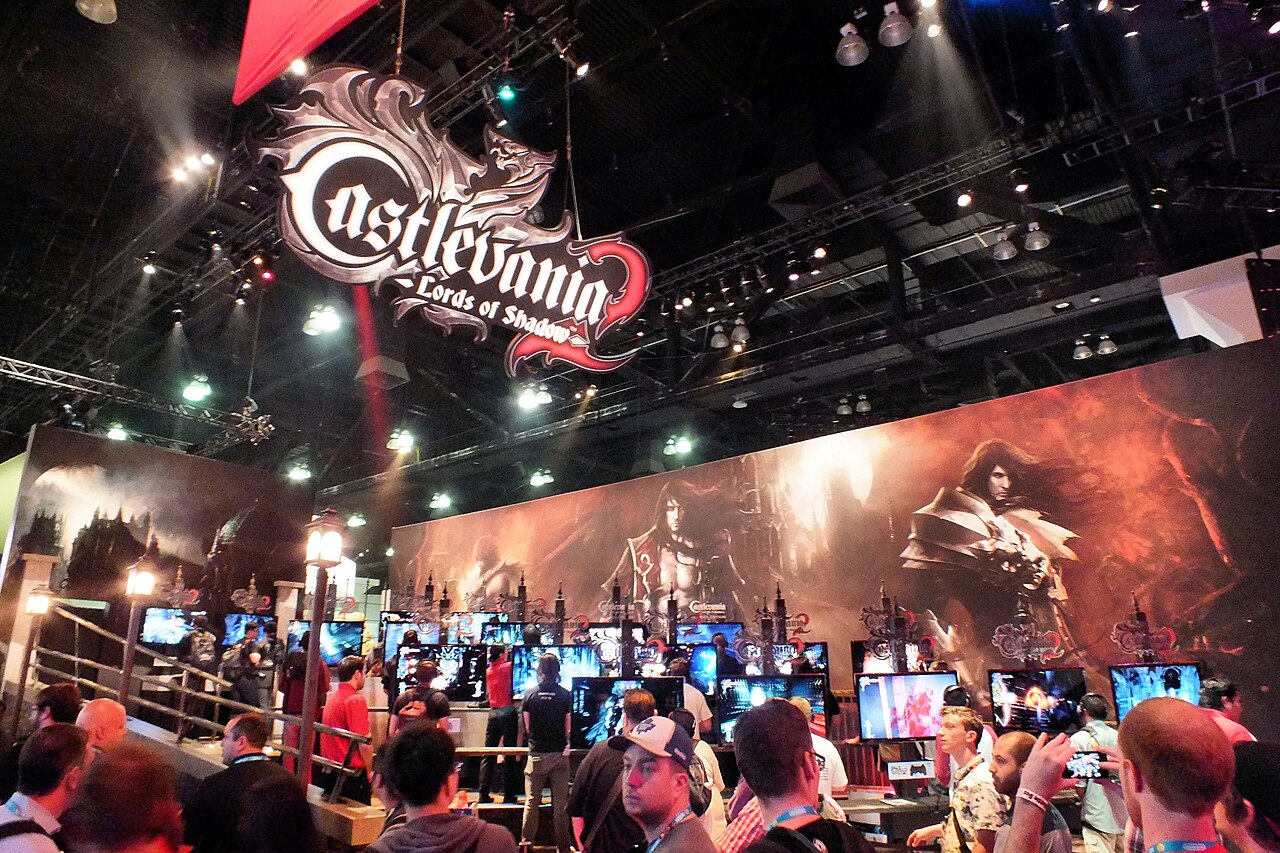
- EMR - from Chicago, USA · CC BY 2.0
Castlevania: Lords of Shadow – Mirror of Fate is a 2013 action-adventure game from developer MercurySteam and publisher Konami, released for the Nintendo 3DS. It directly follows the events of Castlevania: Lords of Shadow, the franchise’s reboot. Players control multiple characters exploring a winding castle to uncover the mystery behind Dracula’s return. Critical reception was mixed to positive; reviewers liked the visuals and combat but found fault with the story and level design. An HD version, titled Castlevania: Lords of Shadow – Mirror of Fate HD, came out as a digital download for Xbox 360, PlayStation 3, and Windows.
Gameplay puts players in the roles of Gabriel Belmont, his son Trevor, grandson Simon, and Alucard. It is a side-scrolling action-adventure game that returns to the classic Castlevania gameplay style of the main series.
The plot begins before Gabriel becomes Dracula. His wife Marie is already dead, killed by supernatural forces, and Gabriel’s transformation into Dracula follows her death. The Order takes the infant Trevor from Marie’s dying arms and raises him. Twenty-seven years later, Trevor—who has always known he is Dracula’s son—sets out to kill Dracula to avenge his mother’s death. He says goodbye to his wife and young son Simon, giving Simon a medallion from the Order. At the castle, a Shade (the Toy Maker) tells Trevor he will die before killing Dracula; enraged, Trevor kills the Shade. Trevor collects medallions from fallen knights, learns light and dark magic, and fights Dracula’s forces, including a chimera called the Demon Lord (also known as the Lord of the Dead or Necromancer). In the throne room, Trevor confronts Dracula, who says he does not care about his victims. They fight above the castle, and Trevor cuts off Dracula’s hands. As they fall, Trevor tries to stab Dracula with his Combat Cross but is impaled instead. Dracula gloats, but Trevor reveals he is his son. Dracula confirms this in his Mirror of Fate, goes mad with grief, and tries to turn Trevor into a vampire, but Trevor is already dead. Dracula builds him a coffin engraved with “Alucard” to hide his identity. Elsewhere, Simon sees his mother killed by Dracula’s forces, swears vengeance, and flees to the mountains, where the mountain people train him for thirty years.
As an adult, Simon goes to Dracula’s castle.
Quick Facts
- Title
- Castlevania: Lords of Shadow – Mirror of Fate
- Developer
- MercurySteam
- Publisher
- Konami
- Director
- Jose Luis Márquez
- Producer
- Dave Cox
- Engine
- Mercury Engine
- Writer
- Jose Luis Márquez / Dave Cox
- Composer
- Óscar Araujo
- Series
- Castlevania
- Platforms
- Nintendo 3DS, Xbox 360, PlayStation 3, Windows
- Genre
- Action-adventure, hack and slash
- Modes
- Single-player
Facts from the source article.
Lore & Background
The game follows multiple characters: Gabriel Belmont, his son Trevor Belmont, grandson Simon Belmont, and Alucard. Before becoming Dracula, Gabriel’s wife Marie is already dead, killed by supernatural forces. The Order takes the infant Trevor from Marie’s dying arms and raises him. Twenty-seven years later, Trevor—who has always known he is Dracula's son—journeys to the castle to kill Dracula and avenge his mother. He meets a Shade (the Toy Maker) who predicts his death; Trevor kills the Shade. Trevor obtains medallions of fallen knights and learns light and dark magic, slaying Dracula's forces including the Demon Lord (also known as the Lord of the Dead or Necromancer). In the throne room, Trevor fights Dracula, cuts off his hands, and both plummet. Trevor attempts to impale Dracula but is impaled himself. Dracula tries to turn Trevor into a vampire, but Trevor dies.
Reader's Guide
Castlevania: Lords of Shadow – Mirror of Fate marks a return to the classic side-scrolling gameplay of the main Castlevania series, after the 3D reboot Lords of Shadow. Its narrative weaves a multi-generational story of the Belmont family, with players controlling Gabriel, Trevor, Simon, and Alucard. The game's plot involves themes of prophecy, revenge, and tragic family ties, culminating in Simon and Alucard battling Dracula. The game received mixed reviews; GameSpot praised its visuals and combat but criticized its easy difficulty and predictable story, while IGN panned it for fragmented exploration and shallow leveling. An HD version was released digitally for Xbox 360, PlayStation 3, and Windows. The game's development was delayed because MercurySteam was not pleased with certain elements. The HD version was originally developed before being adapted for the 3DS.
Did You Know?
- The HD version was developed first and later adapted for the Nintendo 3DS.
- The Shade is rendered mute after Trevor breaks his face.
- Dracula builds Trevor a coffin engraved with the name 'Alucard' to protect his identity.
Gameplay & Multi-Character Structure
Mirror of Fate marks a deliberate return to the side-scrolling action-adventure format that defined the original Castlevania series, a sharp contrast to the 3D open-world approach of its predecessor. Rather than following a single protagonist, the game threads its narrative across four distinct playable characters spanning three generations of the Belmont bloodline: Gabriel, his son Trevor, Trevor's son Simon, and the enigmatic Alucard. Each character brings a different combat identity to the labyrinthine castle that serves as the game's primary setting. Trevor, for instance, collects the medallions of fallen Order knights and gains access to both light and dark magic as he ascends the tower. Simon, shaped by three decades of mountain training, wields a whip with lethal mastery. Alucard, a vampire suffering from amnesia, fights with an entirely different set of abilities. This multi-character structure allows MercurySteam to vary pacing and challenge while keeping players anchored to the central mystery of Dracula's return and the hidden forces manipulating the Belmont family.
Plot & The Three-Act Belmont Saga
The narrative unfolds across three acts separated by decades, each centered on a different Belmont. The first follows Trevor, who learns he is Dracula's son and sets out to avenge his mother Marie's death. His throne-room confrontation ends tragically: impaled by his own Combat Cross during a fall from the castle, Trevor dies before Dracula can complete a vampire transformation. Grief-stricken, Dracula engraves a coffin with the name Alucard to shield his son's identity. The second act jumps thirty years forward to Simon, raised in the mountains after witnessing his mother's murder, who returns to the castle as a whip-wielding fighter. The third introduces Alucard, awakened from his tomb with no memory of his past, who saves Simon twice without revealing who he is. The climax sees both men battling Dracula, with Simon ultimately delivering the killing blow. The true antagonist, however, is the Shade—a shard of the Mirror of Fate that has been orchestrating the Belmonts' fates from behind the scenes.
Development, Delay & Platform Rollout
Mirror of Fate was first revealed in May 2012 as a Nintendo 3DS title, though its path to launch was not without friction. MercurySteam delayed the release because the studio was dissatisfied with certain aspects of the build. Producer David Cox later revealed an interesting development detail: the team had originally constructed the game in HD and subsequently adapted it down to the 3DS hardware. The finished product arrived on March 5, 2013, in North America and March 8 in Europe. The HD build that had served as the development foundation was not wasted. Titled Mirror of Fate HD, it was released as a digital download on Xbox 360 via Xbox Live Arcade on October 25, 2013, followed by PlayStation 3 on October 29, 2013, and finally on Windows through Steam on March 27, 2014. This staggered digital rollout allowed Konami to bring the game to a broader audience well beyond the handheld platform that had been its original home.
Reception & Critical Divisions
Critical response to Mirror of Fate was decidedly mixed, landing at a 72 out of 100 on Metacritic for the 3DS version. Reviewers broadly agreed that the game's visual presentation and combat system were its strongest assets. Peter Brown of GameSpot awarded it a 7 out of 10, singling out those two elements for praise while taking issue with what he felt was an overly easy difficulty curve and a story that played out in a predictable fashion. On the other end of the spectrum, IGN's Colin Moriarty scored the game a 4.7 out of 10, arguing that its design leaned too heavily on fragmented exploration and a shallow leveling system that failed to reward sustained engagement. The recurring criticisms across reviews centered on the narrative structure and level design, with many feeling the three-act, multi-character format diluted the sense of progression. Despite these reservations, the game's faithful return to the side-scrolling roots of the franchise earned it a dedicated following among players who valued its mechanical identity over its storytelling.
Gallery
Frequently Asked Questions
What is Castlevania: Lords of Shadow – Mirror of Fate?
It is a 2013 side-scrolling action-adventure title developed by MercurySteam and published by Konami for the Nintendo 3DS. The game serves as a direct narrative sequel to the Lords of Shadow reboot, picking up where that story left off.
What role do gargoyles play in the game's castle?
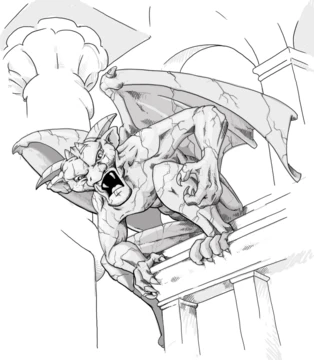
Gargoyles appear as hostile creatures and environmental obstacles throughout the winding castle corridors, forcing players to fight or dodge them while progressing through levels. They fit the long-standing Castlevania tradition of castle-based monster encounters.
Who are the playable characters in Mirror of Fate?
Players switch between Trevor Belmont, Sypha Belnades, and Alucard as they traverse the castle together. Each character brings a distinct combat style to the side-scrolling action.
How does the story of Mirror of Fate conclude?
The three protagonists work to unravel the mystery behind Dracula's resurrection and ultimately confront the threat within the castle. The narrative wraps up the immediate conflict set in motion by the Lords of Shadow reboot.
Why is Mirror of Fate significant to the Castlevania franchise?
It brought the series back to its classic side-scrolling roots after the reboot, and it was later re-released as a digital HD download for Xbox platforms. Critics generally praised its visuals and combat while noting weaknesses in its story and level design.
More in Gargoyles in popular culture 1-24
Spotted an error? Know more?
Reader corrections go straight into our review queue. Suggest an edit · How this site is sourced