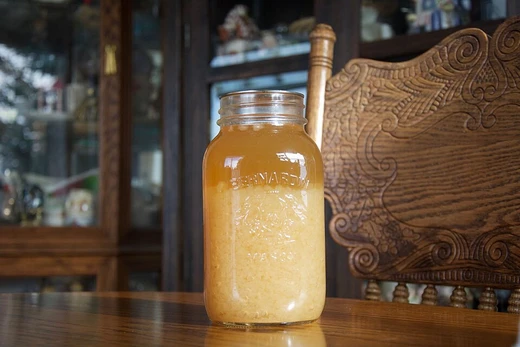
Saeu-jeot
Last updated
In Korean cuisine, saeu-jeot is a salted and fermented food prepared from small shrimp.[1] Along with myeolchi-jeot, it is the most frequently consumed type of jeotgal in South Korea.[2] The term saeu-jeot is formed from the Korean words for shrimp (saeu) and jeot.[2]
Key facts and history
Yukjeot, produced from shrimp caught in June, is considered the finest quality jeot.[3] This variety is most favored for kimchi preparation because it offers a more intense taste and larger shrimp.[3] Gonjaeng-ijeot utilizes Neomysis awatschensis, the tiniest shrimp among all saeu-jeot varieties.[4] An alternative name for tohajeot is saengijeot.[5]
What the cited sources add
According to a 1996 source, tohajeot is a South Jeolla Province specialty made from freshwater shrimp.[5]
References
- Wikipedia, "Saeu-jeot" (CC BY-SA 4.0), which cites: National Institute of Korean Language, 2014-05-02 (original not read by us) en.wikipedia.org
- Wikipedia, "Saeu-jeot" (CC BY-SA 4.0), which cites: 국립문화재연구소, June 2016, p. 8–10 (original not read by us) en.wikipedia.org
- Wikipedia, "Saeu-jeot" (CC BY-SA 4.0), which cites: 광천수산영어조합법인, 2004-09-06 (original not read by us) en.wikipedia.org
- Wikipedia, "Saeu-jeot" (CC BY-SA 4.0), which cites: Daum/Britannica (original not read by us) en.wikipedia.org
- Wikipedia, "Saeu-jeot" (CC BY-SA 4.0), which cites: Fooddesk.com, 1996-08-31 (original not read by us) en.wikipedia.org
Each numbered sentence above was checked against the source it cites before publication. Sentences citing Wikipedia adapt text from the English Wikipedia article Saeu-jeot (contributors), used under CC BY-SA 4.0; this entry is available under the same licence. Other sources were used for facts only.
More in Fermented Foods
Sources
Compiled from Wikipedia and the sources listed below. Text from Wikipedia is available under CC BY-SA 4.0; this entry is adapted from it.
- Wikipedia: Saeu-jeot (CC BY-SA 4.0).
Spotted an error? Know more?
Reader corrections go straight into our review queue. Suggest an edit · How this site is sourced