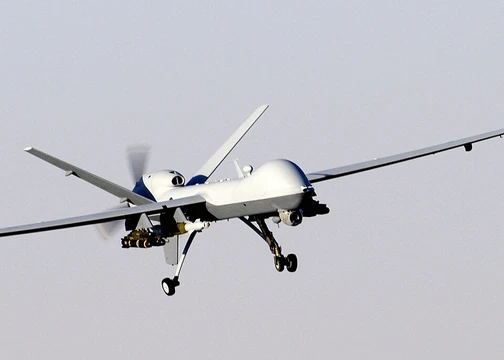
Flight permit
Flight permits authorize overflight, landing, or technical stops in national airspace.

A flight permit is the authorization an aircraft must obtain to overfly, land, or make a technical stop within a country’s airspace. Each nation sets its own rules for issuing these permits, and a fee is typically required. For overflights, the usual charge is the Route Navigation Facility Charge (RNFC); if the aircraft lands, landing and parking fees also apply.
The process for obtaining a permit varies by country, and details can be found on each nation’s civil aviation authority website. There are several categories of permits. An overflight permit grants entry into a country’s sovereign airspace (within 12 nautical miles), allows passage, and confirms there are no political or security objections to the airline, aircraft, or origin/destination, and that no navigation fees are overdue. Under the Chicago Convention, all contracting states permit overflight, but most civil aviation authorities still require prior approval, with each country having its own documentation, application timeline, and fees.
A landing permit authorizes an aircraft to land at a specific airport and, beyond the overflight requirements, confirms there are no safety or noise objections to the aircraft type and no commercial objections if the flight is for revenue. A special permit is needed when an aircraft operates without a normal certificate of airworthiness—common for ferry flights or delivery flights—and requires approval from the Ministry of Transport. A diplomatic permit is required for government or military aircraft and is typically issued by the Ministry of Foreign Affairs of the country being overflown.
Most countries accept applications directly from airlines or their appointed local agents. Charges for overflights and landings are normally billed to the operators or their agents by the national civil aviation authority responsible for ground-to-air communications in that region.
- Overflight permit
- Authorization to enter sovereign airspace (12 nm limit), overfly, and exit.
- Landing permit
- Authorization to land at a given airport, confirming no safety, noise, or commercial objections.
- Special permit
- Required when aircraft is not operated on a normal certificate of airworthiness, often for ferry or delivery flights.
- Diplomatic permit
- Required for government or military aircraft, issued by the Ministry of Foreign Affairs of the overflown country.
Lore & Background
Flight permits are categorized into several types. An overflight permit confirms that there is no political or security objection to the airline, aircraft, or country of origin/destination, and that no outstanding navigation fees are due. Under the Chicago Convention on International Civil Aviation, all contracting states permit overflight by other states, but most civil aviation authorities require prior approval in the form of an overflight permit, with each country having its own requirements for documents, application time, and fees.
A landing permit additionally confirms no safety or noise objections to the aircraft type and no commercial objection if the flight is operated for revenue. A special permit is needed when the aircraft lacks a normal certificate of airworthiness, typically for ferry flights or flight delivery, and requires approval from the Ministry of Transport. A diplomatic permit is required for government or military aircraft and is generally issued by the Ministry of Foreign Affairs of the country being overflown.
Most countries accept applications directly from airlines or their appointed agents. Charges for overflying and landing are normally billed to the operators or their agents by the respective national civil aviation authority responsible for maintaining and operating ground-to-air communications facilities in its region.
Reader's Guide
Flight permits are a fundamental mechanism for regulating international air traffic, ensuring that each country's sovereignty over its airspace is respected. The requirement for prior approval, even under the Chicago Convention's general permission for overflight, gives states control over political, security, and financial aspects of aviation. The various permit types—overflight, landing, special, and diplomatic—address different operational contexts, from routine commercial flights to government missions and non-standard aircraft operations. The fees associated with these permits, such as Route Navigation Facility Charges and landing/parking charges, fund the infrastructure that supports air navigation. The process varies by country, with each civil aviation authority setting its own documentation, timing, and fee structures, and applications are typically handled by airlines or their local agents. This system allows states to manage air traffic, collect revenue, and enforce safety and security standards, making flight permits a cornerstone of international civil aviation regulation.
Did You Know?
- Flight permits include overflight, landing, special, and diplomatic permits.
- Overflight permits confirm no political or security objection and no outstanding navigation fees.
- Special permits are required for aircraft not operating on a normal certificate of airworthiness.
- Diplomatic permits for government or military aircraft are issued by the Ministry of Foreign Affairs.
Frequently Asked Questions
What is a flight permit in drone and aircraft regulation?
A flight permit is the official clearance an aircraft must secure before it can fly through, land in, or make a technical stop within a particular country's airspace. It serves as the nation's formal acknowledgment that it has no objection to your planned operation.
What types of flight permits exist and what does each cover?
There are four main categories: overflight (passing through sovereign airspace), landing (touching down at a specific airport with no safety, noise, or commercial objections), special (for aircraft flying without a standard airworthiness certificate, such as ferry or delivery missions), and diplomatic (for government or military aircraft, issued by the overflown country's Ministry of Foreign Affairs).
How much does a flight permit cost?
A fee is generally required, and the standard charge for an overflight is the Route Navigation Facility Charge (RNFC). If the aircraft also lands, additional landing and parking fees are added on top of the overflight charge.
Who issues flight permits and where can I look up the rules?
Each nation defines its own criteria and process for granting these permits, and the specifics are published on that country's civil aviation authority website. For diplomatic permits involving state or military aircraft, the issuing authority is the Ministry of Foreign Affairs of the country being overflown.
What does the 12-nautical-mile limit mean for an overflight permit?
An overflight permit authorizes an aircraft to enter a country's sovereign airspace up to the 12-nautical-mile boundary, cross it, and then exit. It does not grant the right to land on the ground; that requires a separate landing permit.
More in Drone Regulation 1-24
Spotted an error? Know more?
Reader corrections go straight into our review queue. Suggest an edit · How this site is sourced