
Congenital syphilis
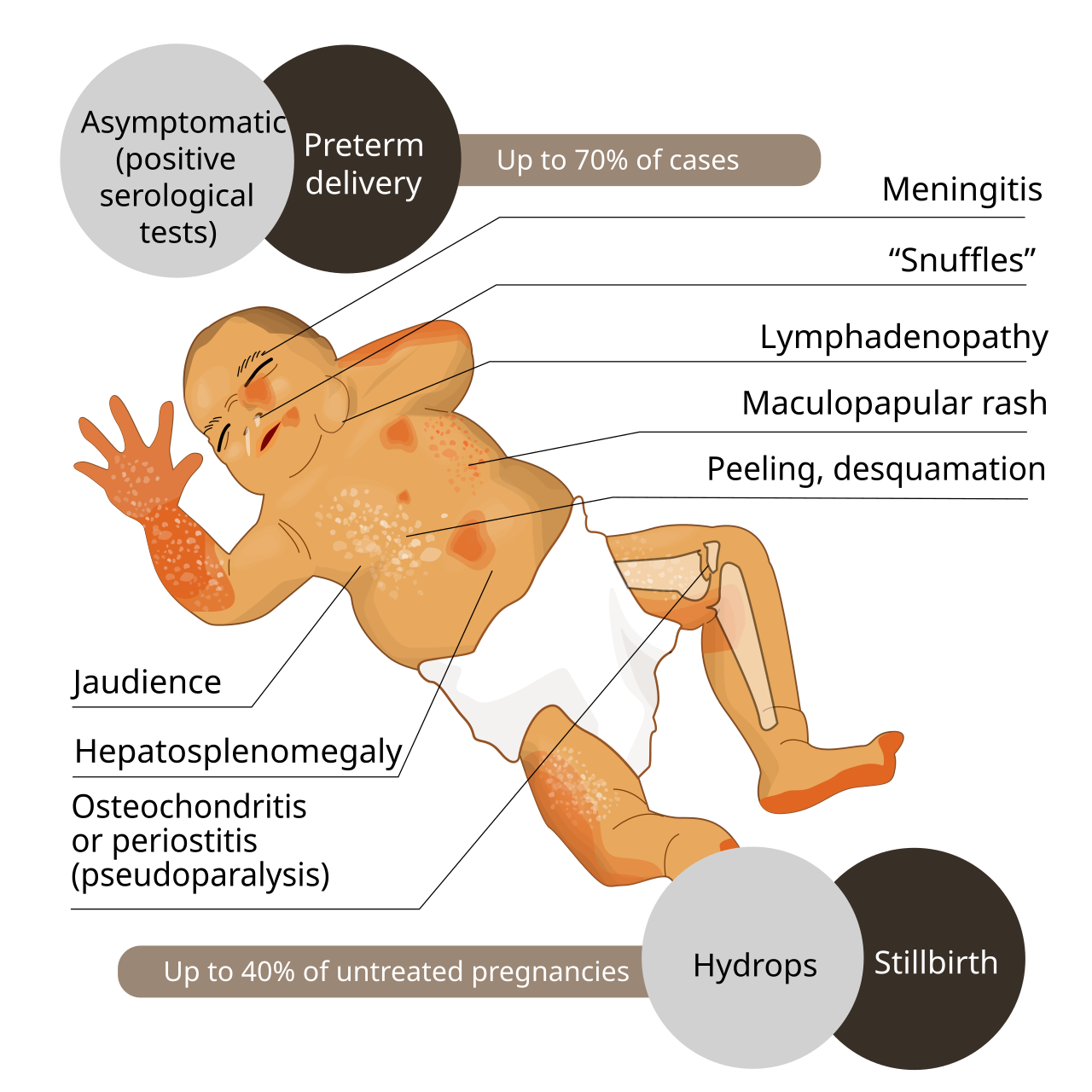
Untreated maternal syphilis can infect the baby during pregnancy or birth.

Wikimedia Commons · CC BY 4.0
Congenital syphilis is a disease that occurs when a mother with untreated syphilis passes the infection to her baby during pregnancy or at birth. It may present in the fetus, infant, or later, with clinical features differing between early onset (before two years of age) and late onset (after two years). The disease is caused by the bacterium Treponema pallidum subspecies pallidum and can lead to severe outcomes including stillbirth, newborn death, and long-term deformities if untreated.
Quick Facts
- Symptoms
- Rash, fever, large liver and spleen, skeletal abnormalities
- Onset
- Unborn baby, newborn baby or later
- Duration
- Lifelong
- Types
- Early & late
- Causes
- Treponema pallidum
- Diagnosis
- Signs, symptoms, blood tests, CSF tests
- Prevention
- Adequate screening and treatment in pregnant mother
- Treatment
- Antibiotic
- Medication
- Penicillin by injection; Procaine benzylpenicillin, benzylpenicillin, benzathine penicillin G
Facts from the source article.
Lore & Background
Congenital syphilis results from the bacterium Treponema pallidum crossing the placenta or from contact with a syphilitic sore at birth. It is not transmitted during breastfeeding unless there is an open sore on the mother's breast. The unborn baby can become infected at any time during pregnancy, with most cases occurring due to inadequate antenatal screening and treatment. The baby is highly infectious if the rash and snuffles are present. Serological tests for syphilis were introduced in 1906, and it was later shown that transmission occurred from the mother.
Reader's Guide
Congenital syphilis remains a significant global health issue, affecting around one million pregnancies a year. In 2016, there were about 473 cases per 100,000 live births and 204,000 deaths from the disease worldwide. Of the 660,000 cases reported that year, 143,000 resulted in deaths of unborn babies, 61,000 deaths of newborn babies, 41,000 low birth weights or preterm births, and 109,000 young children diagnosed with congenital syphilis. Around 75% of cases were from the WHO's African and Eastern Mediterranean regions. Prevention relies on safe sex to prevent syphilis in the mother and early screening and treatment during pregnancy. One intramuscular injection of benzathine penicillin G given early in the illness can prevent congenital syphilis. Treatment of suspected cases is with penicillin; if unavailable, ceftriaxone may be an alternative. The disease's legacy includes late-onset signs such as Hutchinson's triad (eighth nerve palsy, interstitial keratitis, and small notched teeth), skeletal deformities, and intellectual disability if untreated.
Did You Know?
- Congenital syphilis may present as poor growth, non-immune hydrops, or no signs in the unborn baby.
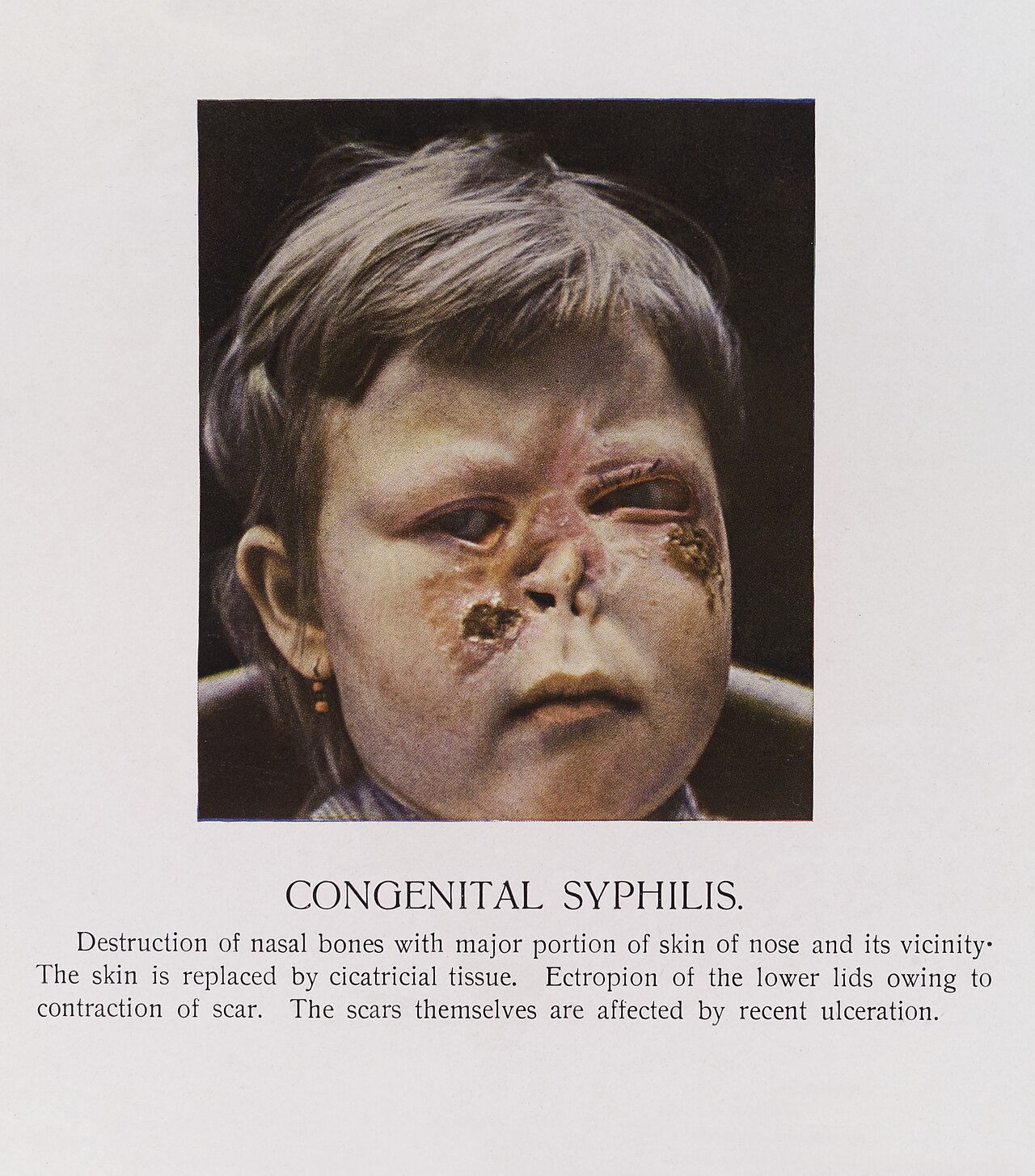
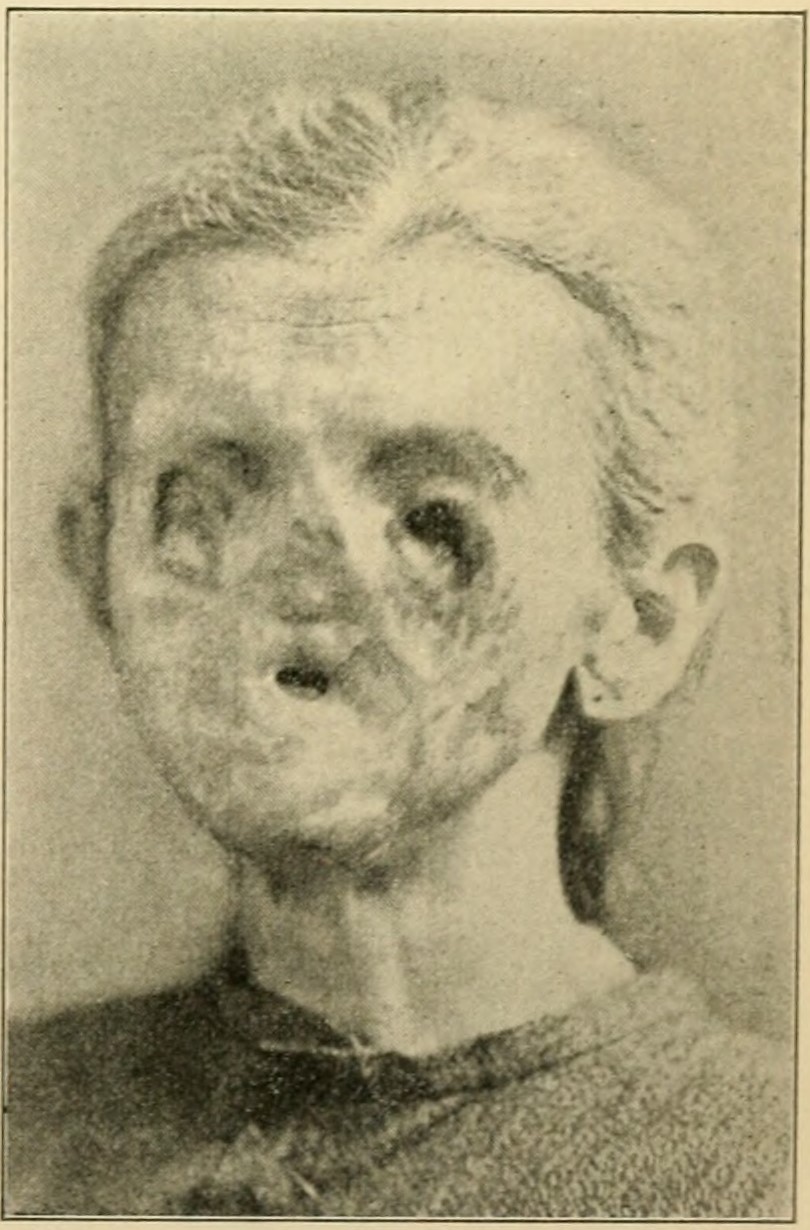
- Untreated babies that survive the early phase may develop skeletal deformities including saddle nose, saber shins, and frontal bossing.
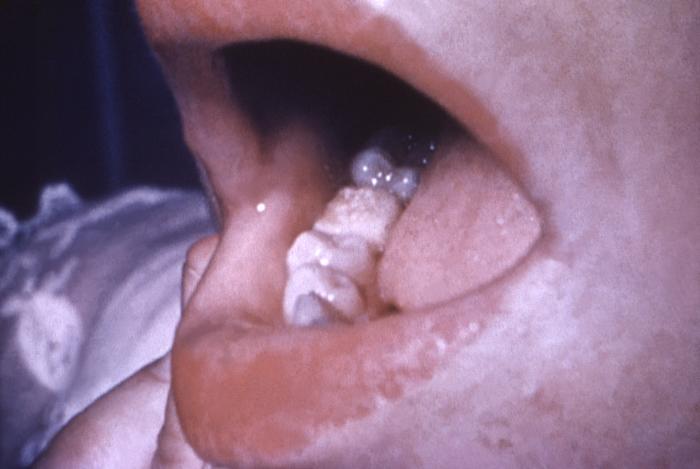
- Hutchinson's triad consists of eighth nerve palsy, interstitial keratitis, and small notched teeth.
- Around 75% of congenital syphilis cases in 2016 were from the WHO's African and Eastern Mediterranean regions.
Pathogenesis and Maternal-to-Fetal Transmission
Congenital syphilis arises when the spirochete Treponema pallidum subspecies pallidum breaches the placental barrier and colonizes the developing fetus, or when the newborn comes into direct contact with a maternal syphilitic lesion during delivery. The bacterium can invade the baby at any point throughout gestation, meaning there is no safe window of pregnancy once maternal infection goes untreated. In the vast majority of documented cases, the root cause traces back to a gap in antenatal screening or failure to complete treatment during pregnancy. Notably, the infection does not spread through breast milk unless the mother harbors an open sore on the nipple. Once established, the affected infant can become a potent vector of transmission: the mucoid nasal discharge known as snuffles teems with viable treponemes, and a generalized rash further amplifies infectiousness. Complicating early detection, roughly 55 percent of infected newborns show no outward signs at birth, with clinical features emerging only days or months later.
The Clinical Spectrum: Early-Onset and Late-Onset Disease
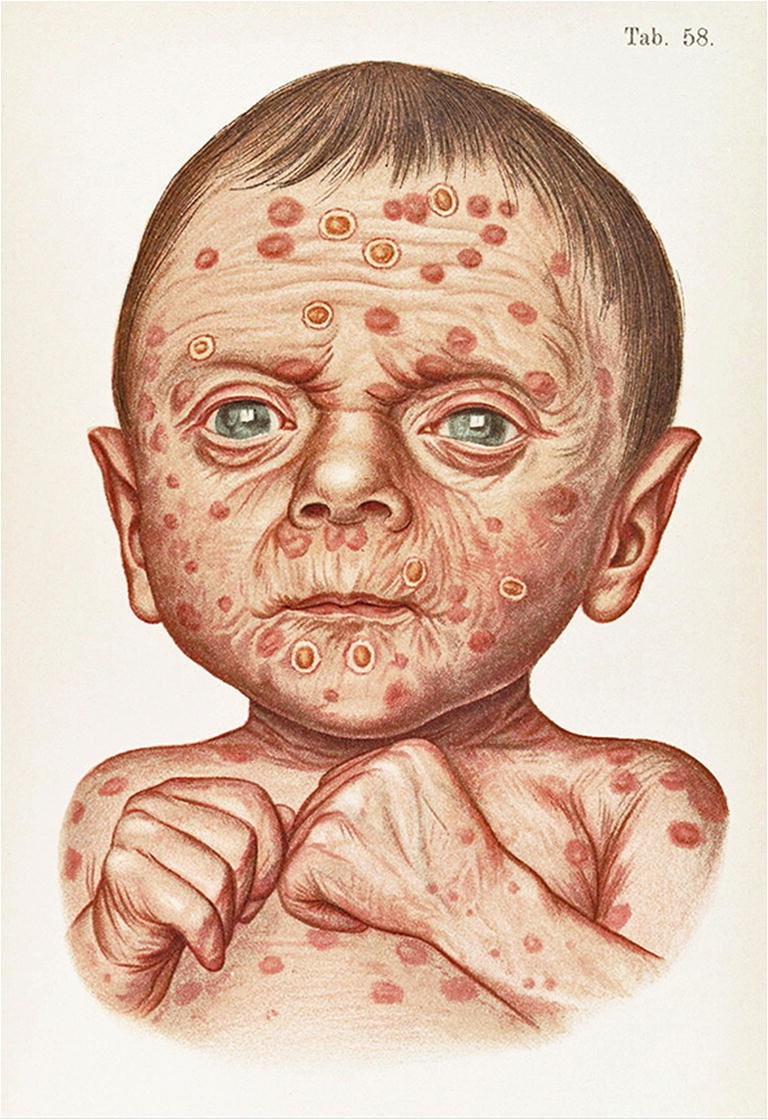
The clinical portrait of congenital syphilis splits sharply along a two-year boundary. In the early window—birth through age two—infants may appear small, irritable, and jaundiced, with a diffuse rash, a swollen liver and spleen, a congested runny nose, and inflammation encircling bone and cartilage. More severe presentations include pneumonia alba, meningitis, warty genital lesions, and loss of hearing or sight. Seizures and cranial nerve palsies can surface in either phase. If the infection slips past the first two years untreated or incompletely treated, the late picture emerges as a constellation of structural deformities: a collapsed nasal bridge, saber-shaped shins, a prominent brow, a protruding jaw, and a perforated or high-arched palate. The triad first described by Hutchinson—centrally notched peg-shaped incisors, interstitial keratitis of the cornea, and sensorineural deafness—may appear together or in isolation. Additional late findings include mulberry molars, recurrent joint disease, linear perioral scarring, intellectual disability, hydrocephalus, and juvenile general paresis. Abnormal bone radiographs, anemia, and enlarged lymph nodes further round out the diagnostic picture.
Diagnostic Workup and the Challenge of Asymptomatic Infants
Identifying congenital syphilis often begins with the mother. Because serological assays for syphilis have been available since 1906, a positive maternal result should trigger further workup, including ultrasound imaging that may reveal a placenta appearing unusually large and pale. In the infant, the diagnostic toolkit spans blood tests, cerebrospinal fluid analysis, and medical imaging. Laboratory findings can be striking: anemia, thrombocytopenia, hypoglycemia, proteinuria, and even hypopituitarism may all be present simultaneously. Because co-infection is a recognized concern, testing for HIV is also part of the recommended investigative panel. In asymptomatic newborns—those who account for a substantial share of cases—routine prenatal screening remains the primary means of identification, since the child may not yet display any rash, snuffles, or organomegaly. Once suspicion is raised, the combination of maternal serology, fetal imaging, and neonatal laboratory results allows clinicians to distinguish true congenital infection from passive transfer of maternal antibodies, guiding whether immediate antimicrobial therapy is warranted.
Global Epidemiology and Preventive Strategies
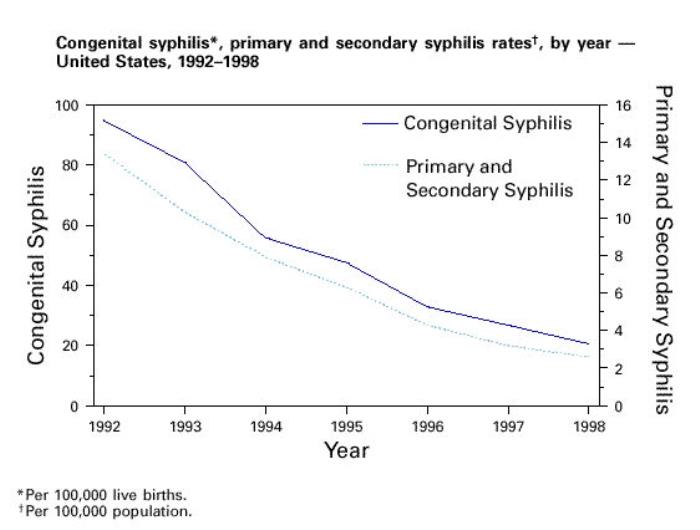
The human toll of congenital syphilis remains staggering on a global scale. Syphilis is estimated to compromise roughly one million pregnancies each year. In 2016, reported figures stood at approximately 473 cases per 100,000 live births worldwide, with an estimated 204,000 deaths attributable to the disease. Of the 660,000 congenital syphilis cases documented that year, 143,000 ended in stillbirth, 61,000 in neonatal death, 41,000 in low-birth-weight or preterm delivery, and 109,000 involved young children later diagnosed with the condition. A striking 75 percent of these cases originated in the WHO African and Eastern Mediterranean regions, underscoring the geographic concentration of the burden. Prevention, however, is remarkably straightforward: safe sexual practices reduce maternal acquisition, and a single intramuscular injection of benzathine penicillin G given early in maternal infection can avert transmission to the fetus. For confirmed or suspected neonatal infection, treatment centers on penicillin administered intravenously or intramuscularly, with ceftriaxone as an alternative and antimicrobial desensitisation available for penicillin-allergic patients.
Gallery
Frequently Asked Questions
What is Congenital syphilis?
It is a bacterial infection a baby acquires when a mother carrying untreated Treponema pallidum passes the pathogen to the child in utero or during delivery. The condition can surface in the womb, in early infancy, or even later in childhood depending on when the infection took hold.
How does Congenital syphilis lead to seizures?
The invading bacterium can provoke severe inflammation of the brain and its surrounding membranes in the affected infant, disrupting normal electrical activity and triggering seizure episodes. This neurological damage is part of the broader harm the pathogen inflicts on a still-developing nervous system.
How is Congenital syphilis transmitted?
It spreads exclusively from an infected mother to her child, either while the baby is still developing in the womb or at the moment of birth. There is no horizontal person-to-person route for this particular condition.
What are the long-term outcomes of Congenital syphilis?
Left untreated, it can result in stillbirth, neonatal death, or persistent physical deformities and neurological impairment in those who survive. The clinical picture differs markedly between the early window (before age two) and the late window (after age two).
How widespread is Congenital syphilis globally?
Approximately one million pregnancies are affected each year worldwide, and in 2016 the condition accounted for more than 200,000 deaths. The 2016 incidence rate was roughly 473 cases per 100,000 live births.
More in Disorders causing seizures 1-24
Spotted an error? Know more?
Reader corrections go straight into our review queue. Suggest an edit · How this site is sourced