
Cerebral palsy
A group of permanent movement disorders appearing in early childhood.

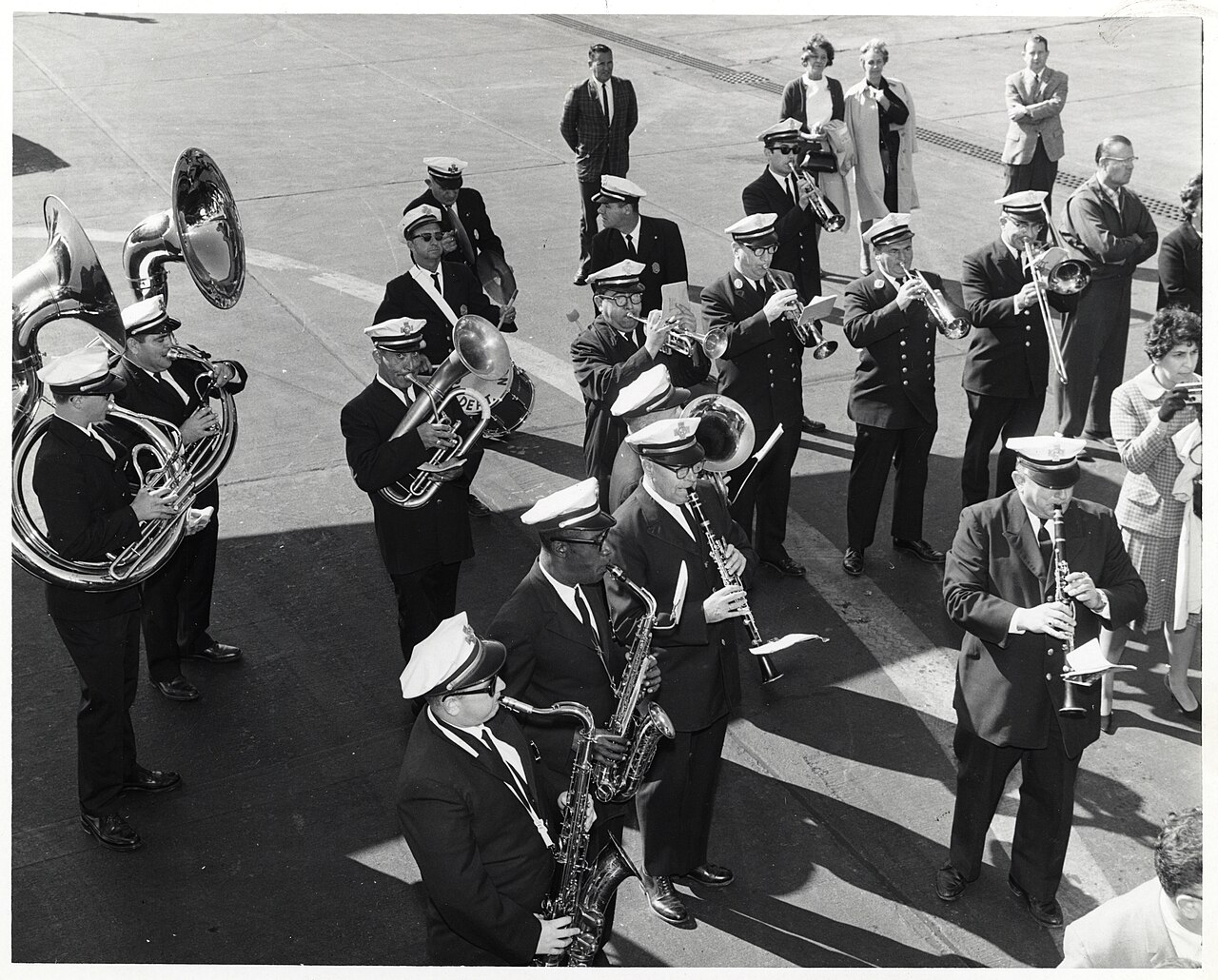
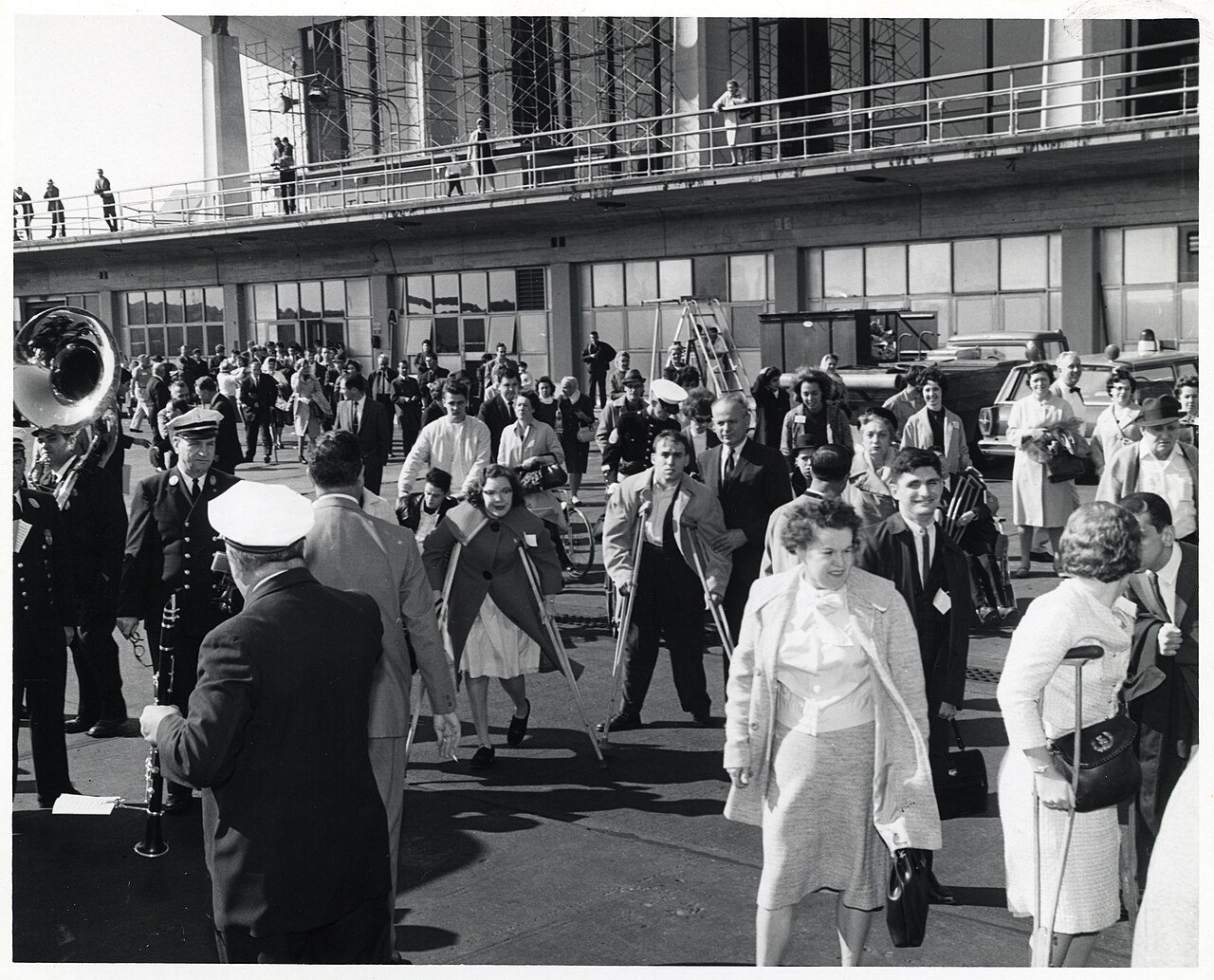
City of Boston Archives from West Roxbury, United States · CC BY 2.0
Cerebral palsy (CP) is a group of permanent movement disorders that appear in early childhood, caused by abnormal development or damage to the parts of the brain that control movement, balance, and posture. It is the most common movement disorder in children, occurring in about 2.1 per 1,000 live births. While movement disorders have been noted throughout history, there is no widely accepted canonical evidence that Hippocrates specifically described cerebral palsy as understood today.
Quick Facts
- Field
- Pediatrics, / Neurology, / Physiatry
- Symptoms
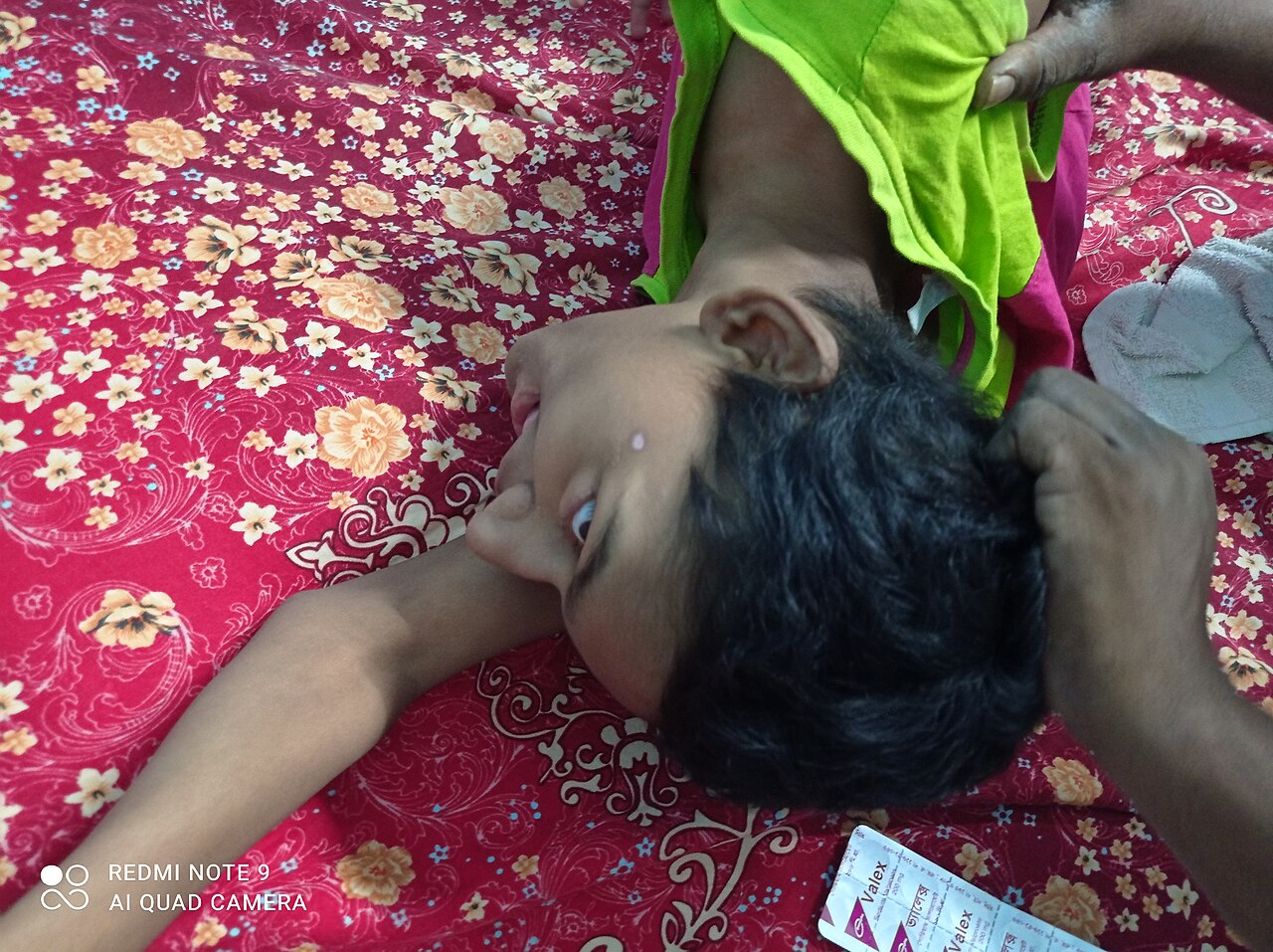
- Poor coordination, Stiff or loose muscles, weak muscles, tremors
- Complications
- Epilepsy, intellectual disability, learning disability
- Onset
- Prenatal to early childhood
- Duration
- Lifelong
- Causes
- Often unknown or brain injury
- Risks
- Brain damage during infancy, preterm birth, being a twin, certain infections during pregnancy, difficult delivery
- Diagnosis
- Based on child's development
- Treatment
- Physical therapy, occupational therapy, speech therapy, conductive education, external braces, orthopedic surgery
- Medication
- Diazepam, tizanidine, botulinum toxin
- Frequency
- 2.1 per 1,000
Facts from the source article.
Lore & Background
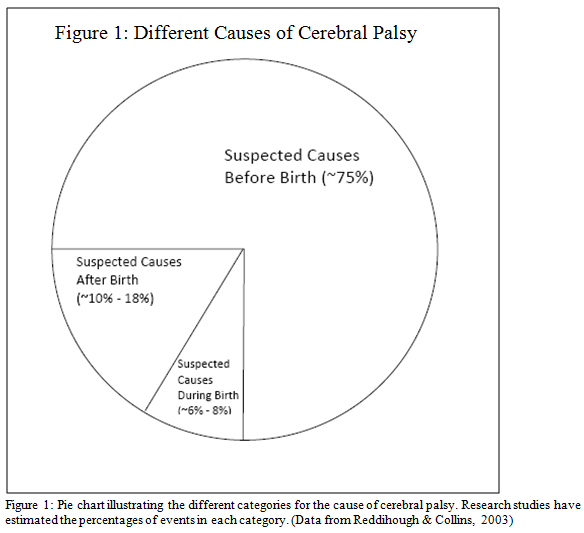
Cerebral palsy is caused by abnormal development or damage to the parts of the brain that control movement, balance, and posture, most often occurring during pregnancy, though it may occur during childbirth or shortly afterwards. Risk factors include preterm birth, being a twin, certain infections or exposure to methylmercury during pregnancy, a difficult delivery, and head trauma during the first few years of life. The genetic contribution to cerebral palsy is an area of active research, but as of the current knowledge cutoff, no widely recognized 2024 study has established a specific 25% figure for inherited genetic causes. In lower- and middle-income countries, cerebral palsy is more prevalent.
Sub-types are classified based on specific problems: stiff muscles indicate spastic cerebral palsy, poor coordination in locomotion indicates ataxic cerebral palsy, and writhing movements indicate dyskinetic cerebral palsy. Diagnosis is based on the child's development, with blood tests and medical imaging used to rule out other possible causes. Some causes are preventable through immunization of the mother and efforts to prevent head injuries in children. There is no known cure, but supportive treatments, medication, and surgery may help. The use of mouse nerve growth factor (NGF) for cerebral palsy is not a standard, widely accepted treatment in mainstream medicine, and claims of improved outcomes are not supported by robust canonical evidence.
Reader's Guide
Cerebral palsy is significant as the most common movement disorder in children, affecting about 2.1 per 1,000 live births. Its recognition in antiquity, from Hippocrates to the 19th-century work of William John Little and William Osler's naming, underscores its long history. The condition's impact extends beyond movement to include co-occurring difficulties with thinking, learning, feeling, communication, and behavior—28% have epilepsy, 58% have communication difficulties, at least 42% have vision problems, and 23–56% have learning disabilities. While movement problems are central, the underlying brain damage is non-progressive, though symptoms may become more noticeable over the first years of life. The 2024 finding that inherited genetic causes account for 25% of cases (up from 2%) represents a major shift in understanding. Prevention efforts include maternal immunization and head injury prevention. Treatments such as physical, occupational, and speech therapy, medications like diazepam and botulinum toxin, and surgical interventions can improve outcomes, with some children achieving near normal adult lives. Alternative medicines lack evidence, and stem cell therapy remains under investigation.
Did You Know?
- The term 'cerebral palsy' was coined by Sir William John Little, not William Osler.
- While movement disorders were noted in ancient texts, there is no confirmed evidence that Hippocrates specifically described cerebral palsy as understood today.
- The use of mouse NGF for cerebral palsy is not a standard treatment and lacks robust evidence from mainstream medicine.
The Spectrum of Daily Experience
Cerebral palsy is not a single condition but a constellation of movement and developmental challenges that emerge during the earliest years of life. At its core, the disorder disrupts how the body coordinates motion, producing a range of physical manifestations that can include rigid or limp muscles, uncontrolled tremors, and clumsy or absent coordination. Beyond the motor domain, many individuals also contend with difficulties in speech, vision, hearing, and even cognition. Roughly half of those affected struggle with communication, a quarter to over half face learning disabilities, and about 28 percent develop epilepsy. The severity exists on a wide continuum: for some, the impact is a mild awkwardness in movement, while for others, purposeful coordinated motion becomes nearly unattainable. As children grow, secondary effects compound. Persistent high muscle tone can gradually reshape bones and joints, turning what begins as a flexible postural imbalance into fixed contractures. Gait patterns such as tip-toeing, scissoring, and crouching become common among those who do walk. Drooling, affecting many children, adds layers of social discomfort, speech interference, and even choking risk. Crucially, while these downstream orthopedic changes can progress, the underlying brain injury itself does not worsen.
Roots, Risk, and a Long History
The damage that produces cerebral palsy takes root in the developing brain, specifically in the regions responsible for governing movement, balance, and posture. In most cases this injury occurs before birth, though it can also arise during a complicated delivery or in the fragile weeks and months immediately following. A significant number of cases remain unexplained. When identifiable risk factors are present, they include premature birth, multiple gestation such as twins, maternal infections, exposure to methylmercury, traumatic delivery, and head injuries sustained in early childhood. A striking 2024 study reframed the genetic landscape, suggesting inherited factors contribute to roughly a quarter of all cases, far higher than the two percent previously assumed. Globally the condition strikes about 2.1 out of every 1,000 live births, making it the most prevalent pediatric movement disorder, and its prevalence is notably higher in lower- and middle-income nations. The condition is ancient: Hippocrates described symptoms consistent with CP in the fifth century BCE, and artistic references from antiquity confirm it was recognized as a longstanding human affliction. In the nineteenth century, William John Little devoted extensive study to spastic diplegia, a condition that bore his name for decades, while William Osler later coined the term cerebral palsy from the German phrase for cerebral child-paralysis.
Naming the Variants and Making a Diagnosis
Because the brain injury can affect different circuits, cerebral palsy is not one uniform experience but a family of distinct sub-types, each defined by the particular movement problems it produces. When muscles are persistently stiff, the presentation is called spastic cerebral palsy; when the central difficulty is a loss of smooth, coordinated locomotion, it is labeled ataxic; and when the body produces involuntary writhing or twisting movements, the classification is dyskinetic. Diagnosis in practice rests heavily on observing a child's developmental trajectory. Infants with CP typically do not show obvious signs at birth. Instead, the condition classically reveals itself around six to nine months of age, when a baby should be rolling, sitting, or beginning to mobilize, and instead displays asymmetry, preferential use of one side, or a marked delay in gross motor milestones. Blood work and medical imaging are employed not to confirm CP directly but to exclude other conditions that might mimic its presentation. Importantly, the neurological lesion at the heart of the diagnosis is primary and permanent, whereas the orthopedic complications that follow, such as progressive joint contractures and bone deformities, are secondary consequences of sustained abnormal muscle tone. Some children are also born with concurrent structural anomalies like spinal curvature, a small jawbone, or a reduced head size.
Managing a Condition Without a Cure
No treatment today can reverse the brain injury at the core of cerebral palsy, yet a broad toolkit exists to ease its daily consequences. The mainstay of care is a combination of physical, occupational, and speech therapy, tailored to each child's specific motor and communication needs. For those whose muscles are locked in spasticity, medications such as diazepam, baclofen, and botulinum toxin injections can help reduce rigidity. In more severe cases, surgery may lengthen over-tight muscles or sever hyperactive nerves to restore a more functional range of motion. External braces, Lycra splints, and other assistive devices further support mobility and posture. In China, a therapy involving Mouse NGF has been available since 2003, with multiple small studies reporting improved outcomes. Some children, with consistent and appropriate intervention, go on to lead lives that are close to typical. Prevention is possible for certain risk factors: maternal immunization against specific infections and better safety measures to prevent head trauma in young children can reduce incidence. Meanwhile, stem cell therapy is under investigation, though researchers stress that more evidence is needed before it can be considered safe or effective. Alternative remedies are widely used by families, yet no scientific evidence backs their efficacy.
Gallery


Frequently Asked Questions
Who is Cerebral palsy?
Cerebral palsy is a cluster of permanent movement disorders that emerge in early childhood, stemming from abnormal development or injury to the brain regions governing movement, balance, and posture. It sits at the intersection of neurology and pediatrics.
What are Cerebral palsy's powers/role?
CP expresses itself through three principal subtypes—spastic, ataxic, and dyskinetic—each producing a distinct pattern of impaired coordination and muscle control. The underlying brain lesion is fixed, though the way symptoms present can shift as the child grows.
Why is Cerebral palsy important?
It carries the distinction of being the most common movement disorder in children, affecting roughly 2.1 out of every 1,000 live births worldwide. That prevalence makes it a cornerstone topic in pediatric neurology and rehabilitation medicine.
Who named Cerebral palsy?
The term was coined by Sir William John Little in the 19th century after he described the spastic form in infants. Modern diagnostic criteria have since broadened the condition well beyond Little's original observations to include the ataxic and dyskinetic subtypes.
More in Disorders causing seizures 1-24
Spotted an error? Know more?
Reader corrections go straight into our review queue. Suggest an edit · How this site is sourced