
Benzodiazepine withdrawal syndrome
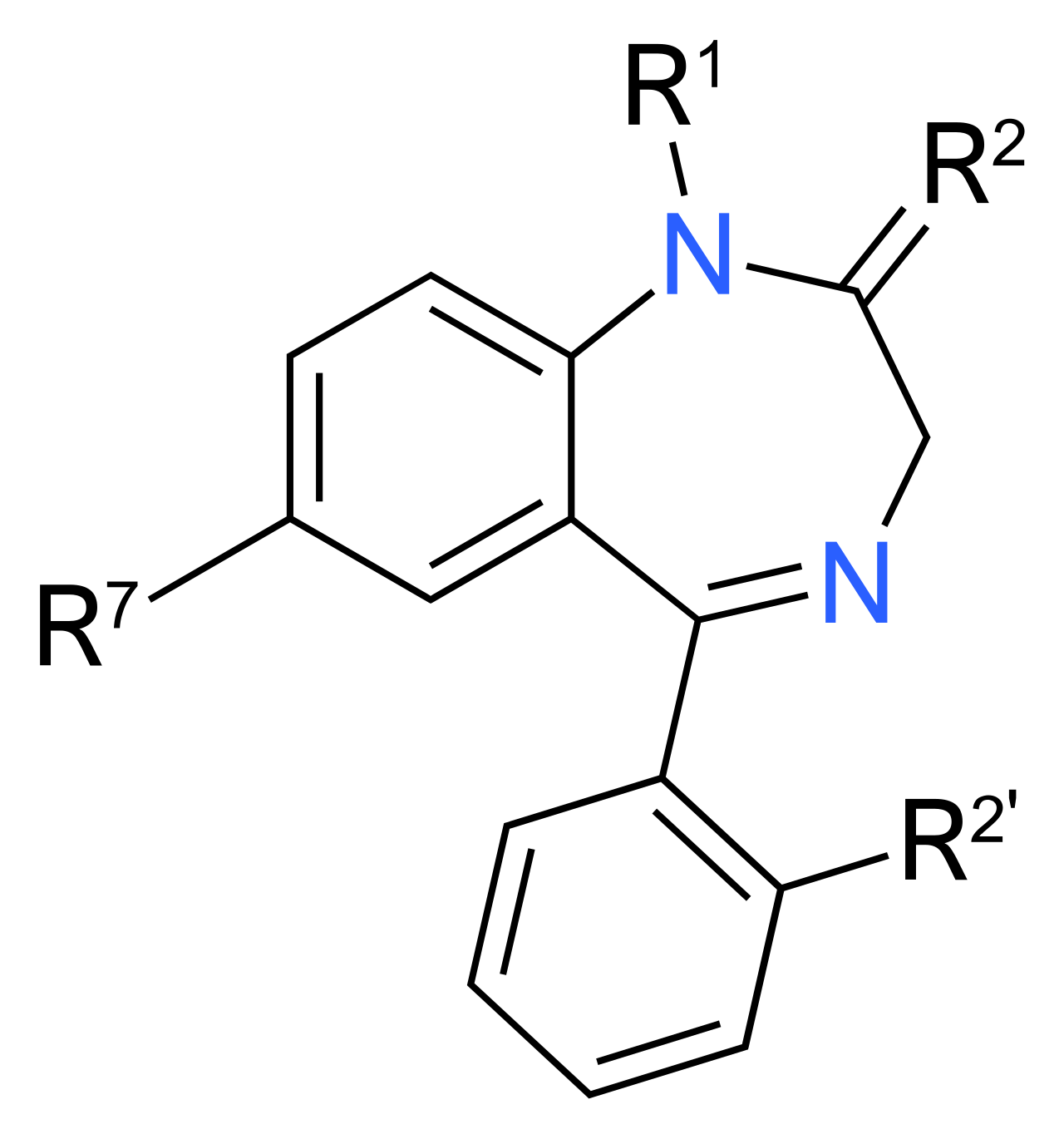
Withdrawal syndrome from benzodiazepine dependence after dose reduction or cessation.

NEUROtiker · Public domain
Benzodiazepine withdrawal syndrome refers to the range of signs and symptoms that can appear when someone who has become physically dependent on these drugs either lowers their dose or stops entirely without following a carefully managed tapering schedule. Common features include sleep problems, irritability, heightened tension and anxiety, depression, panic attacks, trembling hands, shaking, sweating, trouble concentrating, confusion, cognitive difficulties, memory lapses, dry mouth, nausea, vomiting, diarrhea, loss of appetite and weight loss, burning sensations and pain in the upper spine, palpitations, headaches, nightmares, tinnitus, muscle pain and stiffness, depersonalization, restless legs syndrome, seizures, suicidal thoughts, and various perceptual changes. In some cases, disturbances in mental function can persist for months or even years after symptoms first appear, a condition sometimes called post-acute-withdrawal syndrome. Managing withdrawal involves educating patients about what to expect, creating individualized tapering plans based on symptom severity, offering reassurance and alternative strategies, and referring people to support groups.
Withdrawal symptoms typically emerge during dose reduction and can include insomnia, anxiety, distress, weight loss, dizziness, night sweats, shaking, muscle twitches, aphasia, panic attacks, depression, numbness, dissociation, paranoia, indigestion, diarrhea, and photophobia. As the process continues, many people find their physical and mental health gradually improves, with better mood and clearer thinking. A more complete list of possible symptoms has been documented in published literature. Rapid discontinuation can lead to a more severe syndrome.
The underlying mechanisms involve neuroadaptive changes in both the GABAergic and glutamatergic systems. GABA is the brain’s main inhibitory neurotransmitter, acting at about one-quarter to one-third of synapses. It works by opening chloride channels on GABAA receptors, which hyperpolarizes the nerve cell membrane and reduces its firing rate. Benzodiazepines enhance this effect by binding to a site between the α and γ subunits of the receptor, increasing how often the chloride channel opens when GABA is present. With long-term use, the brain adapts, leading to a reduced GABAergic response.
Quick Facts
- Field
- Toxicology, Addiction medicine, Psychiatry
- Symptoms
- Anxiety, irritability, panic attacks, paranoia, tremor, akathisia, dissociation, confusion, insomnia, sensory disturbances, seizures
- Complications
- Seizures, suicide, hyperthermia, psychosis, delirium, catatonia, psychological trauma, death
- Duration
- Average: ~2 months
- Causes
- Stopping or reducing intake of benzodiazepines in a state of dependence
- Prevention
- Gradual dose reduction
Facts from the source article.
Lore & Background
Benzodiazepine withdrawal syndrome arises when a person physically dependent on benzodiazepines reduces the dose or stops taking them without a safe taper schedule. The syndrome is characterized by a wide range of symptoms including sleep disturbance, irritability, increased tension and anxiety, depression, panic attacks, hand tremor, shaking, sweating, difficulty with concentration, confusion, cognitive difficulty, memory problems, dry mouth, nausea, vomiting, diarrhea, loss of appetite, weight loss, burning sensations and pain in the upper spine, palpitations, headache, nightmares, tinnitus, muscular pain and stiffness, depersonalization, restless legs syndrome, seizures, suicidal ideation, and perceptual changes. Withdrawal can also lead to disturbances in mental function that persist for several months or years after onset, referred to as post-acute-withdrawal syndrome.
Reader's Guide
The significance of benzodiazepine withdrawal syndrome lies in its potential severity and the need for careful management. The neuroadaptive processes involved in tolerance, dependence, and withdrawal implicate both the GABAergic and glutamatergic systems. Long-term use leads to decreased GABAergic response, and when benzodiazepines are cleared from the brain, these neuroadaptations are unmasked, leading to unopposed excitability. Increased glutamate activity during withdrawal may lead to sensitization or kindling, worsening cognition and making each subsequent withdrawal period more difficult. Management involves considering the person's age, comorbidity, and pharmacological pathways. With sufficient motivation and proper approach, almost anyone can successfully withdraw, but a prolonged and severe syndrome can cause profound disability, including breakdown of relationships, loss of employment, financial difficulties, hospitalization, and suicide. Over-rapid withdrawal, lack of explanation, and failure to reassure can lead to increased panic and fears of going mad, sometimes resulting in a condition similar to post-traumatic stress disorder. A slow withdrawal regimen, coupled with reassurance from family, friends, and peers, improves outcome.
Did You Know?
- Withdrawal symptoms can include depersonalization, restless legs syndrome, and suicidal ideation.
- Post-acute-withdrawal syndrome can persist for several months or years after symptom onset.
- Antipsychotics are generally ineffective for benzodiazepine withdrawal-related psychosis and may aggravate symptoms, including convulsions.
The Neurochemical Story Behind the Crisis
Understanding why benzodiazepine withdrawal feels so punishing requires looking at what happens inside the brain's inhibitory circuitry. GABA, the central nervous system's primary calming chemical, works through GABAA receptors to flood neurons with chloride ions, effectively quieting their electrical firing. Benzodiazepines amplify this effect by latching onto a specific pocket between the receptor's alpha and gamma subunits, making the chloride channels open more frequently whenever GABA is present. Over months or years of use, the brain compensates: surface receptor protein levels shift, turnover rates change, and the overall GABAergic response dulls. Researchers have proposed a range of explanations—altered receptor conformation, changes in subunit composition, reduced coupling between binding sites, and even compensatory surges in glutamate, the brain's dominant excitatory messenger. A unifying theory suggests the receptor is internalized and then selectively degraded, triggering nuclear signals that rewrite gene transcription. When the drug is finally removed, these hidden adaptations are exposed, leaving neurons in a state of unopposed excitability. Repeated withdrawal episodes appear to sensitize this system further, making each subsequent attempt at tapering more difficult than the last.
A Cascade of Physical and Psychological Storms
The symptom profile of benzodiazepine withdrawal is staggering in its breadth, touching nearly every system the body and mind rely on. Patients report a torrent of disturbances: insomnia, surging anxiety and panic, irritability, depressive episodes, and a persistent sense of depersonalization. The physical toll is equally wide-ranging—tremors, profuse sweating, nausea, vomiting, diarrhea, appetite loss with consequent weight decline, burning pain along the upper spine, racing heart, headaches, tinnitus, muscle stiffness, and even restless legs. Cognitive function suffers through confusion, memory lapses, and difficulty concentrating. In the most severe presentations, seizures and suicidal thoughts can emerge. What makes the experience particularly disorienting is that these symptoms can fluctuate wildly, with stretches of relative calm punctuated by intense flare-ups. Yet the literature notes that as tapering progresses, many individuals do see their mood, cognition, and overall physical health gradually recover. A subset, however, face what is termed post-acute withdrawal, in which mental-function disturbances linger for months or even years after the final dose is eliminated, a prolonged tail that underscores how deeply the drug had woven itself into neural processing.
The Diagnostic Minefield
One of the most dangerous aspects of benzodiazepine withdrawal is how easily it masquerades as an entirely different illness. In severe or protracted cases, the constellation of symptoms can mimic or worsen mania, schizophrenia, agitated depression, generalized anxiety disorder, panic disorder, and even complex partial seizure disorders. This resemblance creates a particularly insidious trap: a clinician who fails to recognize the withdrawal origin may conclude the patient genuinely needs benzodiazepines, prescribing them anew—often at higher doses than before. The patient then attempts withdrawal again, fails, and the cycle repeats, each round potentially more damaging than the last. Distinguishing true protracted withdrawal from a pre-existing psychiatric condition is not straightforward, yet a key differentiator exists: symptoms rooted in withdrawal tend to improve gradually over the ensuing months, whereas a genuine underlying disorder typically does not follow that trajectory. The fact that withdrawal symptoms can lack any identifiable psychological trigger and can swing between good and bad days further complicates the clinical picture, making careful longitudinal observation essential before drawing firm diagnostic conclusions.
The Art of the Slow Taper
Guidelines from the British National Formulary offer a clear philosophical anchor: it is preferable to reduce benzodiazepine dosages too slowly rather than too quickly. The entire tapering process should be calibrated to keep symptom intensity and severity as low as possible, and anecdotal evidence suggests that a gradual pace may also lower the risk of developing a severe protracted syndrome. Pharmacologically, clinicians favor long half-life agents such as diazepam or chlordiazepoxide, which are available in low-dose formulations, because their prolonged presence in the body smooths out the peaks and troughs that trigger rebound effects. Even with a carefully slowed schedule, some individuals do not feel fully stable between successive reductions; for these patients, persistence is the prescription, as meaningful relief may not arrive until a meaningful period has passed after the final dose. Beyond the pharmacological plan, management incorporates patient education about what to expect, individualized taper strategies matched to severity, reassurance, referral to peer support groups, and psychological interventions such as relaxation training, which research shows provide a small but statistically significant added benefit over dose reduction alone.
Gallery


Frequently Asked Questions
What is Benzodiazepine withdrawal syndrome?
It is the cluster of physical and psychological symptoms that surface when a person who has developed a dependence on benzodiazepine medications cuts their dose or stops abruptly without a medically supervised taper. Think of it as the nervous system's alarm going into overdrive once the sedating brake is suddenly removed.
What are Benzodiazepine withdrawal syndrome's signature symptoms?
The condition is known for a wide cast of effects—insomnia, severe anxiety, panic attacks, tremors, sweating, nausea, cognitive fog, and perceptual disturbances. In its most dangerous form it can provoke full-blown seizures, which is exactly why it belongs in the 'disorders causing seizures' section of the canon.
How does Benzodiazepine withdrawal syndrome's story typically end?
Resolution generally comes through a carefully individualized, slow tapering schedule guided by a physician, supported by patient education, reassurance, and peer-support groups. Once the taper is finished and the brain's GABA receptors have had time to rebalance, both the acute and post-acute symptoms gradually fade.
Why is Benzodiazepine withdrawal syndrome important in the seizure-disorder canon?
It is one of the most common medication-related causes of non-epileptic seizures, meaning the convulsions are a withdrawal event rather than a primary epilepsy diagnosis. Correctly identifying it prevents misdiagnosis and steers the patient toward a safe taper instead of unnecessary anti-seizure drugs.
How does Benzodiazepine withdrawal syndrome get into the story?
The inciting event is physical dependence—usually built up over weeks or months of regular use—followed by a dose reduction or sudden stop that the nervous system cannot absorb. The longer and heavier the prior use, the more intense and prolonged the withdrawal arc tends to be.
More in Disorders causing seizures 1-24
Spotted an error? Know more?
Reader corrections go straight into our review queue. Suggest an edit · How this site is sourced