Reef
A ridge or shoal of rock, coral, or stable material underwater.
Last updated

Jstuby · CC0
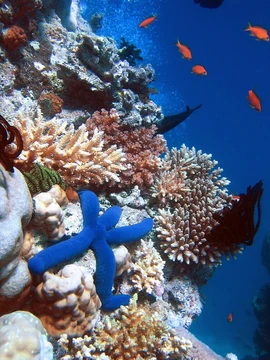
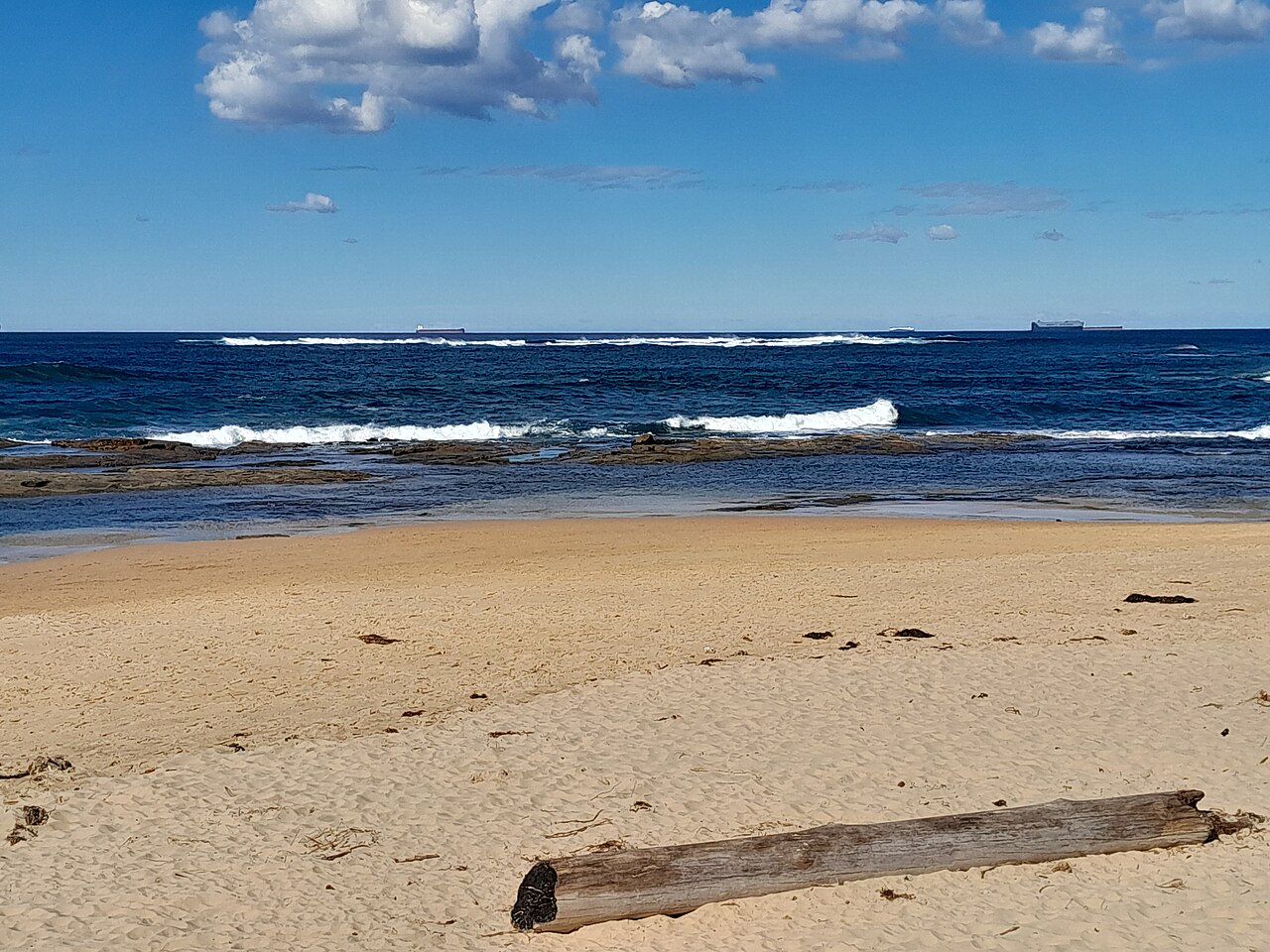
A reef is a ridge or shoal of rock, coral, or similar relatively stable material lying beneath the surface of a natural body of water. Many reefs result from natural, abiotic processes such as deposition of sand or wave erosion, but reefs such as the coral reefs of tropical waters are formed by biotic processes dominated by corals and coralline algae. Artificial reefs, such as shipwrecks and other man-made underwater structures, may occur intentionally or as the result of an accident.
Quick Facts
- Etymology origin
- Old Norse word rif, meaning 'rib' or 'reef'
- Proto germanic term
- ribją meaning 'rib'
Facts from the source article.
Lore & Background
The word 'reef' traces its origins back to the Old Norse word rif, meaning 'rib' or 'reef', which comes from the Proto-Germanic term ribją meaning 'rib'. Reefs may be classified in terms of their origin, geographical location, depth, and topography. Biotic reef types include oyster reefs and sponge reefs, but the most massive and widely distributed are tropical coral reefs. Although corals are major contributors to the framework, the organisms most responsible for reef growth against ocean waves are calcareous algae, especially coralline algae.
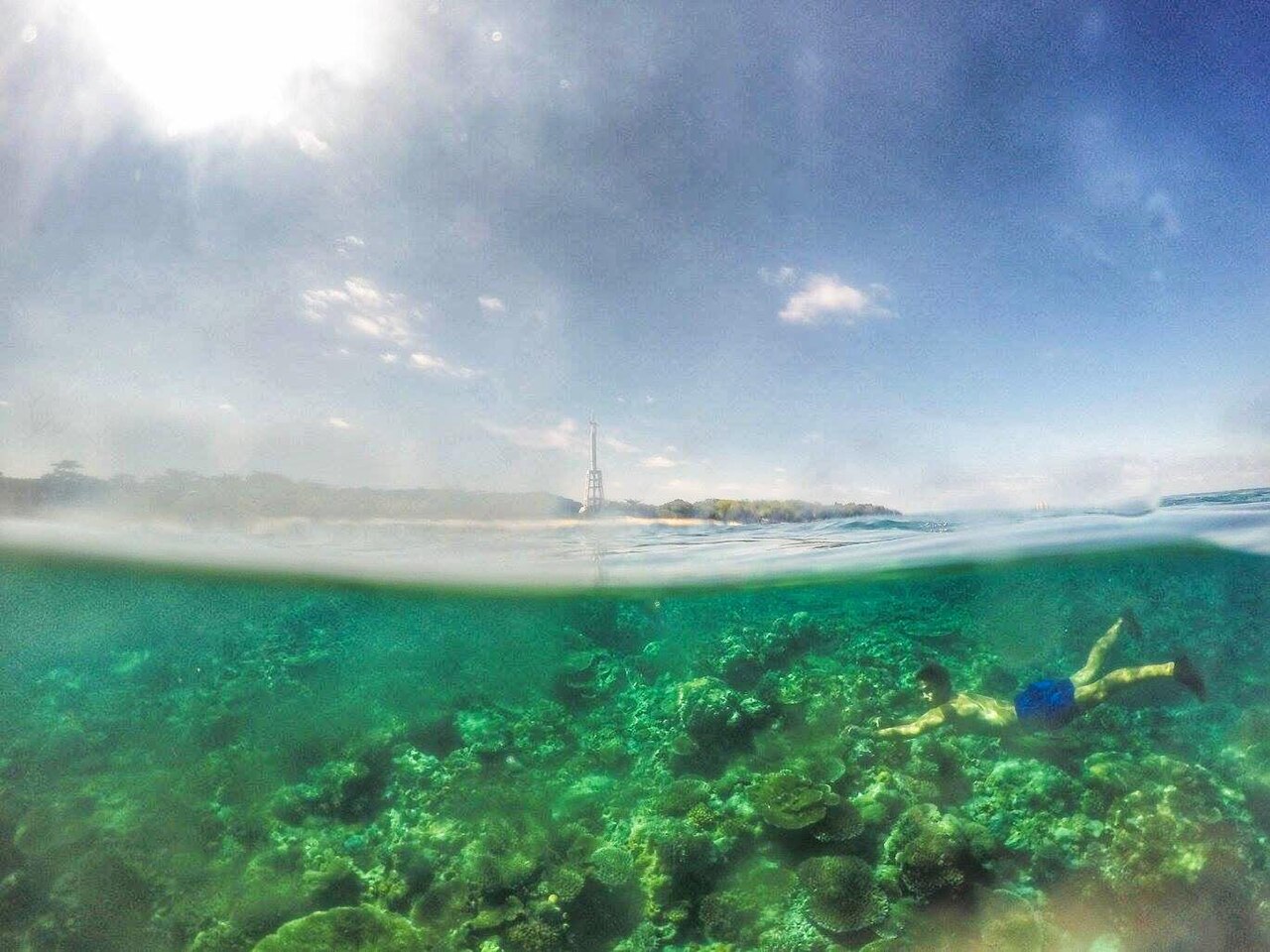
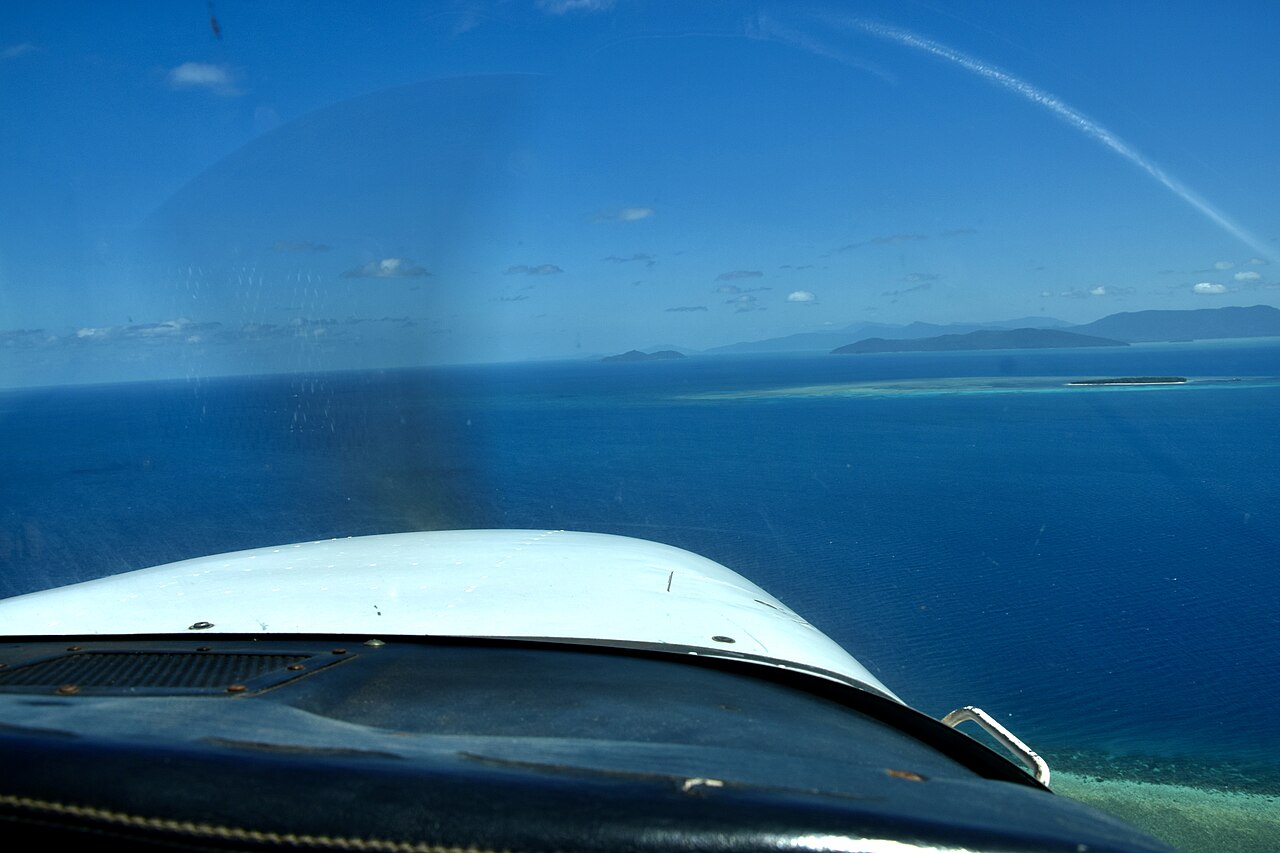
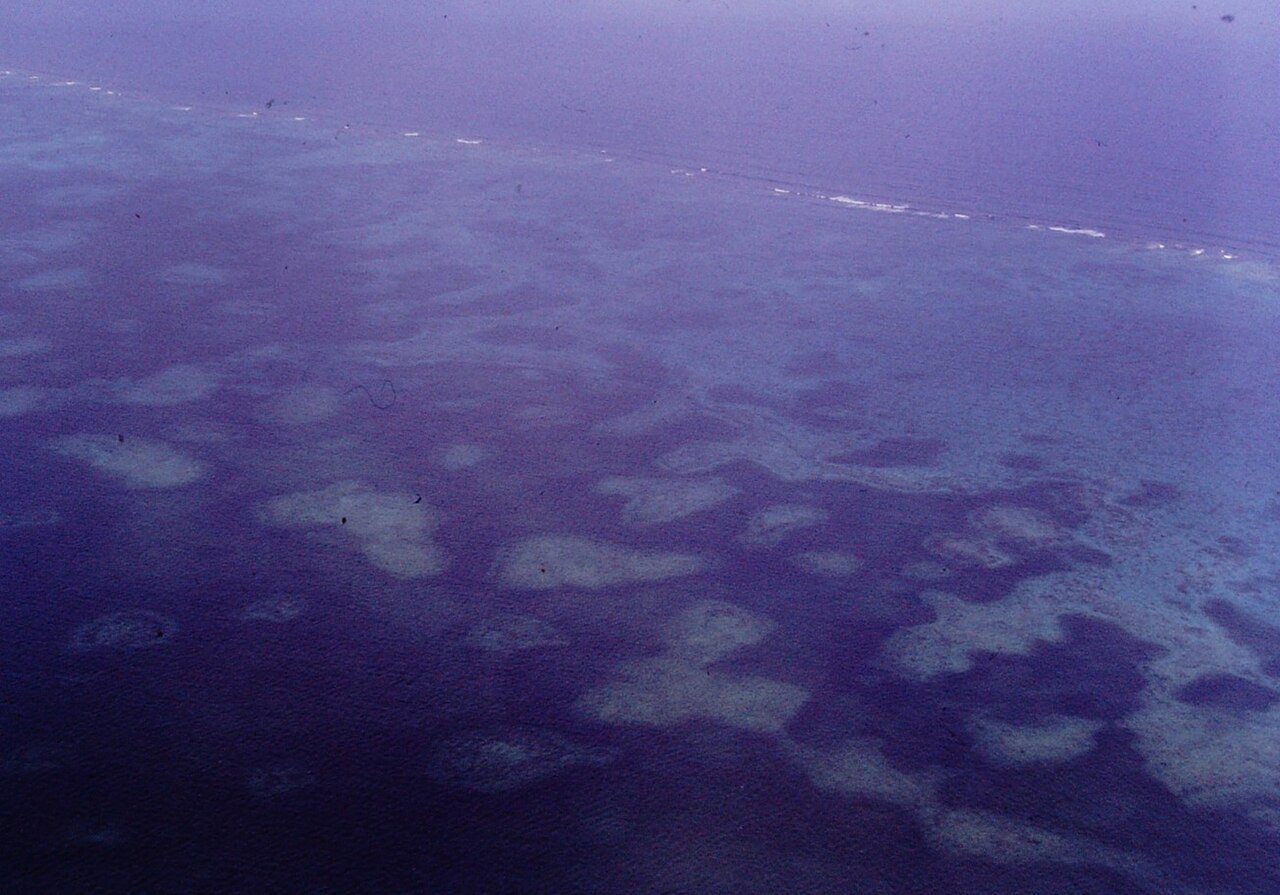
Oyster larvae prefer to settle on adult oysters, developing layers that build upward into a massive calcium carbonate structure on which other reef organisms like sponges and seaweeds can grow. Biotic reef types take additional names depending on how the reef lies in relation to land: fringing reefs are attached to a landmass, barrier reefs form a calcareous barrier around a landmass resulting in a lagoon, and atolls are ring reefs with no land present. The reef front, facing the ocean, is a high energy locale, while the internal lagoon is at lower energy with fine grained sediments.
Reader's Guide
Reefs are significant as both natural and artificial structures that provide shelter to various aquatic animals, helping prevent extinction. Artificial reefs are sometimes designed to increase the physical complexity of featureless sand bottoms to attract a more diverse range of organisms, and fish farmers sometimes invest in them for aquaculture. Ancient reefs buried within stratigraphic sections are of considerable interest to geologists because they provide paleo-environmental information and may serve as traps or conduits for fossil fuels or mineralizing fluids to form petroleum or ore deposits. Corals, including extinct groups Rugosa and Tabulata, have been important reef builders through much of the Phanerozoic since the Ordovician Period.
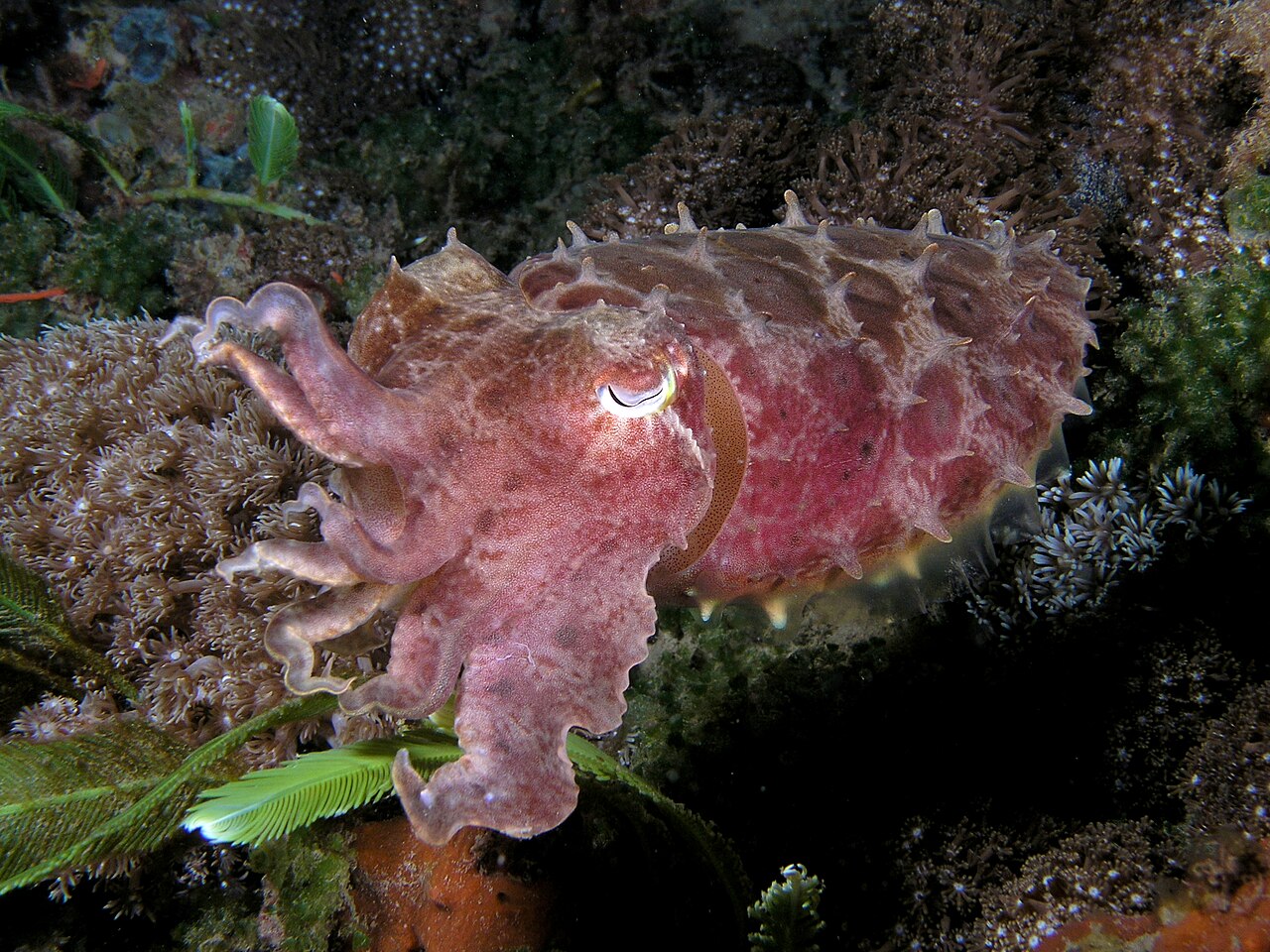
Other organism groups, such as calcifying algae, molluscs (especially rudist bivalves during the Cretaceous Period), and Archaeocyatha during the Cambrian Period, have created massive structures. The corals that build reefs today, the Scleractinia, arose after the Permian–Triassic extinction event and became increasingly important reef builders throughout the Mesozoic Era. Artificial reefs, built by sinking oil rigs, scuttling ships, or deploying rubble, provide stable hard surfaces where algae and invertebrates attach, in turn providing intricate structure and food for assemblages of fish.
Did You Know?
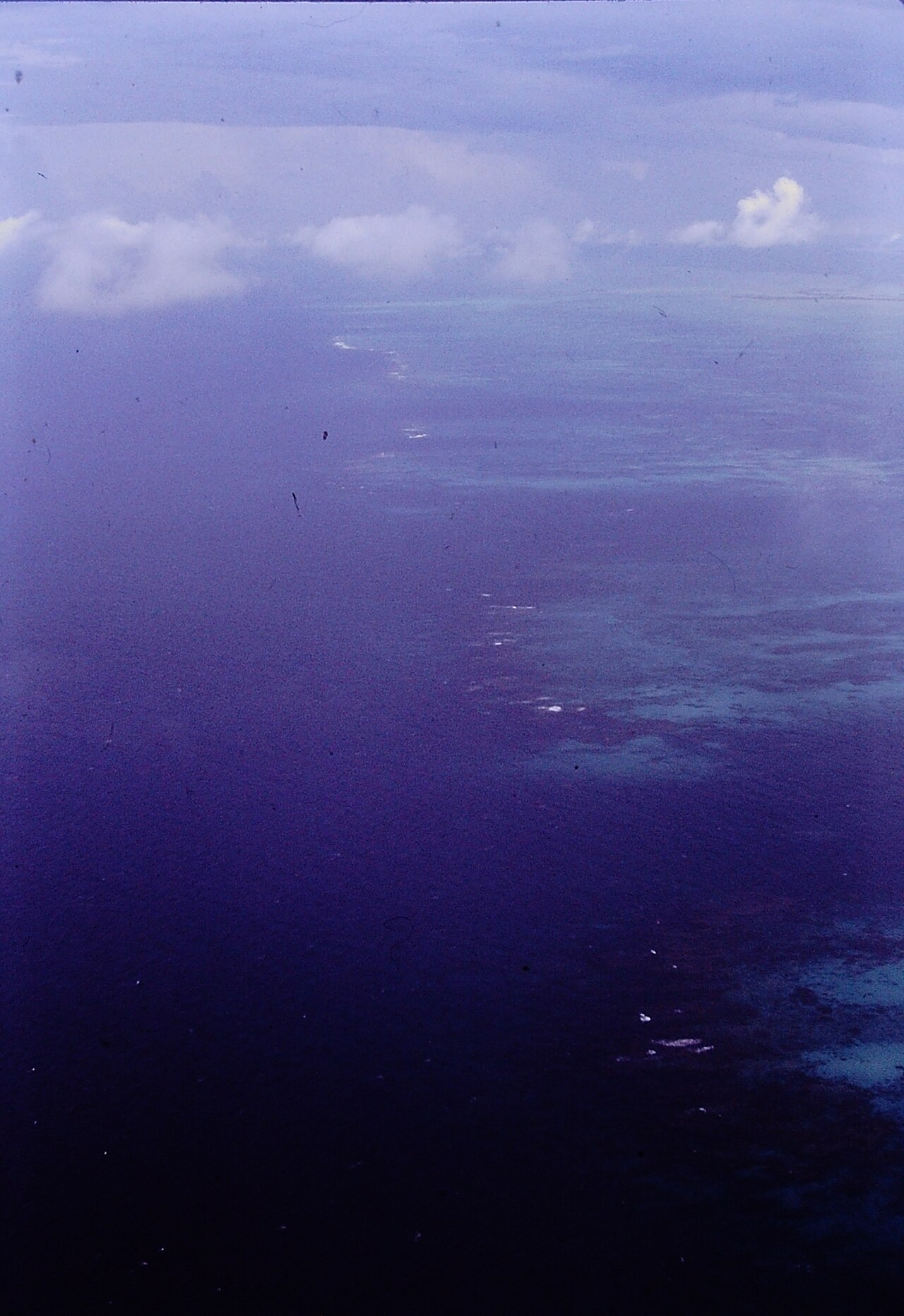
- Earth's largest coral reef system is the Great Barrier Reef in Australia, at a length of over 2300 km.
- Cyanobacterial mounds were most abundant before the evolution of shelly macroscopic organisms but still exist today.
Frequently Asked Questions
What exactly is a reef?
A reef is an underwater ridge or shallow bank composed of rock, coral, or other stable material that sits just beneath the surface of a natural body of water. It may form through purely geological forces or through the living growth of organisms.
How do coral reefs differ from other types of reefs?
Many reefs are shaped by abiotic processes such as sand deposition or wave erosion, but coral reefs are built through biotic processes in which corals and coralline algae actively construct the structure over time. This living, organism-driven origin is what distinguishes them from purely geological reef formations.
What is the largest coral reef system on Earth?
The Great Barrier Reef along Australia's coast holds that distinction, extending more than 2,300 kilometers along the shoreline. It stands as the largest living structure on the planet.
Where does the word 'reef' come from?
The term descends from the Old Norse word 'rif,' meaning 'rib' or 'reef,' which in turn traces back to the Proto-Germanic root 'ribją' carrying the same rib-like sense. The name likely evokes the ridge-like, ribbed appearance these underwater formations present.
Can reefs be man-made?
Yes; artificial reefs can arise either intentionally through constructed underwater structures or accidentally, as with shipwrecks. These human-made features can provide habitat and ecological function similar to natural reef systems.
More in Coral Reefs
Sources
Compiled from Wikipedia and the sources listed below. Text from Wikipedia is available under CC BY-SA 4.0; this entry is adapted from it.
- Wikipedia: Reef (CC BY-SA 4.0).
- Word definitions: the Codexery glossary, each quoted from its Wikipedia article.
Spotted an error? Know more?
Reader corrections go straight into our review queue. Suggest an edit · How this site is sourced