Be quiet!
German brand focused on noise-minimizing PC cooling and power supply products.

Jacek Halicki · CC BY-SA 4.0
Be quiet! is a German computer hardware brand owned by Listan GmbH, specializing in power supply units, CPU coolers, computer cases, and case fans. The brand targets PC enthusiasts, computer game players, and system integrators, with a primary market in Europe. Its headquarters are in Glinde, near Hamburg, with branches in Poland, China, and Taiwan.
Quick Facts
- Industry
- Computer hardware industry
- Hq Location
- Glinde, Schleswig-Holstein, Germany
- Products
- Computer power supply / PC cases / PC cooling solutions
Facts from the source article.
Lore & Background
The be quiet! trademark was registered in 2002 by Listan GmbH, initially used only for PC power supplies with noise-minimizing technology. In 2008, the brand expanded into PC cooling with CPU coolers and case fans, and in 2014 added PC cases to its portfolio. The company's development, logistics, and quality control are performed at the German headquarters, with a consistent focus on minimizing noise across all products.
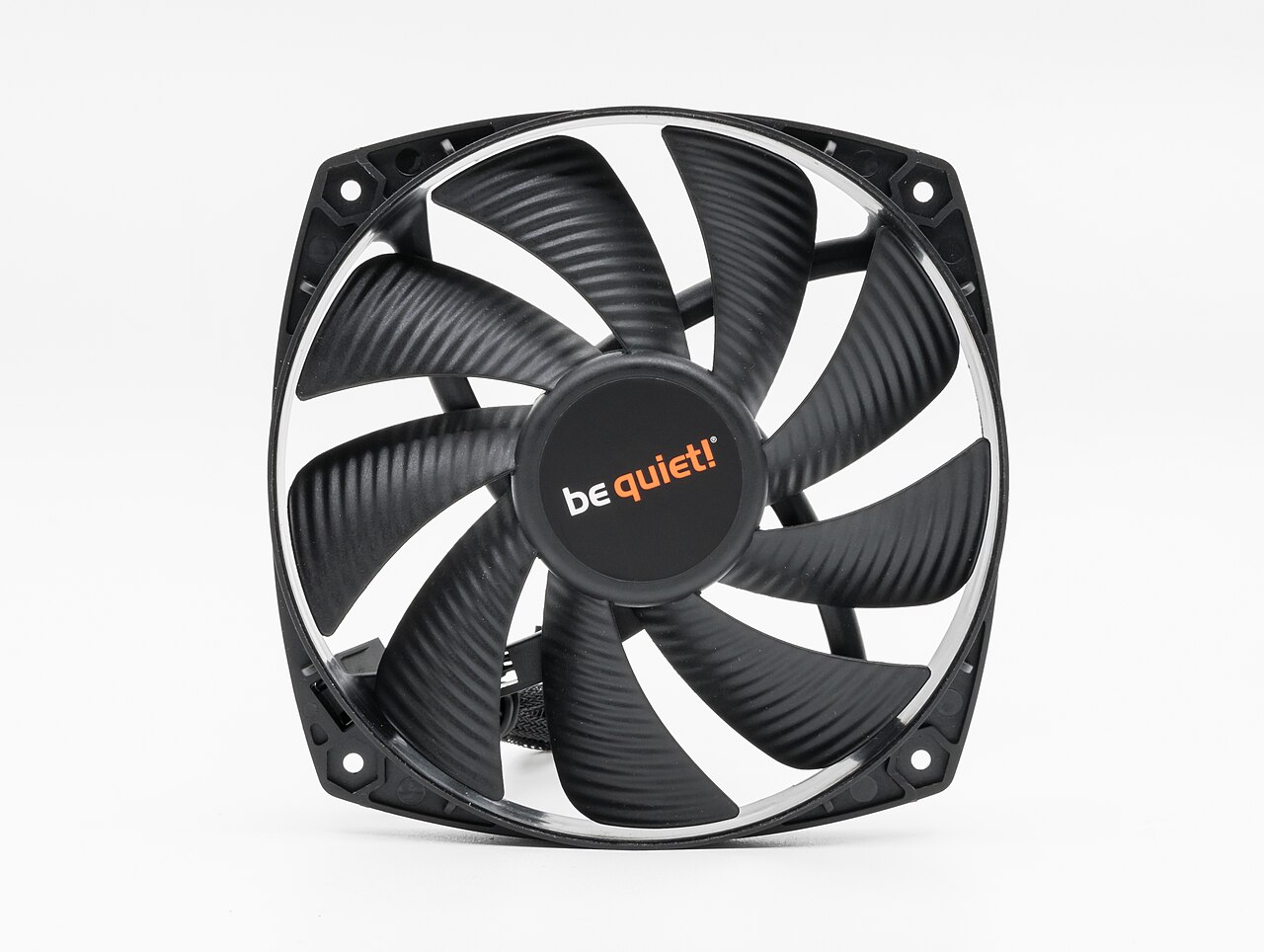
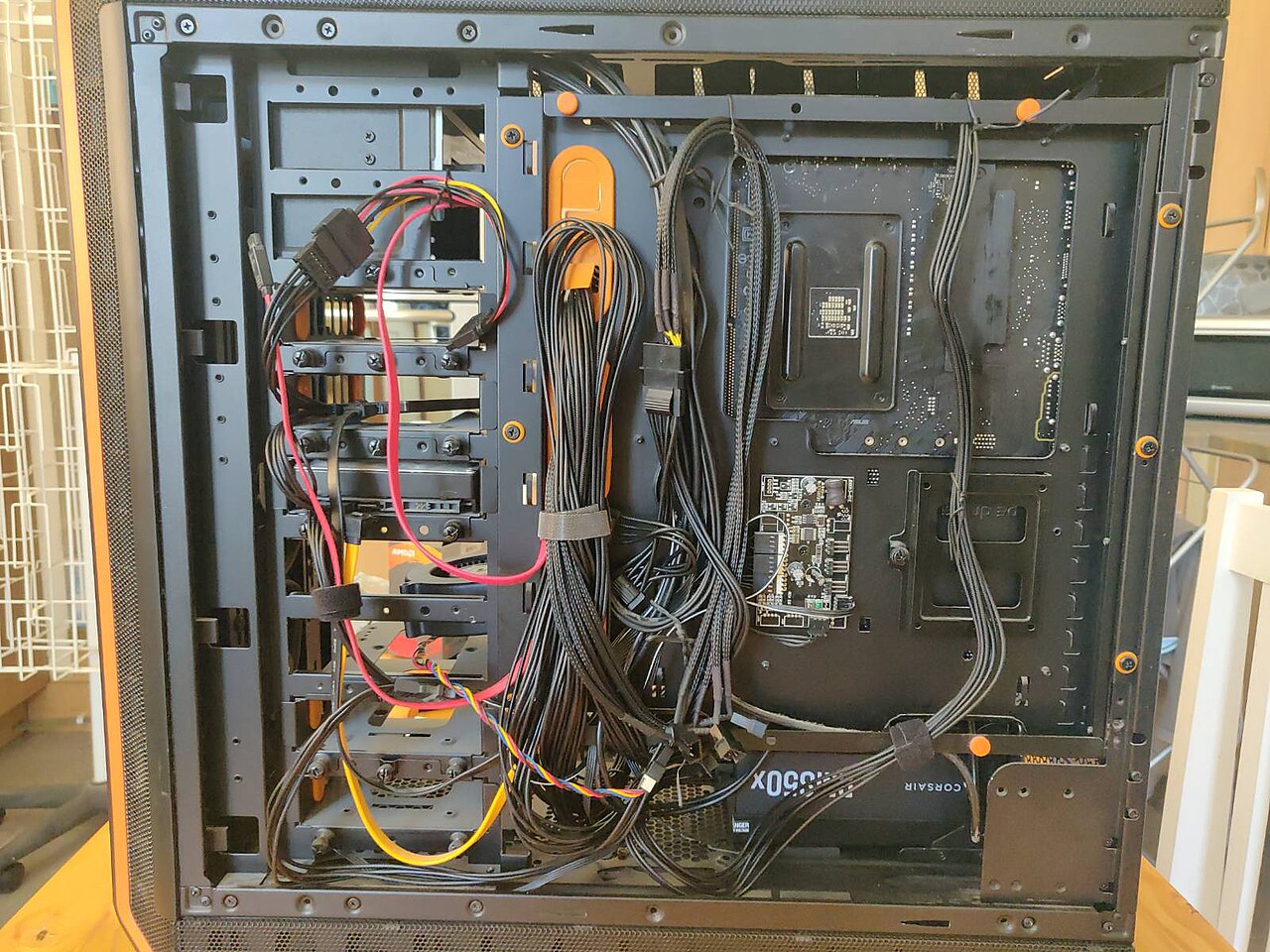
Be quiet! has developed several proprietary technologies and registered patents aimed at reducing noise and optimizing cooling and power supply operation. These include aerodynamically optimized surface textures for fans, anti-vibration mounts, fan damping assemblies, and a device to anchor fans on CPU coolers. The brand also holds a utility model for a connector angular setting on power supply cables, allowing tidy routing and improved air circulation.
Readers of the German magazine PC Games Hardware elected be quiet! 'Manufacturer of the Year' in the PSU category, as did readers of the online magazine Hardwareluxx. According to regular GfK Group studies based on units sold, be quiet! was consistently the market leader in Germany for PC power supplies from 2006 to 2017.
Reader's Guide
Be quiet! has established a notable presence in the PC hardware market, particularly in Europe, by consistently prioritizing noise reduction across its product lines. Its power supply units, ranging from 300W to 1600W, cover ATX, SFX, and TFX formats, and have been recognized by German PC hardware publications and readers. The brand's expansion into CPU coolers, case fans, and PC cases has broadened its influence, with the Pure Wings 2 case fan series winning the European Hardware Awards in 2015. The company's patented technologies, such as anti-vibration mounts and aerodynamically optimized fan textures, reflect a systematic engineering approach to minimizing operational noise. Be quiet!'s legacy is tied to its consistent market leadership in German power supplies and its reputation among enthusiasts for quiet, high-performance components. The brand's direct sales model from Glinde to distributors and resellers worldwide, with a strong European focus, has sustained its position as a specialist in silent computing solutions.
Did You Know?
- Be quiet! was initially only a power supply brand when its trademark was registered in 2002.
- The brand's first PC case, the Silent Base 800, was introduced in August 2014.
- The Pure Wings 2 case fan series won the European Hardware Awards in 2015.
Defining the Quiet Standard
The concept of a quiet PC resists a single universal definition. While no industry standard formally pins down the term, a commonly proposed benchmark suggests that sound output should stay at or below 30 dBA. Yet decibels alone tell only part of the story. The frequency spectrum matters enormously: a hum with smooth, even tones and minimal temporal variation is far less likely to grab a listener's attention than one with sharp tonal peaks. The surrounding environment plays an equally critical role—what registers as a whisper in a library might vanish entirely in a busy workshop. For this reason, the label "quiet" is inherently relative, shaped by the specific room, the sensitivity of the user, and the competing sounds already present. The term is primarily a consumer-facing one, used by individuals and the companies that serve them, rather than a formal business or engineering specification.
Where the Noise Comes From
Three principal mechanisms generate the sounds that make a typical PC audible. First, mechanical vibration from spinning disk drives transmits through the chassis, creating a low rumble that is felt as much as heard. Second, the aerodynamic design of fan blades produces vortex effects at their edges, generating a broadband whoosh that scales with rotational speed. Third, electrical whine arises from coils and transformers embedded in power supplies, motherboards, video cards, and even LCD monitors—a high-frequency tone that many find particularly grating. These three sources interact: a fan spinning faster to cool a power-hungry GPU amplifies both the aerodynamic noise and the heat that the GPU generates in the first place. Understanding which mechanism dominates in a given system is the first step toward meaningful noise reduction, because each demands a different engineering or user-level remedy.
Engineering a Silent Machine
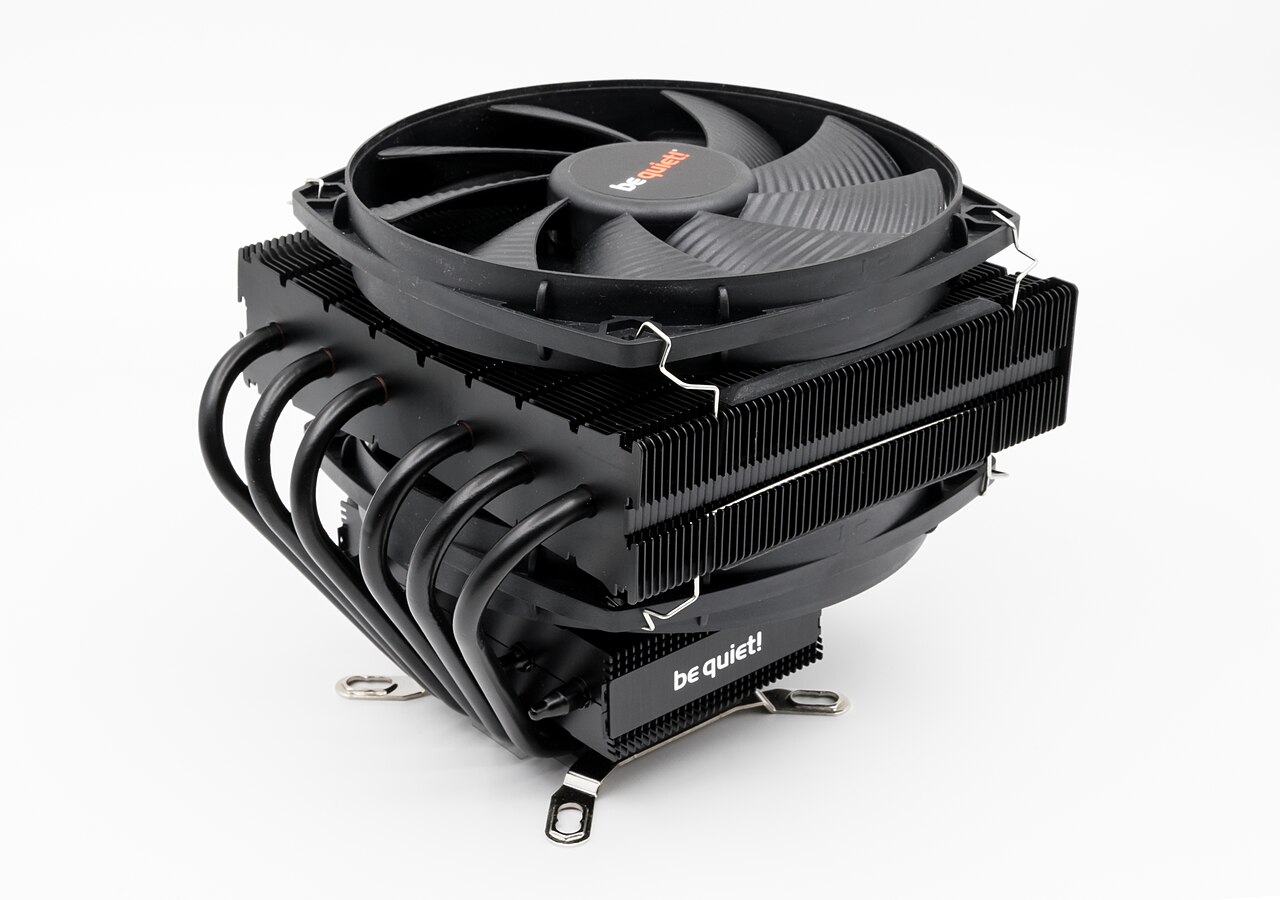
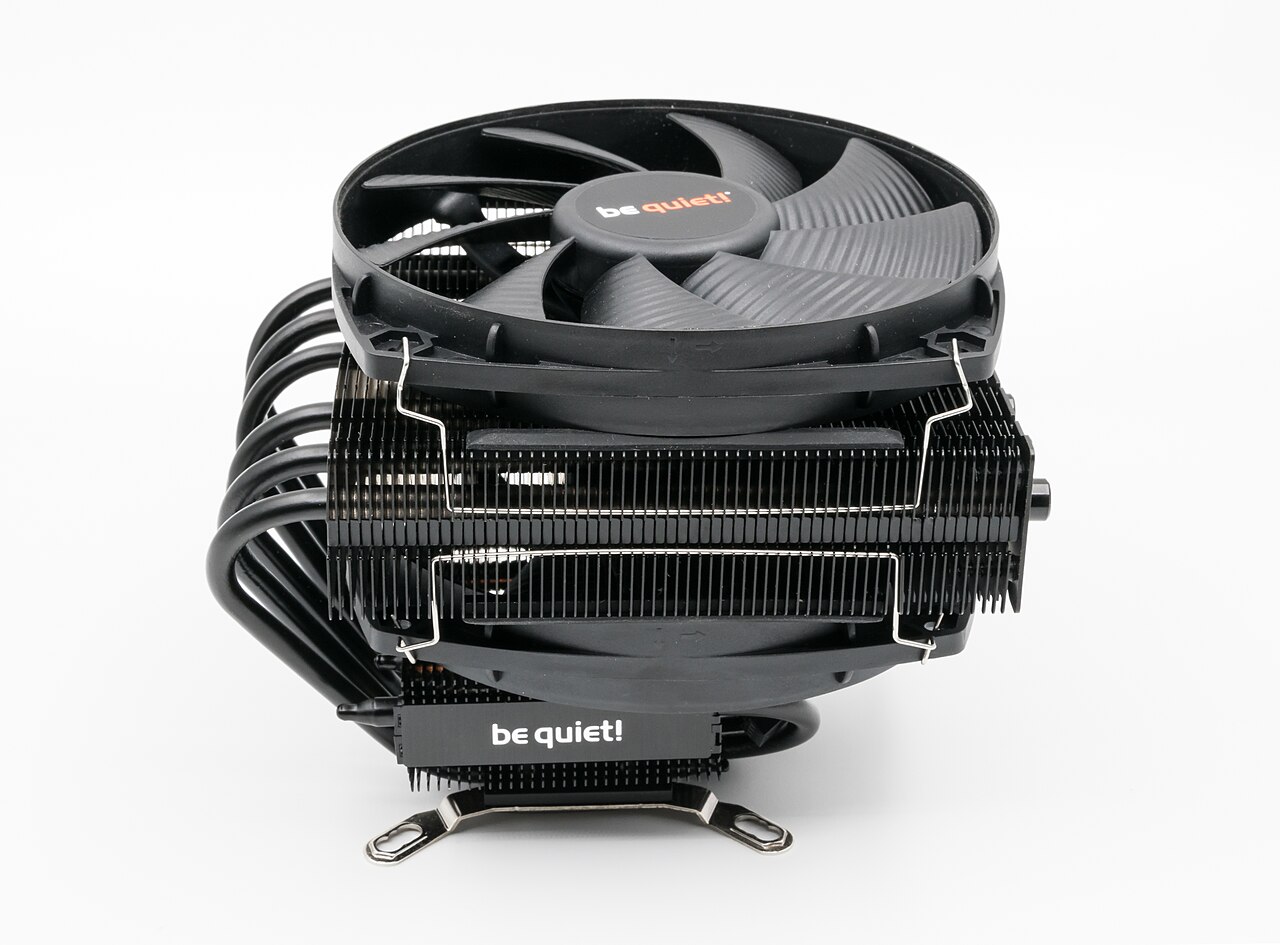
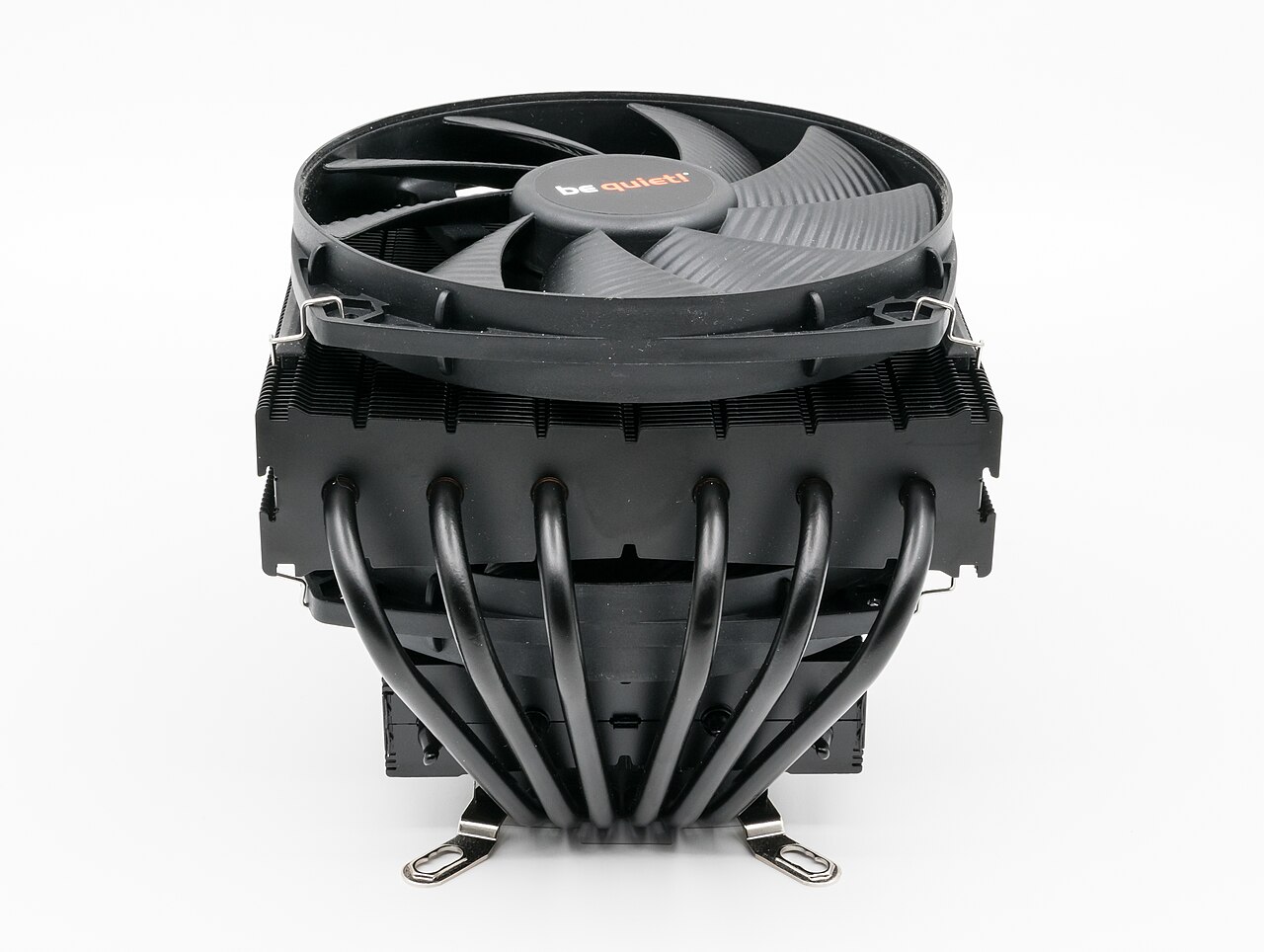
At the hardware level, a toolkit of thermal and mechanical strategies exists to suppress noise at its source. Large, efficient heat sinks and heat pipes—whose effective thermal conductivity far exceeds that of solid copper—allow components to shed heat without demanding high fan speeds. Fans with larger diameters and lower rotational speeds move the same volume of air more quietly, and selecting units with low bearing and motor noise further trims the audible signature. Thermostatically controlled variable-speed fans keep blades turning below maximum RPM during light workloads, reducing noise for the majority of operating time. On the storage side, replacing mechanical hard drives with solid-state drives, compact flash, or remote networked volumes over SMB or NFS eliminates vibration entirely. Damping materials like Sorbothane around spinning components, sound-insulating panels inside the case, and—where feasible—water cooling round out the engineering palette for builders pursuing near-silent operation.
The User's Toolkit for Quieter Operation
Owners need not open a wallet to gain meaningful silence. Undervolting a CPU—running it at reduced supply voltage while maintaining stock or even slightly overclocked clock speeds—cuts heat output dramatically, since power draw scales with the square of voltage. Enabling AMD's Cool'n'Quiet or Intel's SpeedStep (EIST) lets the processor idle at lower frequencies automatically. Fan speed can be dialed back via inline resistors, diodes, commercial controllers, software utilities like SpeedFan or Argus Monitor, or native PWM control exposed in the BIOS. Anti-vibration grommets or viscoelastic polymer mounts decouple hard drives from the chassis, while lowering a drive's AAM setting tames seek noise at the cost of a small performance penalty. Spinning down idle drives, defragmenting to shorten head travel, rerouting obstructive cables to improve airflow, and regularly clearing accumulated dust with a vacuum or compressed air all contribute. Each adjustment is modest alone, but together they can transform a noisy desk companion into a near-invisible presence.
Gallery

Frequently Asked Questions
What is Be quiet!?
Be quiet! is a German PC hardware brand, registered as a trademark in 2002, owned by Listan GmbH. It focuses on low-noise power supplies, CPU coolers, cases, and case fans aimed at European enthusiasts and gamers.
What products does Be quiet! actually make?
The lineup spans PSUs from 300 W up to 1600 W, CPU coolers, computer cases, and case fans. Every product line is built around the same goal of keeping a PC running quietly.
Where is Be quiet! headquartered and where does it operate?
Headquarters sit in Glinde, a suburb just outside Hamburg, Germany. The company also runs branches in Poland, China, and Taiwan, though Europe remains its primary market.
How dominant was Be quiet! in the German power-supply market?
GfK Group studies showed Be quiet! as the market leader for PC power supplies in Germany from 2006 through 2017. That is more than a decade of topping sales charts in its home country.
When did Be quiet! start selling PC cases?
The brand entered the case segment in 2014 with the Silent Base 800 mid-tower. That release marked its first step beyond coolers and PSUs into full system enclosures.
More in Computer Cooling and Sound Cards 1-24
Spotted an error? Know more?
Reader corrections go straight into our review queue. Suggest an edit · How this site is sourced