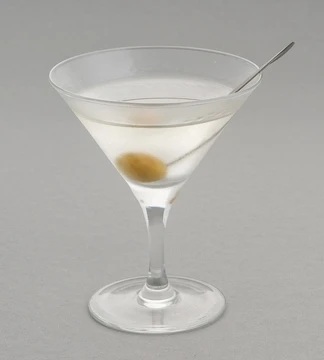
Blue Hawaii (cocktail)
Tropical cocktail invented in 1957 by Harry Yee.

Geoffreyrabbit · CC BY-SA 4.0
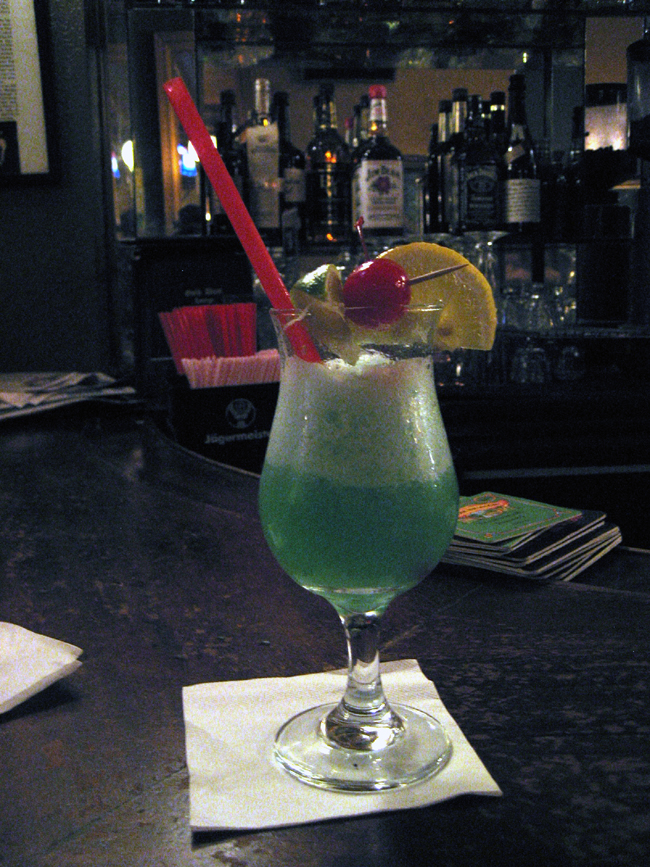
The Blue Hawaii is a tropical cocktail made of rum, pineapple juice, blue curaçao, sweet and sour mix, and sometimes vodka. It was invented in 1957 by Harry Yee, head bartender of the Hilton Hawaiian Village in Waikiki, Hawaii, at the request of a sales representative from Dutch distiller Bols who wanted a drink featuring their blue curaçao. The cocktail is often confused with the Blue Hawaiian, but Yee's original recipe does not use cream of coconut.
Quick Facts
- Ingredients
- 20 mL light rum / 20 mL vodka / 15 mL blue curaçao / 90 mL pineapple juice, unsweetened / 30 mL sour mix
- Served
- On the rocks: poured over ice
- Garnish
- pineapple or orange quarter slice, maraschino cherry
- Drinkware
- Hurricane glass
Facts from the source article.
Lore & Background
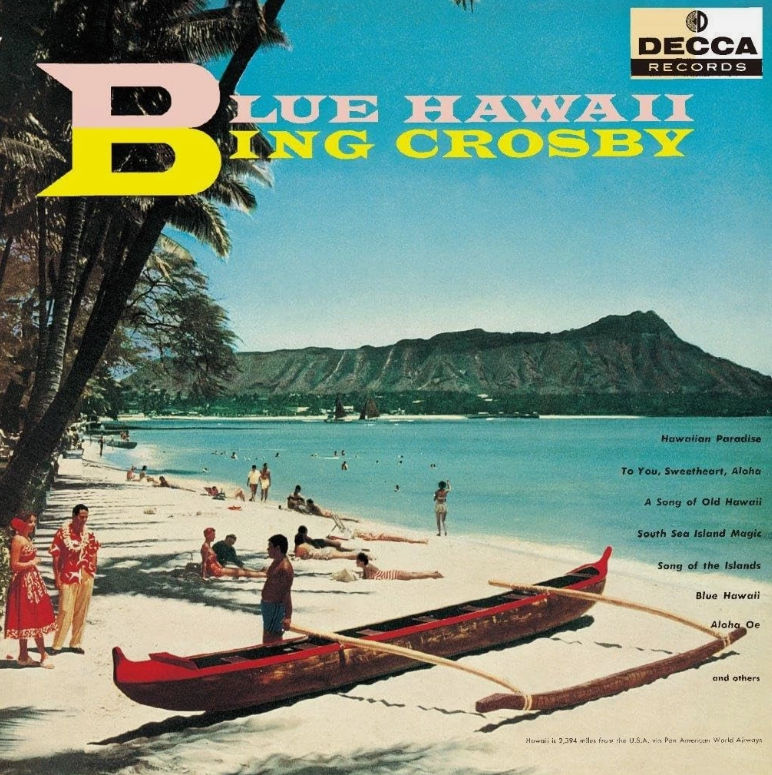
The Blue Hawaii was created in 1957 when a sales representative from Dutch distiller Bols asked Harry Yee, head bartender of the Hilton Hawaiian Village (then the Kaiser Hawaiian Village) in Waikiki, to design a drink featuring their blue curaçao. After several experiments, Yee settled on a version that differed from the most popular modern recipe but kept the signature blue color, pineapple wedge, and cocktail umbrella. The drink's name derives not directly from the 1961 Elvis Presley film, but from the film's title song, a hit composed by Leo Robin for the 1937 Bing Crosby film 'Waikiki Wedding'.
Reader's Guide
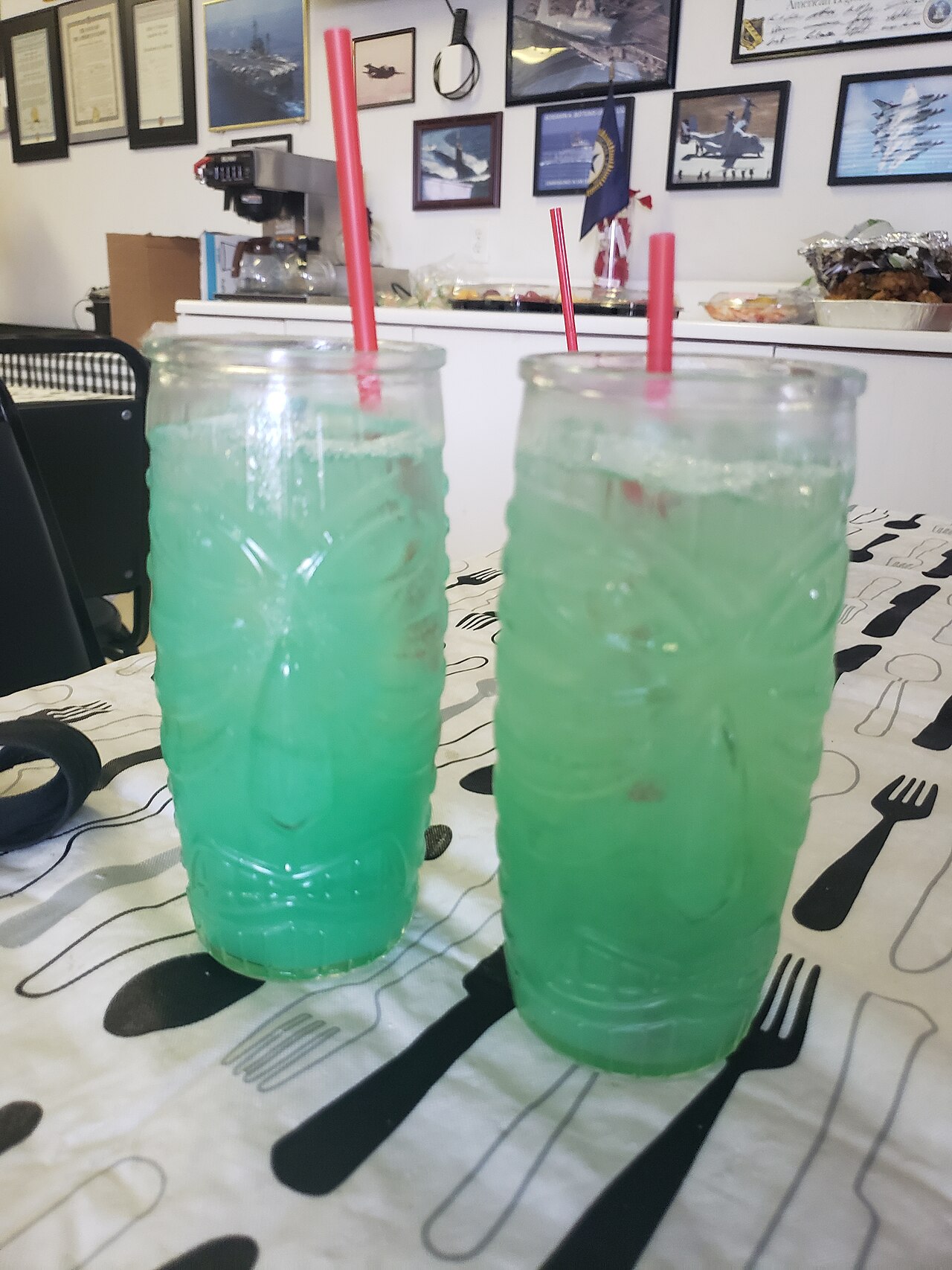
The Blue Hawaii is typically served on the rocks, though it is often blended with ice for a frozen version. Glassware varies widely, including tiki mugs, cocktail glasses, parfait glasses, or carved-out coconuts and pineapples. The base liquor is usually light rum, but vodka may be partially or completely substituted. The drink is frequently confused with the Blue Hawaiian, which uses cream of coconut; Yee's Blue Hawaii does not. Some venues omit pineapple in favor of sour mix, but the only constant is the name and blue curaçao. Because it is easy and inexpensive to make, it is often served as a punch, combining rum, blue curaçao, pineapple juice, and ice. The Blue Hawaii is considered a warm-weather drink and occasionally appears green due to the yellow pineapple juice mixing with the blue curaçao. Along with other tropical drinks invented by Yee and tiki bars like Trader Vic, it helped popularize a faux Hawaiian tiki culture in Hawaii and on the mainland during the pre-statehood era, when Hawaii was seen as a playground for the rich.
The Birth of a Signature Blue
In 1957, the head bartender at what was then the Kaiser Hawaiian Village in Waikiki—later renamed the Hilton Hawaiian Village—was approached by a sales representative from the Dutch distiller Bols. The rep had a straightforward request: design a drink that showcased their blue curaçao liqueur. That bartender, Harry Yee, took on the challenge and spent time experimenting with multiple variations before landing on a recipe that, while somewhat different from the version most people know today, locked in the elements that would become iconic. The drink carried its unmistakable blue hue, a garnish of pineapple wedge, and a cocktail umbrella. What began as a commercial demonstration for a single liqueur brand quickly outgrew that purpose, becoming a staple of tropical bar culture. Yee's creation joined a growing roster of tropical drinks he had invented, all contributing to a broader wave of tiki-inspired hospitality that was reshaping how Americans imagined Hawaii.
A Name Tied to Song, Not Cinema
The cocktail's name has a more literary and musical lineage than most people assume. While many associate "Blue Hawaii" with the 1961 Elvis Presley musical, the drink's title actually traces back to the song that became the film's title track—a composition originally written by Leo Robin for the 1937 Bing Crosby picture Waikiki Wedding. The connection to the Elvis movie is therefore only indirect, a matter of cultural association rather than direct naming. What is more significant is the broader cultural moment the drink captured. In the late 1950s, Hawaii was still a territory on the cusp of statehood, and mainland Americans largely viewed the islands as an exclusive resort destination for the wealthy. Yee's Blue Hawaii, alongside other tropical cocktails he devised, tiki bars like Trader Vic's, and the wave of Hawaiian-themed films and songs, helped cement a stylized, somewhat fictionalized image of island life. This faux Hawaiian tiki culture spread well beyond the archipelago, embedding itself in the American imagination of paradise.
Serving Styles and Seasonal Charm
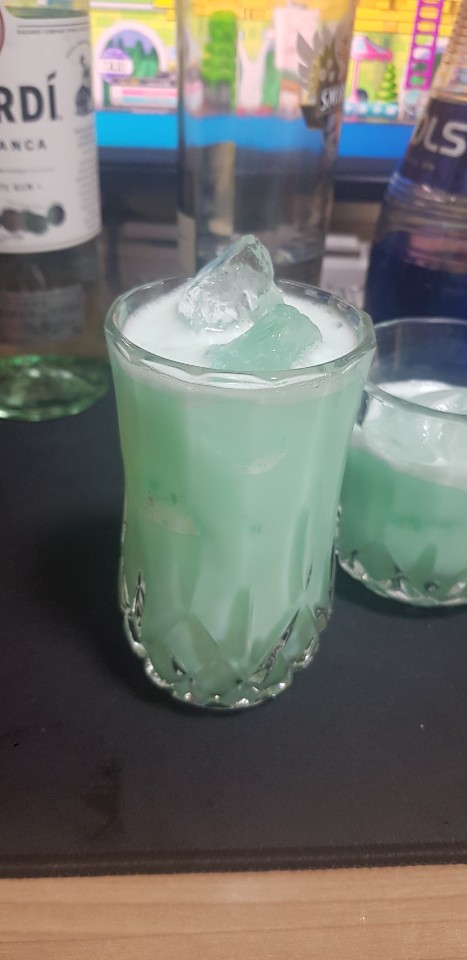
The Blue Hawaii is most classically presented on the rocks, though its adaptability means it appears in many forms. A popular alternative is blending it with ice to produce a thick, margarita-style frozen pour. The glassware chosen often matches the drink's playful spirit: tiki mugs, stemmed cocktail glasses, parfait glasses, or even hollowed-out coconuts and pineapples serve as vessels, with the general rule being that the more whimsical the container, the better. The base spirit is typically a light rum, though vodka can replace it entirely or in part depending on the drinker's preference. Because the recipe is straightforward and inexpensive—essentially rum, blue curaçao, pineapple juice, and ice—it lends itself naturally to punch-bowl service at gatherings. The drink is also strongly seasonal, most associated with warm-weather months. One quirk worth noting: the yellow of the pineapple juice can sometimes shift the final color from blue to a greenish hue, a harmless but occasionally surprising result.
Blue Hawaii vs. Blue Hawaiian: A Critical Distinction
One of the most persistent points of confusion in tropical cocktail culture is the difference between the Blue Hawaii and the Blue Hawaiian. Despite their near-identical names, they are fundamentally different drinks. The defining separation is coconut: Yee's original Blue Hawaii contains no coconut product whatsoever, while the Blue Hawaiian traditionally incorporates cream of coconut. In some Blue Hawaiian preparations, a coconut-flavored spirit such as Malibu rum can stand in for the crème de coco, or the coconut element may be dropped entirely. It is important to note that coconut milk, a distinctly different ingredient, should not be substituted. The Blue Hawaii, by contrast, relies on rum, pineapple juice, blue curaçao, and sweet-and-sour mix, with optional vodka. Some bars, however, will serve a version that swaps the pineapple for additional sour mix, which strays from the authentic recipe. In truth, the only elements that remain constant across all iterations are the name itself and the blue curaçao that gives the drink its signature color.
Gallery
Frequently Asked Questions
Who invented the Blue Hawaii cocktail?
Harry Yee, the head bartender at Waikiki's Hilton Hawaiian Village, created the drink in 1957. He was prompted to design it by a Bols sales rep who wanted a signature recipe built around their blue curaçao.
What goes into a classic Blue Hawaii?
The standard mix combines light rum, pineapple juice, blue curaçao, and sweet-and-sour syrup, though vodka is a common substitute for the rum. The result is a bright blue, tropical-tasting drink typically served over ice.
What's the difference between Blue Hawaii and Blue Hawaiian?
The two names are often used interchangeably, but they refer to distinct recipes. Harry Yee's original Blue Hawaii contains no cream of coconut, while the Blue Hawaiian version does.
Did the Blue Hawaii cocktail get its name from the Elvis movie?
No—the drink hit the bar in 1957, four years before Elvis Presley starred in the 1961 film of the same name. The shared tropical branding has simply led many people to link the two.
Where can you trace the Blue Hawaii's origins?
The cocktail was first poured at the Hilton Hawaiian Village in Waikiki, Hawaii, in 1957. It was designed as a showcase for Bols' blue curaçao in a setting that perfectly matched the drink's island-inspired identity.
More in Cocktails with vodka 1-24
Spotted an error? Know more?
Reader corrections go straight into our review queue. Suggest an edit · How this site is sourced