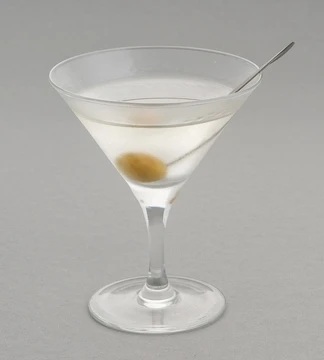
BLT cocktail
A cocktail blending bacon, lettuce, and tomato with vodka.

Jon Gilbert from San Francisco, USA · CC BY-SA 2.0
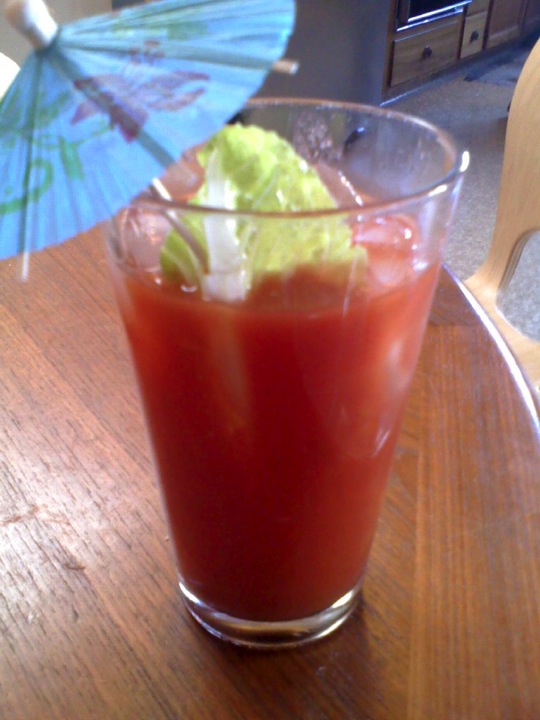
The BLT cocktail is a mixed drink that incorporates the flavors of a BLT sandwich—bacon, lettuce, and tomato—blended with vodka. It gained popularity in the United States in 2009 and has been served in various regions including Colorado, Florida, Maine, Massachusetts, Missouri, Oregon, and Virginia, as well as in Canada and the United Kingdom.
Quick Facts
- Ingredients
- Bacon / Lettuce or Liquor / Tomato / Vodka or Bacon vodka
- Served
- Straight up: chilled, without ice
- Garnish
- Bacon salt
Facts from the source article.
Lore & Background
In 2007, Frank Bruni, chief restaurant critic for The New York Times, favorably reviewed a BLT cocktail made by chef Gordon Ramsay. The Oregonian reported in July 2009 that at the Gilt Club in Oregon, mixologists coated the rim of the glass with salt combined with crushed bacon. A variety was invented in Aspen, Colorado and gained notice in August 2009, while a different version was invented in Alexandria, Virginia and popularized through coverage in the Associated Press in August 2009.
A 2010 report by the Omaha World-Herald noted that a version in Omaha, Nebraska substituted liquor for lettuce in the acronym 'BLT'. The Bulletin noted that a 2011 edition in Oregon used bacon vodka manufactured on site at The Blacksmith. In April 2012, The Sarasota Herald-Tribune reported a variety made by mixologist Paul Yeomans in Florida using bacon salt and tomato water, infused with cucumber vodka, which became a favorite at The Table Creekside in Sarasota.
Reader's Guide
The BLT cocktail represents a notable intersection of culinary and cocktail trends in the late 2000s and early 2010s, particularly the rise of savory, ingredient-driven drinks and the use of bacon in unexpected contexts. Its popularity was driven by coverage from major food critics and publications, including The New York Times, Associated Press, The Boston Globe, The Times of London, and The Globe and Mail. The drink's variations—using bacon vodka, bacon salt, cucumber vodka, or substituting liquor for lettuce—demonstrate its adaptability and the creativity of mixologists. The beverage also appeared in gastro art events and was featured by Woman's Day as one of 'the most outrageous drinks' in the United States. Its legacy lies in its role as a novelty that nonetheless garnered serious critical attention and inspired home experimentation, as noted by Sarah Boesveld in The Globe and Mail, who recommended bacon salt as a more accessible alternative to homemade bacon vodka.
Did You Know?
- Frank Bruni, chief restaurant critic for The New York Times, gave a favorable review in 2007 to a BLT cocktail made by chef Gordon Ramsay.
- An Associated Press review in 2009 described a BLT cocktail by mixologist Todd Thrasher as 'a drink full of mind-bending, taste bud-tingling turns'.
- The Food Network recommended additional ingredients including lemon juice, bourbon, Worcestershire sauce, and horseradish.
Serving Styles & Presentation
The cocktail known as The Orgasm offers bartenders and home mixers a flexible approach to how the drink is presented and consumed. Rather than being locked into a single format, it can be poured over ice and sipped slowly as a traditional mixed drink, or it can be carefully layered into a shot glass and consumed in one swift pull as a shooter. This dual-format nature makes it a versatile option for both leisurely evening gatherings and high-energy party settings where quick, potent drinks are the norm. The layered presentation also adds a visual element, as the different spirits and cream-based ingredients settle into distinct bands of color, making the drink as much a spectacle as a taste experience. Whether a patron prefers to watch the layers blend in their glass or simply wants a quick, creamy hit of flavor, the cocktail accommodates both preferences without requiring a change in the underlying recipe.
Recipe Variations & the B.A.C.K. Mnemonic
One of the most memorable aspects of this cocktail is the sheer number of competing recipes that circulate among bartenders and cocktail enthusiasts. The Bartending 101 reference book prescribes a straightforward formula of equal parts Amaretto, Kahlúa, and Baileys Irish Cream, keeping things simple with just three ingredients. Another well-known iteration relies on the catchy acronym B.A.C.K., standing for Baileys, Amaretto, half-and-half cream, and Kahlúa, with each component measured in a single equal portion. A third variation departs further, calling for one-third ounce each of Vodka, Amaretto, Triple Sec, and White Crème de Cacao, topped with a full ounce of light cream. This proliferation of versions means that no two bars will necessarily serve the same drink under the same name, making the cocktail a true test of a bartender's personal style and regional tradition.
The 'Screaming Orgasm' Variant
Among the many iterations of this popular mixed drink, the so-called screaming orgasm stands out as a particularly bold and specific recipe that has carved its own niche in bar culture. This version calls for precise metric measurements: two centiliters of Vodka, two centiliters of Kahlúa, two centiliters of Amaretto, and two centiliters of Baileys Irish Cream, all built upon a larger base of four centiliters of milk. The inclusion of Vodka adds a sharper, more neutral spirit backbone compared to versions that rely solely on liqueurs, while the generous pour of milk gives the drink a noticeably lighter, creamier body. The name itself suggests a drink meant to be consumed quickly and with enthusiasm, fitting the shooter-style service that the broader cocktail family often employs. For bartenders who want to distinguish their offering from the more common three-ingredient or B.A.C.K. recipes, the screaming variant provides a recognizable and slightly more complex alternative that still remains approachable for home preparation.
IBA Status & Institutional Legacy
The cocktail's relationship with the International Bartenders Association has undergone a significant shift that reflects broader changes in how the organization curates its official list. For a period, the drink held a place among the IBA's recognized cocktails, lending it a degree of institutional legitimacy and ensuring its presence in professional bartending competitions and training programs worldwide. However, since 2011, the cocktail has been removed from the IBA's official roster, meaning it no longer carries that particular stamp of approval for professional settings. This removal does not diminish its popularity in casual bars, home kitchens, or cocktail culture at large, where the drink continues to thrive under its various recipe iterations. The loss of IBA status may actually have liberated the cocktail from a single correct formulation, allowing the many regional and personal variations to flourish without the constraint of an official standard. Its enduring presence in bartending guides and bar menus speaks to a drink that has outlived its formal institutional home.
Gallery
Frequently Asked Questions
What is the BLT cocktail?
The BLT cocktail is a vodka-based mixed drink that translates the taste of a classic bacon-lettuce-tomato sandwich into a blended beverage. It layers smoky, crisp, and tangy notes over a vodka base.
When did the BLT cocktail start gaining popularity?
The drink first caught on in the United States around 2009. From there it spread to bars and restaurants in several American states, as well as to Canada and the United Kingdom.
What core flavors does the BLT cocktail feature?
The cocktail is built around three distinct tastes borrowed from a BLT sandwich: smoky bacon, fresh lettuce, and ripe tomato. All three are blended together with vodka as the base spirit.
In which regions is the BLT cocktail commonly served?
It has appeared on menus across Colorado, Florida, Maine, Massachusetts, Missouri, Oregon, and Virginia in the US. The drink has also been served in Canada and the United Kingdom.
What inspired the concept behind the BLT cocktail?
The idea comes straight from the well-known bacon-lettuce-tomato sandwich, with each ingredient's flavor reinterpreted in a liquid form. Rather than eating the sandwich, the cocktail captures its savory, fresh, and tangy profile in a single vodka-based pour.
More in Cocktails with vodka 1-24
Spotted an error? Know more?
Reader corrections go straight into our review queue. Suggest an edit · How this site is sourced