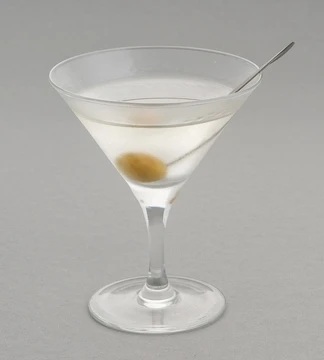
Aigua de València
A cocktail created in 1959 by Constante Gil in Valencia.

Pacopac · CC BY-SA 4.0
Aigua de València, also called Valencian Water, is a cocktail that blends cava or champagne with orange juice, vodka, and gin. It is typically served in pitchers of various sizes and poured into broad cocktail glasses. The drink was first made in 1959 by Constante Gil at the Café Madrid de Valencia in Valencia, Spain.
According to writer María Ángeles Arazo in her book *Valencia Noche*, the bar was a regular haunt for a group of Basque travelers who would order "Agua de Bilbao"—a nickname for the establishment’s finest cava. Eventually tiring of the same order, they challenged the owner to offer something new. Gil suggested they try "Agua de Valencia." They agreed, liked it, and continued ordering it on later visits.
For about a decade, the cocktail remained known only to a small circle of patrons. It wasn’t until the 1970s that it began to spread through Valencian nightlife, eventually becoming very popular. Gil left the bar in 2000 to focus on painting a series called *Tertulias de Café*, a tribute to his time there. He died of a heart attack on 7 June 2009 in Valencia.
- Created
- 1959
- Creator
- Constante Gil
- Place of origin
- Valencia, Spain
- Type
- cocktail
- Main ingredients
- cava or champagne, orange juice, vodka, gin
Lore & Background
According to writer María Ángeles Arazo in her book Valencia Noche, the bar Café Madrid de Valencia was frequented by a group of Basque travellers who used to order 'Agua de Bilbao' (Spanish: 'Water of Bilbao'), referring to the bar's best cava. Tired of always ordering the same thing, they challenged the owner to offer them something new, and he suggested they try the 'Agua de Valencia'. They agreed to try what Gil made, and liking it, they continued to drink it in later visits.
For a decade the drink was known only to a small group of clients, and it was not until the 1970s that it started to become known in the wider Valencian nightlife. Since then, it has grown to be a very popular drink.
Constante Gil left the bar in 2000, and dedicated himself to painting 'Tertulias de Café' (lit. 'social gatherings of the café'), an homage to his experiences there. Gil died of a heart attack on 7 June 2009 in Valencia.
Reader's Guide
The Aigua de València is significant as a regional cocktail that emerged from a specific social context in mid-20th-century Valencia. Its creation in 1959 by Constante Gil at the Café Madrid de Valencia was prompted by a group of Basque travellers seeking a new drink, leading to a combination of cava, orange juice, vodka, and gin. The drink remained obscure for about a decade, known only to a small circle of clients, before gaining wider popularity in the 1970s. Its legacy is tied to the bar's atmosphere and Gil's later artistic work, 'Tertulias de Café', which commemorated his experiences. The cocktail's enduring popularity in Valencian nightlife underscores its role as a cultural touchstone, though its spread beyond the region is not documented in the source. Gil's death in 2009 marked the end of an era for the drink's original creator, but the cocktail continues to be served in pitchers and broad cocktail glasses.
Did You Know?
- It was originally suggested to a group of Basque travellers who had been ordering 'Agua de Bilbao'.
- The drink remained known only to a small group of clients until the 1970s.
The Accidental Birth of a Classic
The story of Aigua de València begins not with a bartender's deliberate innovation but with a playful challenge. In 1959, at the Café Madrid bar in Valencia, Spain, a group of Basque travellers had developed a habit of ordering the establishment's finest cava under the nickname "Agua de Bilbao." Their repetition eventually wearied the bar's owner, Constante Gil, who proposed they try something entirely new. The travellers accepted his dare, and Gil mixed together cava or champagne, orange juice, vodka, and gin to produce what he called "Agua de Valencia." The Basque group took a sip, found it to their liking, and returned on subsequent visits to order the same concoction again. What started as a one-off experiment to satisfy a bored clientele became the seed of a drink that would eventually define a city's nightlife. The writer María Ángeles Arazo later documented this origin story in her book Valencia Noche, preserving the anecdote for future generations.
Composition and the Ritual of Sharing
Aigua de València is built on a straightforward yet balanced formula: a base of cava or champagne combined with orange juice, vodka, and gin. The drink is not typically served in individual portions but rather in pitchers of various sizes, encouraging communal consumption. Patrons drink from a broad cocktail glass, a choice that suits the drink's refreshing, citrus-forward character. The pitcher format transforms the cocktail from a solitary indulgence into a social ritual, something to be passed around a table among friends. This serving style reflects the drink's origins in a bar setting where groups gathered and shared experiences. The combination of sparkling wine with citrus and two spirits gives the cocktail a layered profile—effervescent, fruity, and gently boozy—making it approachable enough for a wide audience while still carrying the complexity of a properly mixed drink. Its simplicity of ingredients belies the fact that it was crafted as a deliberate response to a specific challenge, a detail that adds narrative depth to every pitcher poured.
From Obscurity to Valencian Icon
For an entire decade following its creation in 1959, Aigua de València remained a closely guarded secret known only to the small circle of regulars at Café Madrid. It was not a commercial product, not advertised, not written about in cocktail guides. Its existence was confined to the walls of that single bar and the memories of its loyal patrons. The turning point arrived in the 1970s, when the drink began to seep into the broader Valencian nightlife scene. Word of mouth carried it beyond the original bar, and it gradually established itself as a staple of the city's evening culture. From that point onward, its popularity grew steadily, transforming it from a local curiosity into a very popular drink that became synonymous with Valencia's social identity. The trajectory from a single bar's house special to a widely recognized regional cocktail illustrates how grassroots appeal, sustained over years, can outpace any marketing campaign and embed a drink into a city's cultural fabric.
The Painter Who Mixed Drinks
Constante Gil's relationship with Aigua de València extended well beyond the bar counter. After leaving Café Madrid in 2000, he channeled his years of bartending experience into a new creative pursuit: painting. His work, titled "Tertulias de Café" (translatable as "social gatherings of the café"), served as a visual homage to the conversations, friendships, and nightly rituals he had witnessed behind the bar for decades. The paintings captured the essence of the communal drinking culture that had given birth to the cocktail in the first place. Gil's life in Valencia came to a close on 7 June 2009, when he suffered a fatal heart attack in the very city where he had first shaken the ingredients that would become a regional icon. His dual legacy—as both the creator of a beloved drink and an artist who immortalized the social world surrounding it—ensures that his name remains attached to the story of Aigua de València long after the last pitcher is emptied.
Gallery
Frequently Asked Questions
What is Aigua de València?
Aigua de València, also known as Valencian Water, is a Spanish cocktail that mixes sparkling wine (cava or champagne) with orange juice, vodka, and gin. It is one of the more well-known mixed drinks to come out of the Valencia region.
Who created Aigua de València?
Constante Gil is credited with inventing the cocktail back in 1959. He was behind the bar at the Café Madrid de Valencia when the recipe first came together.
What are the main ingredients in Aigua de València?
The drink calls for cava or champagne, orange juice, vodka, and gin. Those four components form the entire base of the recipe.
Where and when did Aigua de València originate?
The cocktail was first prepared in 1959 at the Café Madrid de Valencia in Valencia, Spain. According to local lore, a group of Basque travelers who kept ordering the same cava eventually pushed the bar's owner to come up with something new.
How is Aigua de València typically served?
Rather than being shaken into individual glasses, the drink is mixed in pitchers of various sizes. It is then poured into wide, broad cocktail glasses for guests to enjoy.
More in Cocktails with vodka 1-24
Spotted an error? Know more?
Reader corrections go straight into our review queue. Suggest an edit · How this site is sourced