Chironex fleckeri
The most lethal jellyfish, with venom potent enough to kill 60 adults.

Brinkman DL, Aziz A, Loukas A, Potriquet J, Seymour J, Mulvenna J · CC BY-SA 3.0
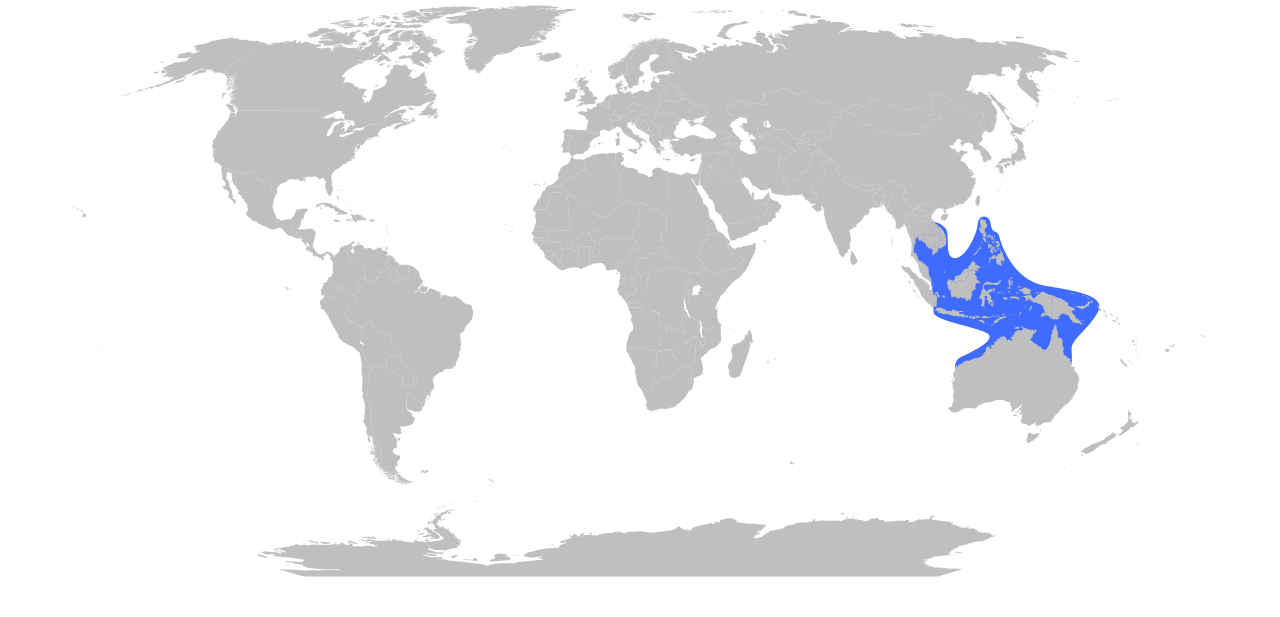
The Australian box jelly, also called the sea wasp, is a highly venomous box jellyfish. Its range includes coastal waters from northern Australia and Papua New Guinea north to Indonesia, East Timor, Cambodia, Malaysia, Singapore, the Philippines, and Vietnam. It is often called the most lethal jellyfish in the world, with at least 64 recorded deaths in Australia between 1884 and 2021. Its tentacles can reach 3 meters long and are covered with millions of stinging cells called cnidocytes. These cells fire microscopic darts that inject a very powerful venom. A sting typically causes unbearable pain, and if a large area is affected, an untreated person may die within two to five minutes. The venom from a single animal is said to be enough to kill 60 adults.
The species was named after Dr. Hugo Flecker, a toxicologist and radiologist from North Queensland. In January 1955, a five-year-old boy died after being stung in shallow water at Cardwell. Flecker found three types of jellyfish at the scene, including an unidentified box-shaped one with clusters of tentacles at each corner. He sent it to Dr. Ronald Southcott in Adelaide, who published a paper on December 29, 1955, naming it a new genus and species. The genus name *Chironex* combines the centaur Chiron (whose name may relate to the Greek word for "hand") with the Latin *nex* for "murder," so the name means "hand of death." This refers to the four appendages that look like hands. The species name *fleckeri* honors its discoverer.
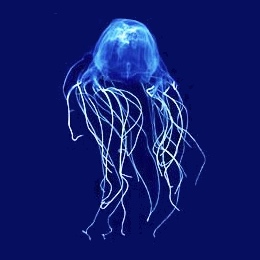
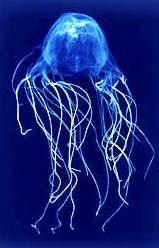
*Chironex fleckeri* is the largest of the box jellyfish. Its bell is usually about 16 cm across but can grow to 35 cm. From each of the bell's four corners hangs a cluster of 15 tentacles. The bell is pale blue with faint markings and, from certain angles, looks eerily like a human head or skull. Because it is nearly transparent, it is almost impossible to see in the water, making it a serious hazard for swimmers. When swimming, the tentacles contract to about 150 mm long and 5 mm wide; when hunting, they become thinner and extend to about 3 meters. The tentacles are packed with cnidocytes, which are triggered by pressure and chemical cues from proteins. Box jellyfish hunt during the day and rest on the ocean floor at night.
Like other box jellyfish, *C. fleckeri* has four clusters of eyes, totaling 24 eyes. Some of these eyes may be able to form images, but whether the jellyfish can recognize objects or track them is debated. It is also unknown how it processes information from touch and its light-detecting structures, since it lacks a central nervous system. The jellyfish is attracted to white, red, orange, yellow, green, and blue light. Blue light seems to trigger feeding behavior, slowing its pulsation and causing it to extend its tentacles. Black objects, however, make it move away. Its diet includes prawns, small fish, crabs, shrimp (mostly *Acetes sibogae australis*), and other pelagic invertebrates. Its only known predators are green sea turtles and leatherback turtles, whose thick skin resists the stinging cells.
The medusa stage is pelagic and has been found from Australia and New Guinea north to the Philippines, Malaysia, Singapore, and Vietnam. In Australia, it appears along the northern coast from Exmouth to Agnes Water, but its full range outside Australia is not well known. A closely related and also very venomous species, *Chironex yamaguchii*, was first described from Japan in 2009 and has also been recorded in the Philippines. Breeding occurs in lower river levels and mangrove channels.
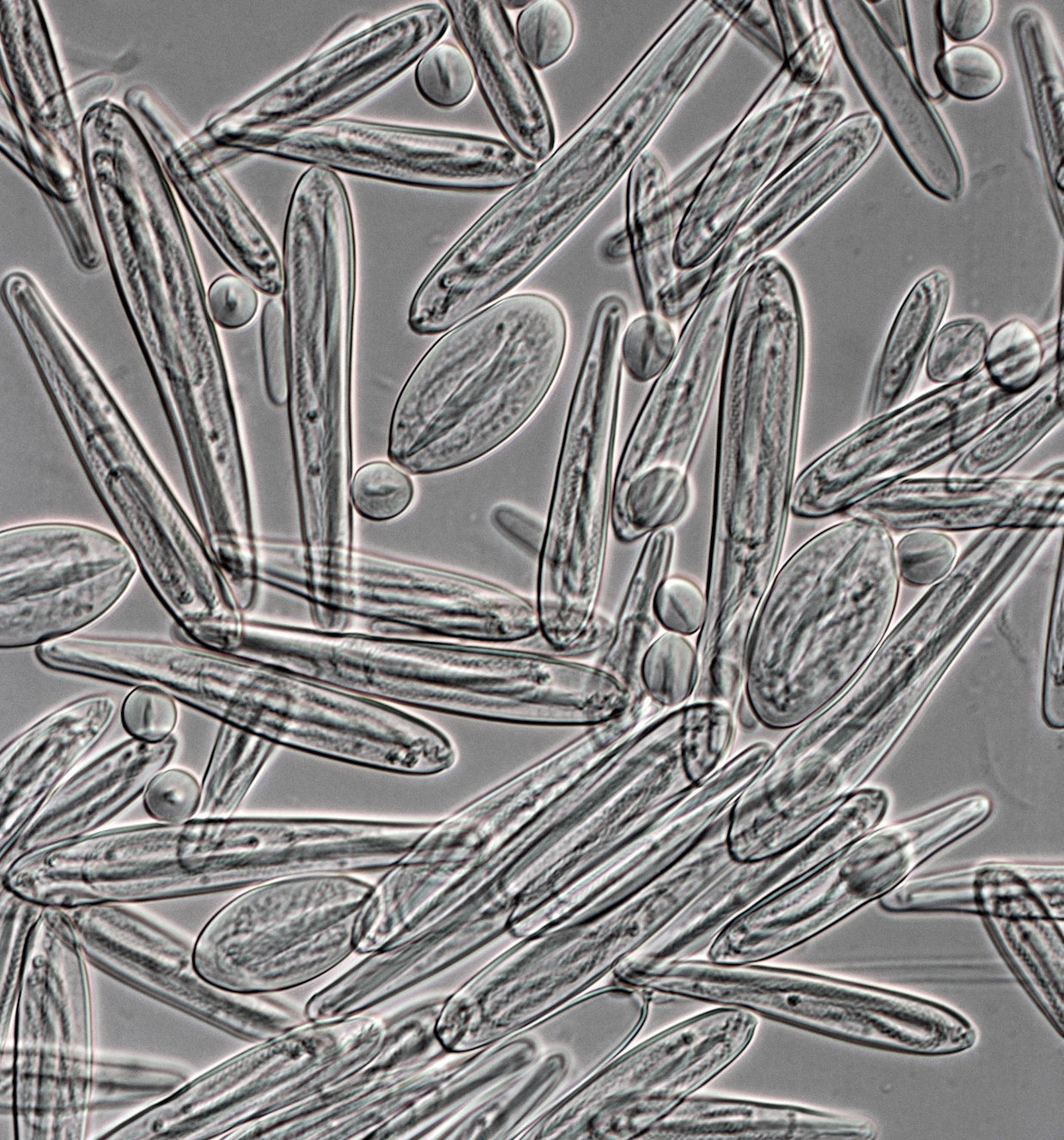
The sting of *C. fleckeri* is famous for its extreme power. It causes excruciating pain and an intense burning sensation, like being branded with a hot iron. Stings can produce white welts and lines, sometimes with blistering. In some cases, the sting can permanently damage or kill skin tissue and leave scars. Fatalities are most often caused by specimens larger than 15 cm. Without treatment, a large dose of venom can kill within five minutes. Many North American toxicologists recommend applying vinegar (acetic acid) to the sting for about 30 seconds. In Australia, at least 64 deaths have been linked to this species since 1883, but most encounters result in only mild envenomation. Out of 225 stings analyzed in Australia's Top End from 1991 to 2004, only 8% required hospital admission, 5% received antivenom, and there was one fatality (a three-year-old child). About 26% of victims experienced severe pain; the rest had moderate or no pain. Most recent deaths have been children, because their smaller bodies are more vulnerable to the venom. When a fatality occurs, it is usually from cardiac arrest within minutes. About 3 meters of tentacle is needed to deliver a lethal dose. The venom makes cells porous, allowing potassium to leak out and cause hyperkalemia, which can lead to cardiovascular collapse and death within two to five minutes. Its LD50 is 0.04 mg/kg.
- field
- Marine biology, toxicology
- known_for
- Most lethal jellyfish in the world; extremely venomous sting
- native_range
- Coastal waters from northern Australia to Southeast Asia
- discoverer
- Dr. Ronald Southcott (named after Dr. Hugo Flecker)
Lore & Background
Chironex fleckeri was named after North Queensland toxicologist and radiologist Doctor Hugo Flecker. One was an unidentified box-shaped jellyfish with groups of tentacles arising from each corner. Flecker sent it to Dr. He named it Chironex fleckeri: the genus name a compound of the centaur Chiron in Greek mythology and Latin nex meaning 'murder', and the specific epithet 'fleckeri' in honour of its discoverer. The name 'hand of death' refers to the deadly sting.
Reader's Guide
Chironex fleckeri is best known for its extremely powerful sting, which can produce excruciating pain accompanied by an intense burning sensation, like being branded with a red hot iron. Stings may result in white welts, blistering, permanent skin damage, and scars. Fatalities are most often caused by specimens larger than 15 cm, and if left untreated, large amounts of venom can cause death in 5 minutes. The venom causes cells to become porous, leading to hyperkalemia, cardiovascular collapse, and death. In Australia, C. Most deaths in recent decades have been children due to smaller body mass. Pressure immobilisation bandages are no longer recommended.
Did You Know?
- The amount of venom in one animal is said to be enough to kill 60 adult humans.
- Its tentacles can extend up to 3 m (10 ft) long and are covered with millions of stinging cells.
The Discovery and the Name
The tragedy prompted local toxicologist and radiologist Hugo Flecker to examine the area, where he collected three distinct jellyfish specimens. One of them was an unfamiliar box-shaped creature bearing clusters of tentacles at each of its four corners. Flecker forwarded this specimen to Dr. Southcott chose the genus name Chironex, fusing the Greek mythological centaur Chiron—whose name likely traces back to the ancient Greek word for "hand"—with the Latin word for murder. The specific epithet fleckeri honored the man who first brought the animal to scientific attention. Together, the name evokes the image of a "hand of death," a fitting reference to the four trailing appendages that give the creature its most recognizable silhouette.
A Nearly Invisible Predator
As the largest member of the box jellyfish group, C. fleckeri presents a deceptively delicate appearance. Its pale blue bell, typically around sixteen centimetres across but capable of reaching thirty-five, carries faint markings that from certain angles evoke the unsettling shape of a human skull. Because the animal is almost entirely transparent, it is extraordinarily difficult for swimmers to spot. From each of the bell's four corners hangs a bundle of fifteen tentacles. While cruising, these measure roughly a hundred and fifty millimetres in length; when the jellyfish shifts into hunting mode, they thin out and extend to nearly three metres. The tentacles are densely packed with stinging cells that fire in response to both pressure and protein-based chemical cues. The creature hunts by day and rests on the seafloor at night. It possesses four clusters of eyes totalling twenty-four, some apparently capable of forming images, yet it lacks a central nervous system. Blue light triggers a feeding response, slowing its pulsation and prompting it to unfurl its tentacles, while dark objects send it retreating. Its menu includes prawns, small fish, crabs, and pelagic invertebrates, and its only known predators are green and leatherback sea turtles, whose thick hides resist the stinging cells.
The Sting and Its Aftermath
The venom delivered by C. fleckeri is among the most potent in the animal kingdom. A single specimen reportedly carries enough toxin to kill sixty adult humans, and roughly three metres of tentacle contact is sufficient to deliver a lethal dose. Victims describe the initial pain as excruciating, likening it to being branded with a red-hot iron, often accompanied by white welts, blistering, and in severe cases, permanent scarring. The venom works by making cell membranes porous, allowing potassium to flood out and trigger hyperkalemia, which can collapse the cardiovascular system within two to five minutes. The LD50 is an extraordinarily low 0.04 mg per kilogram. North American toxicologists recommend flushing the wound with vinegar for about thirty seconds. Survivors may also face a delayed, intensely itchy rash persisting for weeks.
Range and Ecological Role
C. fleckeri is a pelagic species whose range stretches across the coastal waters of northern Australia, Papua New Guinea, and extends northward through Indonesia, East Timor, Cambodia, Malaysia, Singapore, the Philippines, and Vietnam. Within Australian waters, it has been documented along the northern coastline from Exmouth in the west to Agnes Water in the east, though its full distribution beyond Australia remains incompletely mapped. Breeding takes place in the lower reaches of rivers and within mangrove channels, linking the jellyfish's life cycle to both marine and estuarine environments. In the food web, C. fleckeri occupies a unique position: it feeds on prawns, small fish, crabs, and other pelagic invertebrates, yet it has only two well-documented predators—green sea turtles and leatherback turtles—whose thick, leathery skin renders them impervious to the cnidocytes that devastate virtually every other animal they encounter.
Gallery
Frequently Asked Questions
Who is Chironex fleckeri?
Chironex fleckeri is the scientific name for the Australian box jellyfish, a small but extraordinarily dangerous cnidarian also nicknamed the 'sea wasp.' It belongs to the family Cubozoidae and is widely regarded as the most lethal jellyfish species on Earth.
What makes Chironex fleckeri's sting so deadly?
Its tentacles can stretch up to three metres and are densely packed with millions of cnidocytes that inject a combined neurotoxic and cardiotoxic venom. That venom is potent enough to trigger cardiac arrest in an untreated adult within minutes, making it one of the fastest-acting marine toxins known.
Where can you find Chironex fleckeri in the wild?
It inhabits warm coastal and estuarine waters stretching from northern Australia and Papua New Guinea across to Indonesia, East Timor, Cambodia, Malaysia, Singapore, the Philippines, and Vietnam. It favours shallow, sheltered bays and river mouths, especially during its peak season.
More in Cnidarians 1-18
Spotted an error? Know more?
This is a living reference — every entry is fact-audited, and reader corrections feed straight into our audit queue. Suggest an edit · See this site's audit record