W. C. Fields
The Eccentric Juggler who became a comedy legend.
Last updated

via Wikipedia: W. C. Fields · see source
W. C. Fields was born William Claude Dukenfield on January 29, 1880, in Darby, Pennsylvania, and died on December 25, 1946. He worked as an actor, comedian, juggler, and writer. His show-business start came in vaudeville, where he gained worldwide fame as a silent juggler.
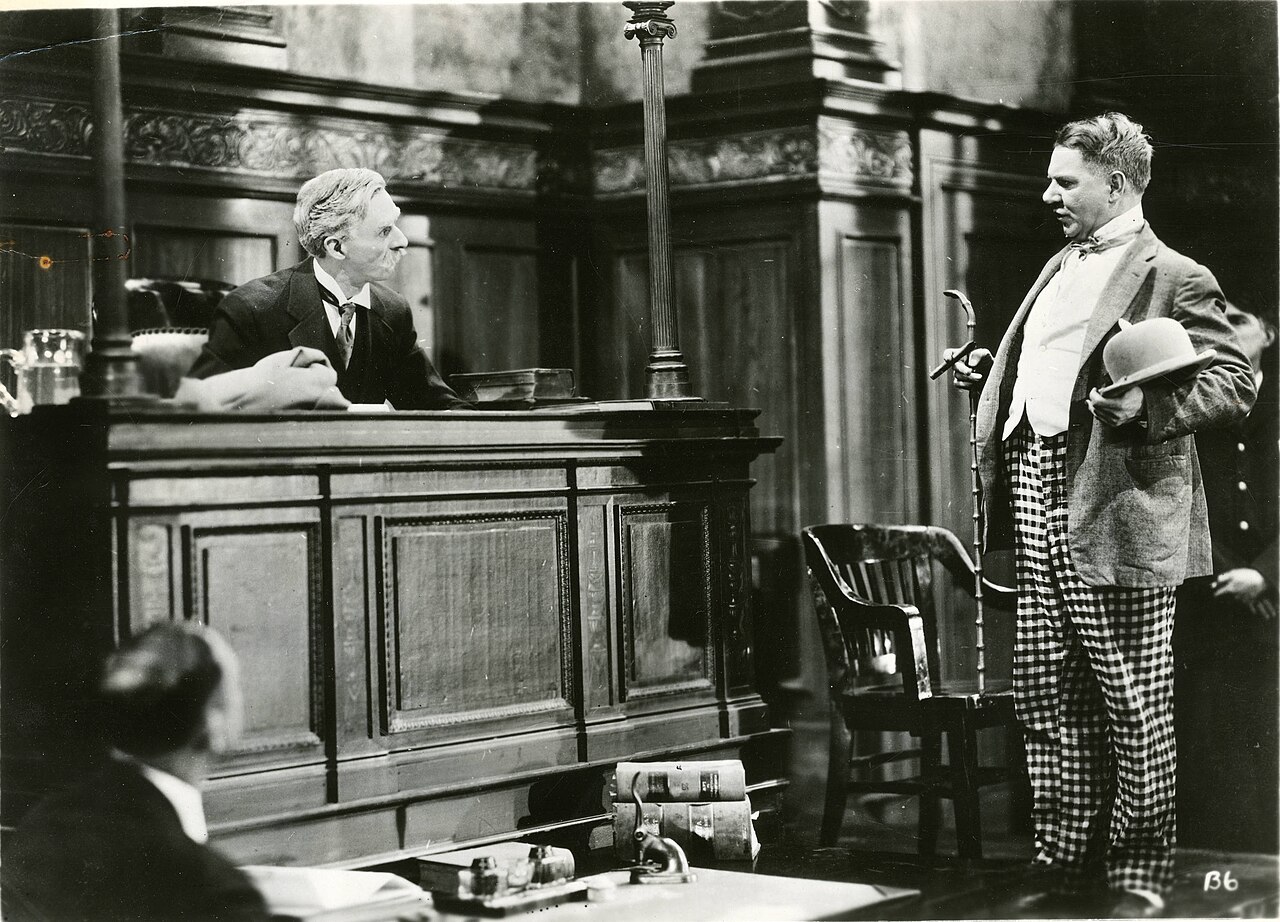
He later added comedy to his act and spent several years as a featured comedian in the Ziegfeld Follies. His big break came in the 1923 Broadway musical Poppy, where he portrayed a flashy small-time con man. After that, his stage and film roles usually cast him as similar rogues or put-upon everymen.
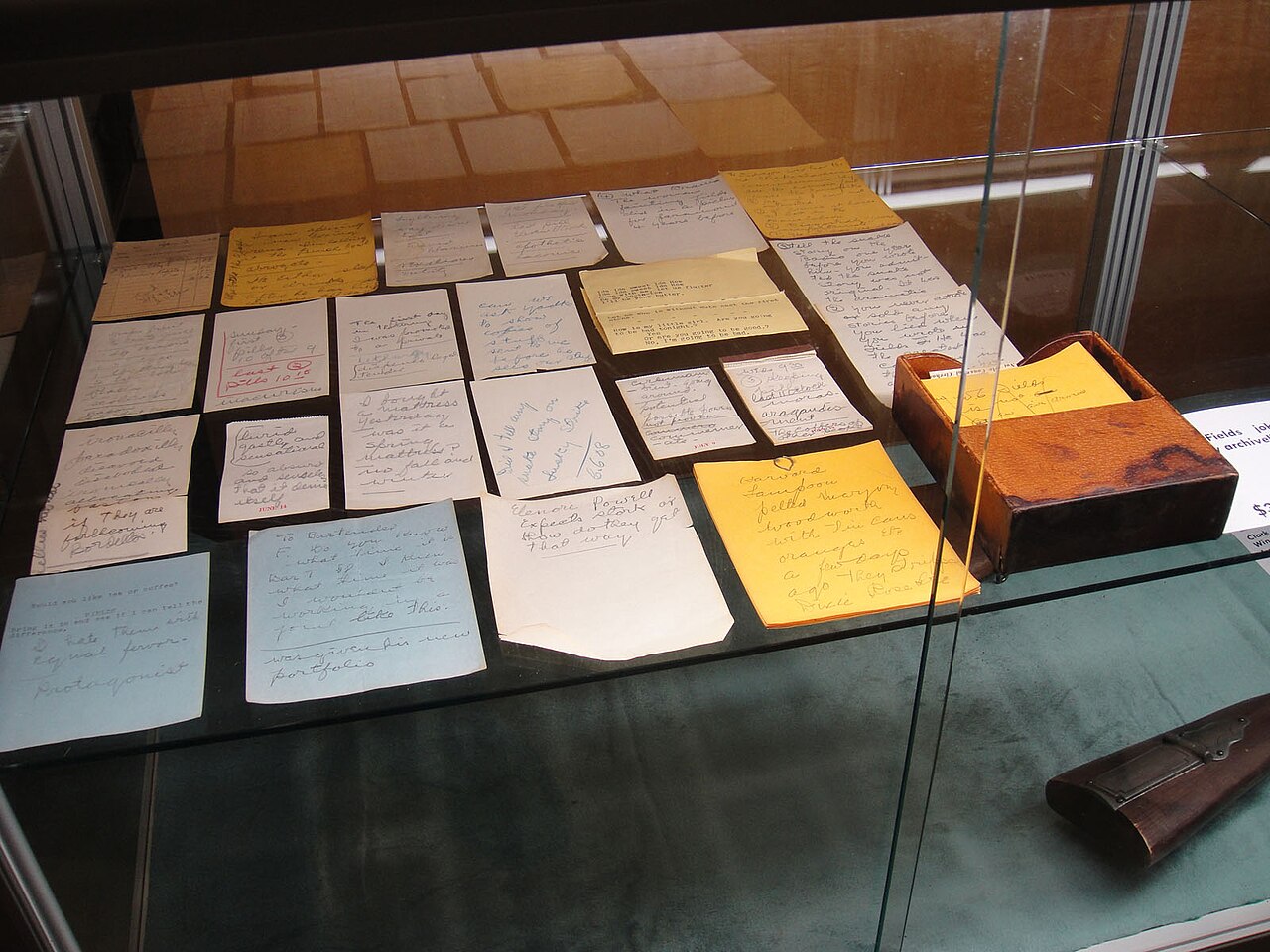
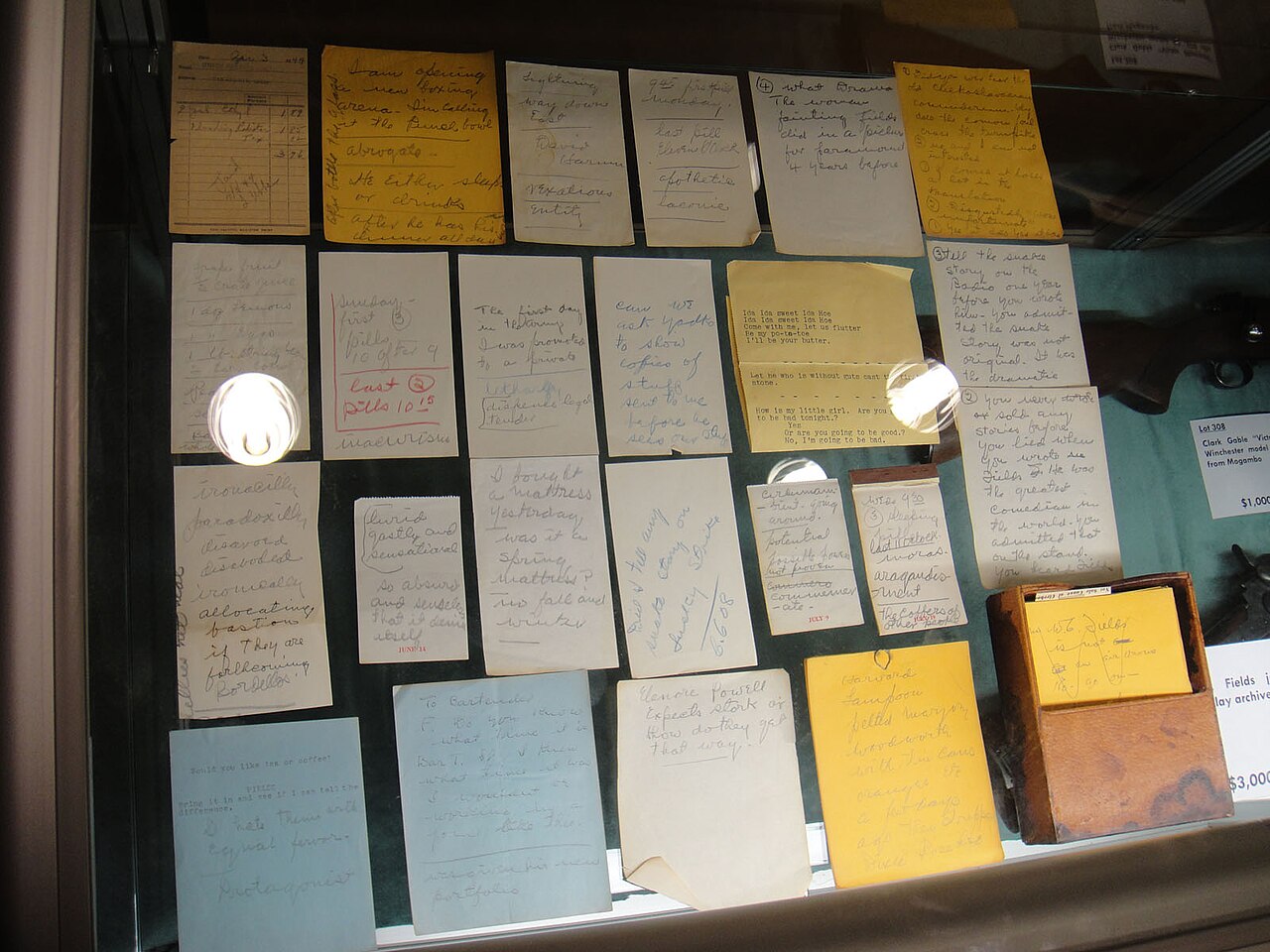
Fields was known for his physical comedy, raspy drawl, large nose, and fancy vocabulary. The persona he used in films and on radio was widely seen as the real Fields. Studio publicity departments at Paramount and Universal promoted this image, and Robert Lewis Taylor’s 1949 biography W. C. Fields, His Follies and Fortunes reinforced it. Starting in 1973, when his grandson Ronald Fields published W. C. Fields by Himself—a collection of Fields’s letters, photos, and personal notes—it became clear that Fields had been married (though estranged from his wife), financially supported his son, and loved his grandchildren.
Early years
Fields grew up as the oldest child in a working-class family. His father, James Lydon Dukenfield, came from an English family that left Sheffield, Yorkshire, in 1854. James served in the 72nd Pennsylvania Infantry during the Civil War and was wounded in 1863.
His mother, Kate Spangler Felton, was a Protestant of British ancestry. The 1876 Philadelphia City Directory lists James as a clerk; after marrying, he worked as an independent produce merchant and part-time hotel-keeper. Young Claude—as his family called him—had a rocky relationship with his short-tempered father. He ran away from home repeatedly, starting at age nine, often staying with his grandmother or an uncle.

His schooling was spotty and ended after grade school. At twelve, he worked alongside his father selling produce from a wagon until a fight sent him running away again. In 1893, he briefly worked at the Strawbridge and Clothier department store and in an oyster house.
Fields later exaggerated his childhood, painting himself as a runaway nicknamed Whitey who survived by his wits on Philadelphia streets from an early age, though his home life was probably fairly happy. He discovered a talent for juggling, and after seeing a performance at a local theater, he spent a lot of time perfecting it.
At seventeen, he lived with his family and performed a juggling act at church and theater shows. In 1904, while performing in English music halls, his father visited him for two months. Fields helped his father retire, bought him a summer home, and encouraged his parents and siblings to learn to read and write so they could write to him.
Entry into vaudeville
Inspired by James Edward Harrigan, the “Original Tramp Juggler,” Fields adopted a similar look—scruffy beard and shabby tuxedo—and entered vaudeville as a genteel “tramp juggler” in 1898, using the name W. C. Fields. His family supported his stage ambitions and saw him off on his first tour. To hide a stutter, he didn’t speak onstage. In 1900, to stand out from the many tramp acts, he changed his costume and makeup and toured as “The Eccentric Juggler.” His juggling act appears in some of his films, especially the 1934 comedy The Old Fashioned Way.
Fields’s first biographer, Robert Lewis Taylor, described a series of dishonest managers who took advantage of Fields in his teens, making him more cautious, vigilant, and cynical about show business. Fields joined the Irwin Bros. Burlesquers, a touring variety troupe run by Fred Irwin.
Fields was relieved to find Irwin reputable and respected. A quote from the Cincinnati Enquirer in August 1899 contains the earliest known mention of “W. C. Fields” as an entertainer; the nineteen-year-old juggler was listed fifth among eight acts. The earliest surviving review of his act, from September 1899, now lists him first: “The prominent features of [Irwin’s] bill are the finished work of W. C. Fields, the tramp juggler...” The Pittsburgh Commercial Gazette noted that Fields was the drawing card, with an ideal tramp makeup and juggling of rubber balls, hats, boxes, and other items while the orchestra kept time.
Fields left Irwin’s group in May 1900 and started a solo career as a vaudeville headliner, calling himself “the world’s greatest juggler.” By June, he was starring at New York’s prestigious Koster & Bial’s Music Hall. He had stopped using Claude and now answered to Bill.
He remained a headliner in North America and Europe, touring Australia and South Africa in 1903. When performing for English-speaking audiences, he found he could get more laughs by adding muttered patter and sarcastic asides. According to performer W. Buchanan-Taylor, who saw Fields in an English music hall, Fields would “reprimand a particular ball” during his act.
Lore & Background
Fields was born William Claude Dukenfield in Darby, Pennsylvania, the oldest child of a working-class family. He had a volatile relationship with his short-tempered father and ran away from home repeatedly, beginning at the age of nine. His education was sporadic and did not progress beyond grade school. At age 12 he worked with his father, selling produce from a wagon, until the two had a fight that resulted in Fields running away once again.
In 1893, he worked briefly at the Strawbridge and Clothier department store, and in an oyster house. Fields later embellished stories of his childhood, depicting himself as a runaway kid nicknamed Whitey, who lived by his wits on the streets of Philadelphia from an early age, but his home life is believed to have been reasonably happy. He had already discovered in himself a facility for juggling, and a performance he witnessed at a local theater inspired him to dedicate substantial time to perfecting his juggling. At age 17, he was living with his family and performing a juggling act at church and theater shows.
From Silent Juggler to Stage Star
Fields's professional journey traced a clear arc from physical spectacle to verbal comedy. He first made his mark in vaudeville as a silent juggler who achieved international recognition, touring North America, Europe, Australia, and South Africa. Over time he wove humor into his routines, adding muttered patter and sarcastic asides that drew bigger laughs from English-speaking audiences. This evolution carried him into the Ziegfeld Follies, where he served as a featured comedian for several years.
In 1923, he became a star in the Broadway musical comedy Poppy, portraying a colorful small-time con man. That character type—scoundrel or henpecked everyman—anchored much of his subsequent stage and film work. His recognizable trademarks included physical comedy, a raspy drawl, a large nose, and a grandiloquent vocabulary. The persona he projected on screen and radio was carefully sustained by the publicity departments at Paramount and Universal, and later cemented in the public imagination by Robert Lewis Taylor's 1949 biography.
A Working-Class Boyhood in Darby
William Claude Dukenfield entered the world on January 29, 1880, in Darby, Pennsylvania, as the eldest child of a working-class household. His father, James Lydon Dukenfield, was the son of English emigrants from Sheffield, Yorkshire, and had served in the 72nd Pennsylvania Infantry during the Civil War, sustaining a wound in 1863. After marrying, James worked as a produce merchant and part-time hotel-keeper. Claude's relationship with his short-tempered father was volatile; the boy ran away from home repeatedly starting at age nine, often seeking refuge with his grandmother or an uncle.
His schooling never progressed beyond grade school. At twelve he sold produce from a wagon alongside his father, until a quarrel sent him off the road once more. Despite these tensions, his home life is believed to have been reasonably happy. He discovered a natural aptitude for juggling after witnessing a local theater performance, and by seventeen he was performing at church and theater shows while still living with his family.
The Birth of the W. C. Fields Persona
In 1898, inspired by the success of James Edward Harrigan, known as the Original Tramp Juggler, the young Claude Dukenfield adopted a scruffy beard and shabby tuxedo and stepped onto the vaudeville circuit under the name W. C. Fields. His family, supportive of his stage ambitions, saw him off on the train for his first tour. To mask a stutter, he performed in complete silence.
By 1900, seeking to set himself apart from the flood of similar tramp acts, he overhauled his costume and makeup, rebranding as The Eccentric Juggler. His big break came with the Irwin Bros. Burlesquers, a reputable touring troupe. An August 1899 quote in the Cincinnati Enquirer contains the earliest known reference to W. C. Fields as an entertainer, listing the nineteen-year-old fifth among eight acts.
Within weeks, a September 1899 review placed him first on the bill, praising his finished work. The Pittsburgh Commercial Gazette called him the drawing card, noting his unique juggling of rubber balls, hats, and boxes in time with the orchestra. By June 1900 he was headlining at Koster and Bial's Music Hall in New York, billing himself as the world's greatest juggler.
The Man Behind the Myth
For decades, the public knew W. C. Fields only as the gruff, solitary scoundrel crafted by studio publicity departments at Paramount and Universal. Robert Lewis Taylor's 1949 biography further locked that image in place. Yet beginning in 1973, when grandson Ronald Fields published W. C. Fields by Himself—a collection of the entertainer's letters, photographs, and personal notes—a more human portrait emerged. The documents revealed that Fields had been married, though he and his wife later became estranged.
He financially supported their son and genuinely loved his grandchildren. This private life stood in stark contrast to the public character he projected. Even his own recollections of childhood were embellished; he painted himself as a streetwise runaway nicknamed Whitey surviving on the streets of Philadelphia, when in reality his home life appears to have been reasonably stable. The gap between the myth and the man—between the grandiloquent vocabulary and the raspy drawl, between the stage persona and the young juggler who bought his father a summer home and encouraged his siblings to learn to read and write—remains one of the most fascinating biographical puzzles in American entertainment history.
Reader's Guide
Among Fields's trademarks were his physical comedy, raspy drawl, large nose, and grandiloquent vocabulary. His film and radio persona was generally identified with Fields himself. It was maintained by the publicity departments at Fields's studios (Paramount and Universal) and was further reinforced by Robert Lewis Taylor's 1949 biography W. C. Fields, His Follies and Fortunes. Beginning in 1973, with the publication of Fields's letters, photos, and personal notes in grandson Ronald Fields's book W. C. Fields by Himself, it was shown that Fields was married (and subsequently estranged from his wife), financially supported their son and loved his grandchildren.
Also in the Codexery
More in Clowning & Physical Comedy
Sources
Compiled from Wikipedia and the sources listed below. Text from Wikipedia is available under CC BY-SA 4.0; this entry is adapted from it.
- Wikipedia: W. C. Fields (CC BY-SA 4.0).
Spotted an error? Know more?
Reader corrections go straight into our review queue. Suggest an edit · How this site is sourced