Mack Sennett
Canadian-American film pioneer who originated slapstick routines.
Last updated

via Wikipedia: Slapstick · see source
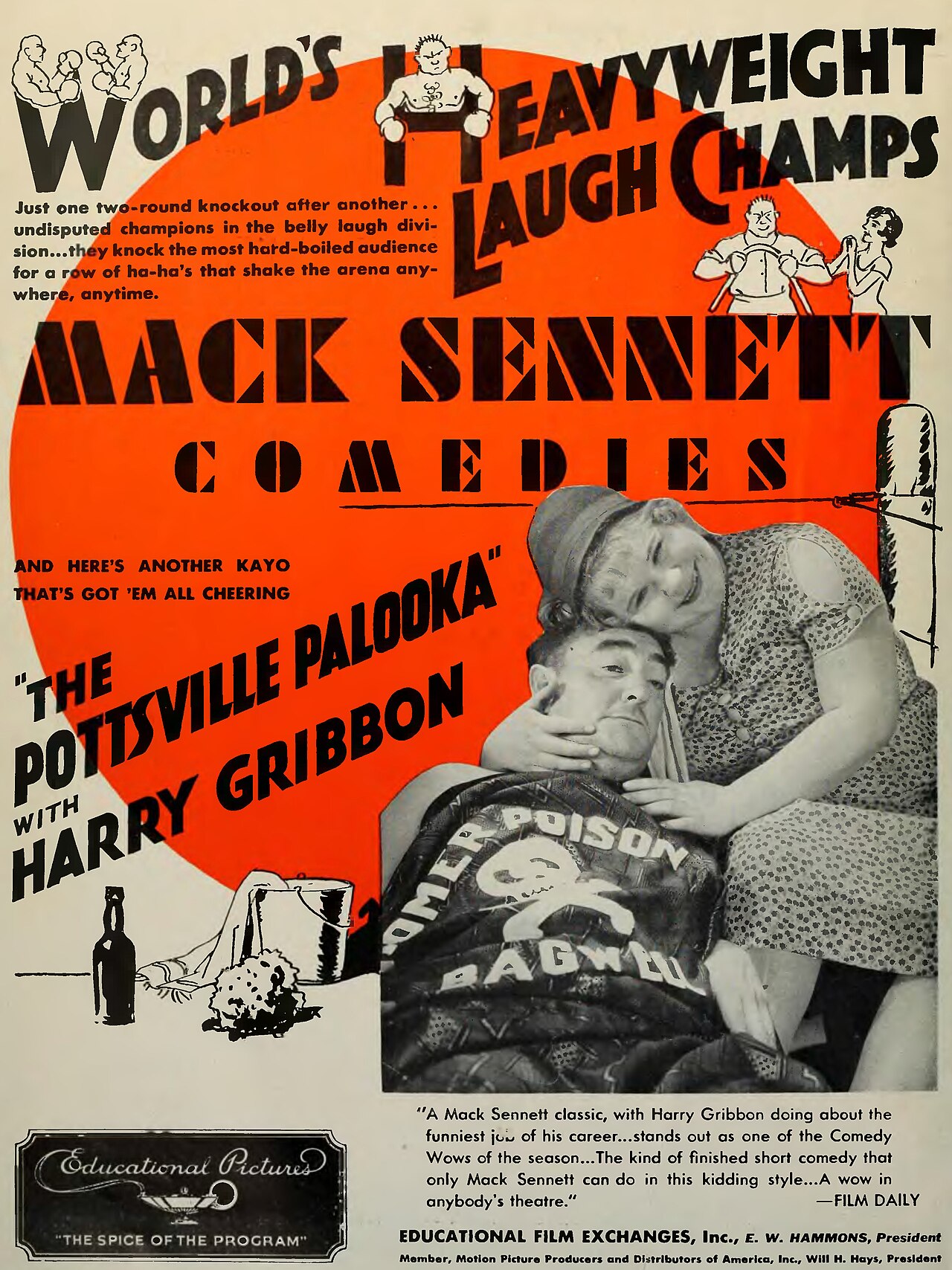
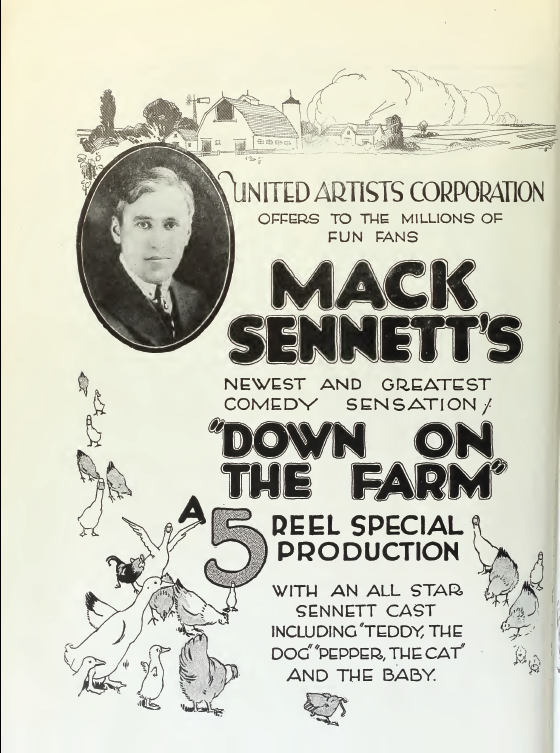
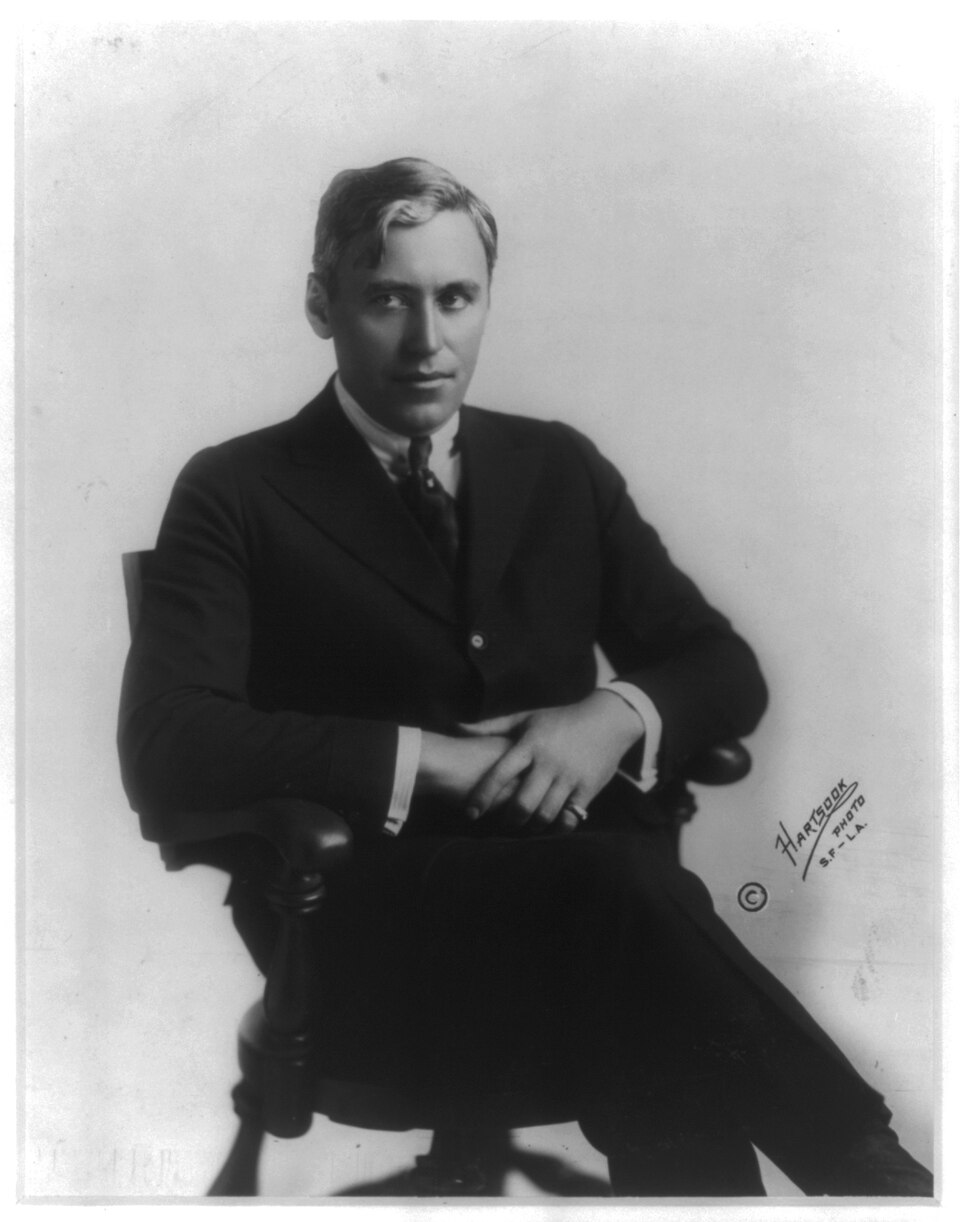
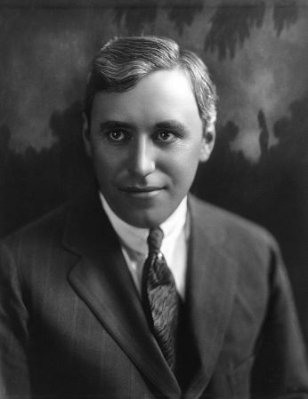
Mack Sennett was a Canadian-American film producer, director, actor, and studio head.
Last updated 2026-09-28 from the source article.
Lore & Background
Mack Sennett's significance lies in his foundational role in early film comedy. As the originator of slapstick routines like pie-throwing and car-chases, he established visual gags that became staples of the genre. Sennett's later career was marked by financial difficulties and an inability to fully adapt to sound films, as his outmoded techniques made his early-1930s work seem dated. The academy described him as a 'master of fun, discoverer of stars, sympathetic, kindly, understanding comedy genius'.
Did You Know?
- Sennett's first female comedian was Mabel Normand, who became a major star and with whom he had a tumultuous romantic relationship.
- Film historian Richard Koszarski noted that while Sennett's place in screen comedy is secure, he was not a developer of individual talents; comedians like Chaplin and Lloyd developed their styles only in spite of Sennett.
A Roster of Comedy Legends
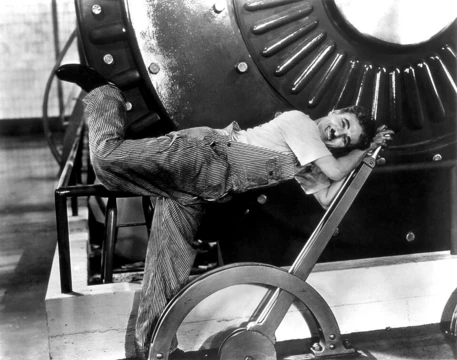
The black-and-white slapstick films associated with Mack Sennett during the golden era featured a remarkable constellation of performers who would go on to define physical comedy for successive generations. Among the notables connected to this body of work were Charlie Chaplin, whose fifteen-year music hall career under Fred Karno had already sharpened his pantomimicry before he carried it to the screen; Mabel Normand; the pairing of Abbott and Costello; the legendary duo of Laurel and Hardy, both of whom had first performed as young comedians in Karno's London Comedians; the Three Stooges; and Larry Semon.
This was not a single-star vehicle but rather a collaborative ecosystem in which multiple comedic voices could flourish simultaneously. The sheer breadth of talent suggests a production environment that prized variety of physical style, from Chaplin's refined, pantomimic gestures to the broader, more chaotic energy of the Stooges. Sennett's role as the directorial anchor of this ensemble placed him at the heart of a creative community whose influence radiated far beyond the silent era into animation, television, and global comedy culture.
Frequently Asked Questions
What slapstick routines did Mack Sennett originate?
Sennett is credited with turning pie-throwing and high-speed car chases into repeatable, filmable gags. These routines became the signature set-pieces of the Keystone Cops shorts he produced.
What is Mack Sennett's connection to Keystone Studios?
Sennett founded Keystone Studios, which served as the creative engine behind the Keystone Cops ensemble and a whole generation of early physical-comedy shorts. The studio gave him the resources to refine and standardize his signature slapstick formulas.
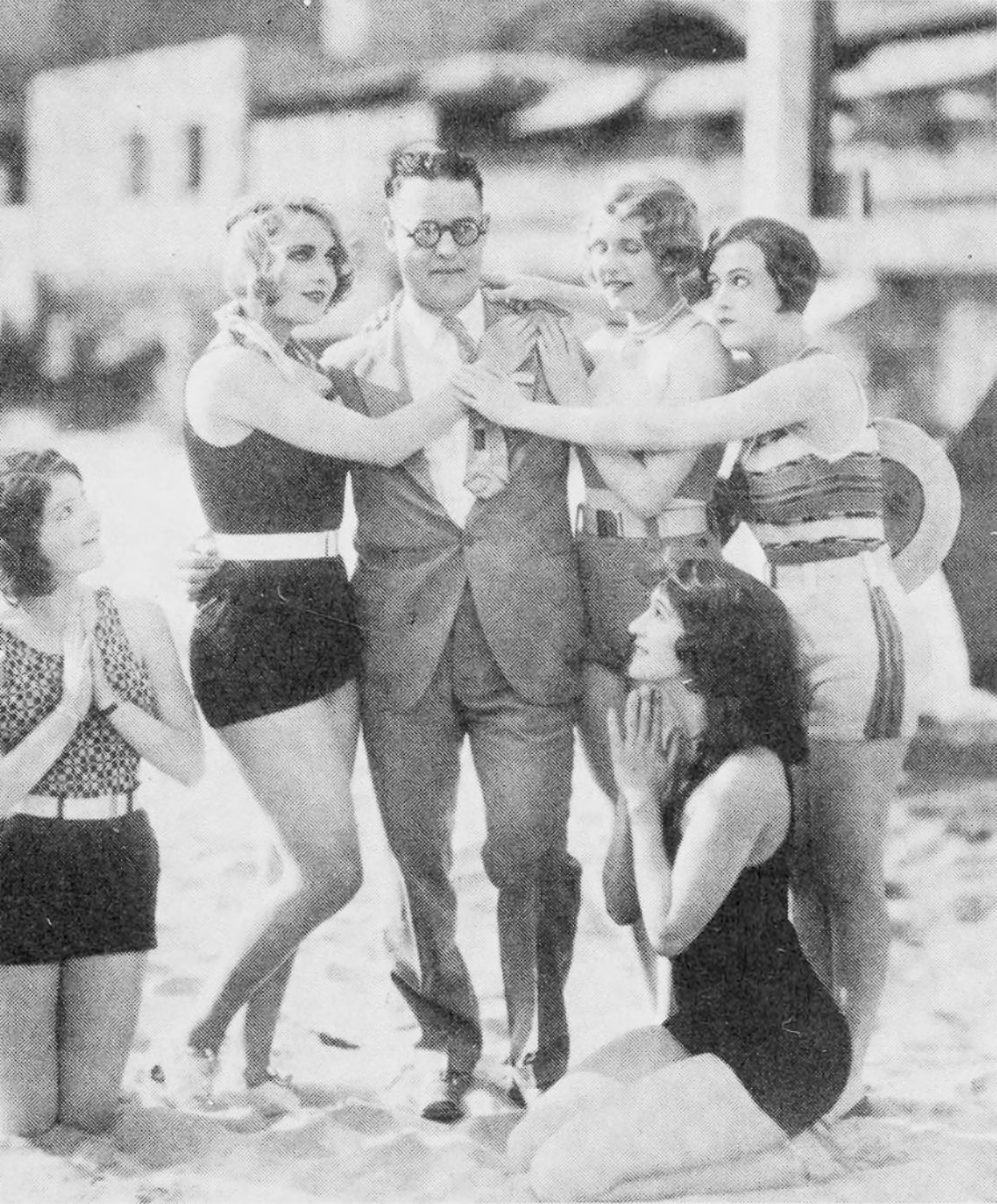
What were Mack Sennett's Bathing Beauties?
The Bathing Beauties were a line of short films Sennett produced that showcased actresses in seaside and poolside settings. Several of the women who appeared in those shorts went on to build broader acting careers.
Also in the Codexery
More in Clowning & Physical Comedy
Sources
Compiled from Wikipedia and the sources listed below. Text from Wikipedia is available under CC BY-SA 4.0; this entry is adapted from it.
- Wikipedia: Mack Sennett (CC BY-SA 4.0).
Spotted an error? Know more?
Reader corrections go straight into our review queue. Suggest an edit · How this site is sourced