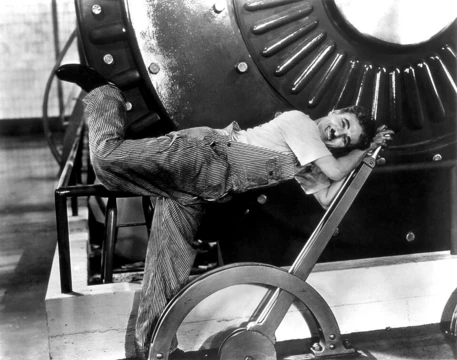
Harpo Marx
Silent clown and harpist of the Marx Brothers.
Last updated

via Wikipedia: Silent comedy · see source
Harpo Marx always portrayed a mute in the Marx Brothers' films, maintaining a silent style for comedic effect even after the arrival of synchronized sound. His comic style was visual, relying on pantomime and physical humor rather than spoken dialogue.
Lore & Background
Harpo Marx is most famous for his silent character in the Marx Brothers' films. He always portrayed a mute, never speaking on screen. This silent visual comedy contrasted sharply with the verbal humor of his brothers Groucho and Chico. His performances relied on pantomime, props, and physical gags.
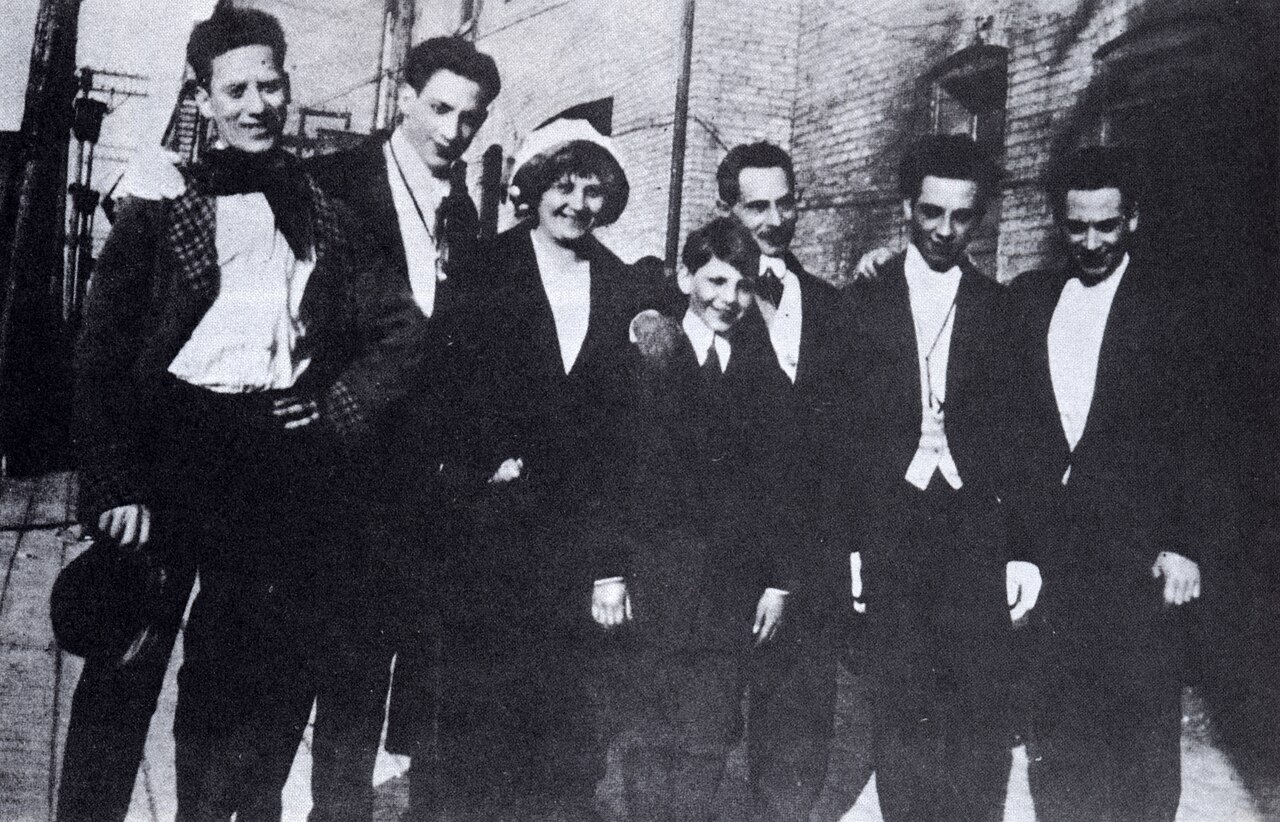
He also played the harp in a unique style, having learned by emulating a picture of a harp-playing angel and tuning it by ear. He never learned to read or write music. Upon his death, one of his harps was donated to Israel.
The Mute in an Age of Sound
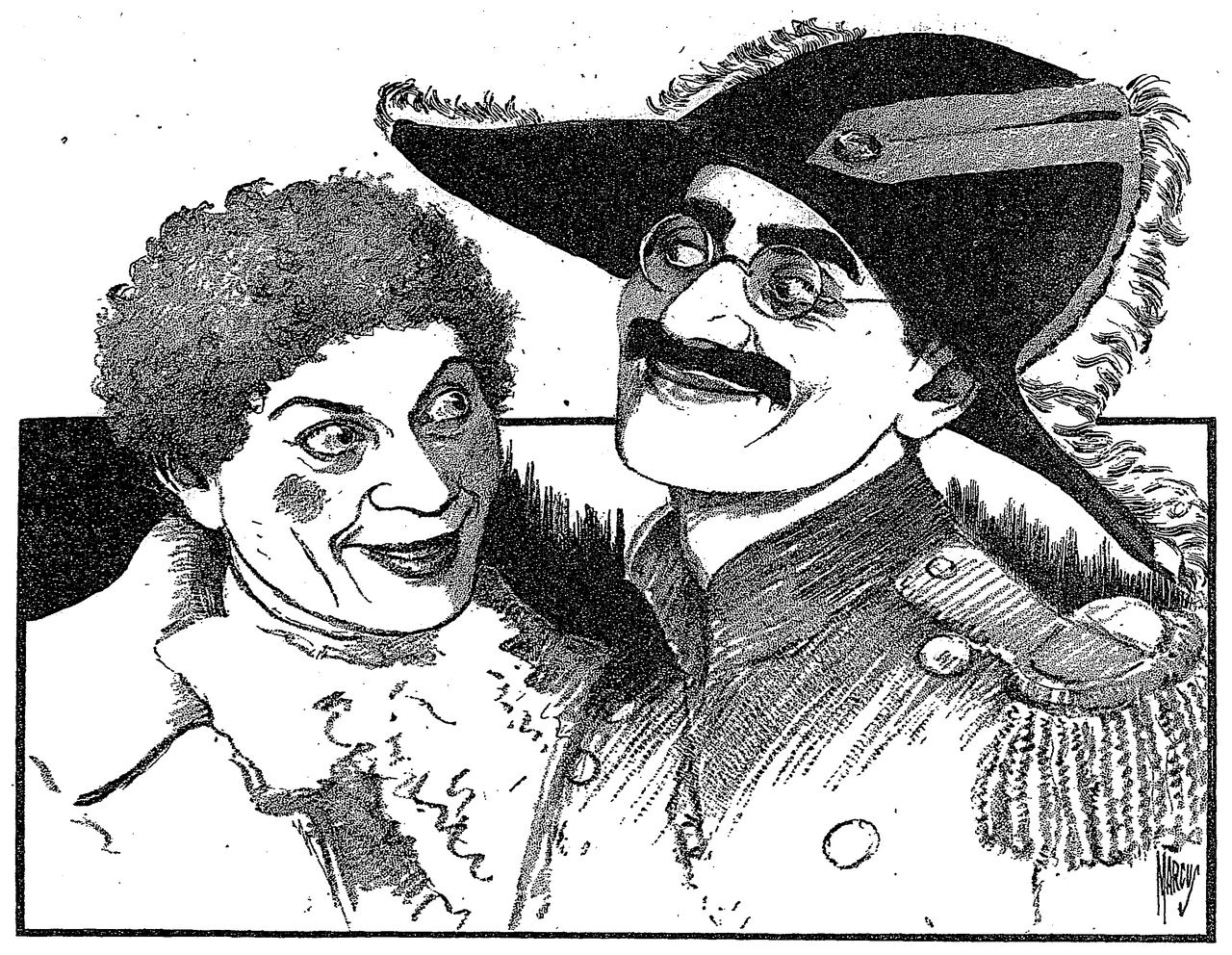
Harpo Marx occupies a singular position in the transition from silent to sound cinema. When synchronized soundtracks arrived in 1927 with The Jazz Singer and fundamentally reshaped the film industry, Harpo nonetheless chose to remain a voiceless performer throughout his career with the Marx Brothers. He always portrayed a mute character, communicating with audiences solely through physical expression and visual gags.
This steadfast commitment to silence during an era when dialogue became the primary storytelling vehicle set him apart as a notable exception. Alongside Charlie Chaplin, who likewise maintained his wordless style in City Lights (1931) and Modern Times (1936) well after talkies had become the industry norm, Harpo proved that the comedic force of a silent performance could still captivate audiences. His refusal to speak made every gesture, every facial expression, and every physical gag carry the full weight of the joke, rendering his comedy all the more visually arresting in a medium that increasingly relied on the spoken word.

Physicality Against Wit
Within the Marx Brothers ensemble, Harpo's wordless, physically driven comedy existed in deliberate counterpoint to his brother Groucho's verbal brilliance. Groucho became closely associated with the tradition of witty exchanges and sharp dialogue that defined much of the verbal humor in comedy, while Harpo communicated through exaggerated body language, facial expressions, and the full vocabulary of slapstick.
This division of labor illuminated a fundamental tension in comedic storytelling: the power of the spoken word versus the universal language of the physical gag. Harpo's role as the mute meant his humor depended entirely on visual storytelling, sight gags, and the kind of exaggerated physical business that had anchored silent comedy since its earliest days. His presence in the Brothers' films served as a living reminder that a complete comedic arc could be delivered without a single spoken syllable, even as the surrounding industry increasingly prioritized dialogue-driven humor.
Inheriting the Slapstick Tradition
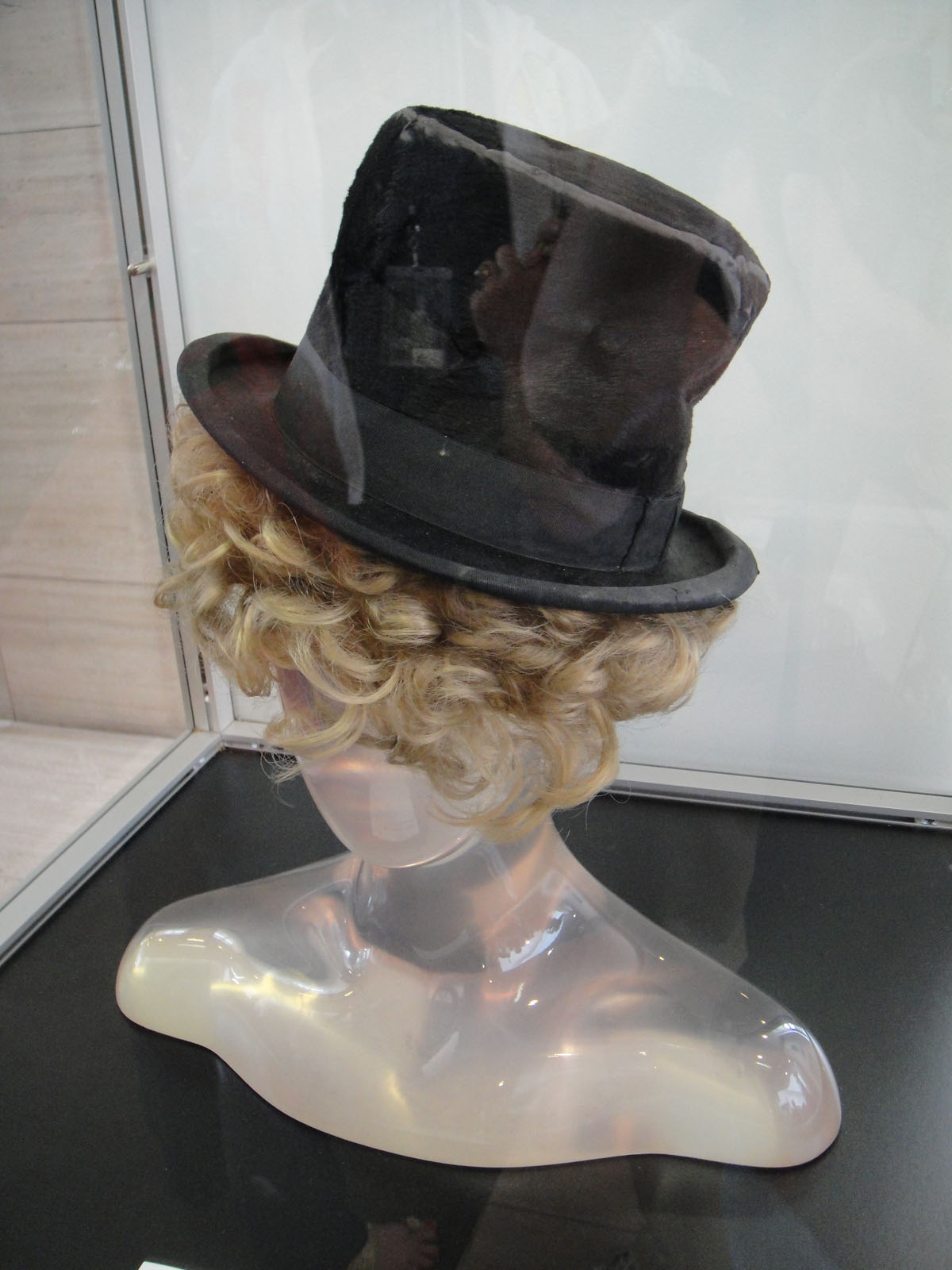
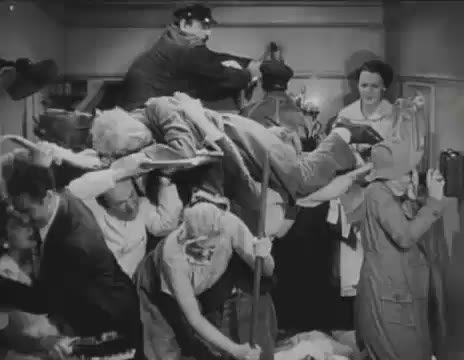
Harpo Marx's comedic toolkit was deeply rooted in the visual and physical traditions that defined silent comedy from its very inception. The genre, which drew its techniques from vaudeville stages and early film experiments, relied heavily on sight gags, exaggerated forms of violence, and the iconic devices of slapstick—the pratfall, the banana peel, the pie hurled into a face.
These were the same tools Harpo wielded in his mute performances, translating the physical comedy of the stage and early cinema into the context of the Marx Brothers' ensemble films. The tradition he inherited stretched back to the very first silent comedy, L'Arroseur Arrosé (1895), and through the influential work of Max Linder, whose mustachioed gentleman excelled at turning simple everyday tasks into chaotic events. By the 1913–1927 period, producers such as Hal Roach and Mack Sennett had become renowned figures building careers around these visual gags, and Harpo's work carried that lineage forward into the sound era, preserving a style many of his contemporaries had quietly abandoned.
A Lasting Blueprint for Wordless Humor
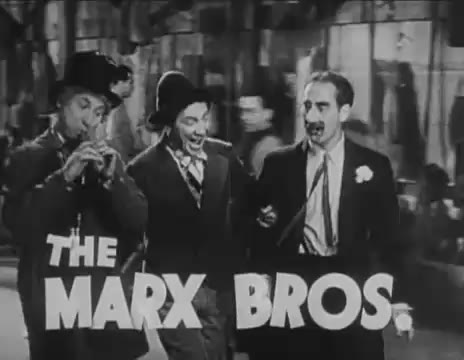
The influence of Harpo Marx's commitment to silent performance extends well beyond his own films, feeding into a broader legacy in which wordless characters continue to serve as powerful comedic vehicles. In the decades after the Marx Brothers' era, the techniques of silent comedy—frenetic chase scenes, visual puns, and exaggerated facial expressions—found a particularly fertile home in animated cartoons, from the Looney Tunes and Merrie Melodies of Warner Bros. to the Tom and Jerry cartoons of William Hanna and Joseph Barbera.
In live-action comedy, the tradition of the silent partner persists: Teller of Penn & Teller remains the most consistent and most famous example of a comedy team built around a wordless performer, while Rowan Atkinson achieved huge success in the 1990s with his mostly silent character Mr. Bean. Even television has paid homage, from a Brady Bunch episode featuring the family creating a silent comedy filled with pie-throwing antics to a Frasier sketch built around a five-minute silent performance. Harpo's insistence on silence in the Marx Brothers' films helped keep this tradition visible during a critical period when the industry was rapidly shifting toward dialogue-driven storytelling.
Reader's Guide
Harpo Marx's significance lies in his pioneering silent visual comedy within the Marx Brothers. His pantomime and physical gags created a timeless, universally understood character.
Despite never speaking on screen, his expressive face and physical comedy made him a central figure in American comedy. His unique harp style added a lyrical dimension to the brothers' films. He is a notable example of a performer who continued silent comedy techniques into the sound era, alongside Charlie Chaplin who maintained his silent style in City Lights (1931) and Modern Times (1936).
Also in the Codexery
More in Clowning & Physical Comedy
Sources
Compiled from Wikipedia and the sources listed below. Text from Wikipedia is available under CC BY-SA 4.0; this entry is adapted from it.
- Wikipedia: Harpo Marx (CC BY-SA 4.0).
Spotted an error? Know more?
Reader corrections go straight into our review queue. Suggest an edit · How this site is sourced