Jean-Gaspard Deburau
Last updated

via Wikipedia: Jean-Gaspard Deburau · see source
Jean-Gaspard Deburau was a Czech-French mime born Jan Kašpar Dvořák on 31 July 1796 in Kolín, Bohemia.[1][2] His son Jean-Charles later took over his role and founded a school of pantomime.[3]
Quick Facts
- Nationality
- Czech-French
Facts from the source article.
Key facts and history
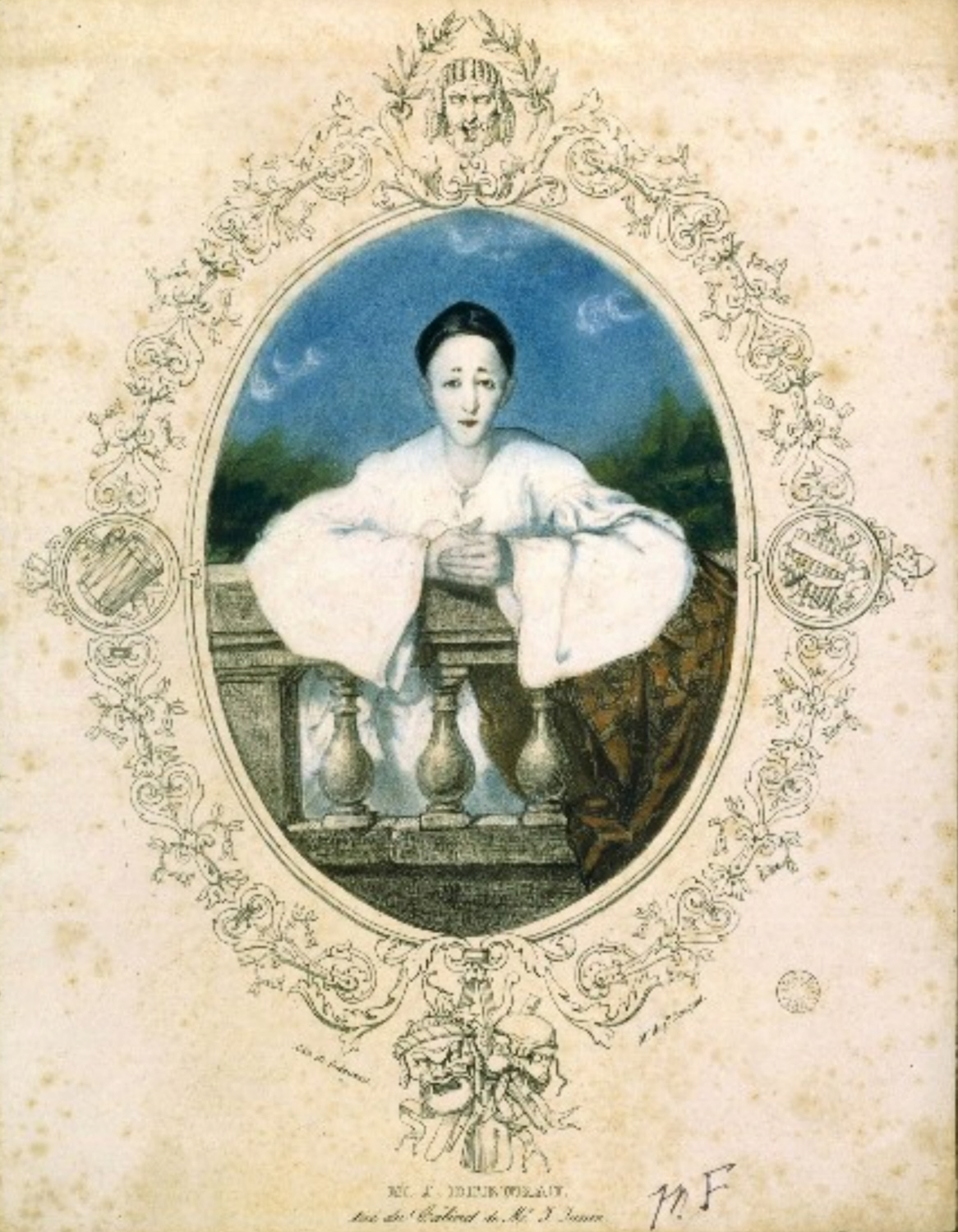
Deburau was the son of a Czech servant and a former French soldier from Amiens.[2] In 1814 he brought his nomadic troupe to Paris, and they were hired in 1816 by the Théâtre des Funambules, a minor theater that specialized in pantomimes to circumvent dialogue-license restrictions.[4] He gained fame in 1828 when Charles Nodier published a panegyric about him, and journalist Jules Janin published a book of praise in 1832.[5] By the mid-1830s Deburau was widely known, and Théophile Gautier called him "the most perfect actor who ever lived"[6]
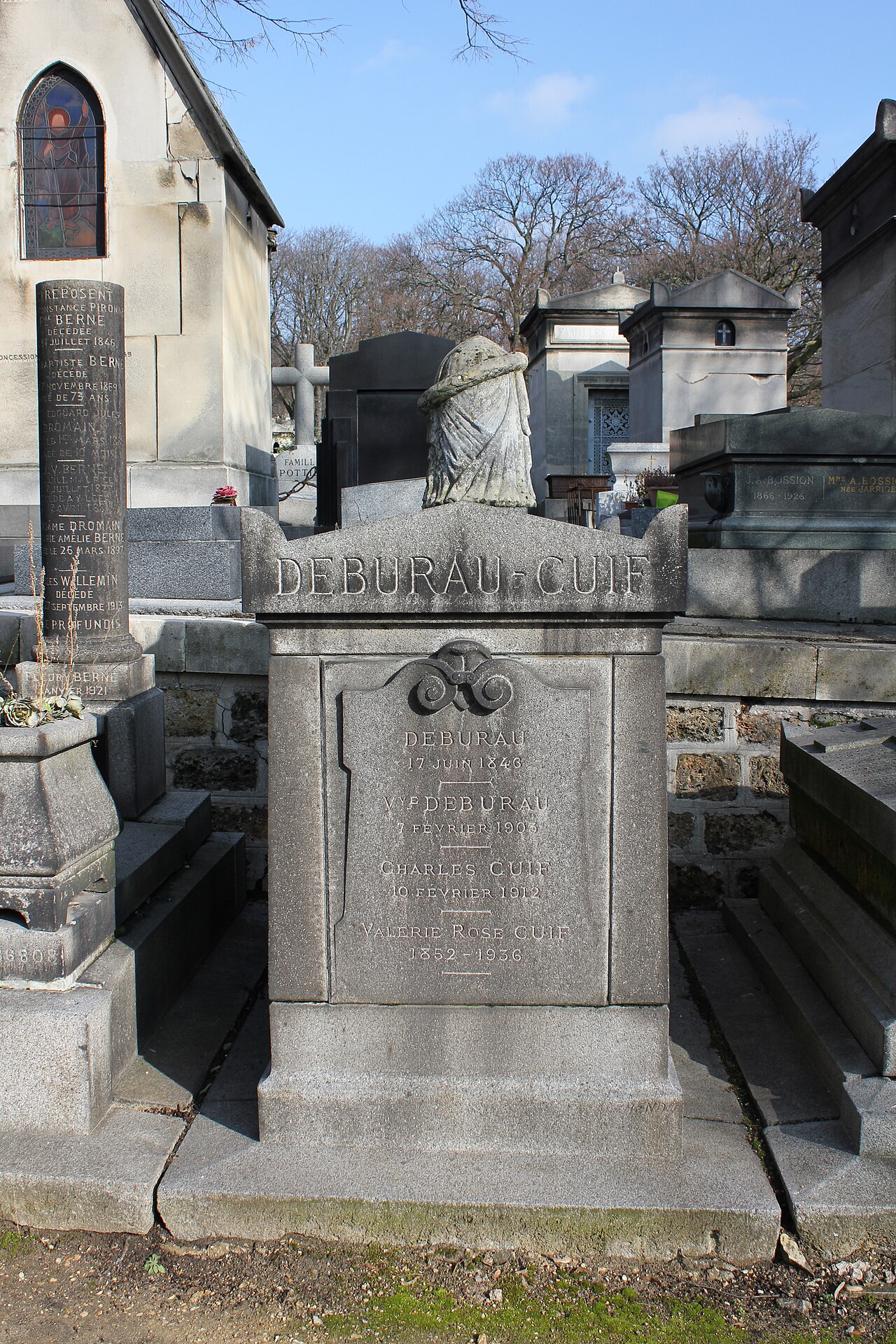
Deburau performed many roles besides Pierrot, including the farmhand Cruchon and the goatherd Mazarillo.[7] His Pierrot was more acrobatic than earlier versions, and he dispensed with the character's coarseness to emphasize cleverness.[8][9] He died on 17 June 1846.[1] According to cast-lists, he performed as Pierrot from his earliest appearances, and by 1825 he was the only performer in that part.[5]
A pantomime he performed at the Palais-Royal in 1832 was a notable disaster, resulting in the audience hissing him.[10]
What the cited sources add
Toepfer notes that Deburau did not publish his pantomime scenarios, likely because his performances relied heavily on improvisation.[11] The oldest known scenario in which Deburau performed Pierrot, Le Bœuf enragé (1827), was composed by Charles Nodier under a pseudonym.[11] Toepfer states that Janin's romantic biography described Deburau's Pierrot as "the actor of the people, the friend of the people," but this image was not the Pierrot audiences actually saw at the Funambules.[11] Deburau himself complained to George Sand that Janin's portrait "is not the art, not the idea that I have"[11]
Storey produced evidence that Deburau's pantomime assumed different forms and that his Pierrot varied across different types of pantomime.[11]
References
- Wikipedia, "Jean-Gaspard Deburau" (CC BY-SA 4.0), which cites: . (original not read by us) en.wikipedia.org
- Wikipedia, "Jean-Gaspard Deburau" (CC BY-SA 4.0), which cites: Rémy is Deburau's chief biographer. (original not read by us) en.wikipedia.org
- Wikipedia, "Jean-Gaspard Deburau" (CC BY-SA 4.0), which cites: On Charles Deburau's career, see Hugounet. (original not read by us) en.wikipedia.org
- Wikipedia, "Jean-Gaspard Deburau" (CC BY-SA 4.0), which cites: Rémy, p. 3. (original not read by us) en.wikipedia.org
- Wikipedia, "Jean-Gaspard Deburau" (CC BY-SA 4.0), which cites: Nye (2016), p. 18, n. 12.; "Deburau", p. 2. (original not read by us) en.wikipedia.org
- Wikipedia, "Jean-Gaspard Deburau" (CC BY-SA 4.0), which cites: La Presse, 25 January 1847; tr. Storey, Pierrot: a critical history, p. 102.; Storey, Pierrots on the stage, pp. 127–151; Storey, Pierrot: a critical history, p. 104. (original not read by us) en.wikipedia.org
- Wikipedia, "Jean-Gaspard Deburau" (CC BY-SA 4.0), which cites: Storey, Pierrots on the stage, p. 10. (original not read by us) en.wikipedia.org
- Wikipedia, "Jean-Gaspard Deburau" (CC BY-SA 4.0), which cites: Péricaud, p. 28. (original not read by us) en.wikipedia.org
- Wikipedia, "Jean-Gaspard Deburau" (CC BY-SA 4.0), which cites: Nye (2014), p. 109. (original not read by us) en.wikipedia.org
- Wikipedia, "Jean-Gaspard Deburau" (CC BY-SA 4.0), which cites: The pantomime was The Female Goblin; the evening opened with The Sylph and three other short pieces: see Péricaud, p. 110.; Péricaud, p. 110.; Péricaud, pp. 110, 111. (original not read by us) en.wikipedia.org
- Toepfer, The Rise and Fall of Pierrot: Pantomime in the Romantic Era, n.p. (pp. 588-590 in PDF download).. karltoepfer.com
Each numbered sentence above was checked against the source it cites before publication. Sentences citing Wikipedia adapt text from the English Wikipedia article Jean-Gaspard Deburau (contributors), used under CC BY-SA 4.0; this entry is available under the same licence. Other sources were used for facts only.
More in Clowning & Physical Comedy
Sources
Compiled from Wikipedia and the sources listed below. Text from Wikipedia is available under CC BY-SA 4.0; this entry is adapted from it.
- Wikipedia: Jean-Gaspard Deburau (CC BY-SA 4.0).
Spotted an error? Know more?
Reader corrections go straight into our review queue. Suggest an edit · How this site is sourced