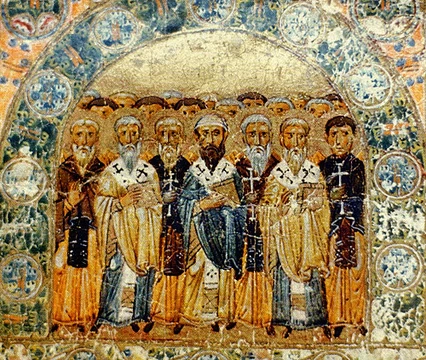
James, son of Alphaeus
One of the Twelve Apostles, often identified as James the Less.
Last updated

Hakjosef · CC BY-SA 4.0
James, son of Alphaeus, was one of the twelve apostles chosen by Jesus, and his name appears in the apostle lists of all three Synoptic Gospels. In church tradition, he is usually identified with James the Less (from the Greek Iakōbos ho mikros in Mark 15:40), and translations sometimes call him "the Minor," "the Little," "the Lesser," or "the Younger." He is a different figure from James, son of Zebedee, and in some interpretations also distinct from James, brother of Jesus (known as James the Just). The New Testament mentions him only four times, always within a list of the twelve apostles.
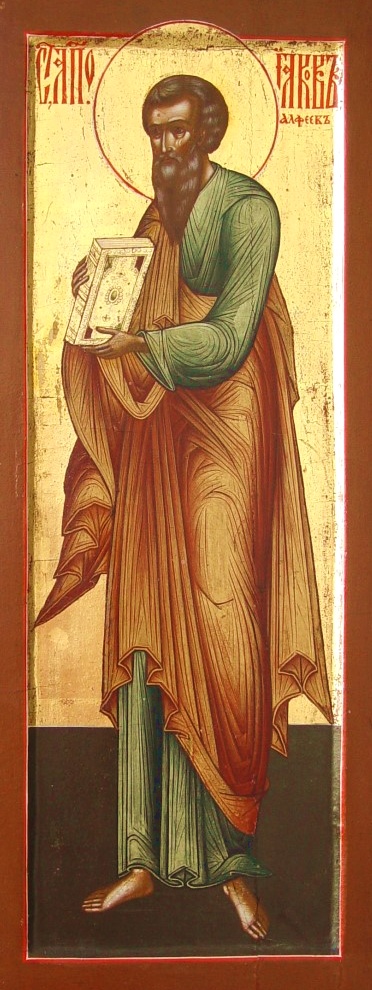
Possible identity as James the Less
The identification of James, son of Alphaeus, with James the Less is common but not universally accepted. James the Less appears just four times in the Bible, each time linked to his mother. Mark 15:40 mentions "Mary the mother of James the younger and of Joses," while Mark 16:1 and Matthew 27:56 refer to "Mary the mother of James." Since another apostle was named James (son of Zebedee, sometimes called James the Greater), equating the two made sense.
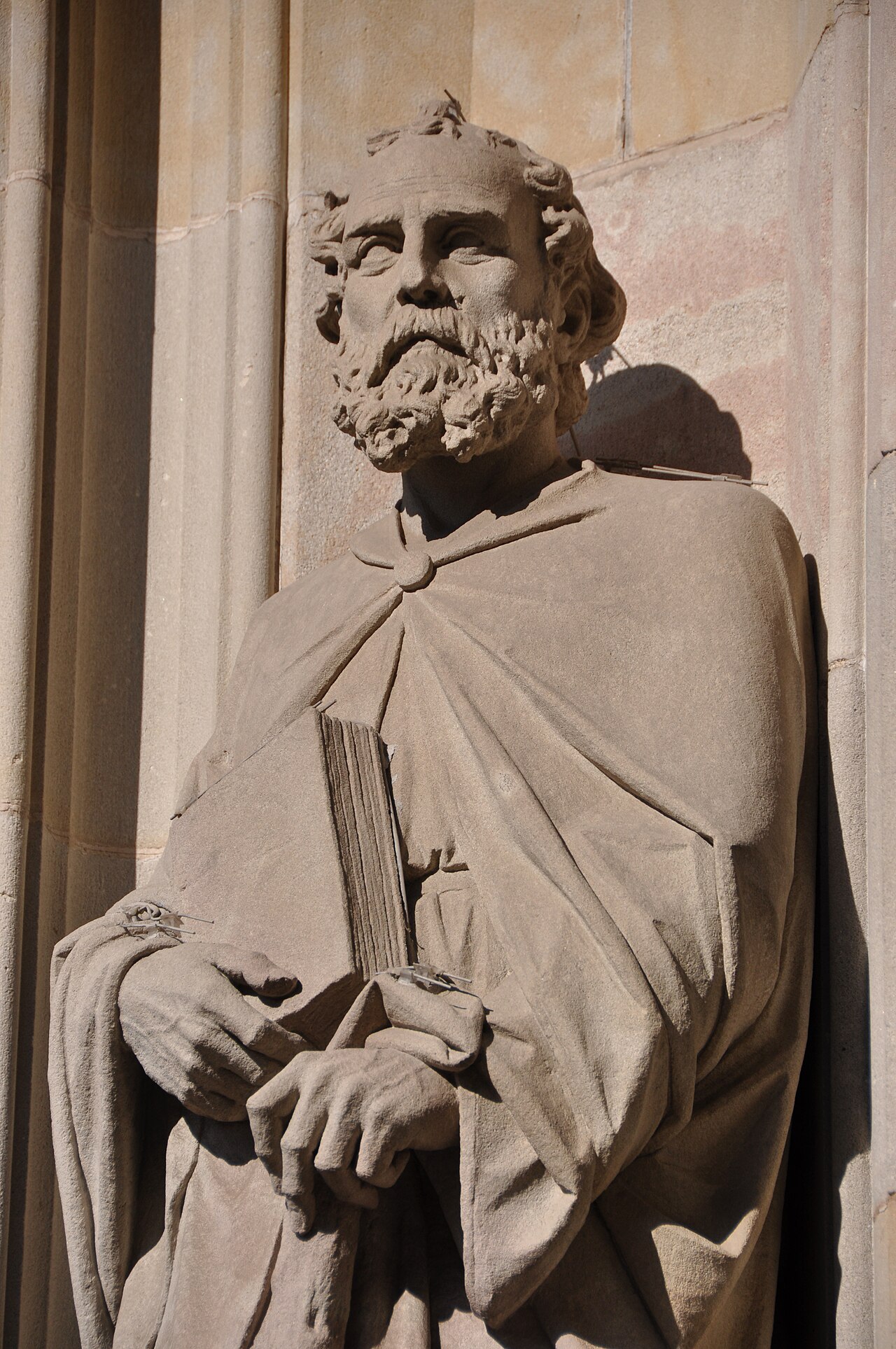
Jerome, in his work The Perpetual Virginity of Blessed Mary, argued that James the Less was the son of Alphaeus and a believer in Jesus, concluding that Mary the mother of James the Less was the wife of Alphaeus and sister of Mary, the mother of Jesus. Some have attributed a similar claim to Papias of Hierapolis (c. 70–163 AD), but this is likely a misattribution to an eleventh-century lexicographer also named Papias. Modern biblical scholars are divided: John Paul Meier finds the identification unlikely, while the New Bible Dictionary supports it, and Don Carson and Darrell Bock consider it possible but uncertain.
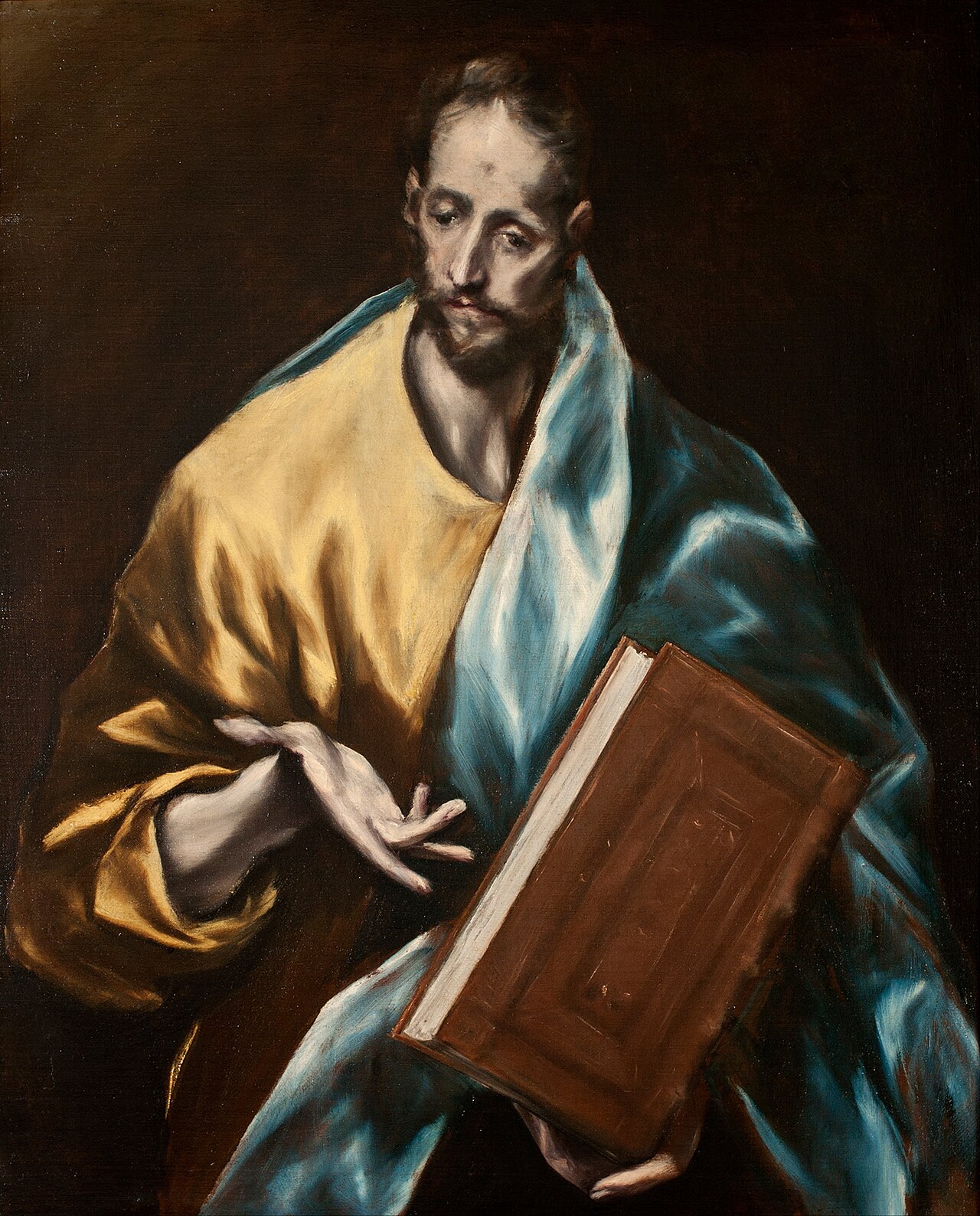
Possible identification as James, the brother of Jesus
Jerome also proposed that James, son of Alphaeus, was the same person as "James, the brother of the Lord" mentioned in Galatians 1:19, interpreting "brother" as "cousin" to uphold the perpetual virginity of Mary. This view, known as the Hieronymian view, became widespread in the Roman Catholic Church, though some Protestants reject it. Geike (1884) noted that Hausrath, Delitzsch, and Schenkel thought James, the brother of Jesus, was the son of Clophas-Alphaeus. Two works sometimes attributed to Hippolytus—On the Twelve Apostles of Christ and On the Seventy Apostles of Christ—state that James, son of Alphaeus, was stoned to death by the Jews in Jerusalem and buried near the temple, the same death attributed to James, the brother of Jesus.
However, most scholars consider these works spurious, often labeling them as Pseudo-Hippolytus, and they are included only in an appendix to Hippolytus's collected writings. Surviving fragments of Papias of Hierapolis's Exposition of the Sayings of the Lord identify Cleophas and Alphaeus as the same person, making Mary, wife of Cleophas or Alphaeus, the mother of James the brother of Jesus, along with Simon, Judas (Thaddeus), and Joseph. Anglican theologian J.B. Lightfoot, however, maintains that this fragment is spurious. The thirteenth-century Golden Legend by Jacobus de Voragine describes James the Less as older than James the More, resembling Jesus in appearance and manner, called "the Just" for his holiness, and credited with singing the first mass in Jerusalem.
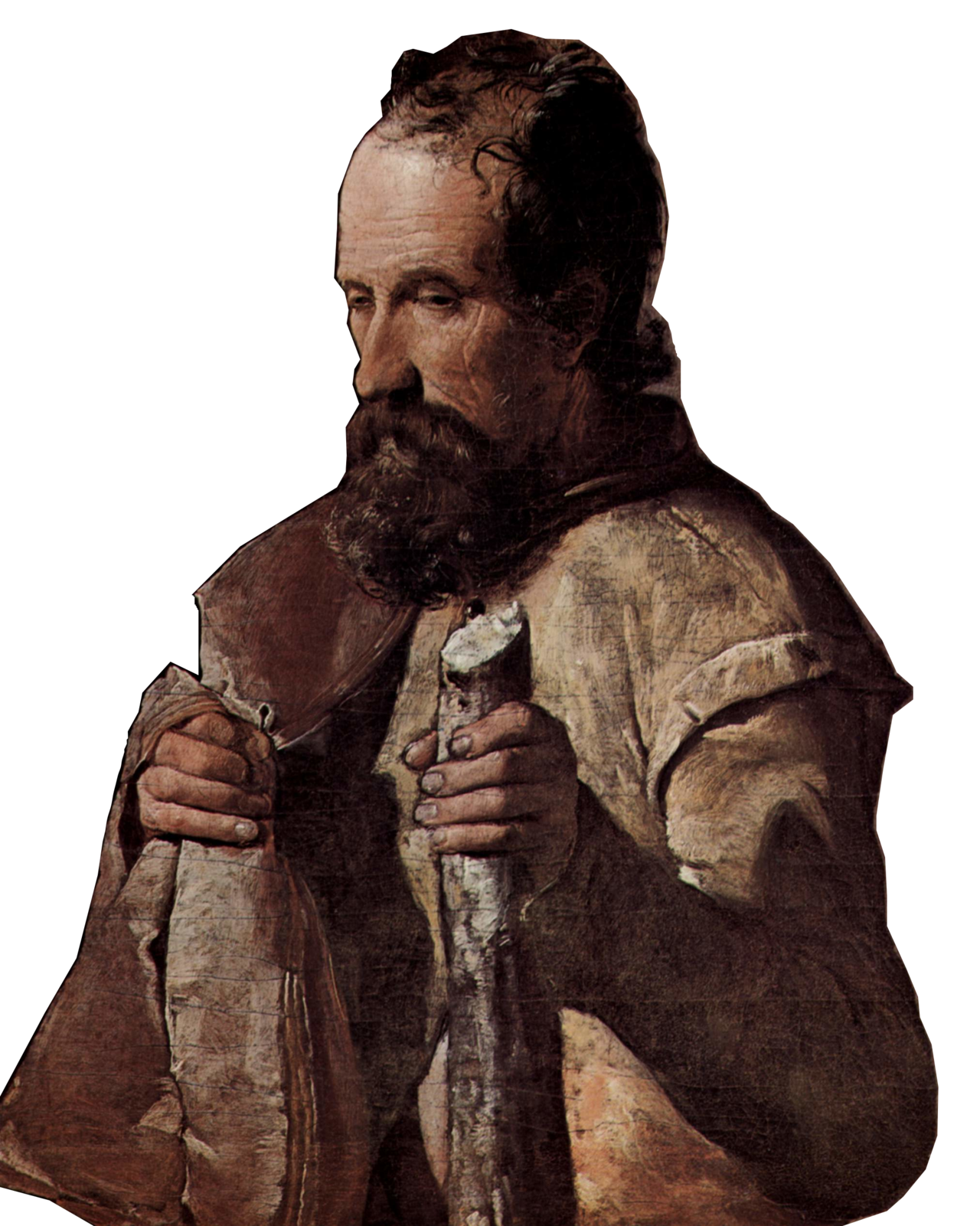
Lore & Background
Some traditions, notably that of Jerome, also identify James, son of Alphaeus, with James, the brother of Jesus (Galatians 1:19), interpreting 'brother' as 'cousin' to support the doctrine of Mary's perpetual virginity. Works ascribed to Pseudo-Hippolytus state that James, son of Alphaeus, was stoned to death by the Jews in Jerusalem, a death also attributed to James, the brother of Jesus. However, these works are considered spurious by most scholars. The Golden Legend, a 13th-century collection, calls James the Less the brother of our Lord, the first bishop of Jerusalem, and the son of Alpheus.
Four Glimpses in the Gospels
In the entire New Testament, James the Less appears in only four brief passages, and in every one of them he is identified exclusively through his mother. Matthew 27:56 names "Mary, the mother of James and Joseph" among the women at the cross. Mark 15:40 offers a slightly fuller description: "Mary, the mother of James the younger and of Joses." The resurrection accounts in Mark 16:1 and Luke 24:10 repeat the formula "Mary, the mother of James." Notably, this Mary is never called the mother of Jesus; she is consistently distinguished from the mother of James, son of Zebedee, and from the mother of the Lord.
Scholars have suggested she may be the same woman John 19:25 calls Mary of Clopas, though the identification is never made explicit in the text. The brother Joseph, or Joses as Mark renders the name, is mentioned alongside him, but no further biographical detail—no deeds, no sayings, no ministry—is attached to James in these passages. His presence in the Gospels is almost entirely relational: he exists in the record as a son, a brother, and a namesake, leaving later tradition to fill in the gaps.
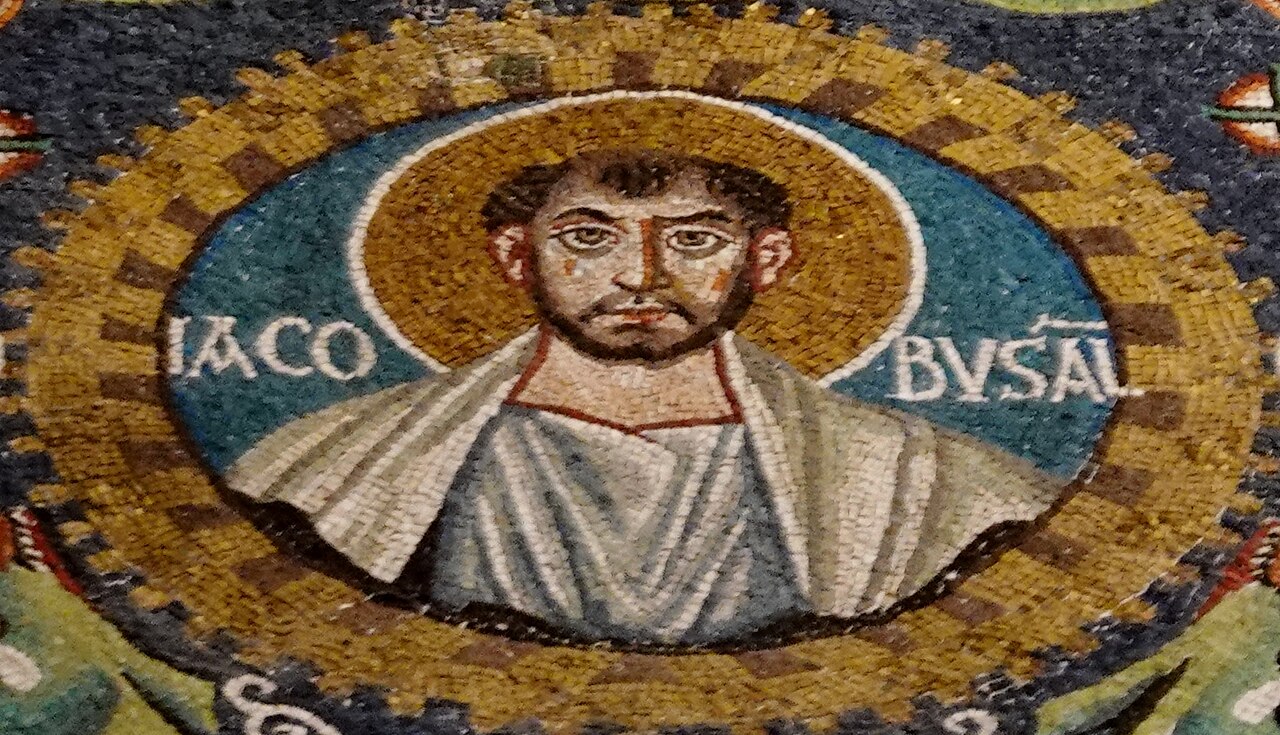
The Patristic Puzzle
The question of whether James the Less, James son of Alphaeus, James the Just, and James "brother of the Lord" are one and the same person has occupied Christian scholars for nearly two millennia. Jerome, writing in the late fourth century, argued forcefully that all four designations point to a single individual. His reasoning hinged on a genealogical link: if the Mary who is James's mother was the sister of the Virgin Mary, and if she was married to Alphaeus (whom some equate with Cleophas), then James would be a cousin of Jesus rather than a literal brother.
Papias of Hierapolis, writing in the second century, independently connected Mary, wife of Alphaeus, to James the Less and Joseph, and identified her as the sister of the Lord's mother. The thirteenth-century Golden Legend reinforced this identification, adding that James resembled Jesus in appearance and manner, and that he was the first to celebrate the Eucharist in Jerusalem. Yet modern biblical scholarship remains divided: Catholic scholar John Paul Meier finds the identification unlikely, while evangelicals such as Don Carson and Darrell Bock regard it as possible but not certain.
Reader's Guide
James, son of Alphaeus, holds a minor but persistent place in Christian tradition as one of the Twelve Apostles, yet his historical identity remains deeply uncertain. The New Testament provides no independent narrative about him; he appears solely in apostolic lists. Church tradition has largely conflated him with James the Less, and some strands identify him with James, the brother of Jesus, though this is disputed.

The lack of clear evidence has led to divergent views among scholars. His significance lies less in any recorded deeds and more in the questions he raises about the composition of the apostolic circle and the early church's efforts to harmonize different James figures. The ambiguity surrounding his identity reflects the broader challenges of reconstructing early Christian history from sparse and sometimes contradictory sources.
Frequently Asked Questions
How is James, son of Alphaeus distinguished from James, son of Zebedee?
The two are separate apostles who happen to share the same given name; the "Less" or "Minor" title simply marks the son of Alphaeus as the junior James. Unlike his namesake, who is martyred early in Acts, James the son of Alphaeus has no individual narrative scenes in the Gospels.
Where does James, son of Alphaeus actually appear in the Bible?
His name occurs four times, each within the standard roll-call of the twelve apostles in Matthew, Mark, and Luke. He is never given a personal story, speech, or miracle in the canonical texts.
Is James, son of Alphaeus the same person as James, brother of Jesus?
A minority of early writers proposed the identification, but the standard reading of the New Testament treats them as two distinct men. Acts 1:13 lists "James, the brother of the Lord" alongside the apostles, implying he is not one of the Twelve and therefore not the son of Alphaeus.
Also in the Codexery
More in Christian Saints & Early Church Fathers
Sources
Compiled from Wikipedia and the sources listed below. Text from Wikipedia is available under CC BY-SA 4.0; this entry is adapted from it.
- Wikipedia: James, son of Alphaeus (CC BY-SA 4.0).
Spotted an error? Know more?
Reader corrections go straight into our review queue. Suggest an edit · How this site is sourced